Insurance fraud costs consumers in Washington state millions of dollars each year, and under current law many sophisticated schemes can go unpunished. The state does not presently have a standalone statute that explicitly defines insurance fraud as a crime, forcing authorities to rely on more general theft, false statement and consumer protection laws. To close this legal loophole, lawmakers are proposing a new bill.
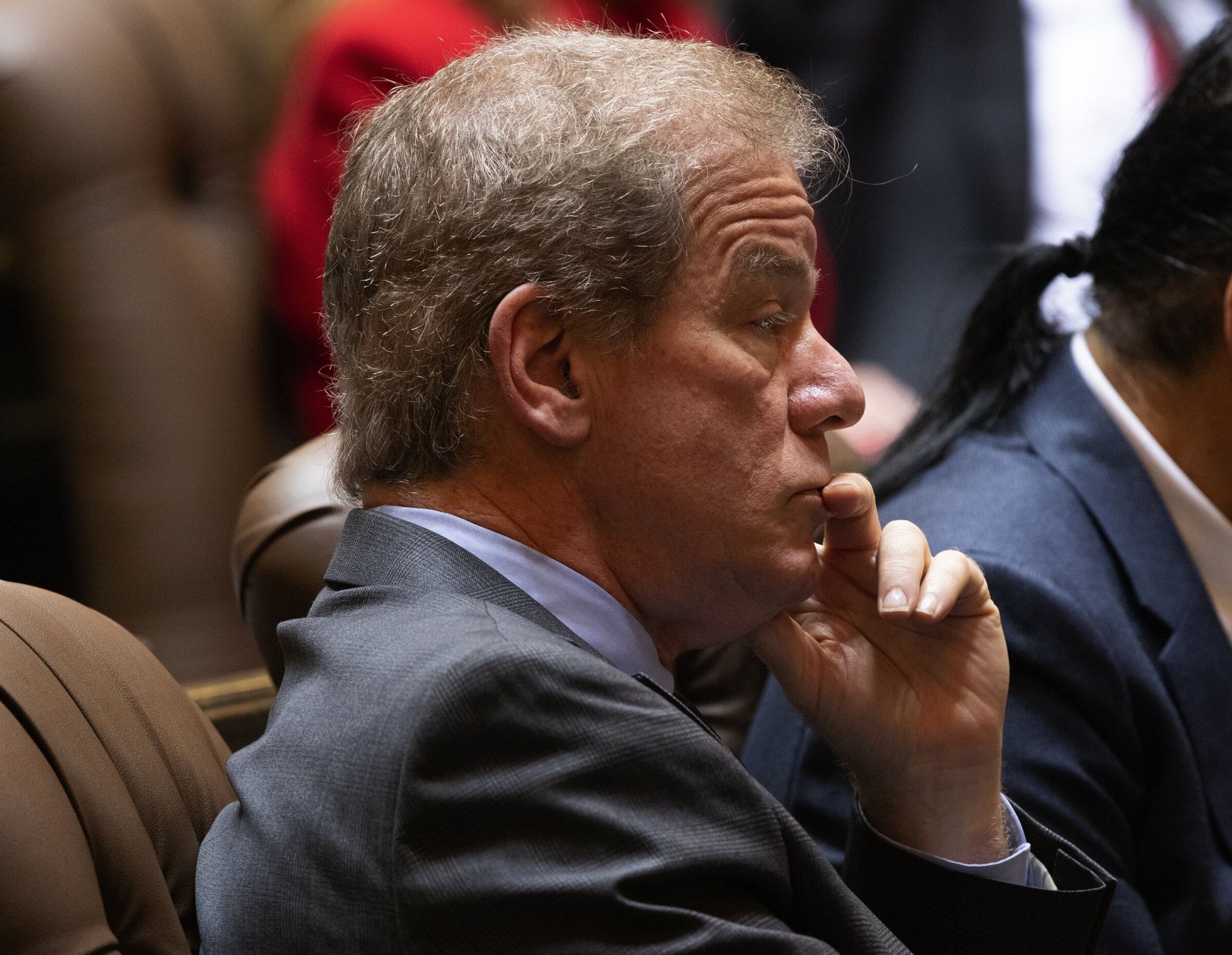
House Bill 2394, introduced by Rep. Roger Goodman, a Democratic member representing the 45th Legislative District that includes Seattle suburbs, was drafted at the request of the state insurance commissioner. This elected regulator is responsible not only for combating fraud but also for approving rates, licensing insurers, protecting consumers and ensuring the financial stability of the insurance market. The bill would formally define insurance fraud as a separate criminal offense. It would expand the list of acts that qualify as fraud and allow victims, including ordinary consumers, to recover damages. Each instance of fraud would be treated as a separate offense and could be classified as a class B felony.
The scope of the problem is growing: according to Deputy Insurance Commissioner Aaron VanTyle, the number of fraud reports received by the agency’s criminal investigations unit rose from 3,246 in 2022 to 4,252 in 2025. National estimates put insurance fraud costs to Americans at a minimum of $300 billion a year, which ultimately leads to higher premiums for all customers.
Modern fraudulent schemes are becoming increasingly technological and complex. They often involve identity theft, forged documents, manipulation of damage estimates and multi-layered fabricated claims. Experts note such schemes can be uncovered months or even years later, especially when fraud is embedded in digital systems.
The bill would also strengthen interagency cooperation by requiring other regulators — for example, in health care and financial services — to report suspected insurance fraud. That would give investigators greater authority to pursue large cases. Insurance Commissioner Patty Coderer described the current system as an attempt to “fight computers with pencils,” emphasizing the obsolescence of existing rules.
A companion measure (Senate Bill 6031) has already been approved by a Senate committee. In Washington’s legislative process, committee approval in one chamber is an important step that increases the chances of final passage, as it demonstrates interchamber consensus and expedites procedure. If both proposals are adopted, the new rules are expected to take effect 90 days after the end of the legislative session. Sponsors believe these measures will help hold more fraudsters accountable and help lower insurance costs for honest customers.