
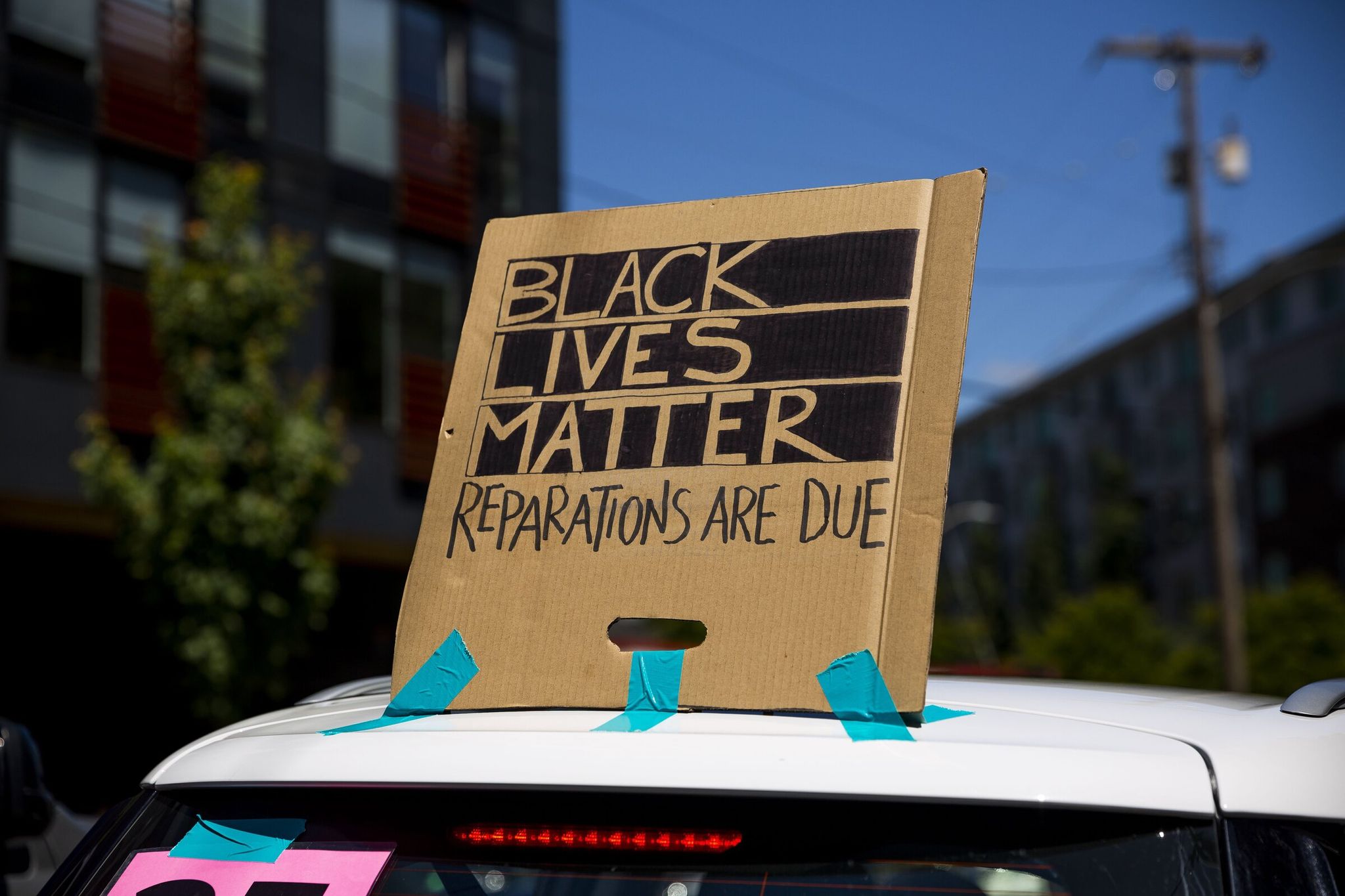
The state of Washington has launched a large, multi-year study focused on reparations — compensation for the descendants of people enslaved in the United States. The project aims to deeply examine the historical legacy of slavery and its long-term consequences, such as racial inequality and systemic injustice that persist today. Researchers intend to carefully analyze the state's role in maintaining discriminatory practices.
In the first phase, scholars are collecting historical data, archival documents and personal testimonies. A survey is also being conducted among state residents whose ancestors may have been victims of slavery to learn their views on possible forms of compensation. These responses, along with other findings, will help shape concrete recommendations for lawmakers.
Although Washington officially became a state only in 1889, after the abolition of slavery, complex legal norms allowing the presence of enslaved people existed in its territory. As early as the 1850s, territorial legislation restricted the rights of African Americans, prohibiting them from voting and owning land. At the same time, although the territory was formally considered "free," there were forced labor practices for Indigenous peoples, and policies of historical figures such as Governor Isaac Stevens contributed to the oppression of Native communities. The consequences of these practices later manifested as discrimination in hiring, restrictions on homeownership for Black people ("redlining"), inequality in education and healthcare, and disproportionately high incarceration rates. Redlining particularly harmed African American communities in Seattle's Central District and neighborhoods in South Seattle, including Rainier Valley and the Holloway area, leading to prolonged segregation and economic inequality.
The study has been allocated $300,000. Washington is following the example of other states: California has already published a similar report with recommendations, and Illinois and New York are also exploring the possibility. The work is being led by the consulting firm Truclusion, which specializes in diversity and inclusion issues. This Seattle-based firm has experience implementing racial justice projects, including diversity training for local companies and advising city institutions on inclusive policies, and generally has a positive reputation among the region’s progressive organizations.
Researchers are considering various forms of potential reparations: direct cash payments, pensions, healthcare benefits and other types of support. At the national level, experts have estimated the possible cost of such compensation in the trillions of dollars, based on the value of unpaid labor. However, specific proposals for Washington have not yet been formed.
The path from a research report to concrete policy decisions may be long and complicated. California’s example shows that even with detailed recommendations, implementation faces financial and political obstacles. The national political climate also influences such initiatives. Within the Washington state legislature, the study is most actively supported by progressive Democrats such as Senator Jamie Pedersen and Representative Emily Wessel, while criticism mainly comes from Republican lawmakers expressing concerns about cost and practical implementation of programs.
Public opinion on reparations remains divided. According to polls, a majority of Americans overall oppose them, though support is higher at the local level, for example in King County. Critics of the study point to Washington Territory’s formal "free" status during the era of slavery.
Researchers view their work as an important step in a long-term process of acknowledging historical injustice. A preliminary report will be presented to legislators by the end of June this year, an interim report at the end of 2024, and final findings and recommendations are expected by June 30, 2027.
Based on: WA launches study on reparations for descendants of slavery