
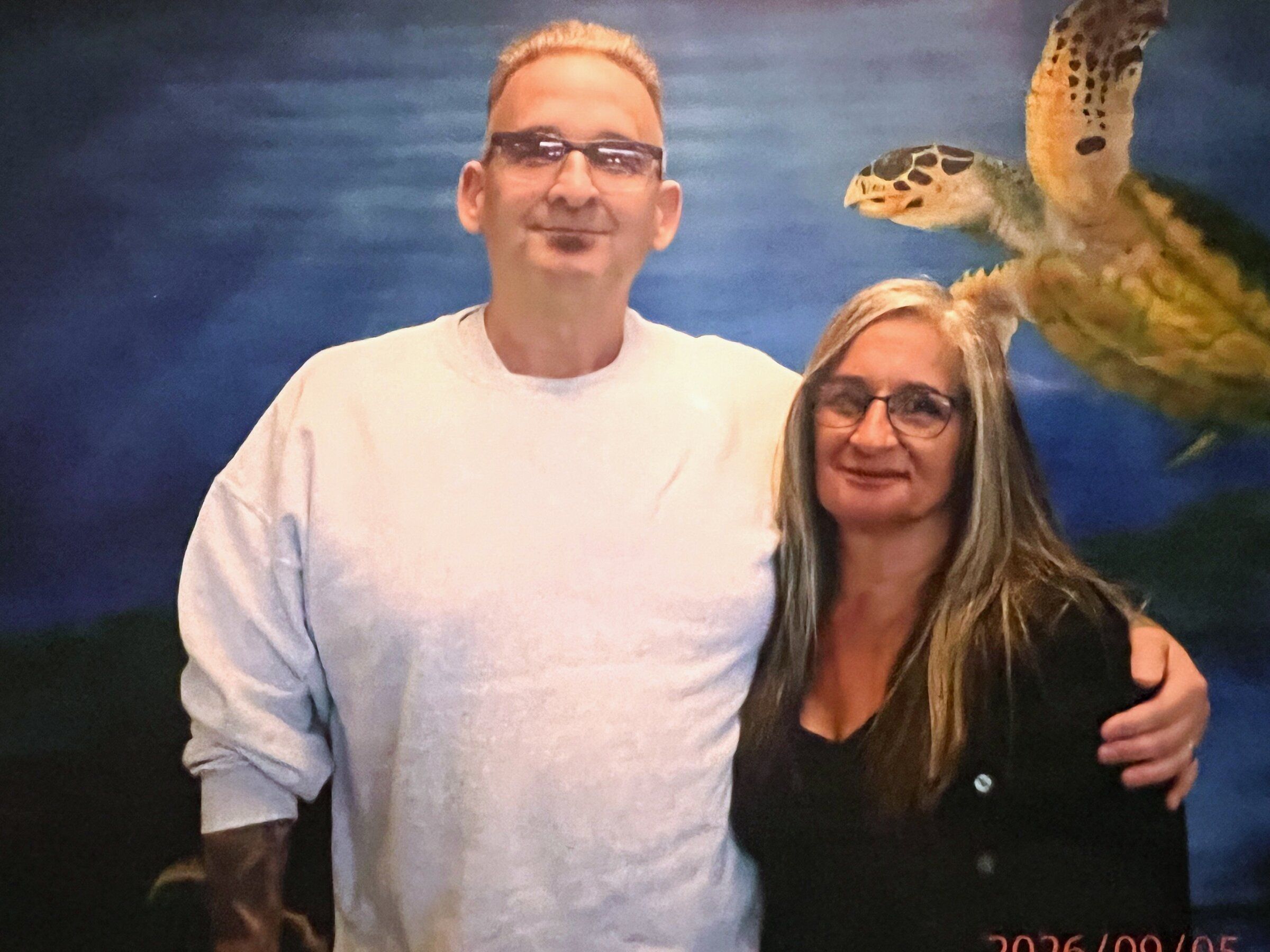
Claude Price appeared before the Washington State Clemency and Pardons Board after nearly three decades in prison. He is serving a 95-year sentence for crimes committed in 1997: stealing a truck, assaults and four counts of attempted murder. During the hearing, Price repeatedly apologized to those affected, spoke about the abuse he suffered as a child, his early drug use and his long journey toward accepting responsibility. “I realized I needed to become better, but I still didn’t know exactly how,” he said.
One of the victims, Alita Carey, said the fear she felt after the incident would remain with her forever. Nevertheless, after a two-hour hearing, all five board members unanimously recommended that Price be released early. Gov. Bob Ferguson rejected the recommendation, so the 56-year-old prisoner remains behind bars and will likely die there unless a future governor intervenes. His current release date is 2092, when he would be 122 years old.
The Clemency and Pardons Board is an advisory body: its members are appointed by the governor and confirmed by the state Senate. The board considers petitions for pardons, sentence commutations and, in certain cases, early release, then sends its recommendation to the governor. Under state law, it is not an independent court, so its decisions are not binding on the executive branch, even when all board members unanimously support a recommendation.
Price says he has completely changed during his years in prison: He has mentored other prisoners, taught them to knit, made crafts and has had no serious disciplinary violations for 10 years. His wife believes he has been rehabilitated and that the prison has fulfilled its purpose. His attorney also says that getting to know Price changed her previous views of people who have spent decades behind bars.
The governor’s significant role in such cases stems from a 1981 reform, when the state abolished indeterminate sentencing and transferred the setting of prison terms to a special commission, later renamed the Washington State Sentencing Commission. Afterward, the Clemency and Pardons Board lost its previous authority over ordinary parole. Early release became possible primarily through exceptional clemency or commutation procedures, with the governor making the final decision.
Ferguson’s policy differs sharply from that of his predecessor, Jay Inslee, who supported 94% of the board’s recommendations during 12 years in office. Ferguson has approved none of the 15 sentence-commutation recommendations issued during his nearly two years in office, although he has granted some pardons to people who had already completed their sentences. His office said prosecutors and victims opposed Price’s release, and that the governor makes decisions with public safety and his personal responsibility for possible consequences in mind.
Reform advocates say this approach calls into question the purpose of the board, which was created in 1981 after parole was abolished in the state. Another prisoner, Thomas Keene, also received a unanimous recommendation for release after 16 years in prison, earning an education, working as a mentor and receiving a literary award. But the governor denied his request, citing only the fact that “the interests of justice” did not require a sentence reduction. Legislators expanded the board and increased funding for the process, but Ferguson has yet to appoint new members. Price may apply again in three years.






Based on: Gov. Ferguson’s board tells him to let people out of prison. He keeps saying no