
Democrats’ victory in the midterm elections will give them control of both chambers of Congress starting January 3, significantly increasing the political influence of Washington state’s delegation. Senators Patty Murray and Maria Cantwell, along with Representatives Adam Smith, Kim Schrier and Marilyn Strickland, are talking not only about lowering the cost of living and protecting health care, but also about tougher oversight of the Donald Trump administration—through committees, budget authority and investigations.
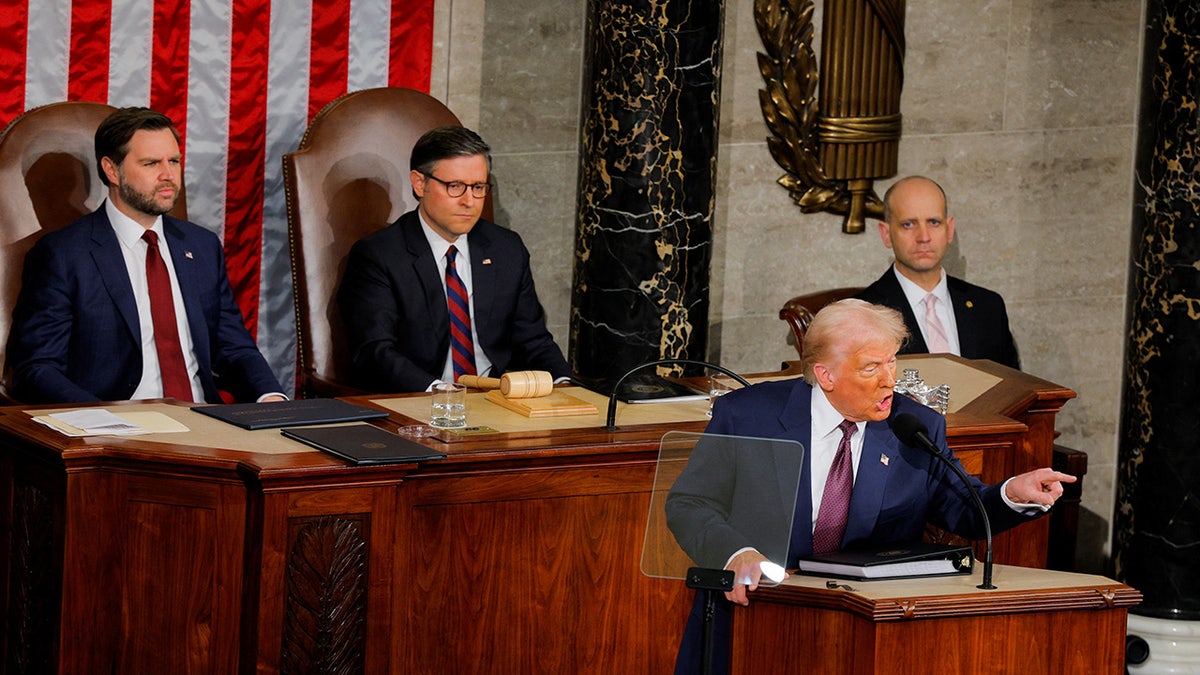
On Tuesday, voters gave Democrats more than just additional seats: they handed them one of the Constitution’s most important levers of power—the ability to decide which bills and investigations move forward in Congress, who is called to testify, and under what conditions federal money is allocated. After two years of a Republican-controlled Congress working alongside the White House, Washington is entering a period of divided government. The president will retain his veto power, but his administration can no longer count on such a favorable legislative environment.
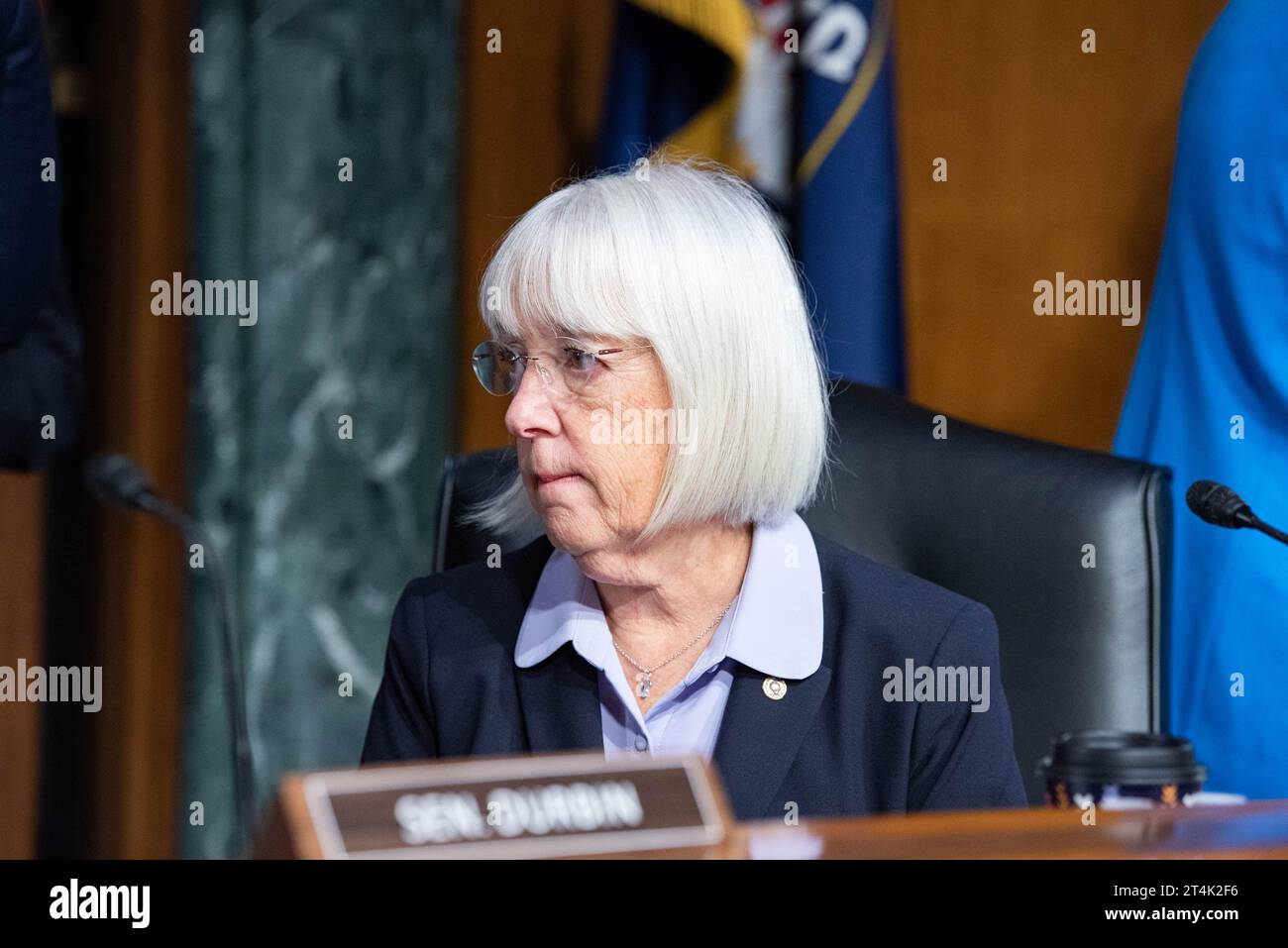
For Washington state, this means its representatives will find themselves in unusually influential positions. Patty Murray is expected to chair the Senate Appropriations Committee, which oversees virtually all federal funding, from defense to health care and transportation programs. Murray has made clear that she sees the budget not as a technical process but as a way to set limits on executive power: in her view, money cannot be allocated without understanding where it is going and whether it is being used illegally or against the public interest.
Maria Cantwell is expected to again lead the Senate Committee on Commerce, Science, and Transportation. Her top priorities are closely tied to everyday life in the state: the cost of health care, tariff policy, infrastructure and the regulation of artificial intelligence. The 2021 Infrastructure Investment Act expired in September, and Cantwell calls its renewal a rare area where a bipartisan deal is still possible. But she also intends to push for limits on the tariffs Trump has used particularly extensively, and to seek an end to the war with Iran.
In the House of Representatives, Adam Smith of Bellevue is set to play a major role and is likely to return as chair of the Armed Services Committee. For him, oversight means primarily scrutinizing Pentagon decisions and the conduct of the war in Iran—its cost, casualties and the grounds on which the administration launched military action without separate authorization from Congress. Smith has long been sharply critical of Trump’s foreign policy; now that criticism can take the form of hearings, requests for documents and public testimony from officials.
Kim Schrier, a pediatrician representing the 8th District and a member of the House Energy and Commerce Committee, links the new agenda to residents’ less headline-grabbing but more tangible concerns: insurance, treatment costs, rural hospitals and the impact of technology platforms on children. Democrats are promising to restore Affordable Care Act subsidies and revisit Medicaid cuts. Politically, this matters: the party is trying to show that keeping the administration in check need not be an end in itself, and that investigations matter only if they explain to voters why their bills are rising.
But the line between oversight and political payback will be thin. House Democrats are already preparing an expansive program of investigations into Trump’s business empire, the actions of immigration agencies, the Justice Department, the Jeffrey Epstein cases and White House initiatives. Marilyn Strickland of Tacoma, whose district includes Joint Base Lewis-McChord, said she would be willing to support impeaching Defense Secretary Pete Hegseth, but warned that the process must not turn into a media spectacle that sidelines work on the country’s real needs.
The question of impeaching Trump himself remains open. Smith says he would support it, while Murray stresses that any such process begins in the House of Representatives and should not be decided in newspaper headlines. The caution is understandable: impeachment could consume political attention for months, and removing the president would still require a two-thirds vote in the Senate. Most likely, the new Congress’s first months will focus on a less dramatic but sometimes more effective tool: oversight of the money, contracts, agencies and decisions that were previously made with little congressional resistance.

Based on: Washington Democrats in Congress prepare to wield new power against Trump