
A new report published by the office of the governor of Washington state shows a significant improvement in the situation of hospitalizing children and adolescents with mental health disorders. In recent years hundreds of young patients were forced to remain in hospital wards for weeks and months while awaiting placement in specialized facilities. Now, officials estimate, waiting times have been reduced by more than half.
Where children with the most severe symptoms, including psychosis, previously spent more than a year in hospital, that period is now about 200 days. For children with less severe disorders, the inpatient stay fell from 78 days in 2024 to roughly 30 days. These changes were made possible by a comprehensive legislative reform passed in 2023.
The law was enacted after an investigation by The Seattle Times revealed that the number of child psychiatric hospitalizations had doubled over the decade and that state insurance spending had exceeded $150 million a year. The investigation also found that children were often held in wards not equipped for long stays and were not receiving necessary therapy because no agency had clear responsibility.
A key provision of the law created the position of a care coordinator in the governor’s office, responsible for pooling resources and speeding up discharges. The law also allocated $1.2 million to help families pay for housing, transportation, and basic necessities. An important innovation was the creation of three contracted "peer counselor" positions — parents who had navigated the system themselves. Their experience is used on the coordination team to identify "blind spots" in the system, such as bureaucratic delays or service gaps, and to propose practical solutions based on real cases. The counselors act as a bridge between officials and families in crisis.
According to the report, from January 2024 through June 2025 the coordination team received an average of seven referrals per month. A quarter of all cases came from King County, due not only to its high population density but also to the concentration of medical infrastructure: Seattle Children’s Hospital and most specialized programs that receive patients from across the state are located there. This creates a "pull" effect, as families from other counties often bring children here because alternatives are lacking. In addition, diagnosis rates and help-seeking are higher in King County. After launching the family support and peer counseling program, children’s hospital stays dropped sharply. "We’re seeing encouraging results that are rarely achieved when tackling such complex issues," said Taku Minesita, head of the coordination team.
However, the system faces serious limits. Seattle Children’s remains the only facility in the state with a short-term psychiatric unit for children under 13 and for children with developmental disabilities. That’s due to the high costs of maintaining specialized staff and meeting strict safety regulations, as well as the low profitability of such services. The hospital functions as a regional hub, taking complex cases from remote areas and coordinating care with local clinics. It serves as a "last resort," without which children in acute mental health crises might end up in general hospitals or even emergency departments without appropriate treatment. According to the hospital’s vice president, Laura Knapp, although lengths of stay have decreased, "the overall number of children needing complex discharge planning remains high."
In 2024 the state took over a closed residential campus in Lake Burien and repurposed it as a transitional psychiatric facility. However, a year and a half later the state’s largest disability rights organization accused the facility of mistreatment: parents reported inappropriate touching of children, hunger, and unexplained bruises. After the ombudsman’s findings were published, the facility’s leadership was replaced.
Experts stress that building new beds, while still a priority, must be accompanied by expansion of outpatient care. Many private clinics do not accept Medicaid because reimbursement rates are too low to cover the costs of treating children with complex diagnoses. The Medicaid program is funded by federal and local budgets and sets fixed rates for services that are below market levels and do not cover the real costs of long-term therapy, around-the-clock monitoring, and expensive medications. That forces clinics to limit the number of slots or not participate in the program at all. Nearly half of the children served by the new coordination service have at least four diagnosed disorders. "The 2023 law solved the question of 'how' — how to navigate the system. Now we must solve 'where' — expand the physical capacity for treatment," Knapp summarized.
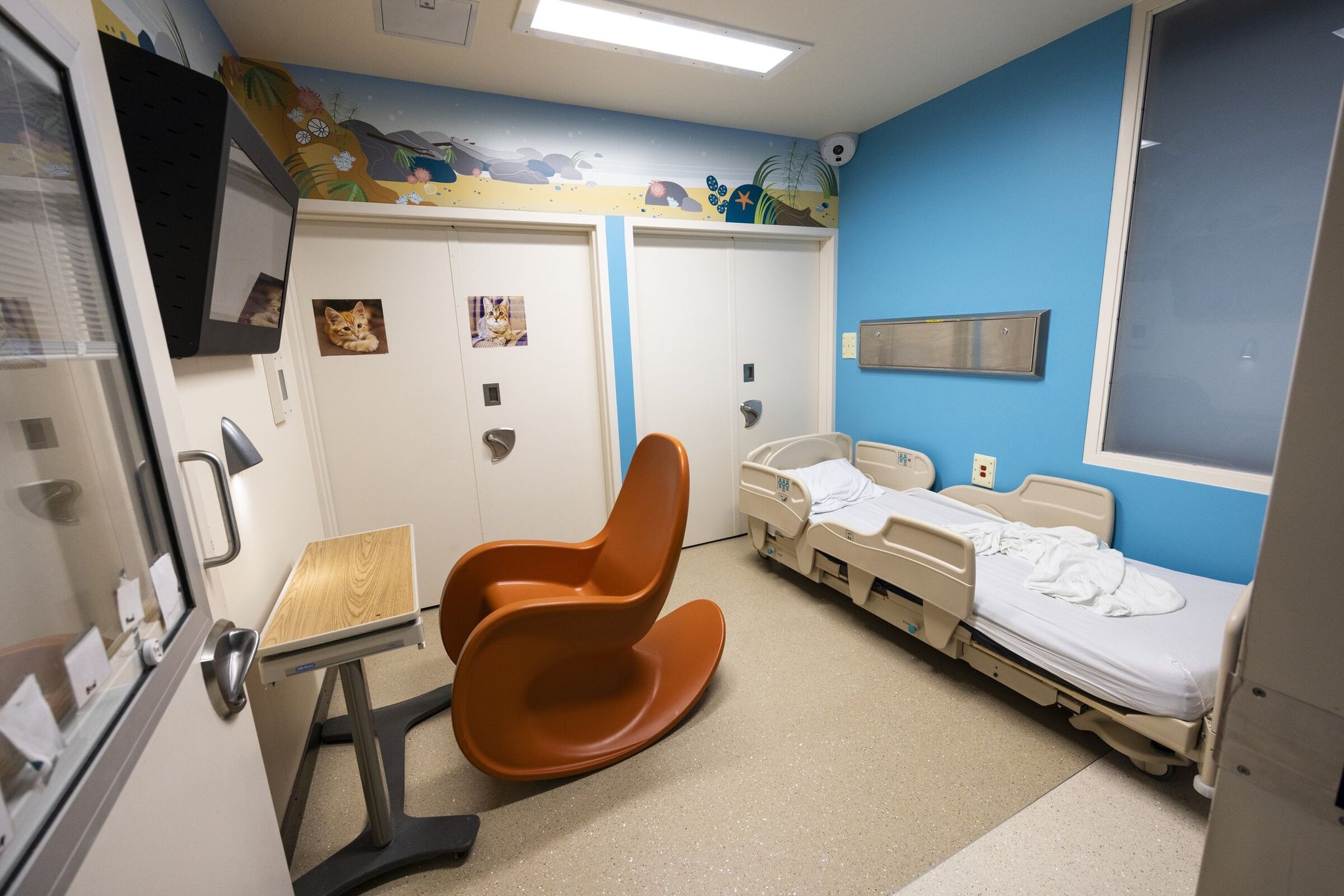
Based on: WA cuts ‘boarding’ time for young psychiatric patients stuck in hospitals