
The Washington state community and technical college system is showing a steady recovery after a sharp pandemic-era enrollment drop. While enrollment at the state’s public four-year universities — including flagship research institution the University of Washington in Seattle — remains largely unchanged, colleges are drawing more students seeking affordable education, career changes or a start right after high school. Edmonds College president Amit Singh says the pandemic disrupted the traditional link between unemployment and enrollment, but the trend has now turned positive.
This growth comes amid serious financial challenges. Over the past two budget cycles, state funding for colleges — a primary revenue source alongside tuition and local taxes — has been reduced. Tuition, which averages about $5,000 a year, mostly covers faculty salaries but not the full cost of educating a student. The state legally caps tuition increases in an effort to keep education affordable, especially for low-income students. Colleges must hire more advisors and financial aid staff, but those costs are hard to cover.
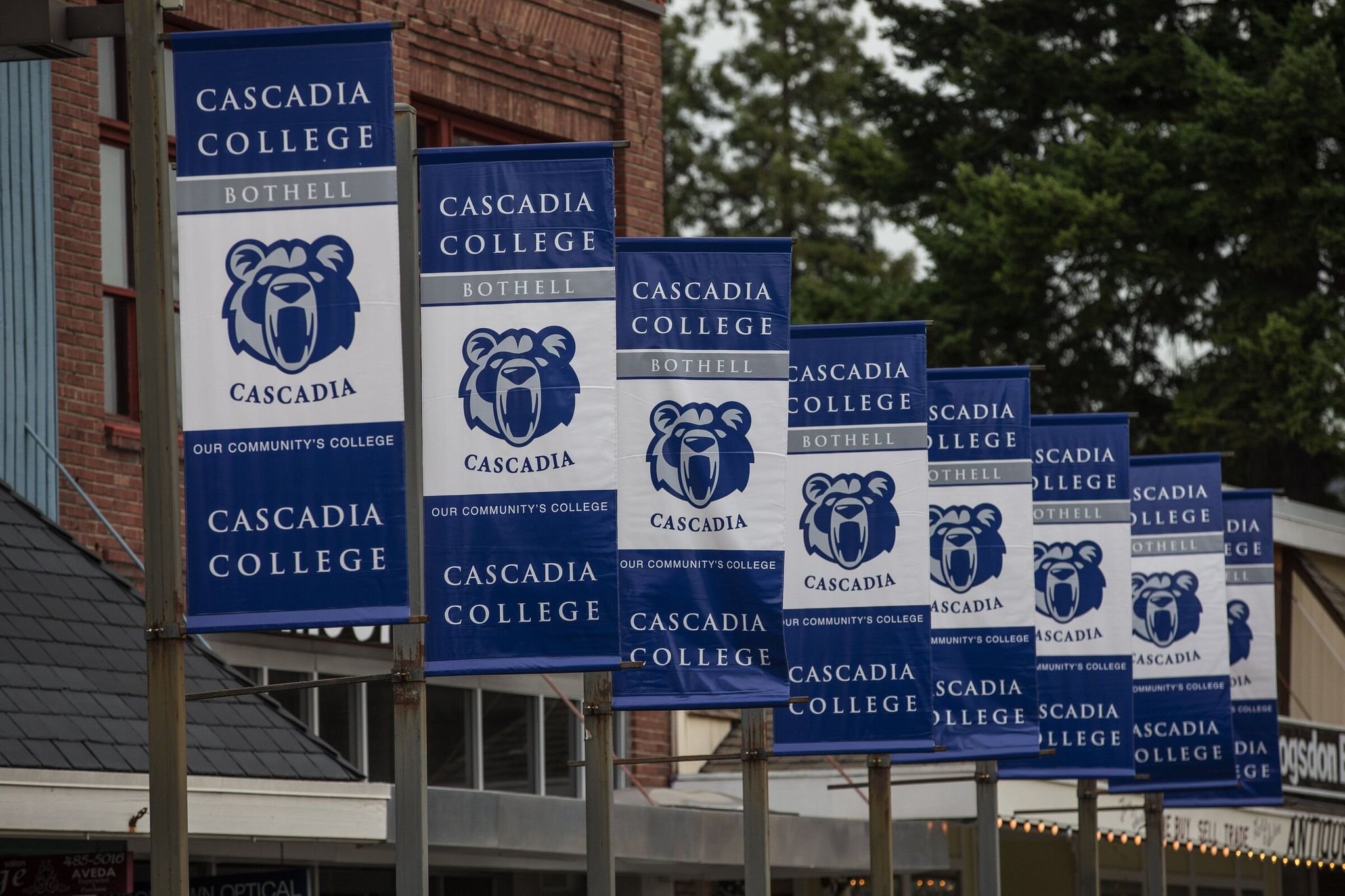
The budget crisis affects many institutions. Seattle Colleges spokesperson Barb Childs said state funding for salaries has been cut nearly every year for two decades. Cascadia College in Bothell, despite a record run of enrollment increases spanning 14 consecutive quarters, was forced to lay off 10 employees to reduce its deficit. The Center for Global Business Education at Highline College — a teaching and resource hub closely tied to Seattle’s business community through partnerships — lost state funding and now survives on private donations.
The biggest increase has been in students pursuing two-year associate degrees with the intention of transferring to a four-year university. From 2023 to 2025 their numbers rose 22%, and they now make up about a third of all students. Career-technical programs and the Running Start dual-enrollment program are also growing in popularity. Running Start allows high school students to take college courses for free, earning credits simultaneously for their high school diploma and future college degrees.
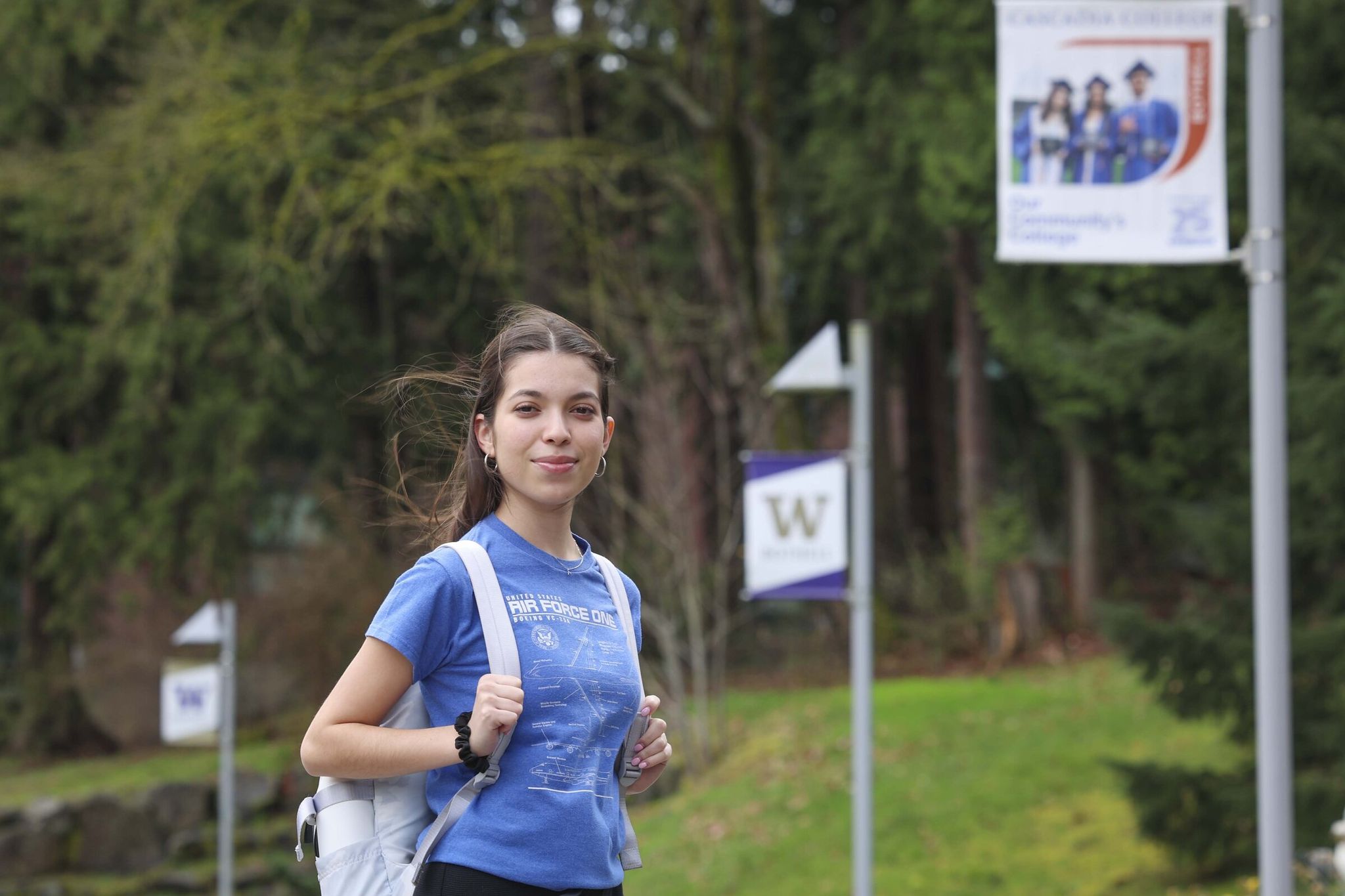
Cascadia College stands out for its emphasis on these transfer programs. About 95% of its students continue at one of the University of Washington campuses, most often UW Bothell. That campus, focused on interdisciplinary learning and accessibility, shares land with Cascadia and serves as an important bridge for many students, including those who first need to build basic skills.
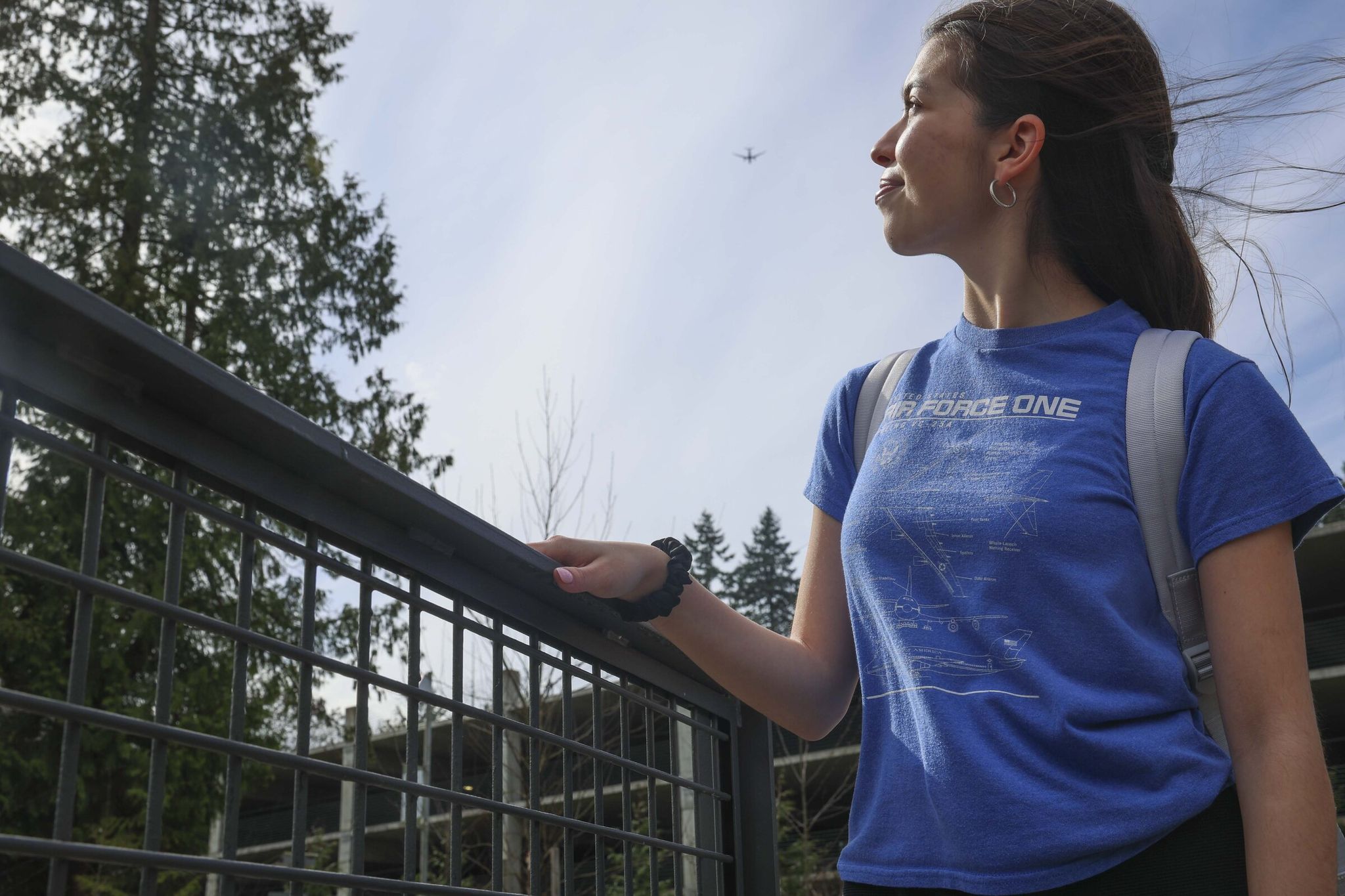
A vivid example is 19-year-old Alexandra Martinez. Born in the U.S., she attended school in Mexico where she excelled in math. Returning to pursue higher education, she realized she needed to improve her English. Enrolling at Cascadia, she took language courses and now studies aerospace engineering, planning to transfer to UW in Seattle. Her interest in the field began with a tour of the Boeing plant at age 7. Boeing, a historic aerospace leader and major regional employer, shapes the local labor market and influences demand for specialists and educational programs.
Community colleges also serve adult students returning to school. Ngia Dang, a 2009 high school graduate, left a business program but decided in 2024 to finish his education. At Highline College he was given a clear pathway to a bachelor’s in business administration in just over a year. Highline is among the few colleges awarding applied bachelor’s degrees in this field. Such degrees differ from traditional university programs by focusing on practical skills and direct preparation for specific careers.
Dang also took part in a unique weeklong study-abroad program at Highline College’s Center for Global Business Education. He and other students visited Vietnam to study global supply chains in practice, from design at Brooks Running’s Seattle headquarters to production.
Based on: What’s drawing more WA students to community colleges?