
HBO Max’s drama The Pitt, which follows a fictional trauma center in Pittsburgh, has struck a strong chord with emergency physicians and nurses in Washington state, particularly around the Seattle metro area. Many admit that after a grueling shift it’s almost unbearable to watch — the show so accurately captures the atmosphere of the emergency department and the psychological toll on staff. The second season, released in 2025, digs especially deeply into mental health issues for both patients and clinicians, sparking ongoing conversations within the profession.
Practicing physicians praised the show’s medical accuracy and its ability to portray the broader context of working in an ER. Dr. Gregory Lopez of MultiCare Auburn Medical Center, located in the suburb of Auburn about 40 km east of Seattle, said watching the show with his teenage daughters finally helped them understand what he does at work. The series skillfully highlights systemic problems: staffing shortages, a lack of available beds, and insurance hurdles that often complicate care more than the medicine itself.
At the same time, all interviewed clinicians agreed that the density of dramatic events in a single episode is heavily exaggerated for television. “You could build an entire career out of one episode,” jokes Dr. Andrew Young of Providence Swedish in Issaquah, another eastern Seattle suburb. This large private nonprofit health system, like others, is expanding into the suburbs to improve access. But the individual cases, diagnoses and clinical procedures, including mental health aspects, are portrayed with striking authenticity — almost one-to-one with real life.
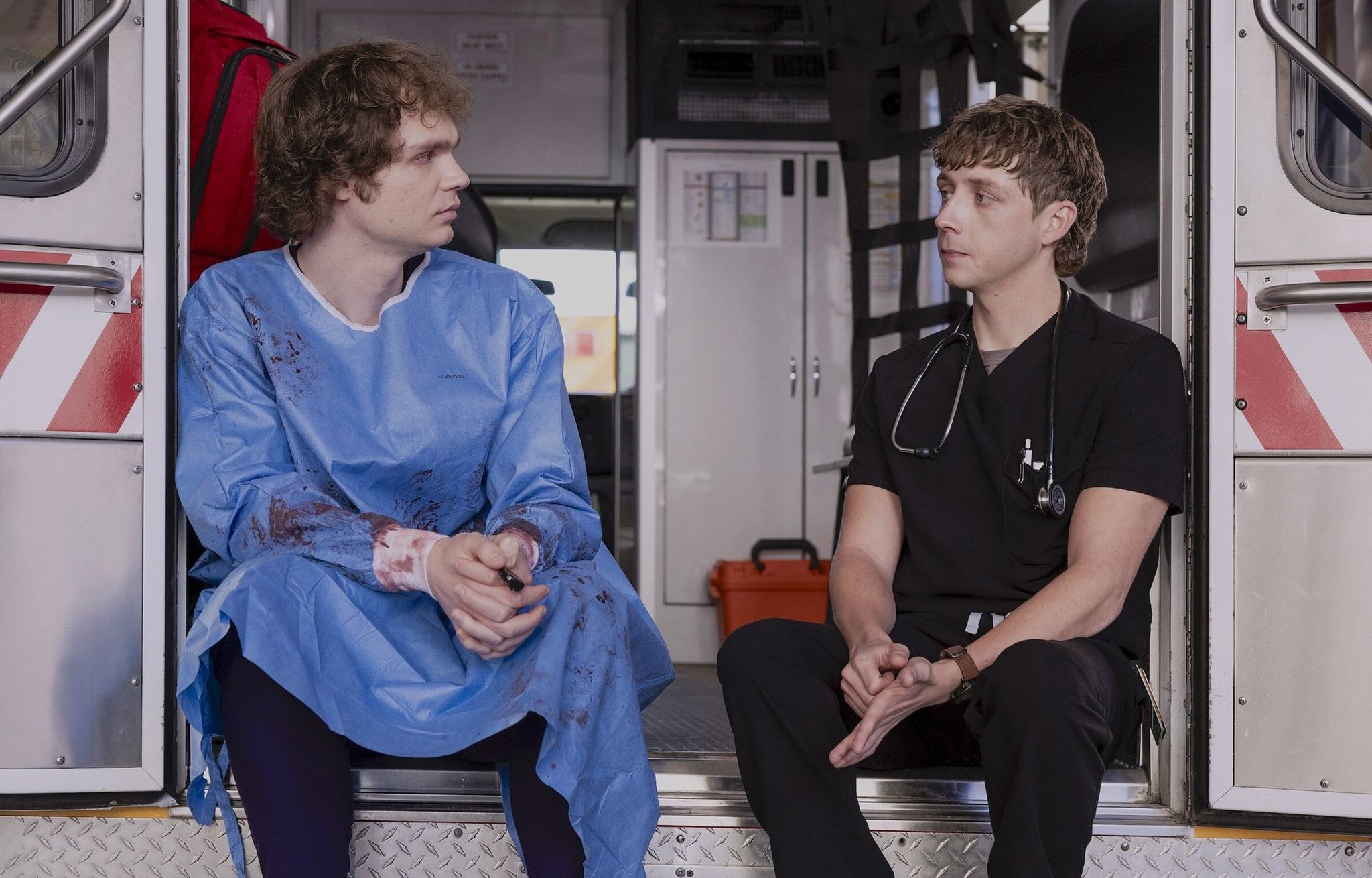
The second season gives particular attention to a storyline about a college student exhibiting signs of psychosis. Clinicians explain that in reality they first rule out substance use, metabolic or other medical causes before assigning a psychiatric diagnosis. Only after that do psychiatrists and social workers become involved to delve into the patient’s history and current stressors.
For Nick Escobar, director of emergency psychiatry at Harborview Medical Center, the scene showing the young person’s first psychotic episode felt painfully familiar. Harborview — the state’s largest public hospital in Seattle, its main trauma center and a crucial part of the emergency psychiatric system for the most complex cases — often sees these scenarios. Escobar called it a “classic story” of the onset of schizophrenia or bipolar disorder, which, sadly, occurs fairly often. A family’s first encounter with the health system in such a situation can be as dramatic and terrifying as what’s shown on screen.
Another major theme of the season is involuntary commitment. Washington clinicians note that their state laws differ from those depicted in the show, which is set in Pennsylvania. In Washington, if a clinician suspects a patient is dangerous to themselves or others, they must call a designated crisis responder rather than unilaterally initiate an evaluation order. These specially authorized professionals, often social workers or psychiatric nurses, assess the need for involuntary hospitalization and serve as a key link between the community and inpatient care. That extra step often makes the process more complicated and uncertain.
Dr. Jacqueline Chipkin, an emergency department psychiatrist at Harborview, emphasizes that such decisions always come down to “do no harm.” Involuntary hospitalization can be lifesaving if a person in psychosis is missing essential medical treatment or actively suicidal. But, as with a parent who left a child in a hot car, clinicians frequently face “gray areas” where the right decision is not obvious and requires deep conversation with the patient.
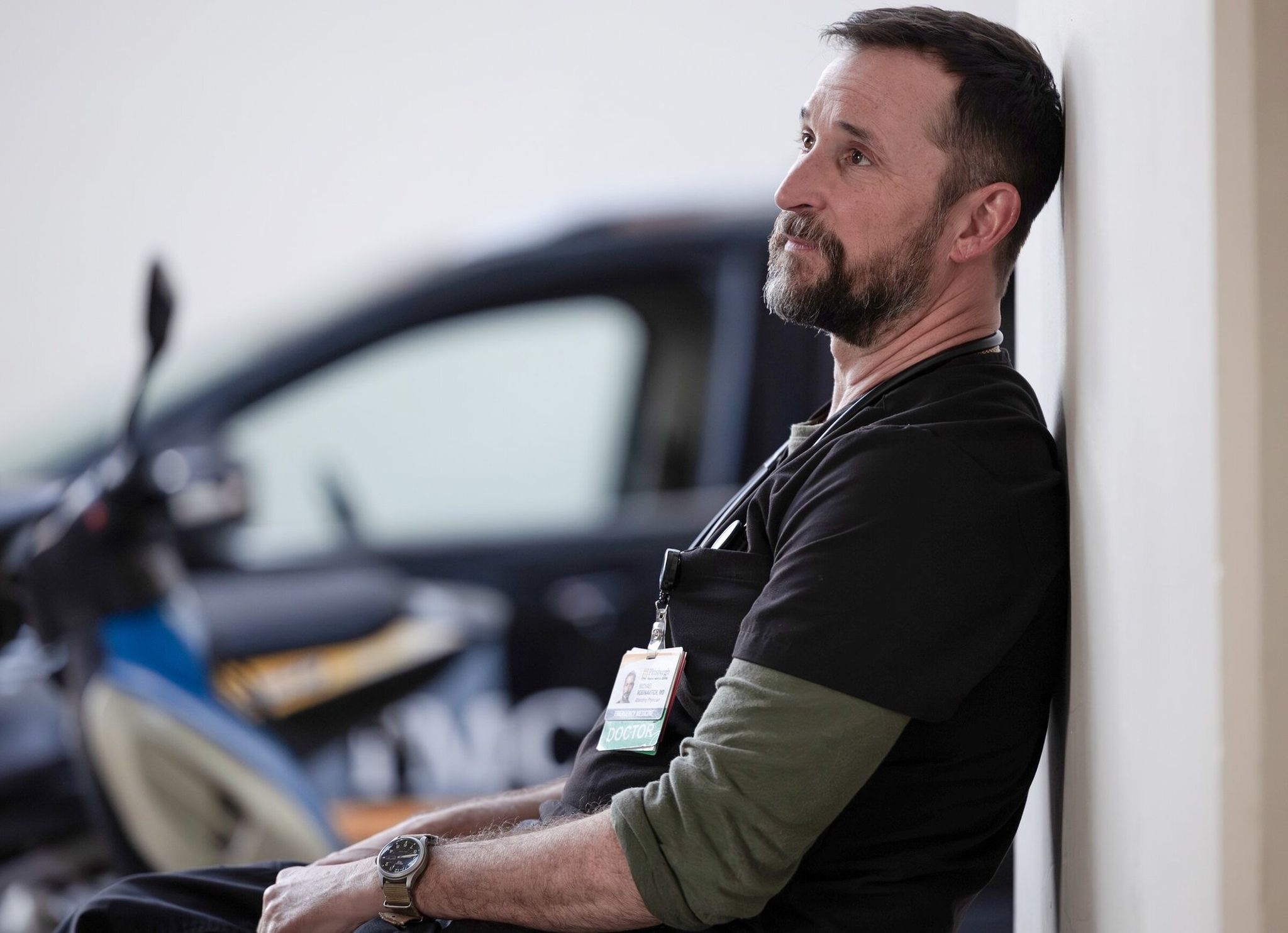
The portrayal of professional burnout, suicidal ideation and substance problems among clinicians also resonated deeply. Doctors appreciate that the series does not shy away from the psychological cost of a long career in emergency medicine. Dr. Young notes the show effectively depicts burnout at multiple levels: from the lead character Robbie, who after 30 years on the job is teetering on the edge, to novice residents and a colleague developing an addiction.
Experts stress that burnout is often driven not only by individual traumatic cases but by a sense of helplessness in the face of a broken system. Dr. Lucy Goodson of Providence Swedish in Redmond, another eastern Seattle suburb, says burnout can manifest as cynicism or a feeling that one’s work doesn’t change the larger system where one has little control. Persistent barriers to follow-up care or inpatient beds for patients with mental illness exacerbate this. In Washington, as in many places, there is a chronic shortage of psychiatric beds, causing patients to wait long periods in emergency departments and often face gaps in outpatient support and rehabilitation after discharge, which leads to recurrent crises.
Despite the many difficulties and systemic problems, clinicians remain committed to their profession because of a deep sense of purpose and meaningful connections with patients. They were moved by how the series shows medical staff helping people through the worst days of their lives, while also finding moments of camaraderie and personal growth. The burden in the system is unevenly distributed: public safety-net hospitals like Harborview take everyone regardless of insurance and carry a heavy load of socially vulnerable and complex cases, while private systems such as Providence Swedish complement them by providing urgent and scheduled care. For many, preventing burnout is an ongoing effort amid these systemic challenges.
Based on: What WA doctors think about how ‘The Pitt’ portrays mental health