
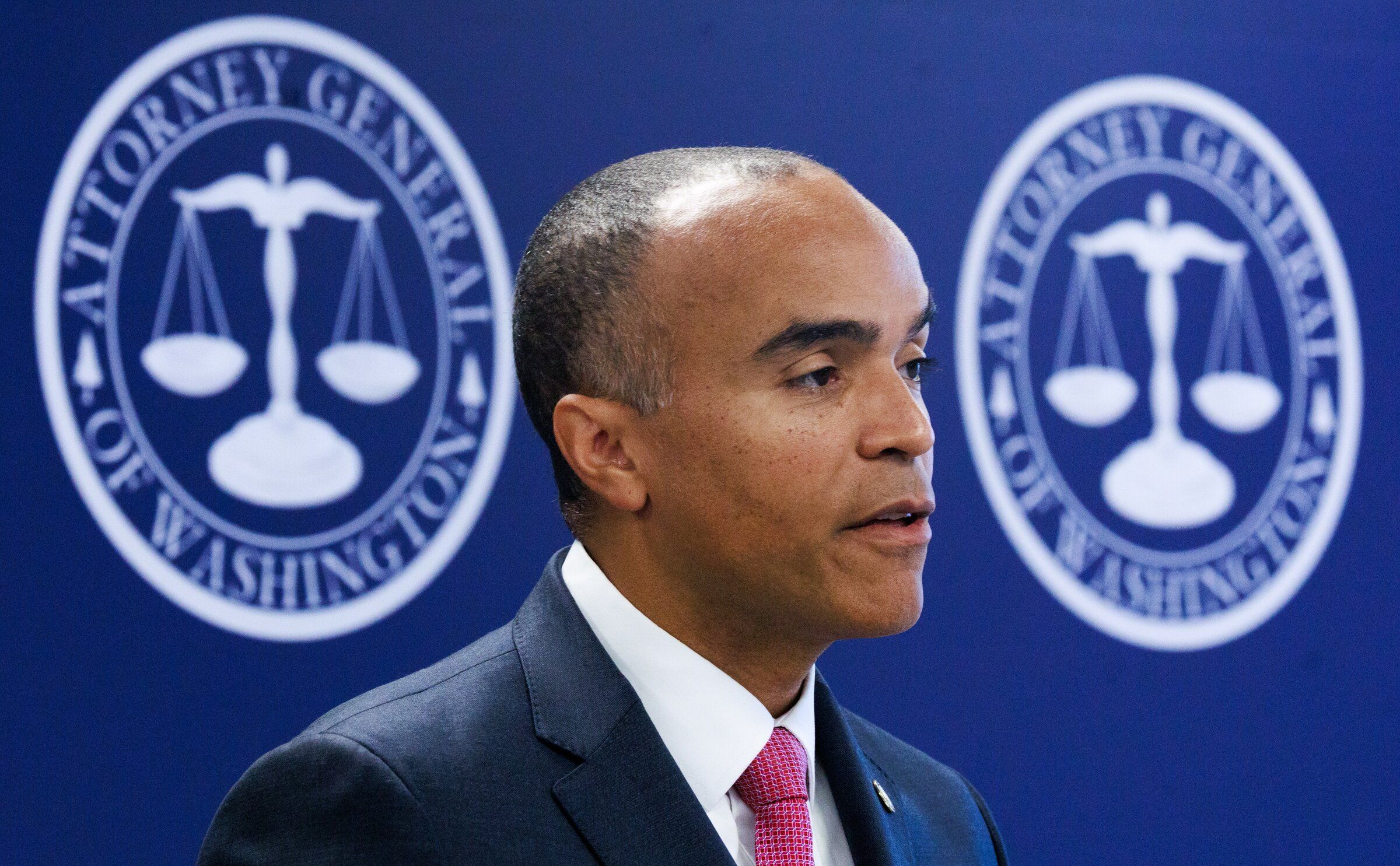
On Monday, Washington state, King County and the city of Seattle sued the U.S. Department of Housing and Urban Development (HUD). The plaintiffs say a new federal rule could strip hundreds of families in the state of housing assistance and lead to the eviction of tens of thousands of households nationwide, increasing pressure on local services.
The rule, set to take effect Dec. 14, ends assistance to households if even one member lacks an eligible immigration status. Currently, families with mixed immigration statuses can receive reduced assistance: for example, if one of three household members is ineligible, benefits are calculated for only two. According to the Center on Budget and Policy Priorities, 600 households in Washington could lose assistance entirely, while more than 82,000 will have to provide new documents to confirm their eligibility.
Many local housing assistance programs are administered by Seattle and King County agencies. For voucher programs, they verify income and household size, determine the benefit amount and pay part of the rent to the landlord, while the family pays a set share of its income. The Seattle Housing Authority serves the city, while the King County Housing Authority serves many areas beyond its limits. But local administration does not mean independence from federal rules: HUD funds a significant share of the vouchers. Local governments can also launch programs using city, county and state funds.
State officials say HUD lacks the authority to impose these restrictions and that mass evictions would increase spending on emergency housing, homelessness services and legal assistance for tenants. Opponents of the rule warn that families will have to choose between separating and losing their homes. According to a research center, nearly 37,000 children nationwide are at risk, most of them U.S. citizens. In Seattle and King County, about 130 families with mixed immigration statuses receive assistance, along with several dozen more in the city.
Tenants facing eviction or the loss of their homes can seek help from programs including King County Eviction Prevention and Rental Assistance, as well as legal services provided by the Housing Justice Project and Northwest Justice Project. Community organizations also offer rental assistance, advice and referrals to shelters. Eligibility and available support depend on the specific program; funding comes from county and city budgets, state funds, federal grants and contracts, and donations. Emergency assistance is limited and not guaranteed to every applicant.
HUD is defending the change, saying federally funded housing should be available only to U.S. citizens and certain categories of immigrants who qualify for assistance. The rule will require people to verify their status, including through a federal database; if citizenship cannot be confirmed automatically, residents will have to provide documents such as a birth certificate or passport. The plaintiffs say it may be difficult for low-income people and older residents to obtain these documents.
Seattle and King County housing agencies said they support housing stability and will contact affected families. Residents are expected to be notified by January and will need to submit documents by March.
Based on: WA sues over HUD housing rule targeting immigrant households