
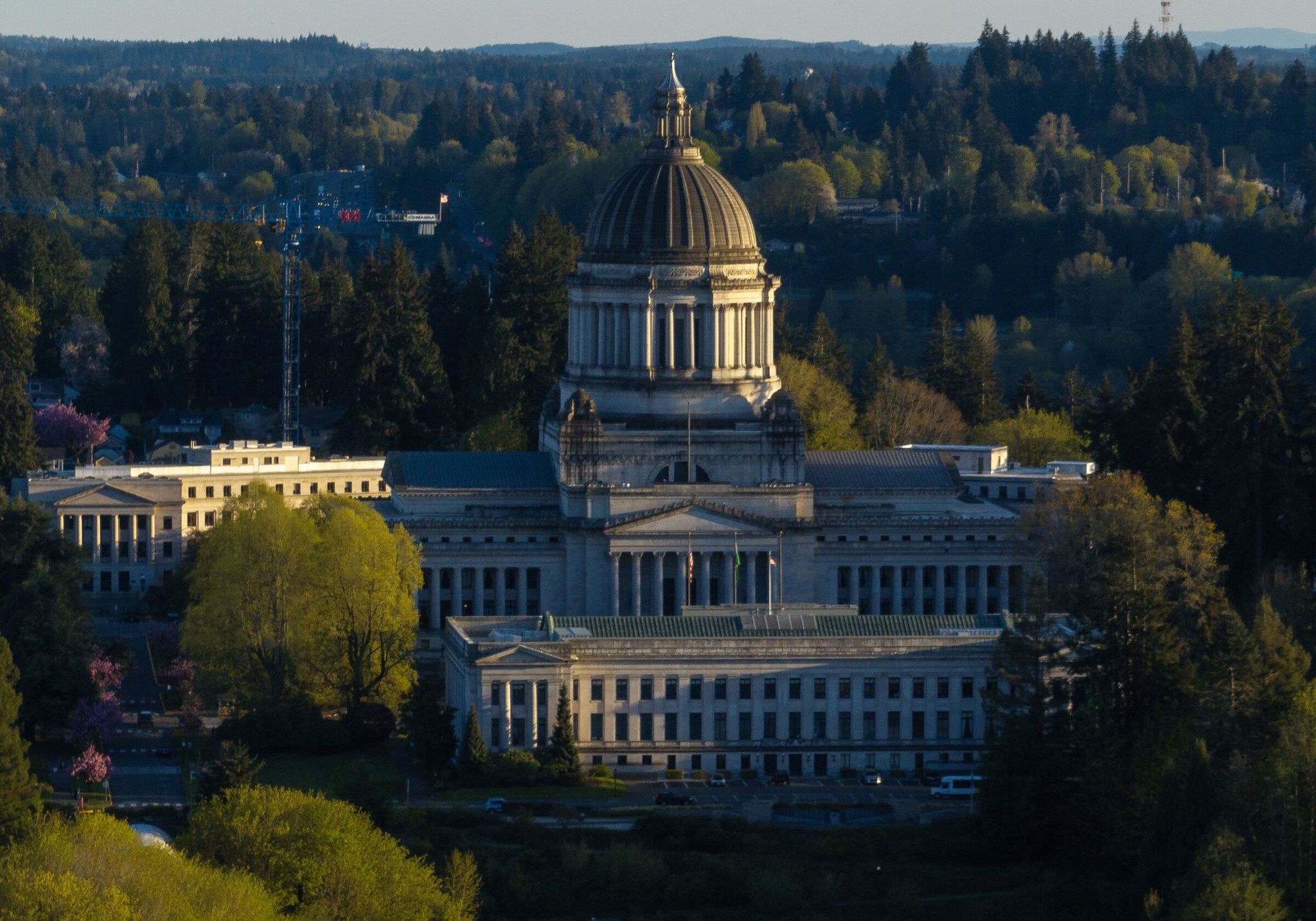
Projected revenues for the state of Washington have increased by more than $1.8 billion since November, giving lawmakers a small reprieve as they finalize an supplemental budget. But it doesn't solve the core problem: the state still faces a multibillion-dollar shortfall. Under the latest estimates, total revenues for the two-year 2025–2027 budget cycle will be $75.3 billion, $827 million higher than the November forecast. While the overall increase is spread across three budget periods, that $827 million directly affects the current operating budget now under discussion.
Despite the improved forecast, the current biennial budget still shows a deficit of roughly $2.3 billion. That gap is driven by rising spending on social programs, the cost of honoring collective bargaining agreements and inflationary pressure that makes maintaining existing state services more expensive than available revenues. Officials attribute the forecast improvement to higher-than-expected growth in personal income, steady employment and increased taxable retail sales.
Lawmakers greeted the new forecast as a “net positive” amid budgetary strain. It allows them to revisit some of the most painful proposed cuts and to bolster reserves. Governor Bob Ferguson has previously warned that closing the budget gap will require a mix of spending cuts and other adjustments, while avoiding a blanket tax increase.
The plan the governor proposed in December included using the state’s rainy-day fund, about $800 million in spending reductions, and redirecting nearly $560 million from revenues generated by the Climate Commitment Act toward tax credits for low- and middle-income families. That law establishes a “cap-and-invest” system under which major polluters buy permits to emit carbon; the billions raised have traditionally been invested in emission-reduction projects such as electric vehicle infrastructure and public transit. Redirecting those funds into the general fund is therefore contentious because it breaks the original promise to use them strictly for climate action and could slow the transition to a green economy. The plan drew criticism from social-program advocates and some Democratic lawmakers, particularly over potential cuts to early childhood education, higher education and school districts.
To address the budget’s long-term structural issues, leaders of the Democratic majority are considering revenue increases. The Senate has already approved a bill to create a new income tax on individuals earning more than $1 million a year. That would be a significant move in a state that historically has not had a progressive income tax because of constitutional constraints and strong business influence, relying instead on a regressive sales tax. Any revenue from this tax—an effort to work around the constitutional barrier and create a fairer system—would not materialize for several years, and the initiative could face lawsuits or a referendum.
The legislative session must adjourn by March 12, leaving budget committees very little time to determine whether the new fiscal picture will soften planned cuts or whether deeper fiscal changes are inevitable. House and Senate budget proposals are expected in the coming days. As the speaker put it, lawmakers face a real “sprint” to the finish—a short, 60-day supplemental session to adjust the budget. To act quickly before the deadline, typical procedures include closed leader negotiations, limiting public hearings and voting on package amendments to avoid prolonged debate.
Based on: WA revenue gains offer hope, but budget pressures continue