
The Washington State Department of Ecology, the state's leading environmental agency, is ahead of schedule in merging its recently launched carbon cap-and-trade system with the older markets in California and the Canadian province of Quebec. A draft agreement to merge the three markets was prepared six weeks ahead of the planned deadline. This is an important step at a time when the federal U.S. government has rolled back many climate initiatives.
The market integration will allow the three jurisdictions to reduce greenhouse gas emissions more effectively in the coming years. A larger and more stable market will give companies buying allowances greater confidence and incentives to shift away from fossil fuels. Ideally, this could also lead to lower costs for consumers, though the connection is not always straightforward.
The initiative is especially relevant against the backdrop of the Trump administration's actions, which cut science funding, repealed several federal climate rules and limited states' abilities to address emissions on their own. As a result, regional authorities are taking matters into their own hands.
Washington's allowance market was created under the Climate Commitment Act of 2021. The largest polluters are required to buy emissions permits at regular auctions. To date the system has already generated more than $4.7 billion for the state's climate fund. Those funds are going to projects for electrifying vehicles and related infrastructure, building energy efficiency, forest and wetland protection, and assistance to vulnerable communities. Signature regional initiatives include a program to electrify the largest ferry fleet in the U.S., investments in public transit such as Seattle’s Sound Transit system, and projects to restore salmon populations that hold immense cultural and ecological significance for the Pacific Northwest.
After its launch in 2023, allowance prices were highly volatile, prompting authorities to hold emergency auctions. Companies passed some of the increased costs on to consumers. However, the market has since stabilized, and an attempt to repeal the Climate Commitment Act failed in a November 2024 referendum. The referendum had been initiated by opponents of the law who argued it raised gasoline and heating costs, creating a financial burden for families and businesses. Supporters insisted the law was necessary to combat climate change, invest in clean energy and create "green" jobs. The supporters' victory reflects the strong influence of environmental advocates and the liberal electorate in densely populated areas like King County and Seattle, but it also shows persistent resistance in rural and industrial parts of the state.
Governor Bob Ferguson recently proposed transferring $559 million from the climate fund to tax relief for families, sparking controversy. Critics point out that these funds are critically important in light of federal cuts. Moreover, the fund's revenues will decline in the future as the number of allowances sold is gradually reduced.
The system was originally designed to "close" over time as emissions fall. Market integration will likely further depress allowance prices and, accordingly, budget revenues. However, the combined market of the three regions could create positive momentum and attract other states, such as New York and Oregon. Oregon, although sharing many environmental goals, is holding back for now because of internal political disagreements, concerns about potential cost increases for businesses and households, and a desire to first evaluate the results and impacts of Washington’s program.
A public comment period must take place before the agreement is officially adopted, running through May 1. If no major revisions are required, the unified market could begin operating as soon as next year. Officials are confident that, despite the Trump administration’s opposition to some "green" projects, the federal government will not be able to block this process because the state law has already withstood numerous legal challenges.
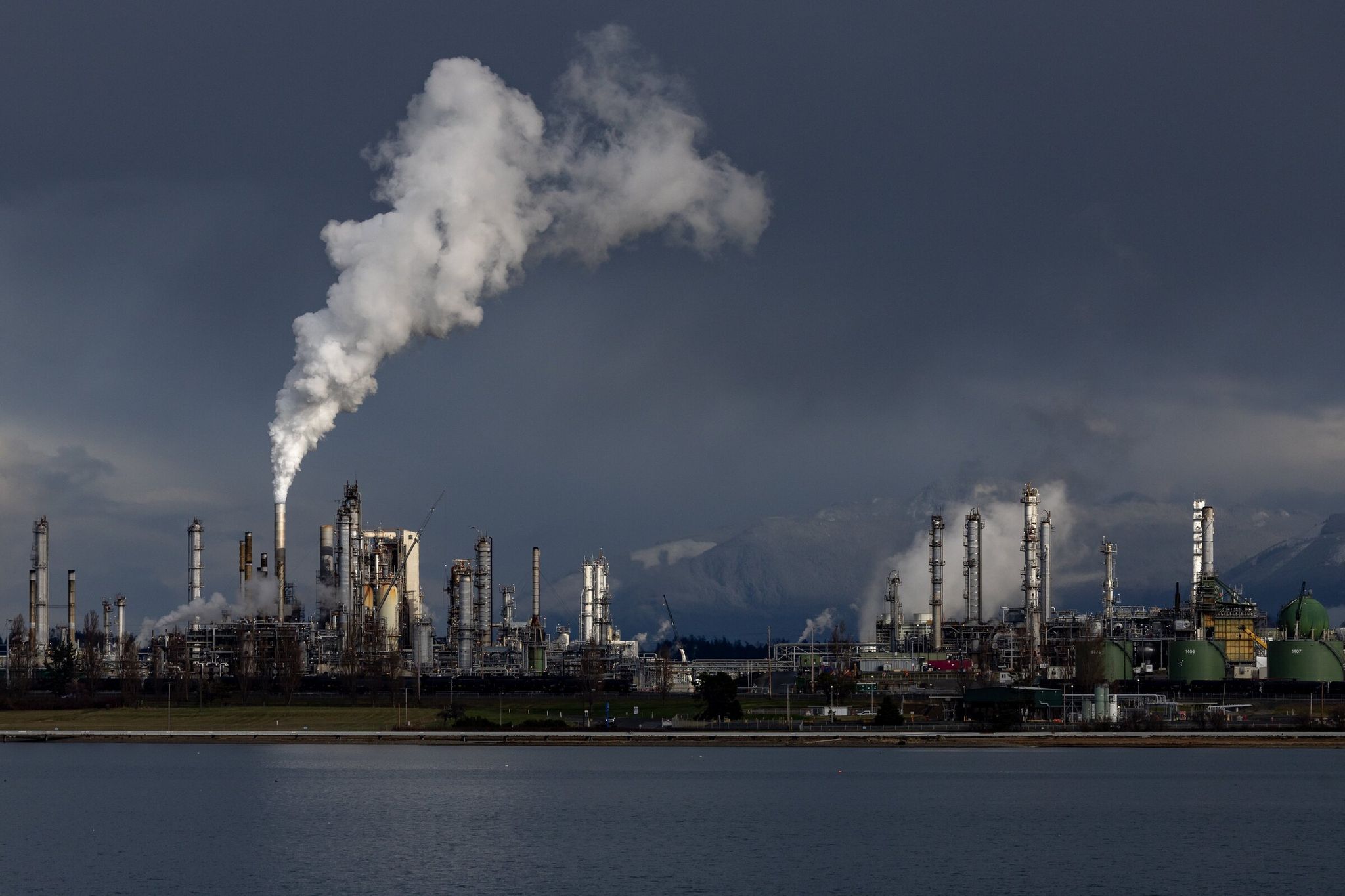
Based on: WA aims to stabilize carbon market, lower costs with key strategy