
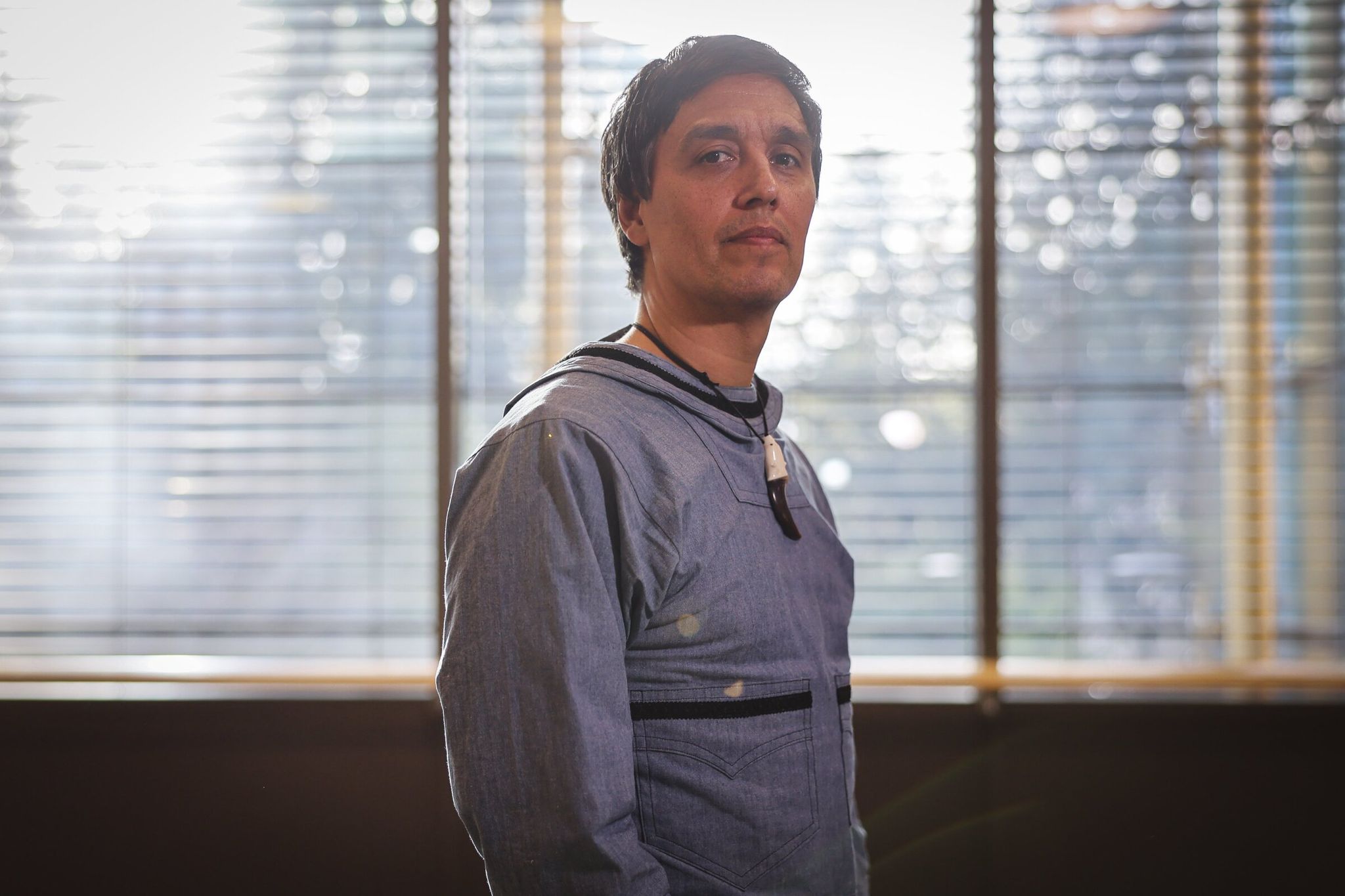
Simon Linge, a musician from Greenland who has lived in Washington state for nearly twenty years, unexpectedly became an unofficial ambassador for his homeland in the U.S. That happened after repeated statements by former and current U.S. President Donald Trump about a possible annexation of Greenland. Linge, who holds U.S., Danish and Greenlandic citizenship, found himself in a unique position, watching these threats frighten his relatives on the distant island and confound many Americans. In Washington state itself, where he lives, there is no significant Greenlandic diaspora — the Greenlandic community in the U.S. is overall very small and largely concentrated in Denmark — so there has been virtually no public reaction from a local diaspora.
Tensions began back in 2019, when Trump first expressed interest in buying the autonomous Danish territory. After his re-election in 2024 the rhetoric hardened: he called control of Greenland "an absolute necessity," not ruling out the use of military force to confront China and Russia. In response, Greenland’s prime minister said the island "is not for sale."
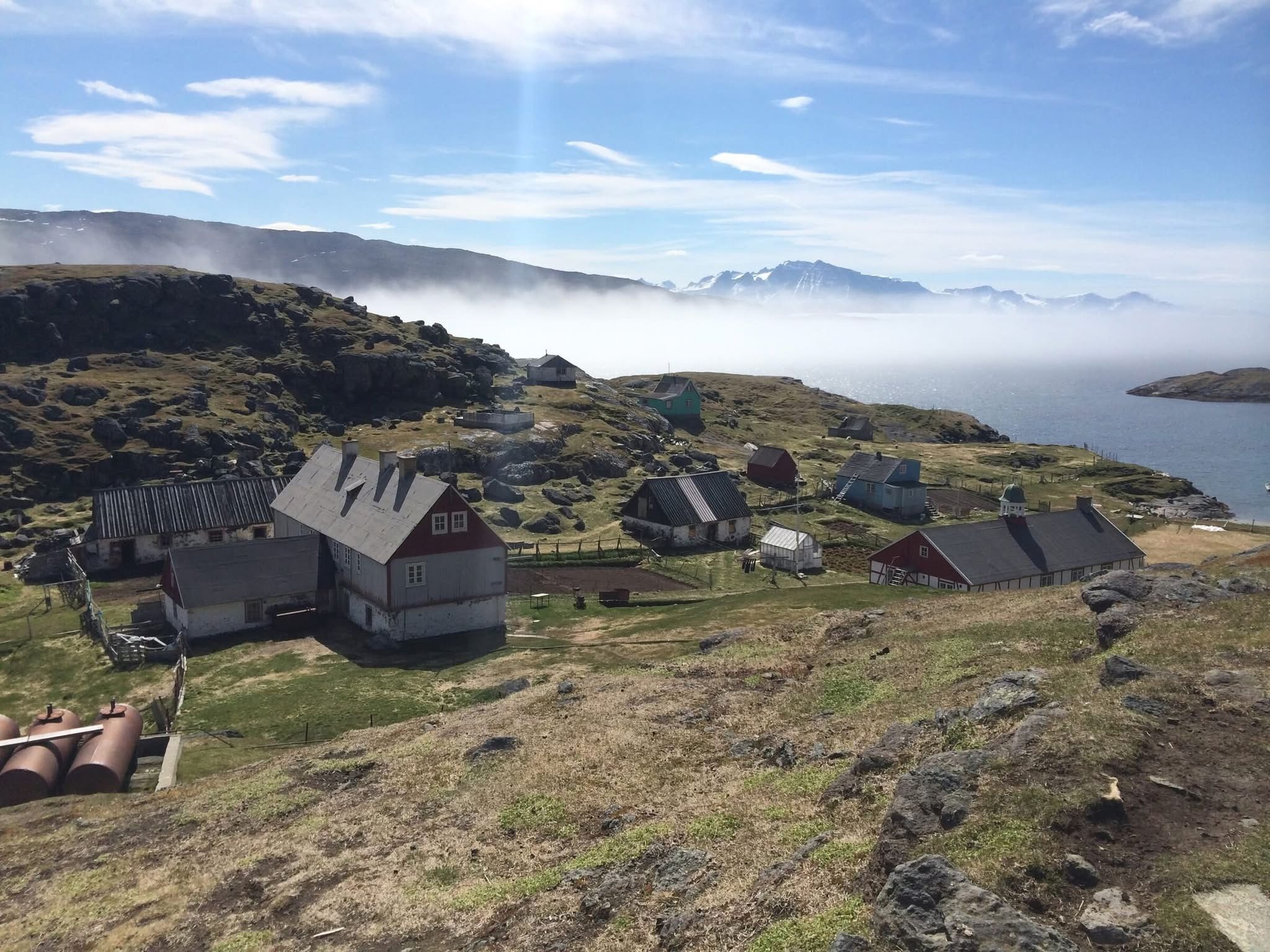
These threats already have real consequences. According to Linge, his relatives and friends in Greenland are terrified by the prospect of military invasion. People are buying guns and ammunition, making evacuation plans. Foreign troops and warships can be seen in and around the capital Nuuk and its fjords — unprecedented activity for a peaceful territory.
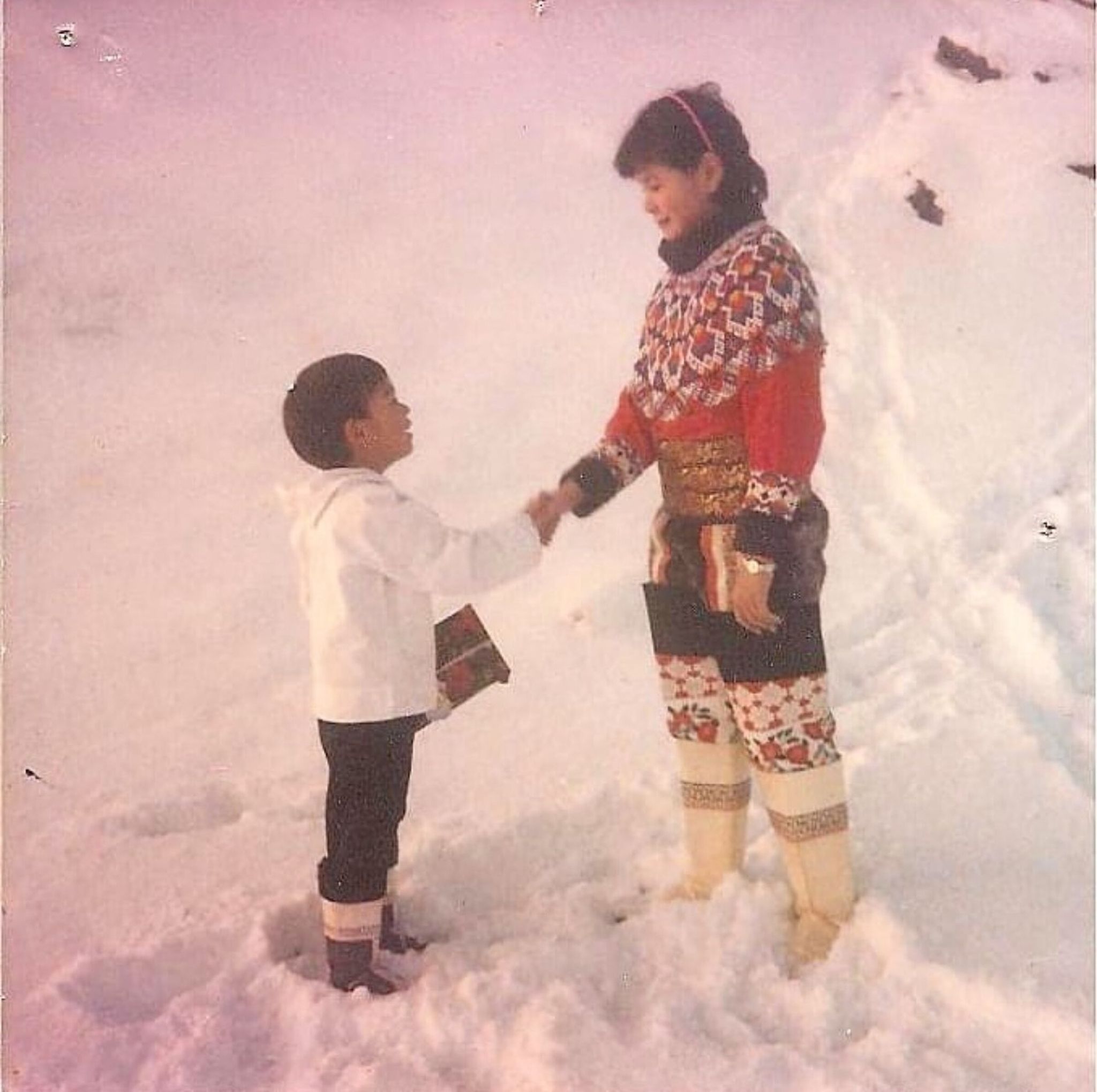
Linge, who was raised in a hunting-and-fishing culture, fears most not bloodshed but cultural erosion. He worries that American annexation, even if peaceful, would trample Greenland’s unique values rooted in a close relationship with nature and communal spirit. He embodies that culture, recalling how at six he took his first seal. His emphasis on Greenland’s sovereignty, Indigenous rights and environmental threats resonates in Washington state’s progressive, environmentally minded climate, aligning with the values of many residents, especially climate and social-justice activists. That gives him an attentive audience and potential support from local groups, though there is no official backing from state authorities.
Experts link growing interest in Greenland to global warming. Melting ice opens new shipping routes and makes rich mineral deposits accessible, sharply increasing the island’s strategic and economic value. But Linge suspects another factor matters to Trump — Greenland’s impressive size on maps, which flatters his personal ambitions.
At first many Americans took Trump’s threats as a joke, but perceptions are changing. Linge increasingly hears apologies even from strangers when he says he’s from Greenland. He speaks about the issue actively on social media, feeling responsible as a public figure connected to the small Greenlandic community whose leaders he knows personally. Academic circles, environmental activists and organizations supporting Indigenous rights, such as the Seattle Indian Health Board and the Daybreak Star Indian Cultural Center, have shown interest in his position. Although formal partnerships aren’t publicized, his statements likely draw attention from these organizations.
The crisis has negatively affected the musician’s creativity, pushing it into the background. It has also complicated already difficult discussions about Greenland’s colonial past and its pursuit of greater independence from Denmark. Ultimately, while experiencing this stress personally, Simon Linge expresses one simple hope: that Greenland be left alone and allowed to determine its own destiny.
Based on: What a Greenlander in WA thinks about Trump’s threats