
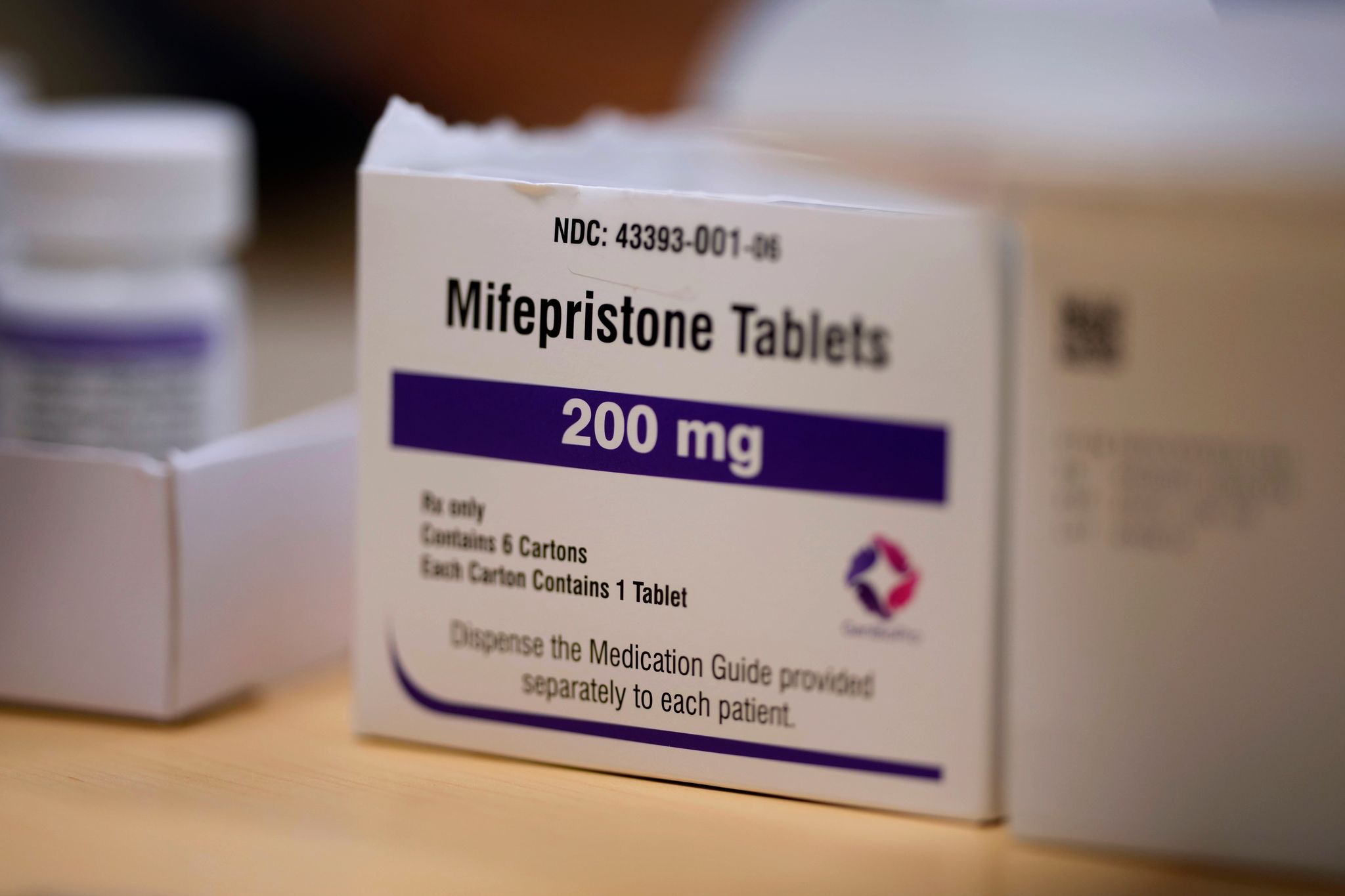
The U.S. Supreme Court on Monday temporarily reinstated unrestricted access to mifepristone — one of the main drugs used for medication abortion. The order overturns a lower appellate court ruling that last week imposed new limits on the pills’ use, including banning their distribution through pharmacies or by mail without an in-person physician visit.
Justice Samuel Alito signed the order, allowing women to continue receiving mifepristone via telemedicine, by mail and in pharmacies, as has been allowed in recent years. The temporary stay, however, lasts only one week, during which the parties must present their arguments and the Court will decide how to proceed.
Most abortions in the U.S. today are performed with pills rather than surgical procedures. Since the overturning of Roe v. Wade in 2022, when the Supreme Court let states set their own abortion laws, many conservative states have enacted strict bans. Telemedicine and mail delivery have helped women circumvent those restrictions — in 13 states with total abortion bans, the number of women obtaining pills remotely even exceeded the number who traveled to other states for procedures.
The lawsuit against the Food and Drug Administration (FDA) was brought by Louisiana — a state where abortion is completely banned and performing one is a criminal offense, with an exception only to save the life of the mother. Louisiana authorities argue that federal rules allowing telemedicine distribution of mifepristone undermine the local ban. They also challenge the drug’s safety, even though the FDA confirmed its effectiveness and safety more than 25 years ago.
Opposing this position is the state of Washington, which has some of the most liberal abortion laws in the U.S.: abortions are legal up to fetal viability, and the state funds them. In Washington, telemedicine and medication delivery for abortions are permitted. Moreover, the state has so-called “shield laws” that protect clinicians who prescribe pills remotely and patients who receive them by mail from prosecution by other states. Those laws bar Washington authorities from assisting external investigations into abortion cases. Major organizations providing support to women in Seattle and Washington state include Northwest Abortion Access Fund (financial aid and logistics), Planned Parenthood of the Great Northwest (clinics and counseling), Cedar River Clinics (medical services), and Pro-Choice Washington (advocacy and information).
The second medication for medical abortion — misoprostol — can be used alone, though its effectiveness is lower (about 80%) compared with the combination regimen (97.4%). In countries where mifepristone is unavailable, misoprostol is used by itself. Some groups offering telemedicine abortions had already switched to that option when restrictions were imposed, but have since returned to the two-drug regimen. If the FDA restores the old limits that would restrict mifepristone dispensing to clinics only, it would create logistical difficulties for patients outside major cities, even in protective states like Washington. However, Washington’s local laws would remain in effect, and clinics there could offer surgical abortions or alternative misoprostol-only regimens.
Rapid shifts in court rulings have caused confusion among patients. Dr. Angel Foster, founder of an abortion access project in Massachusetts, said her organization spent the weekend advising different groups of women: those who had already received mifepristone, those who had not yet paid for an order, and those who had just reached out. They are now asking everyone to consent to receiving pills both with and without mifepristone — in case of further changes.
Attorney Elizabeth Ling of the organization If/When/How, which provides legal assistance to women, emphasized that despite the legal disputes, no law imposes penalties on women who have abortions. “The outcome of this case will not make receiving care a crime,” she added. Anti-abortion groups, including the National Right to Life Committee, have vowed to continue fighting, calling the Supreme Court’s decision temporary and not resolving safety concerns.
Louisiana Attorney General Liz Murrill criticized pharmaceutical companies, saying they “want to kill more children by mail without medical supervision.” She expressed confidence that “life and the law will ultimately prevail.” Thus, the dispute over mifepristone is far from over: while the temporary court order gives women a week of respite, the drug’s final fate remains uncertain.
Based on: Supreme Court restores access to abortion pill mifepristone through telehealth, mail and pharmacies