
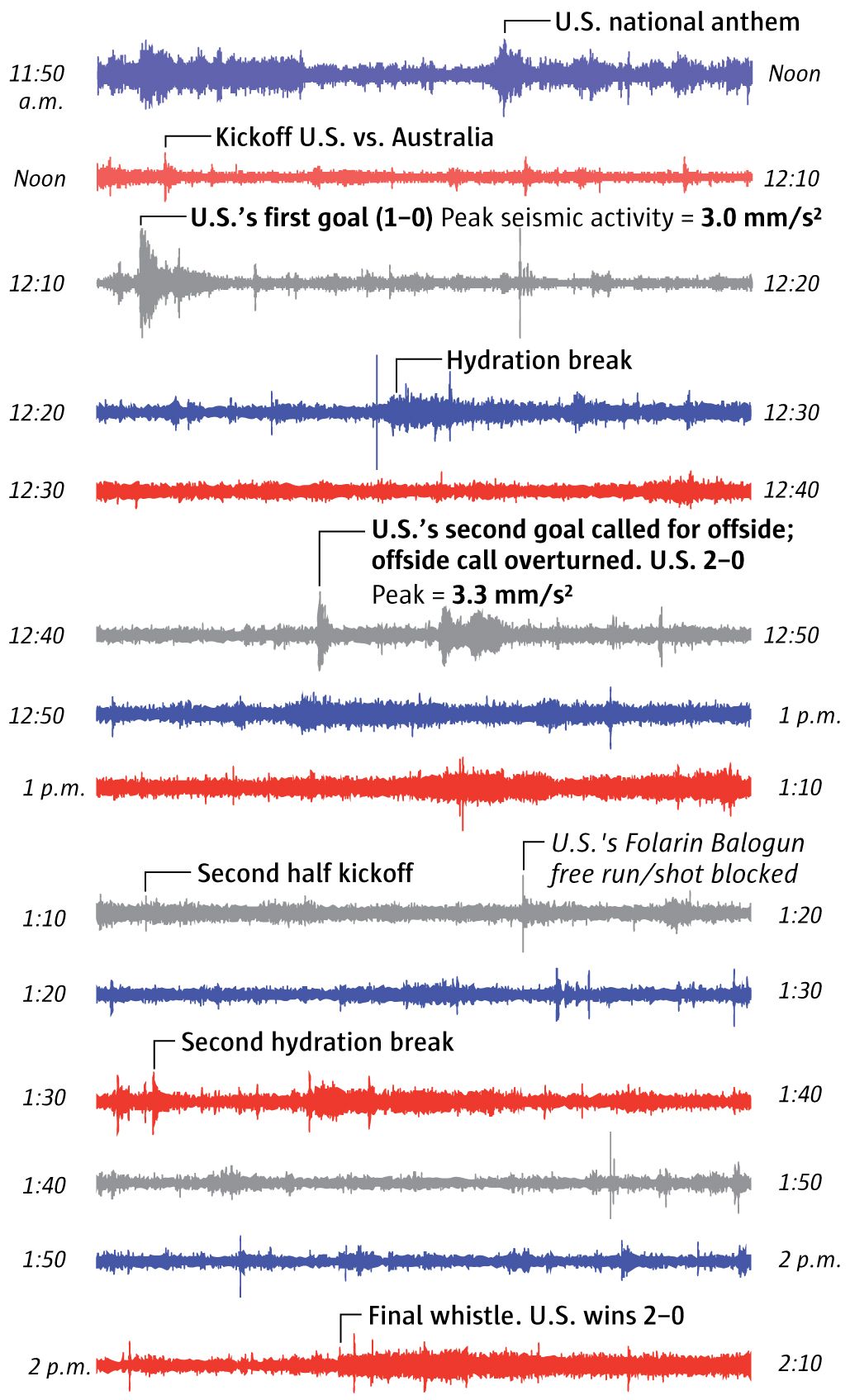
Nearly 67,000 fans at Lumen Field in Seattle turned the World Cup match between the United States and Australia into a full-blown commotion. Their shouts, applause and jumping were so powerful that they produced noticeable seismic vibrations, recorded by instruments from the Pacific Northwest Seismic Network (PNSN). The ground shook especially after the U.S. women’s second goal—an instant that set records for the stadium’s seismic activity.
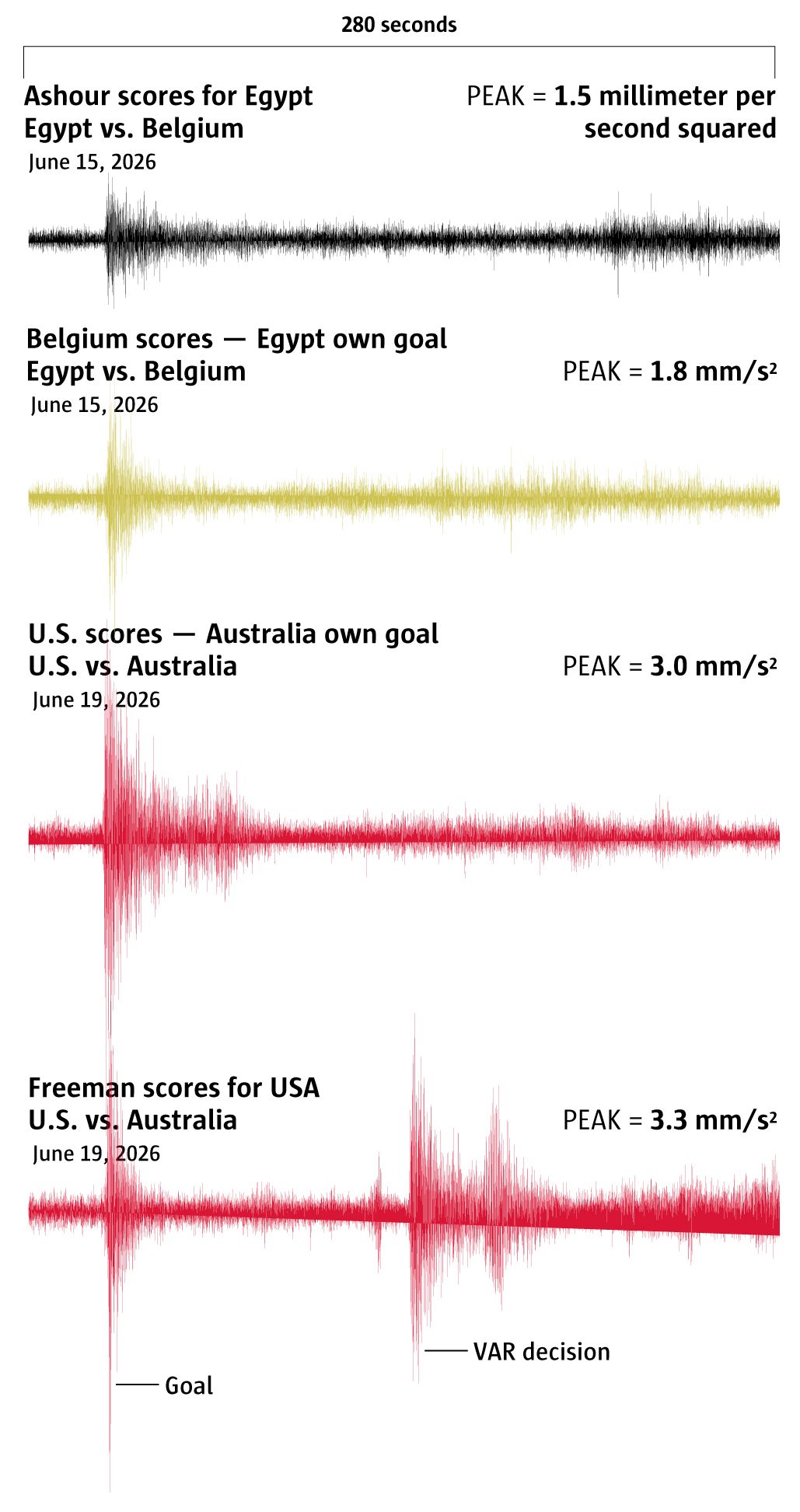
The key moment was a goal by defender Alex Freeman, which was initially overturned for offside. The crowd fell silent with anxious anticipation, but after a video review, the officials counted the goal. “The crowd was equally thrilled after the first and second goals, but it reacted most intensely once it became clear there was no offside,” Renata Hartog, the head of the PNSN, said. That surge of emotion triggered the strongest seismic spike of the entire match.
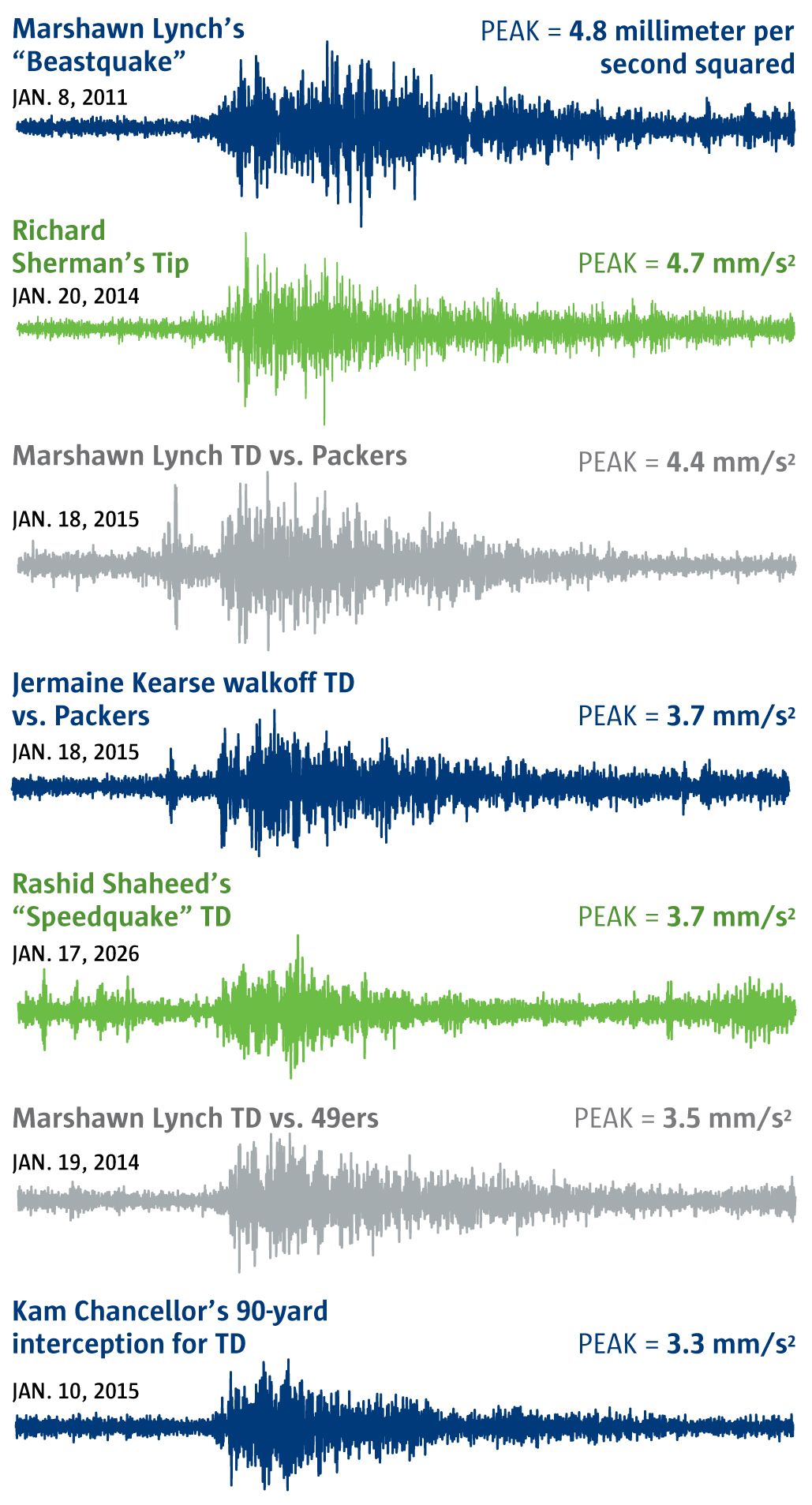
According to Hartog, the vibration from the U.S. versus Australia game nearly doubled the levels recorded during Belgium and Egypt’s meeting on Monday. In terms of the jolts, the effects were comparable to a minor earthquake many kilometers from Seattle—or to a passing freight truck. The U.S. women’s second goal matched the level of seismic activity of the legendary “Beast Quake,” a historic 2011 NFL playoff moment when Seattle Seahawks player Marshawn Lynch broke through for an incredible 67-yard run, tearing past the New Orleans Saints defense. That touchdown sparked such a roaring reaction from 67,000 fans that seismologists recorded underground shocks with a magnitude of about 2.0. In that same game, another defining moment was a late-second-half pass interception by Seahawks safety Kam Chancellor—an episode that, in the eyes of Seattle fans, became a symbol of the team’s boldness and power.
The PNSN installed seven high-sensitivity seismometers across the stadium—inside the tunnel on the first level, at the corners of the 300 level, and above the “Nest,” a section of standing-room seating on the upper level behind the east sideline. That area is known for a particularly aggressive, loud atmosphere: fans there—often calling themselves the “12th Man”—rarely sit down, creating a constant noise backdrop. Sound from the “Nest” reflects off the roof and is amplified further, and every big moment is accompanied by bursts of confetti, smoke bombs and cheers that drown out the officials’ signals. The experiment to measure “structural vibrations created by tens of thousands of fans jumping and shouting in sync” is being conducted across all six World Cup matches in Seattle, and on the organization’s website annotated charts of seismic waves from Friday’s game have already appeared. It visually demonstrates how fans’ passion can literally shake the ground.

Based on: A key Team USA World Cup goal spiked seismic activity in Seattle