
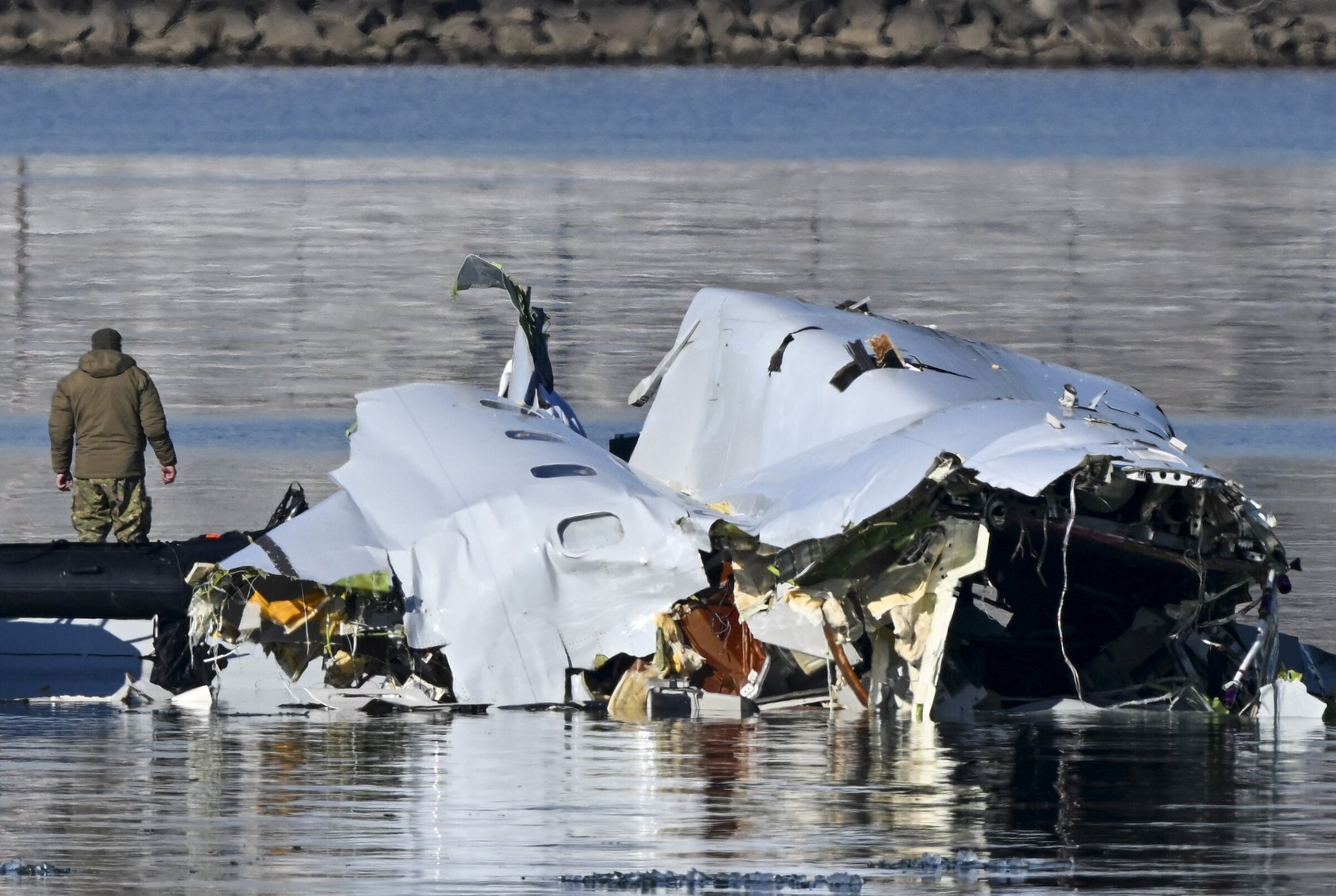
The U.S. House of Representatives on Tuesday passed a sweeping bill aimed at improving aviation safety. The move was a response to the January 2025 crash near Washington, when an American Airlines plane and an Army helicopter collided outside Washington, killing 67 people. The tragic event pushed local lawmakers to accelerate work on legislative measures. The bill, known as the ALERT Act, now heads to the Senate for further consideration.
The bill has had a fraught path: its initial version, introduced in February, drew sharp criticism from the victims’ families, the pilots’ union and even the National Transportation Safety Board (NTSB). But after weeks of negotiations the measure was substantially revised and ultimately won broad support, including from the NTSB, which had earlier criticized it.
A key provision of the new law requires the Federal Aviation Administration (FAA) to mandate installation of ADS‑B In on aircraft. This technology enables aircraft to receive data about the position, altitude and heading of nearby aircraft. Final rules must be adopted by no later than December 31, 2031, with limited exemptions possible.
NTSB Chair Jennifer Homendy said the final version of the bill fully addresses all 50 recommendations the board made following the crash. She called it “historic,” noting that no prior legislation had ever encompassed all of the agency’s recommendations.
Still, families of those killed in the 2025 crash say the revised bill is not strict enough. They worry that the collision-avoidance technologies the law relies on are not yet ready for broad deployment, which could delay compliance. Relatives are pressing for tighter deadlines and narrower exemptions.
The Air Line Pilots Association union also voiced concerns, saying the bill does not fully ensure pilots will have the optimal in-flight situational awareness that could prevent future tragedies. The union, however, is not opposed to the bill’s passage, acknowledging its positive contribution to safety.
The bill faces tough debate in the Senate. Senator Maria Cantwell of Washington, who chairs the influential Senate Commerce, Science and Transportation Committee and wields significant influence over federal aviation safety policy, said the alternative ROTOR Act she is promoting with Republican Senator Ted Cruz remains “the gold standard.” That act proposed comprehensive measures, including mandatory onboard recorders and terrain collision warning systems, and its failure left local communities—especially in remote parts of Washington—without strengthened federal safety standards.
The ROTOR Act had previously failed in the House after the Pentagon unexpectedly withdrew its support. Its defeat was a blow to the victims’ families and the NTSB. As Homendy recalls, work then began on a compromise that ultimately became the ALERT Act. Major aviation companies based in Washington, such as Boeing and Alaska Airlines, as well as medical aviation operators, were involved in the debates over these bills, seeking to balance safety with the economic feasibility of new requirements.
Senator Cantwell emphasized that work continues toward the strictest possible safety law. She pledged to work with victims’ families and Senate colleagues to achieve the best outcome when the ALERT Act reaches the upper chamber of Congress.

Based on: Congress advances aviation bill requiring cockpit alert technology