
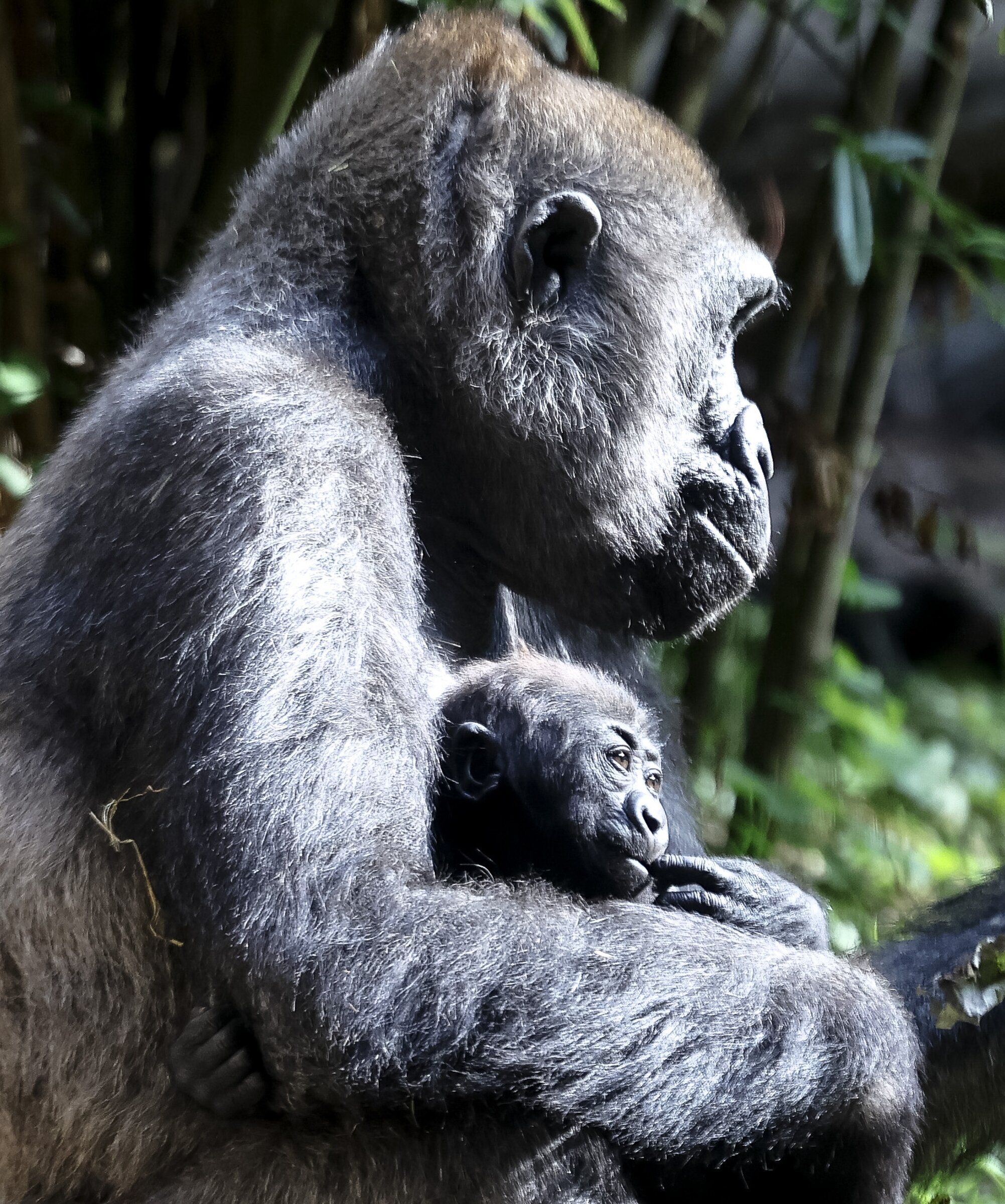
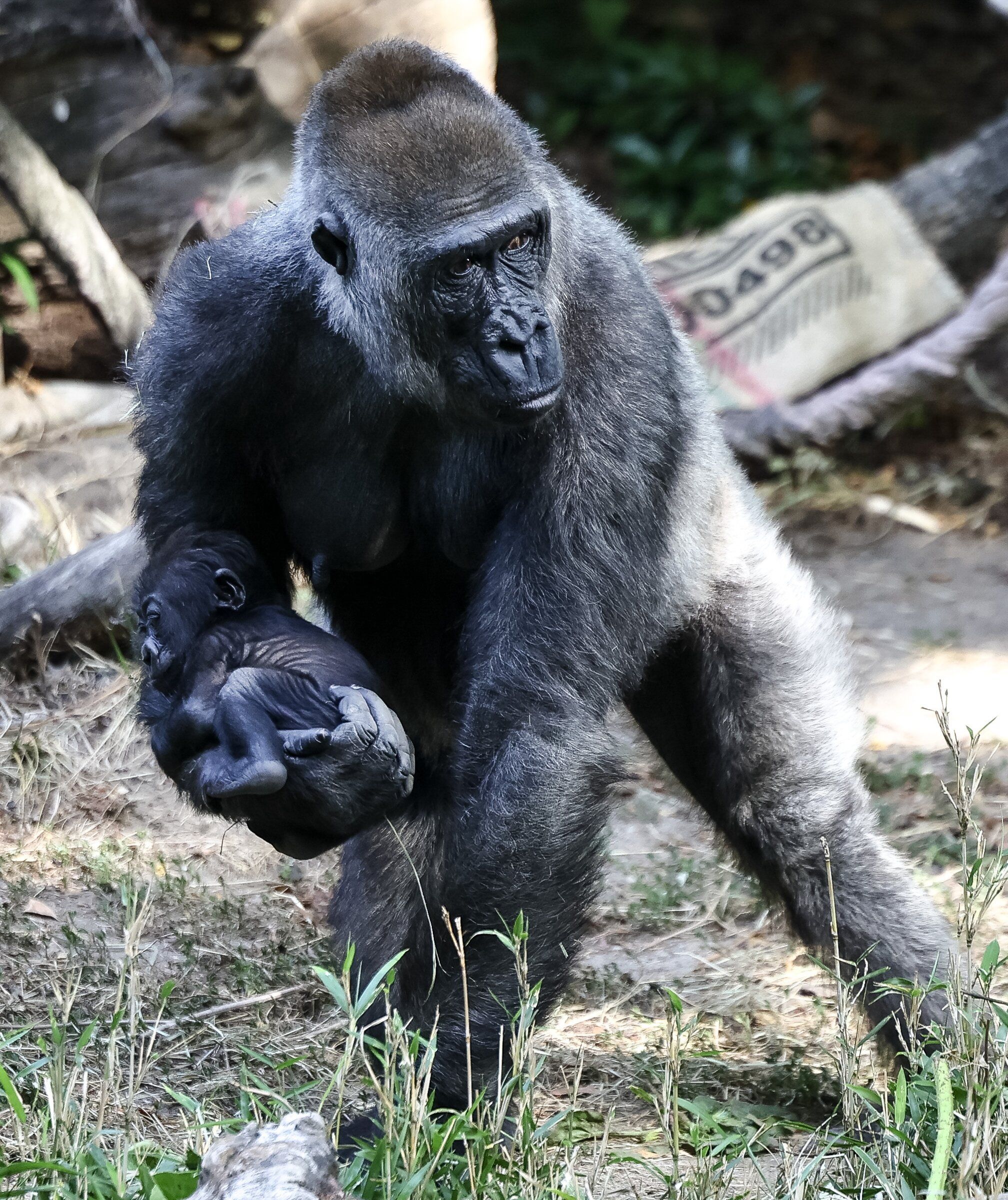
At Seattle’s Woodland Park Zoo, a baby gorilla was delivered by cesarean section for the first time in the zoo’s history and possibly for the first time anywhere in the world in recent years. The newborn male, weighing about 2.45 kilograms, was born in May after labor in Olympia, a 30-year-old western lowland gorilla, stopped progressing. Zoo veterinarians and specialists from Providence Swedish First Hill medical center joined forces to perform the operation.
The choice of medical center reflected the complexity of the procedure: the operation required specialized equipment, a sterile operating room and doctors experienced in performing similar procedures. The zoo’s veterinary hospital provides animals with routine and emergency care, but it does not have all the capabilities of a major human medical facility.
Cesarean sections are extremely rare in gorillas: complications during birth are uncommon, while surgery carries serious risks. According to the zoo, fewer than 12 gorillas worldwide have been born this way. Olympia’s pregnancy was generally progressing normally, and veterinarians, nurses, obstetricians and an ultrasound specialist jointly monitored her and another pregnant gorilla, Jamani.
Gorilla pregnancies last about 36 weeks. To help the animals remain calm during examinations, staff used positive reinforcement, including fruit. Ultrasound examinations were conducted every two weeks, although obtaining clear images was difficult because gorillas are relatively short and have dense bodies. Over time, the animals became accustomed to the specialists, while the specialists learned to better understand their behavior.
On May 18, Jamani gave birth naturally to a healthy baby, later named Kadre. Olympia’s due date passed, and her baby was positioned unusually low in the pelvis. During a routine examination, doctors found no amniotic fluid — a likely sign that her water had broken. Labor had begun but was not progressing, and the baby’s heart rate slowed. The doctors decided it was dangerous to wait.
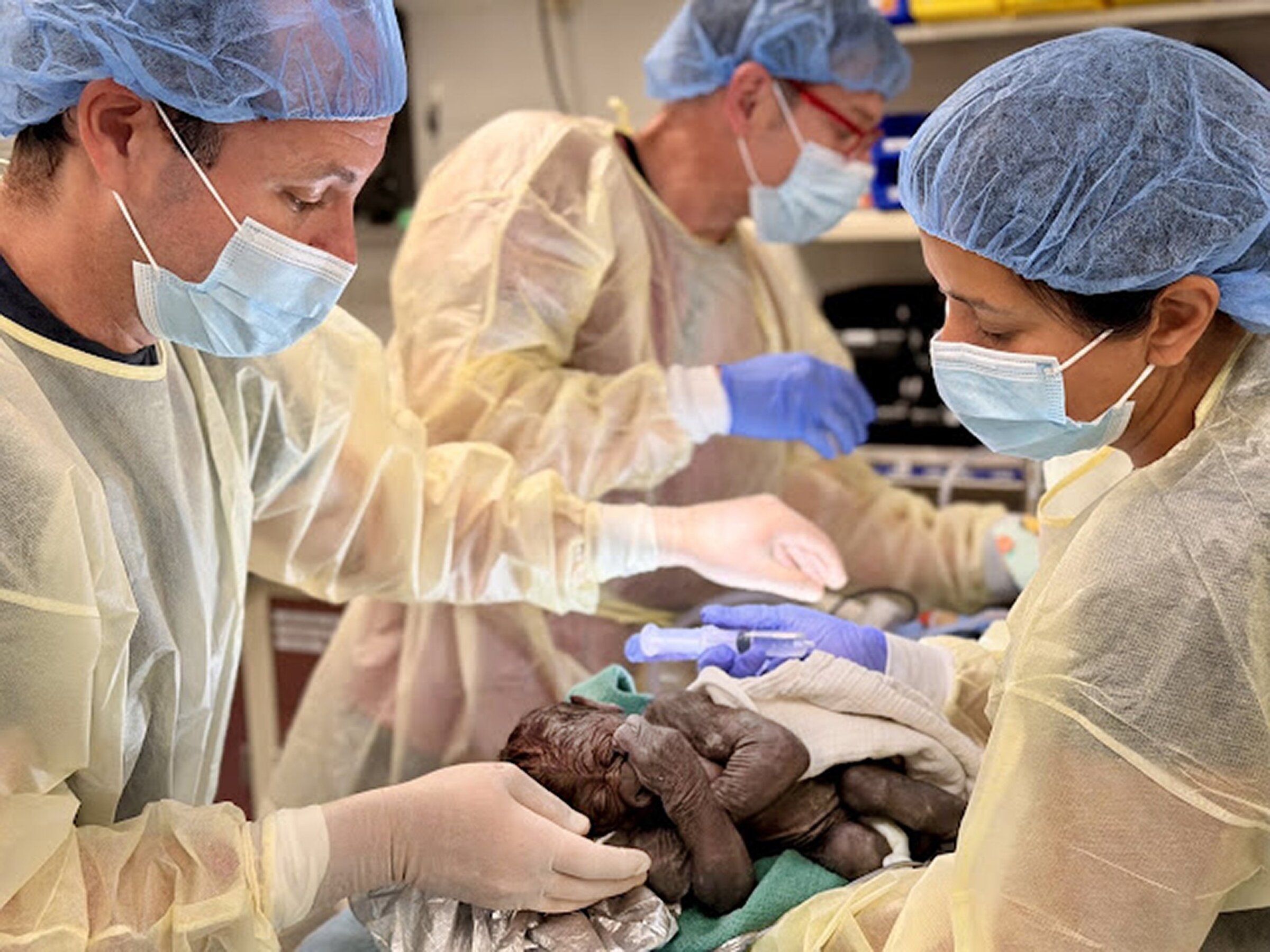
Olympia was anesthetized and taken to the zoo’s veterinary hospital, where specialists confirmed that the amniotic sac had ruptured. The team performed the operation in about 90 minutes, relying on surgical protocols commonly used for humans. However, after the baby was delivered, he was not breathing. This was partly explained by the effects of his mother’s anesthesia, but the team still could not immediately determine how serious the newborn’s condition was.
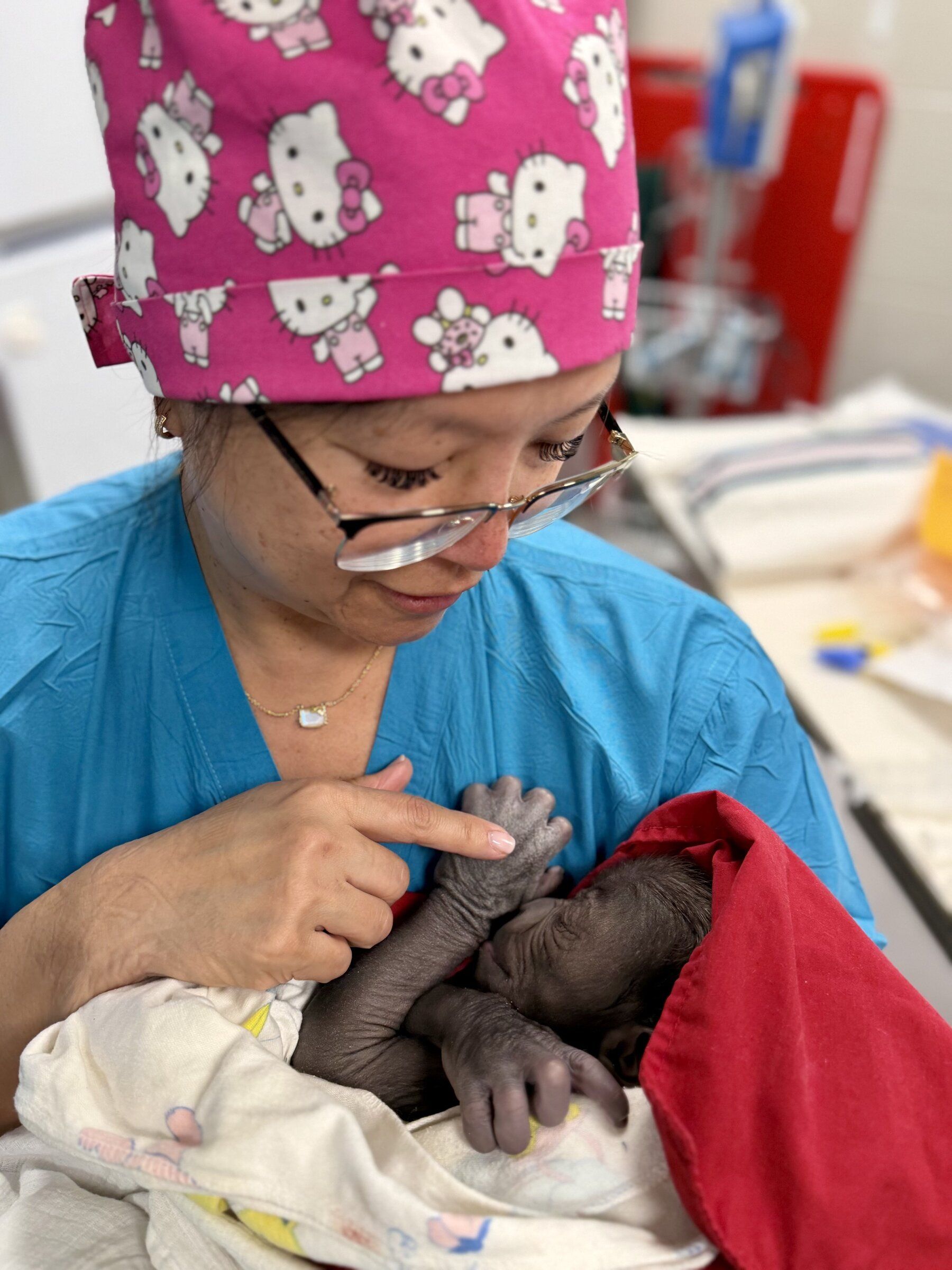
Doctors stimulated the baby and administered oxygen through a mask while zoo staff dried and warmed him. The team waited about 20 minutes for the first signs of improvement: gorilla infants typically do not cry at birth, making their condition more difficult to assess than that of human newborns. Eventually, the baby began breathing normally and opened his eyes. He was named Oku, while Olympia’s incision was closed with additional layers of sutures and bandages because gorillas are highly active. After she awoke, her nails were coated with polish to distract her from attempts to damage the stitches.
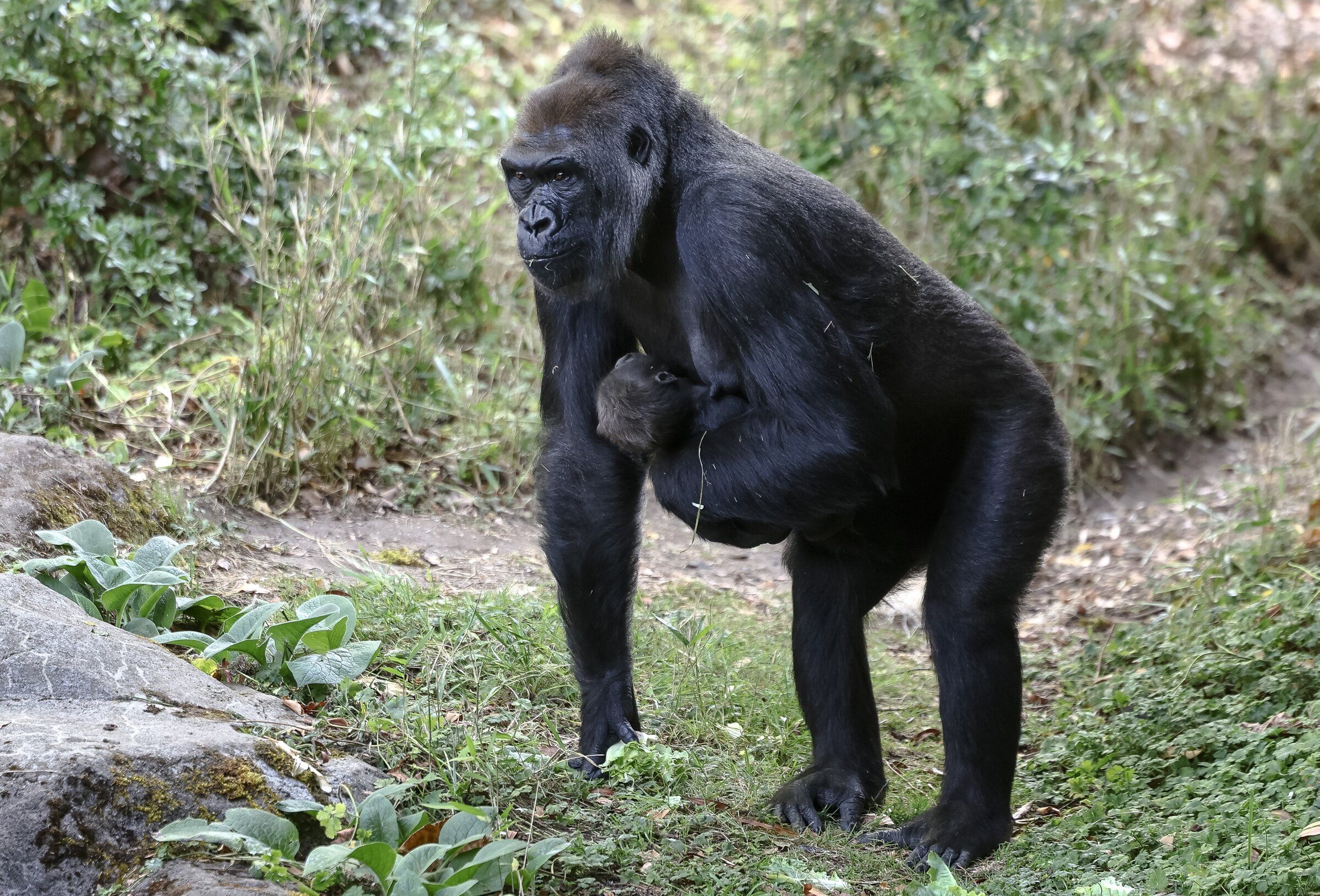
The next day, Olympia was returned to the group, and she soon began climbing the ropes again. At the zoo, indoor and outdoor enclosures allow animals to be temporarily separated for treatment and then gradually returned to the group, with controlled introductions to the infants while preserving their natural social bonds.
Later, Oku was introduced to his family, and Jamani began caring for two infants at once. When Kadre became weak and lost weight, staff decided not to anesthetize the mothers again: Olympia began raising Kadre, while Jamani cared for Oku. All four gorillas are doing well.
Woodland Park Zoo participates in an international managed-breeding program for western lowland gorillas, which are classified as critically endangered. Specialists coordinate genetically important pairings, monitor the animals’ health and pedigrees, and help form stable social groups. The unusual operation demonstrated how cooperation between human doctors and veterinarians can help preserve genetic diversity and save members of an endangered species.
Based on: How Seattle medical providers delivered a baby gorilla by C-section