
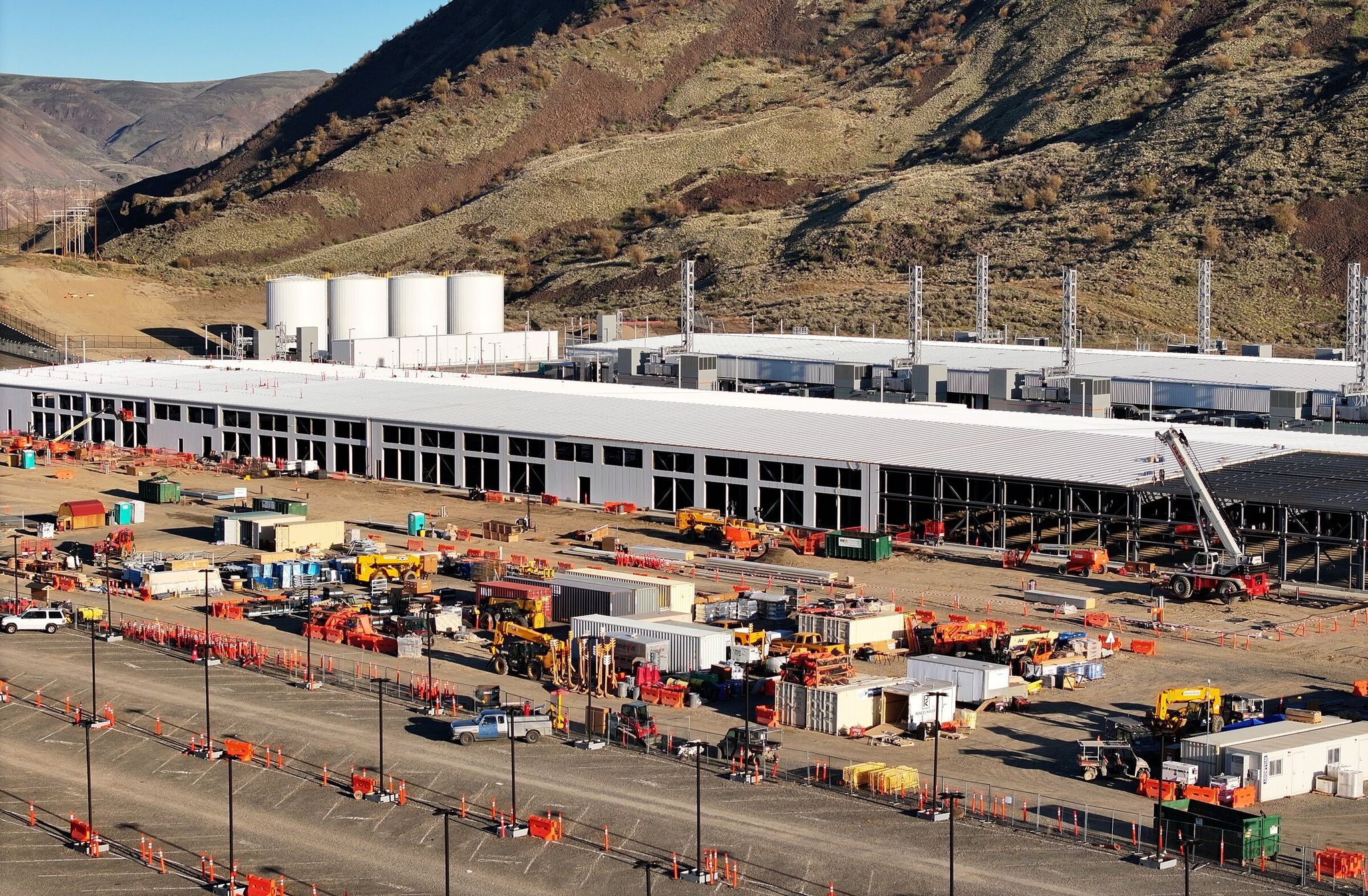
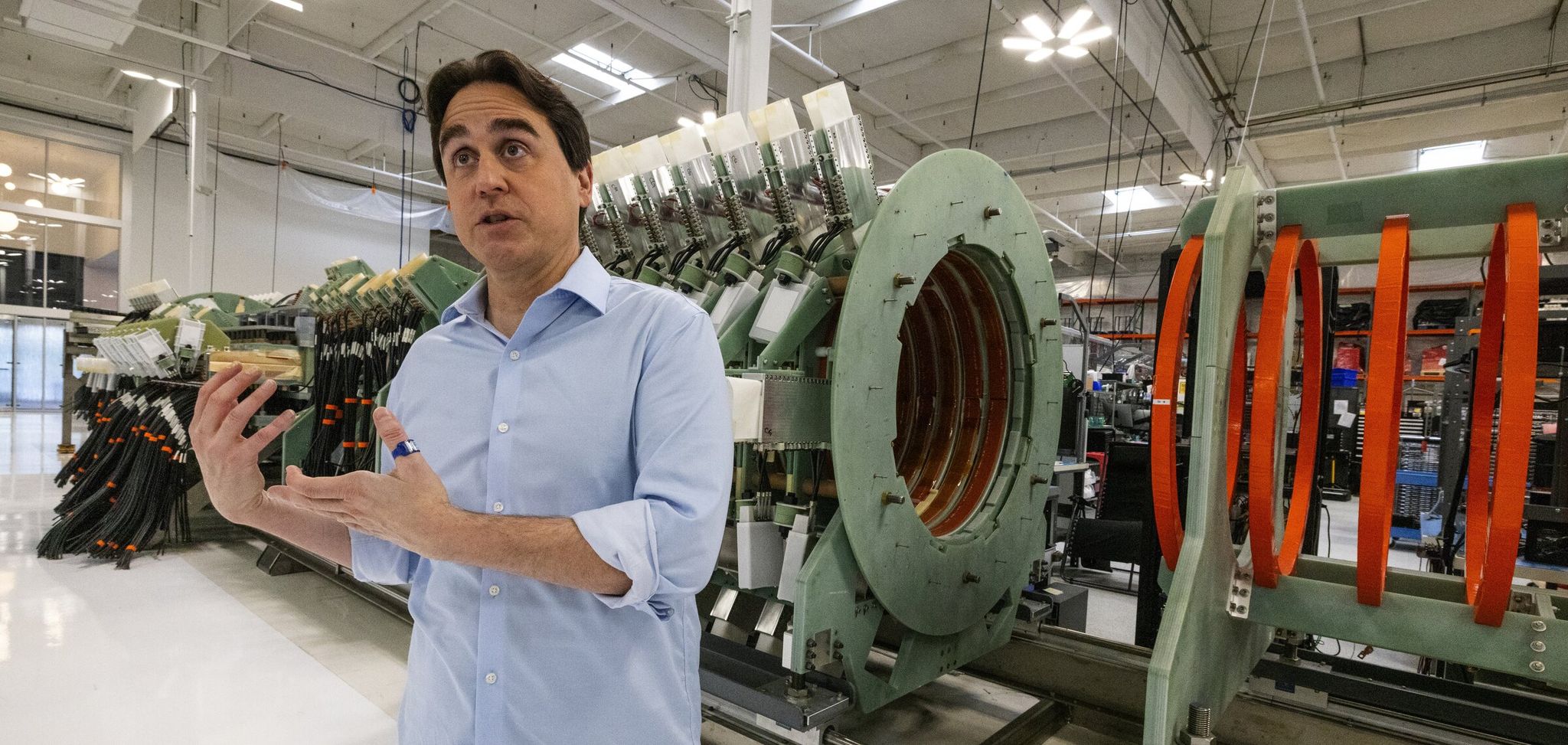
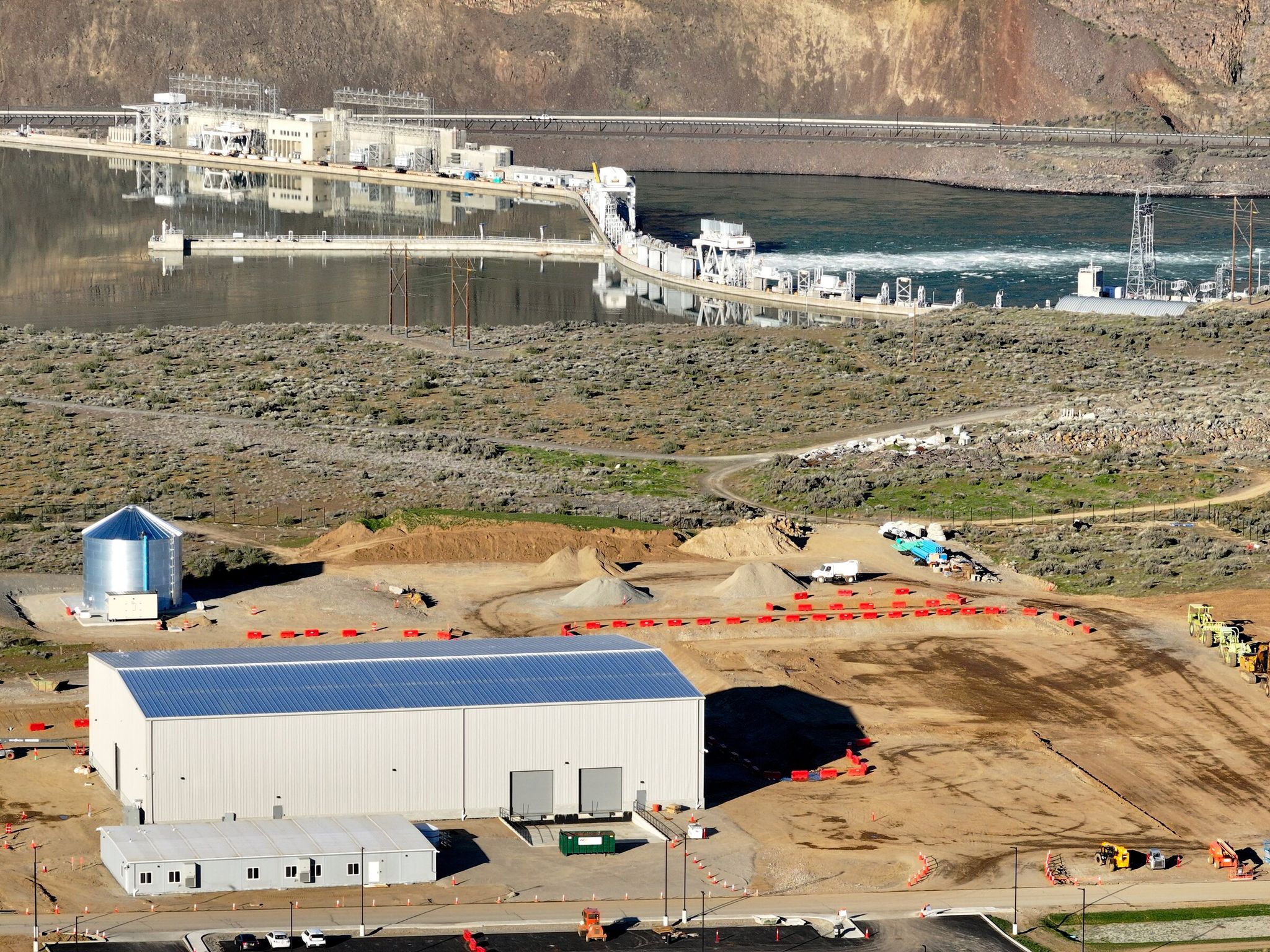
In Malaga, Chelan County, on the banks of the Columbia River, an unusual standoff is unfolding. Microsoft is building a colossal data center for artificial intelligence — covering an area larger than 24 football fields. And just a few kilometers away, the startup Helion is constructing the world's first commercial fusion reactor, intended to supply that AI with clean power. The problem is that the technology capable of powering a whole artificial mind exists so far only in laboratory experiments, and the timeline is tight: the contract requires power delivery by 2028.
The giant Microsoft data center could consume as much electricity as a small city. In an era of tightening power supplies and growing community concerns, that creates serious tension. Helion promises a solution: stable baseload power from controlled nuclear fusion — the same process that powers the Sun’s core. But to date no reactor in the world has produced more energy than it consumed, and several competitors and the Chinese government are racing toward that threshold.
Nuclear scientists are generally skeptical that Helion will meet the 2028 deadline. Some critics view the Microsoft deal as more of a PR move than a real breakthrough. "It's an astonishingly clever new form of greenwashing — a way to create the appearance of commitments without real commitments," says Tom Lyon, a professor at the University of Michigan.
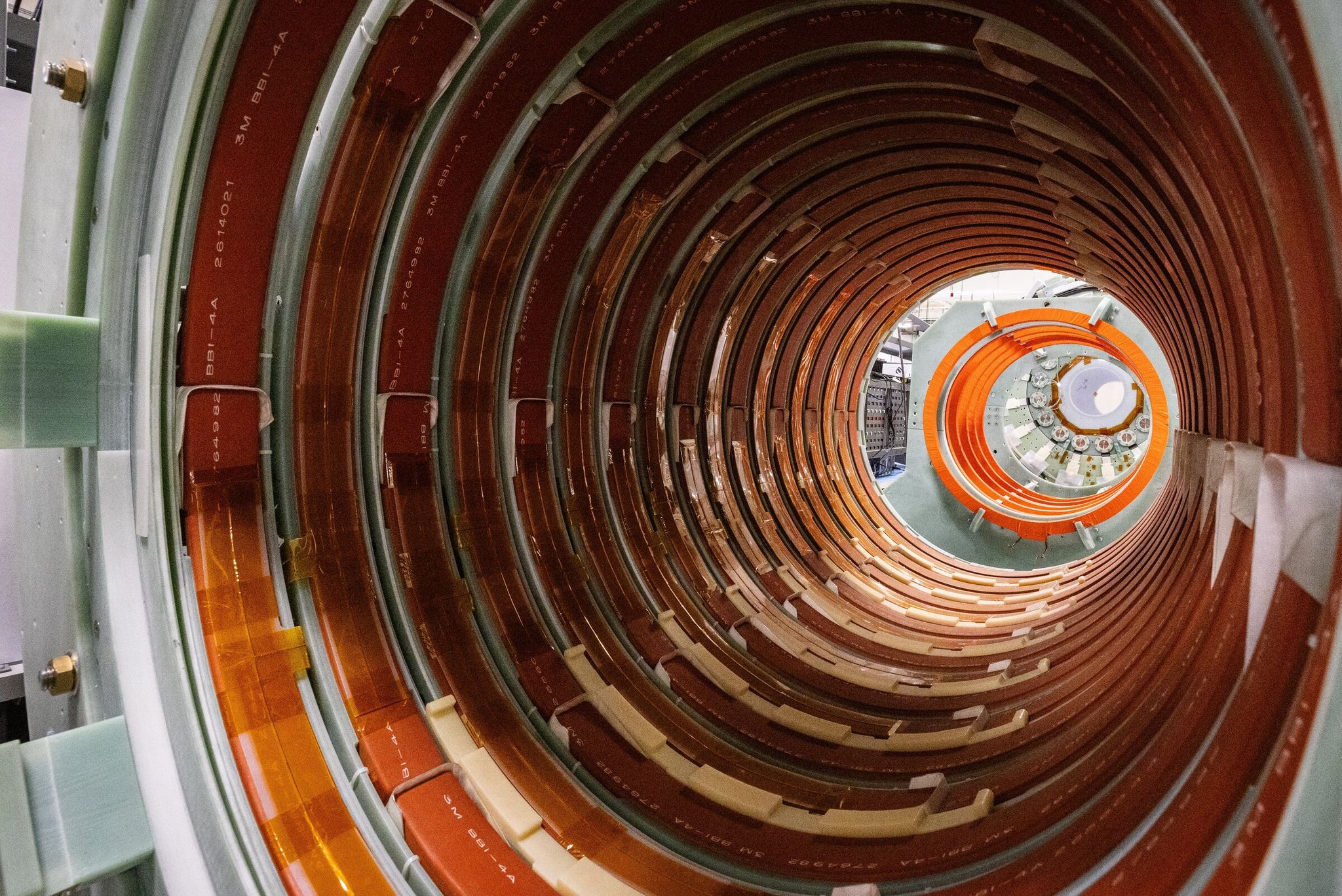
Another problem is secrecy. Helion keeps technical details private, which has frustrated the scientific community. "It makes me skeptical — just a lack of transparency," admits physicist George Tynan of the University of California, San Diego. Even if a device one day achieves net positive energy, independent experts say it would take years or even decades for such stations to become cheap and reliable enough for commercial use.
Microsoft, for its part, emphasizes that the Helion contract is only a small part of a massive clean-energy strategy. The company has already contracted 40 gigawatts of carbon-free capacity worldwide — mostly solar and wind — enough to power roughly 32 million homes. "Fusion is part of it, but by no means the only solution we are supporting," says Microsoft's chief sustainability officer Melanie Nakagawa.
Meanwhile, local communities are starting to push back against the growth of data centers. About half of planned projects worldwide are delayed due to insufficient electricity. In Seattle, a proposal to build five large data centers provoked such protest that the mayor is considering a moratorium on new facilities. Residents worry about growing power demand, noise, and emissions from diesel generators, demanding stricter environmental rules and transparency. And in Chelan County itself dozens of residents have filed official complaints, fearing that once fully deployed the Microsoft campus would consume as much electricity as a third of Seattle. For comparison: Seattle's population is about 750,000, while Chelan County is around 80,000. The campus's consumption could reach 200–300 megawatts, comparable to the usage of 200,000–300,000 homes in the region, and that raises serious concern in a county with limited energy resources.
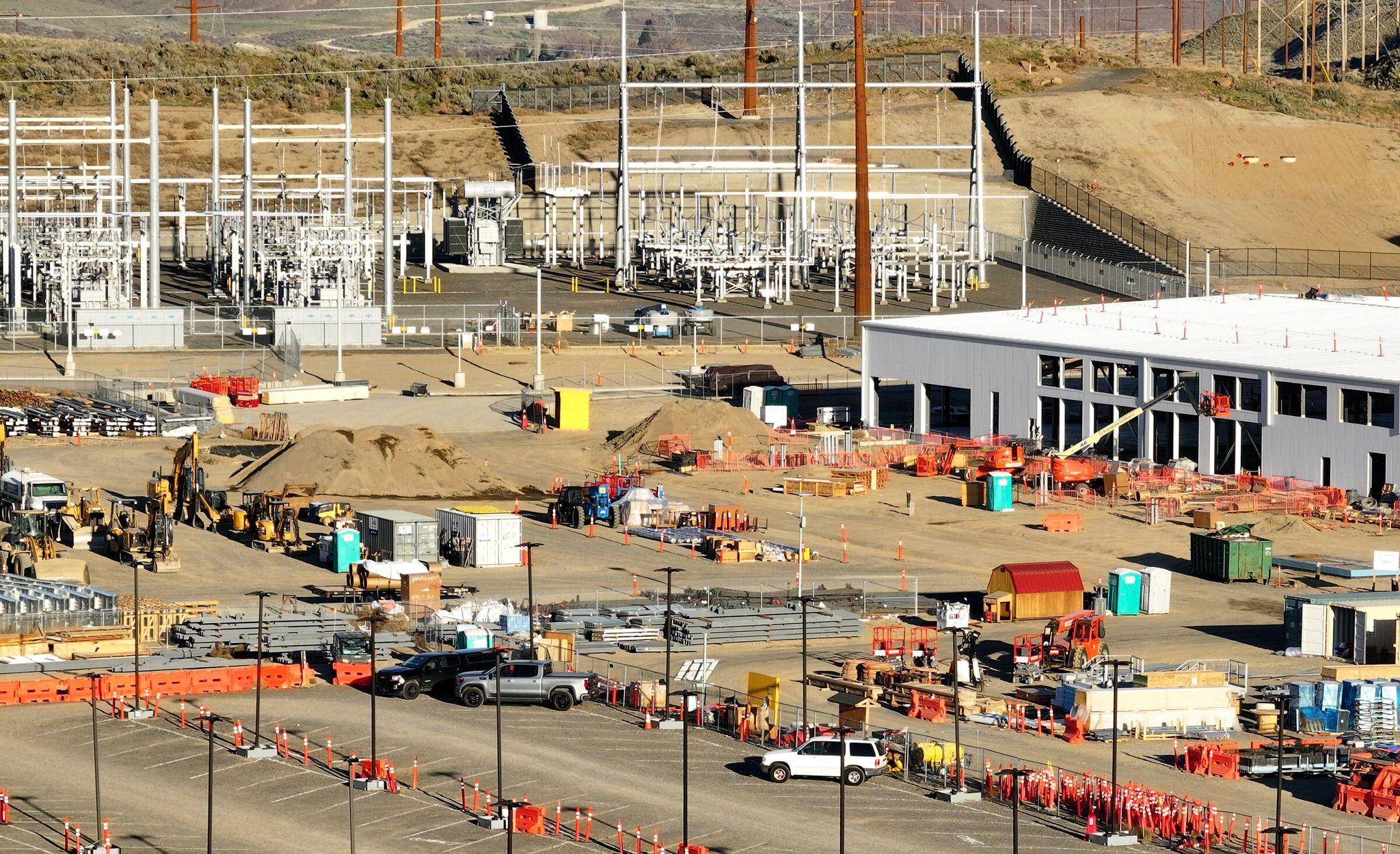
County officials have assured residents that the Microsoft deal will not lead to higher rates for locals. The plan calls for a separate grid infrastructure for the data centers, which Microsoft will pay for itself, and the company is obligated to bring (or generate) its own electricity. "We will bring all of our own power," a Microsoft spokesperson confirmed, despite the fact that the data centers sit only 5 miles from the Rock Island Dam on the Columbia River. That dam — a hydroelectric plant built in the 1930s — is part of the Columbia River system, the largest source of hydropower in the U.S. The river provides about 40% of Washington state's electricity thanks to more than 30 dams, including Grand Coulee, and it attracts tech companies with cheap renewable power and low taxes. However, due to droughts and environmental limits its capacity can no longer meet growing demand.
While Helion prepares for a launch, Microsoft is already seeking more traditional sources. In West Texas the company is negotiating with Chevron to build a large gas-fired power plant for its data centers — despite Microsoft's pledge to be carbon negative by 2030. The company's emissions have already risen 23% since 2020 due to the rapid expansion of AI and cloud technologies.
But the biggest hit lands on ordinary households. In Western Washington, far from the construction in Malaga, electricity rates for customers of Puget Sound Energy — the region's largest utility, serving more than 1.1 million customers including Seattle — have risen roughly 60% over the past three years. That is tied to increased power demand from data centers and electric vehicles, inflation, grid modernization costs, and the shift to renewables that require expensive subsidies. Utilities are forced to buy renewable power at rising prices, competing with tech giants that buy projects off the wholesale market.
Analysts warn the competition for clean power will only intensify. Wind and solar generation don't run around the clock, so Microsoft is already filling gaps with Canadian hydropower through a substation in East Wenatchee in the neighboring county. That hydropower purchase agreement from Canada points to a shortfall: the growth of data centers and electrification outstrips the capacity of local Columbia River hydropower plants, which are operating near capacity and forcing companies to seek renewable energy outside the state. As a result, less hydropower is available on the wholesale market.
Based on: Microsoft AI demands more power. Can a WA fusion company supply it?