
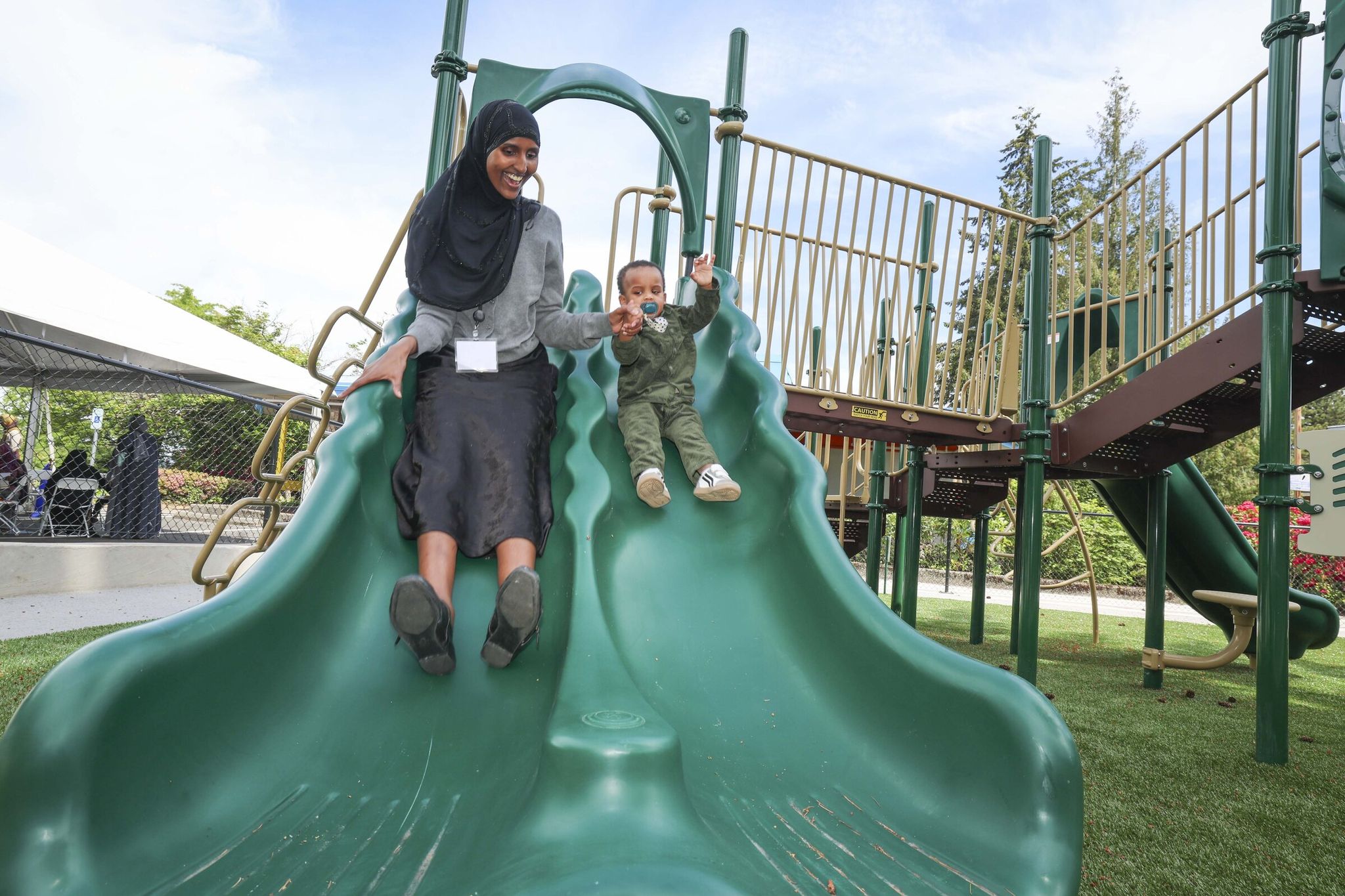
A new education center opened in Tukwila, south of Seattle, aiming to revolutionize early childhood care. Voices of Tomorrow Center for Learning and Healing pairs traditional early learning with comprehensive mental-health supports—at a time when families with young children face enormous pressure and need new solutions.
The center is primarily aimed at low-income families as well as immigrants and refugees, who make up a large share of Tukwila’s population. The city has become a magnet for resettled families because of affordable housing, proximity to Seattle’s international airport, and a robust network of community organizations that help with settlement. Major ethnic communities include people from East African countries—Somalia, Ethiopia and Eritrea—as well as from Southeast Asia—Vietnam, Cambodia and Laos. According to recent census data, more than 60% of students in local schools speak a language other than English at home, making Tukwila one of Washington state’s most diverse cities. Services are offered in several languages: Somali, English, Oromo, Amharic, Swahili, Arabic and Spanish. Three classrooms are already enrolled in the state’s ECEAP preschool program, which serves low-income families.
ECEAP, or the Early Childhood Education and Assistance Program, is Washington state’s preschool program for children from low-income families. It complements the federal Head Start program but is funded by the state budget. Unlike Head Start, ECEAP typically requires a lower income threshold for eligibility, offers more flexible scheduling including part-day options, and places greater emphasis on parent supports.
The center’s main innovation is integrating psychiatric and behavioral supports on site. Founder Zamzam Mohamed explains that previously, when behavioral issues were identified, teachers had to refer children to outside specialists, creating long waitlists and bureaucratic barriers. The new model removes those obstacles, making help immediate and culturally responsive.
“We’ve watched for decades as children show up to preschool with complex needs but no access to systems that would help them thrive,” says co-founder Iftin Hagimohamed. “We’ve seen the effects of trauma, COVID-19 isolation, developmental delays, entrenched behavioral issues and the burden of generations.” She says the new center is becoming “a beacon of hope” for such families.
The opening comes amid a difficult fiscal environment: under budget pressure, state authorities have cut funding for child-care subsidies and mental-health supports in early learning settings. Yet ECEAP itself is expanding thanks to a major gift from the philanthropic Ballmer Group announced last year. The Ballmer Group was founded in 2015 by Steve Ballmer, the former CEO of Microsoft, and his wife Connie Ballmer. The organization funds efforts to increase economic mobility, especially in Washington and Michigan, awarding grants to nonprofits focused on early childhood education, homelessness prevention and supports for low-income families. The funding comes from the Ballmer family’s personal wealth, not from Microsoft corporate funds.
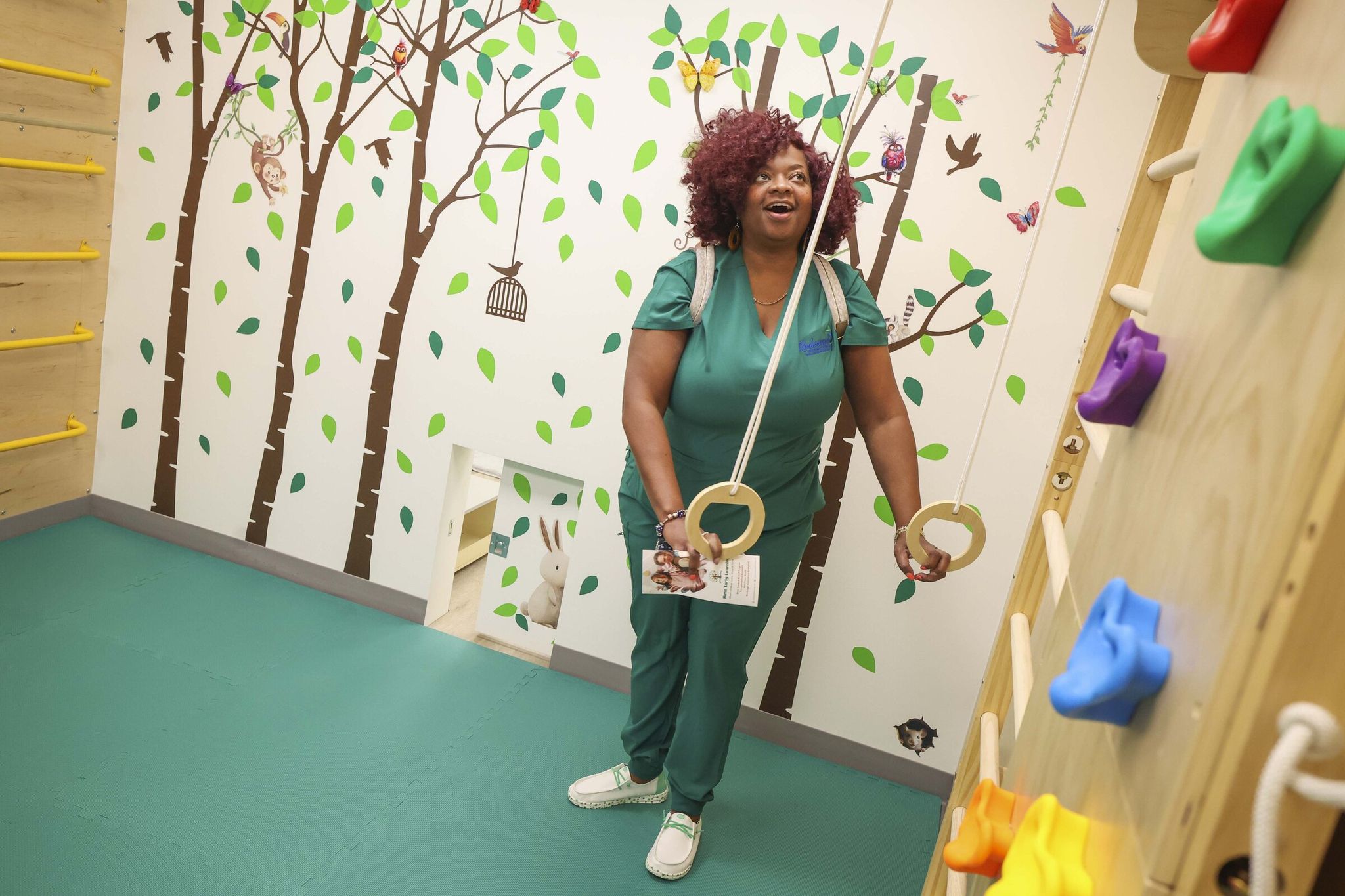
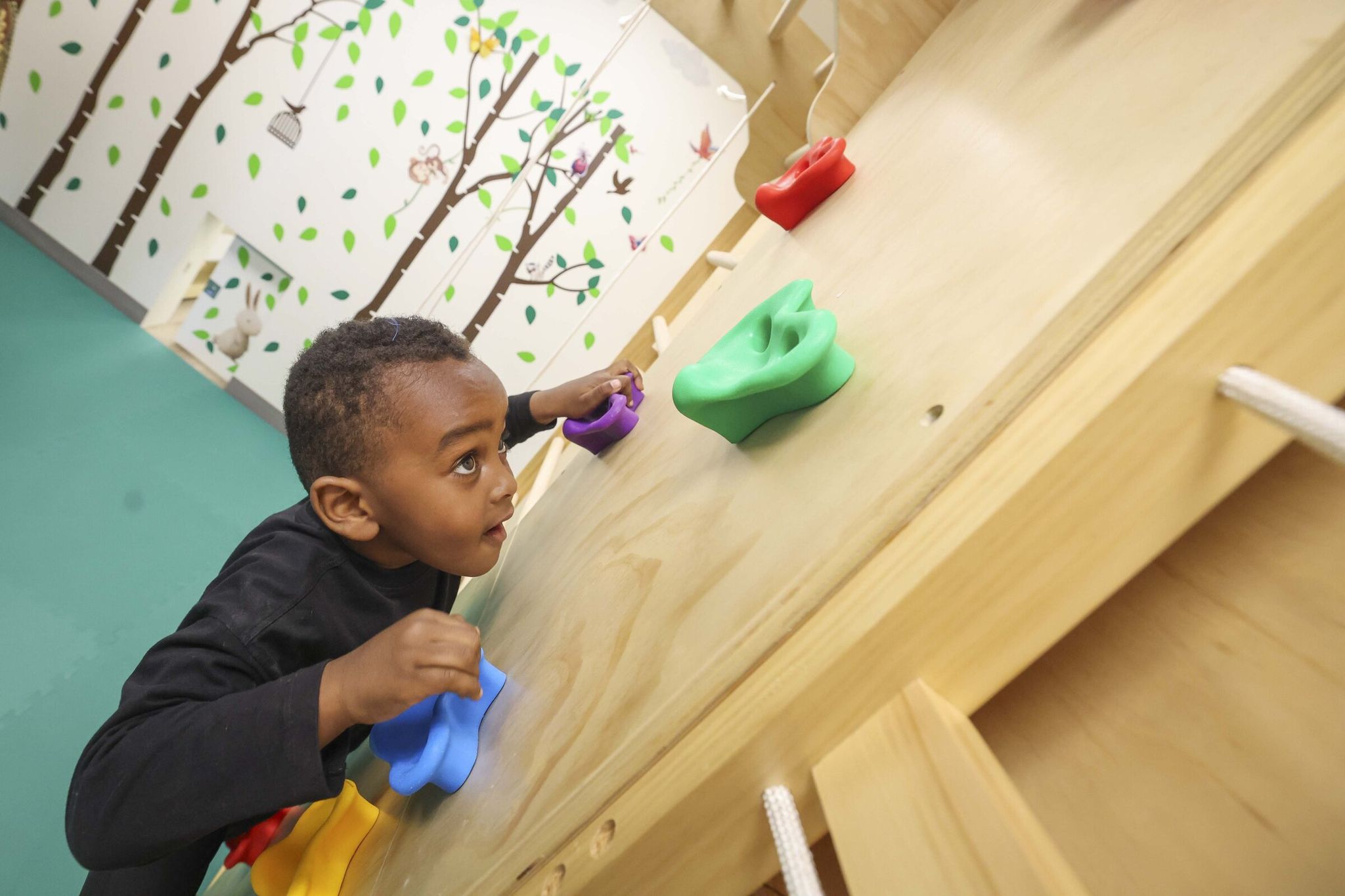
The 576-square-meter center was purchased and renovated with financial support from the state Department of Commerce and the county’s Best Starts for Kids initiative. King County’s program aims to support children and youth from birth through age 25 by awarding grants to local organizations that fund early learning, mental-health and youth-violence-prevention programs. The initiative is financed by a property-tax measure approved by county voters in 2015 and renewed in 2021; in 2023 it generated about $400 million over 10 years. The center includes “calm rooms” stocked with soft toys and books as well as active sensory spaces with a climbing wall. Visitors were particularly delighted by tiny sinks built for small children.
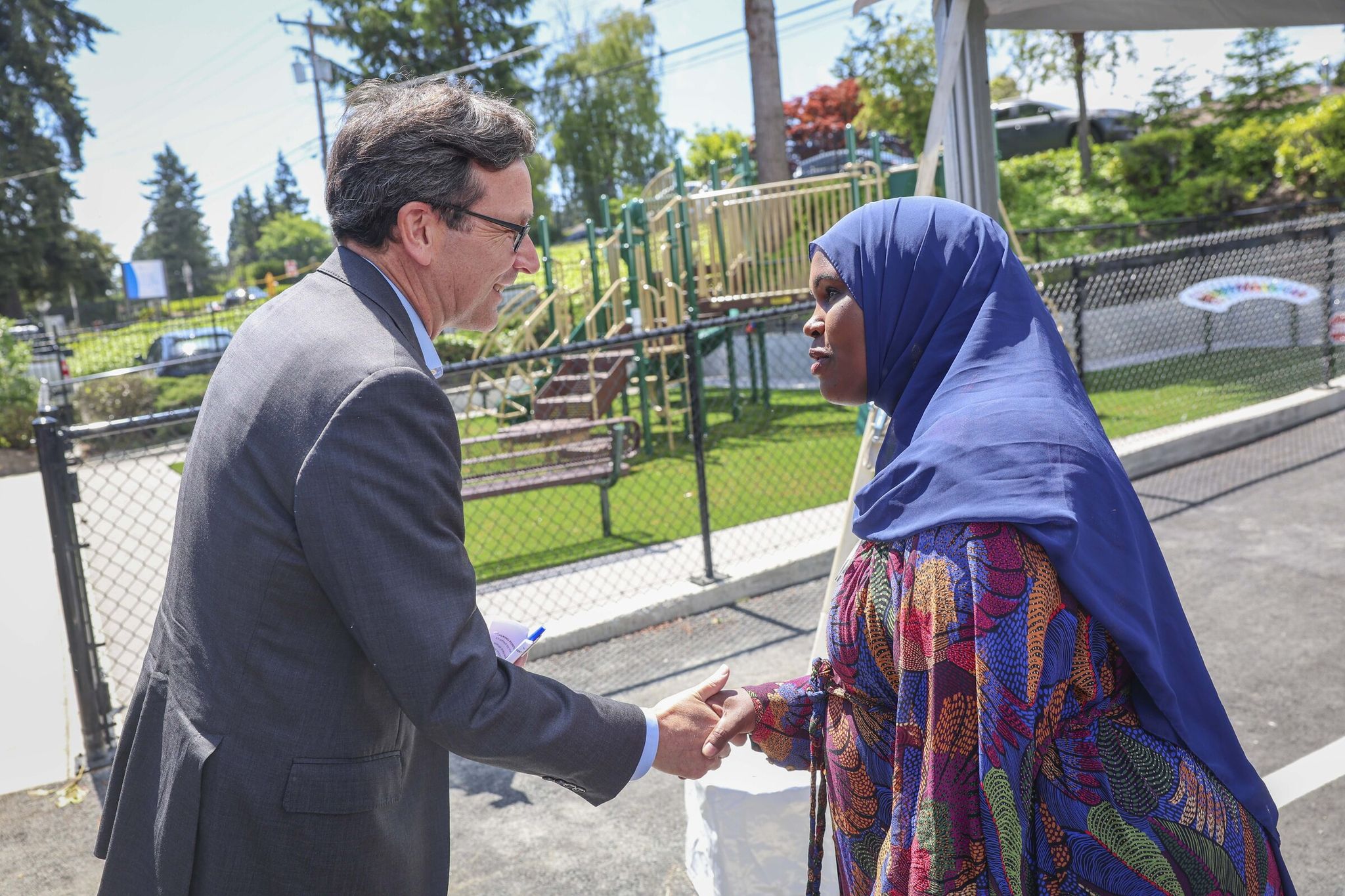
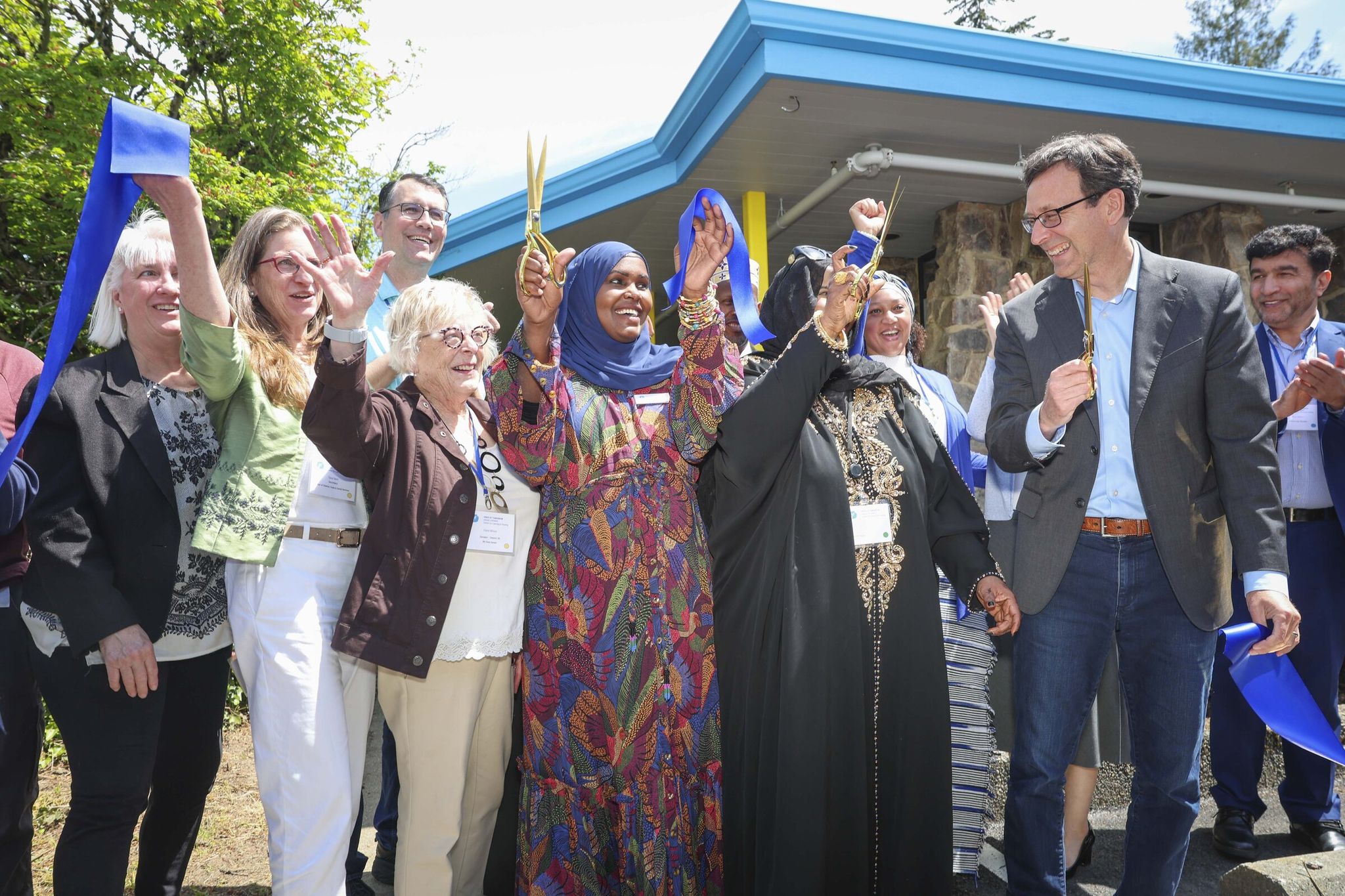
Governor Bob Ferguson, who cut the ribbon at the opening, stressed the importance of investing in the early years: “I’m not an expert in child development, I’m a lawyer. But as a parent I know: this is a critical moment in a person’s life.” Research backs up his point—participants in ECEAP show better school readiness and are less likely to require special education, although long-term academic outcomes remain mixed.
Based on: Tukwila childcare center supports mental health for the whole family