In a digest: President Trump immediately fired a court-appointed Seattle prosecutor, escalating tensions between the executive and judicial branches. In addition, the judge kept Denny Blaine nude beach open, but ordered the city to tighten enforcement against lewd conduct, striking a balance between the community’s rights and those of nearby residents.
Trump Fired Seattle’s Court-Appointed U.S. Prosecutor Less Than an Hour After Taking Office
U.S. President Donald Trump fired the new top federal prosecutor for Seattle on Wednesday—less than an hour after he was unanimously appointed by federal judges of the district. The move was another sign of mounting tension between the judiciary and the president’s administration over filling key positions at the Department of Justice. Roger Rogoff, a former judge and seasoned state and federal prosecutor, was sworn in as a U.S. attorney at about 8 a.m. at a courthouse in downtown Seattle. In a phone interview, he said that after the swearing-in he went to the office of the U.S. Attorney to meet with Charles Neal Floyd, whose 120-day temporary term had expired back in February. While waiting in the lobby, Rogoff received an email from the Trump administration notifying him he had been fired. He is considering filing a lawsuit in connection with the decision.
Normally, presidents appoint U.S. attorneys—chief federal prosecutors in each judicial district—to positions that require Senate confirmation, with the exception of temporary appointments. When a temporary term expires before a candidate is confirmed, district judges may appoint a prosecutor themselves. But under Trump, the Justice Department tried to keep unconfirmed prosecutors in their posts indefinitely, often using unconventional staffing maneuvers. In a social media post, acting Attorney General Todd Blanche wrote that “district court judges can appoint a temporary U.S. attorney, and the president can fire that person,” adding that the judges who appointed Rogoff “abandoned the time-tested consultation process with the administration so that the selected U.S. attorney would meet the requirements for work in the administration.”
Trump appointed Floyd—a former immigration court judge—as a temporary U.S. attorney in October of last year, but never sent his nomination to the Senate. When Floyd’s term ended, the administration simply changed his title—an approach it used in other federal districts as well: Floyd became the first assistant U.S. attorney, while the top post remained vacant. In May, a panel of the appellate court raised doubts about the legality of the maneuver. Federal judges in Seattle decided to begin accepting applications for the position and created a bipartisan commission to review them. On Wednesday morning, a court with 17 active and senior judges—appointed by five presidents—unanimously appointed Rogoff as U.S. attorney for the Western District of Washington. Senator Patty Murray, a Democrat from Washington state who had previously opposed Floyd’s appointment, sharply criticized Rogoff’s firing. She said Rogoff “throughout his career has shown an exceptional commitment to public service” and was appointed lawfully, while the Trump administration “doesn’t want to deal with the advice and consent process—they just want to place their people to implement a corrupt political agenda.”
This is not the first case of its kind: in December, Alina Habba stepped down as the top federal prosecutor of New Jersey after an appellate court found her tenure unlawful. Lindsay Halligan, who had pursued charges against two of Trump’s opponents, left her role as temporary prosecutor in Virginia after a judge ruled her appointment was illegal and that the charges she brought against former FBI Director James Comey should be dismissed. The judges appointed James Handley as her replacement, who has more than 30 years of experience in criminal and civil matters, but the administration fired him. It did the same to the court-appointed prosecutor in upstate New York.
Rogoff himself, who spent 20 years as a state prosecutor, six years as a federal prosecutor, and then became a state judge, acknowledged in an interview that he knew about the possibility of being fired immediately. He did not hesitate to go forward, calling the U.S. attorney job “the best job for a prosecutor.” “I’m really proud of my career. The fact that the judges of this district—most of whom I know from appearances before them, joint proceedings, or collaboration—thought I was the right person for the job is just humble and surprising,” he said. The firing highlights how the Trump administration systematically bypasses traditional appointment procedures to retain control of federal prosecutors, and how courts are increasingly responding with legal resistance. More on this can be found in an NBC News article.
Judge Ordered Seattle to Crack Down on “Lewd” Conduct at Denny Blaine Nude Beach, but Didn’t Close the Park
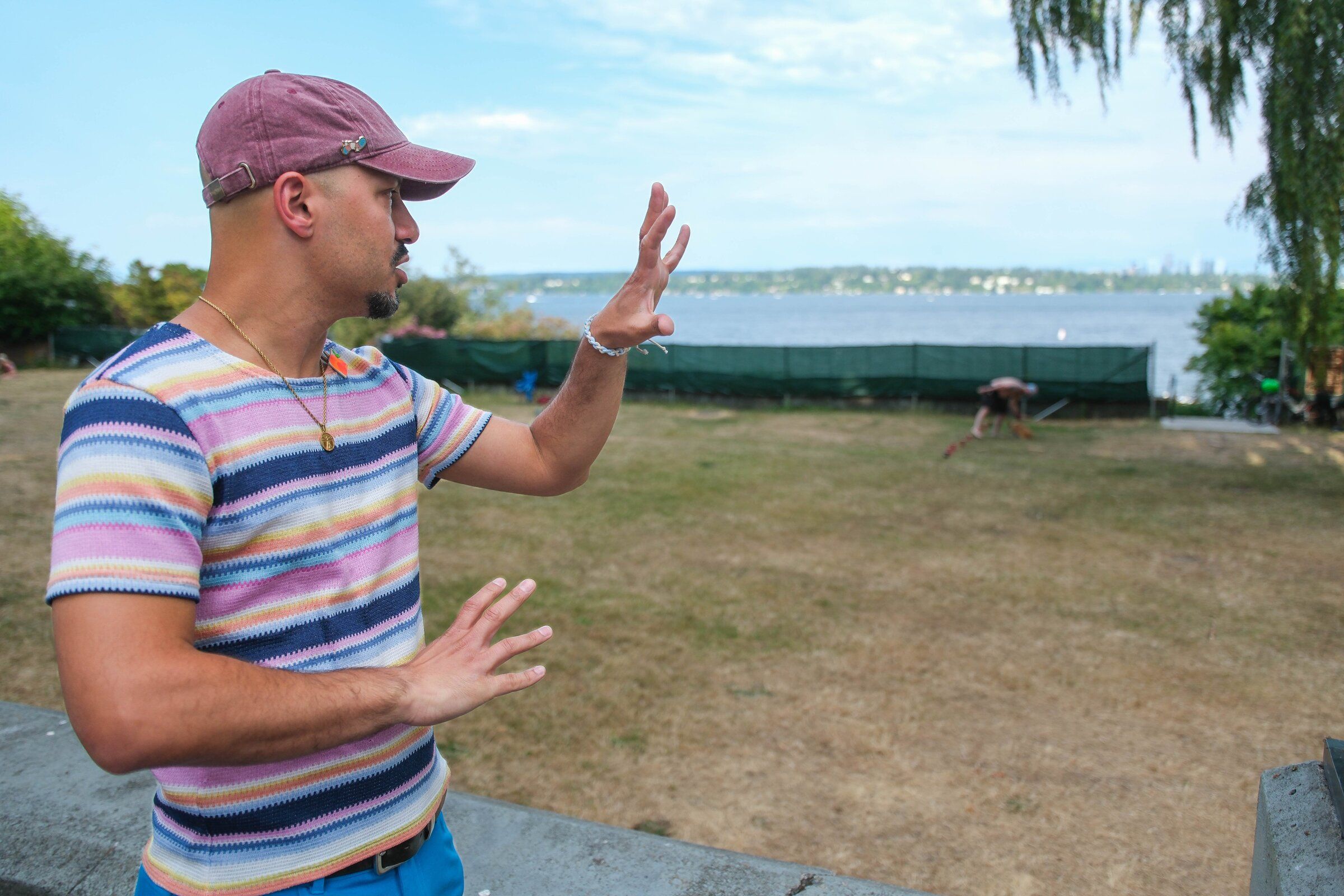
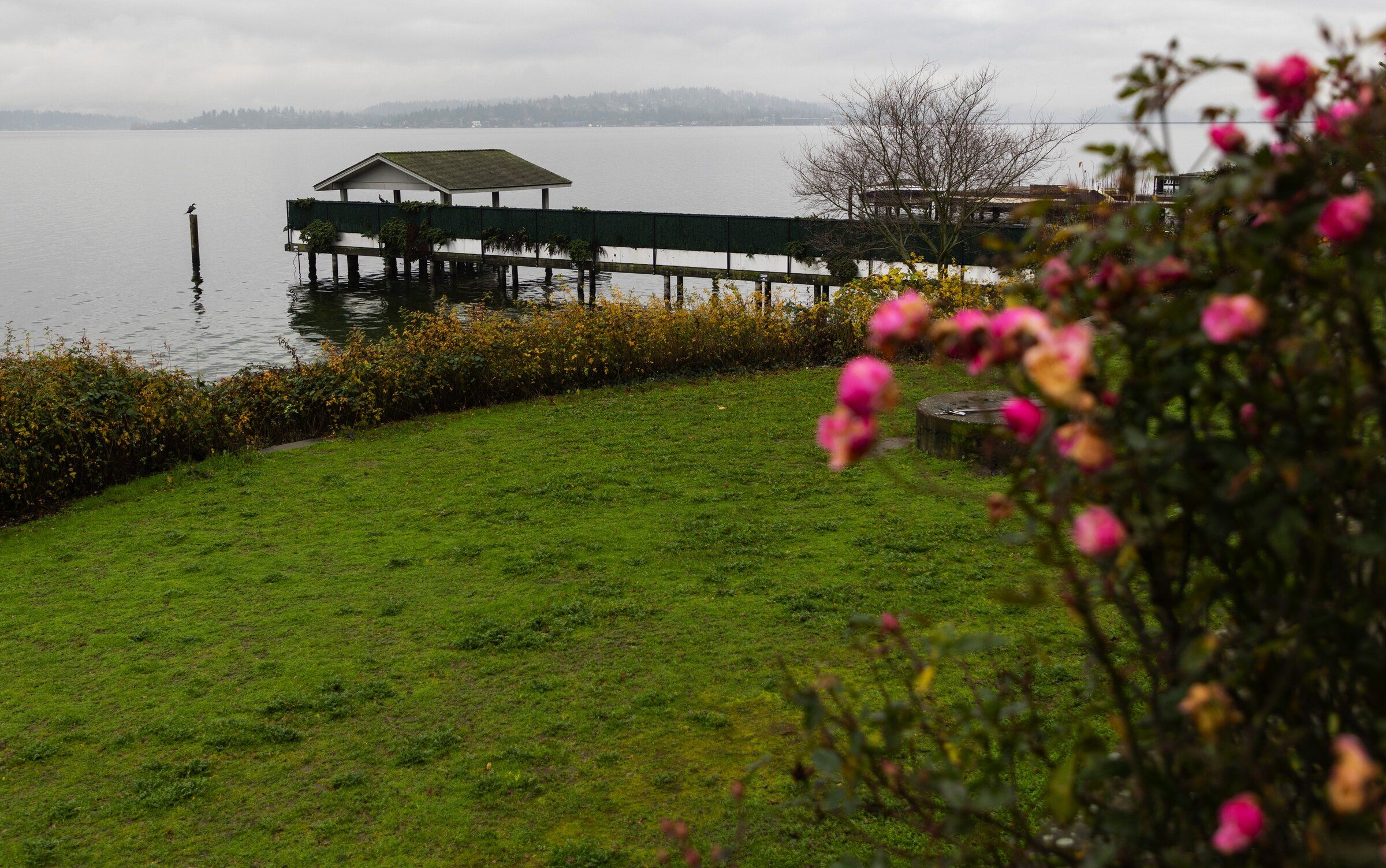
In Seattle, a long-running dispute over a small park on Lake Washington known as Denny Blaine—also a nude beach and a safe haven for the LGBTQ+ community—has been resolved. King County Superior Court judge Samual Chung ruled that conduct in and around the park constitutes a “public nuisance”—a legal term meaning actions interfere with other people’s ability to use their property normally and live calmly. The lawsuit was filed by neighbors who argued that city officials were not stopping regular incidents of public sex and masturbation there.
However, the judge rejected residents’ request to completely close the park, saying such a measure would have only a short-term effect and would not solve the problem in the long run. As a result, both sides of the conflict moved quickly to claim victory. City attorney Erica Evans called the decision “a big win,” because it ensures the right to nude recreation will remain: under Washington state law, nudity is allowed as long as it is not lewd and does not offend surrounding people. At the same time, the neighbor group “Denny Blaine Park for All” emphasized that the judge recognized their suffering and ordered the city to develop a “park plan” to address overcrowding, improve safety, and create buffers between the beach and residential homes.
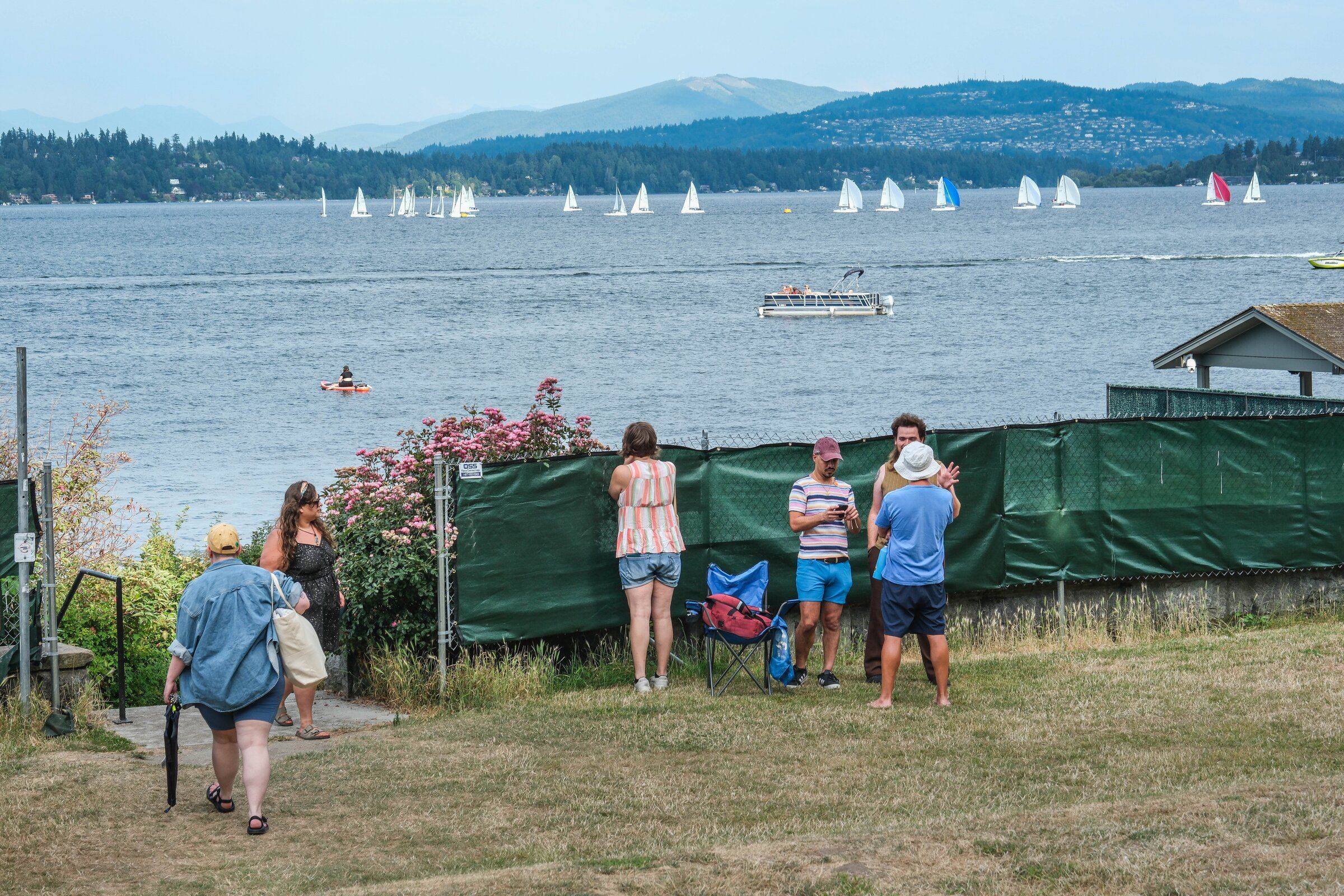
The history of Denny Blaine as a place where people—especially transgender people—could feel comfortable without clothes dates back to the 1980s. In recent years, however, owners of nearby villas have complained about overly explicit conduct. One of the most influential neighbors, Stewart Sloan, even proposed building a playground on the property at the urging of former mayor Bruce Harrell—something that would have made nude recreation impossible, but the project was frozen due to public protests. The judge had ordered Seattle to take action a year ago, and the city installed a barrier between the upper and lower parts of the park and increased police patrols. According to city witnesses, the number of complaints about illegal conduct dropped after that, but the court ruled the changes were insufficient.
In his decision, Chung wrote that “the prevalence of nudity and lewd conduct substantially interferes with plaintiffs’ ability to use and enjoy their property.” He ordered the city to create a specific plan for the park, send more staff there, maintain vegetation, and create buffer zones between the beach and homes. A rights advocacy group, Friends of Denny Blaine, which supports preserving the nude status, said it disagrees with some of the judge’s findings about the park’s current condition, but is glad that it remains open and “welcoming to everyone.” In its statement, the activists promised to support the city in carrying out the court’s orders.
As journalists noted, this local dispute has become a microcosm of broader public debates about safety, wealth, influence, and the right to public space. As The Seattle Times writes in an article, despite mutual congratulations, the main takeaway is that the park is not closed—but now the administration is required to clean up the situation without stripping the community of the park’s historic function. What the compromise will look like is still unclear.
Title
Seattle Court Ordered City to Increase Crackdown on Lewd Conduct at Denny Blaine Park, Rejecting Request to Close It
King County Superior Court judge Samual Chung issued an order that served as a compromise in a protracted conflict involving residents of the Denny Blaine neighborhood, city officials, and advocates for the LGBTQ+ community. On the one hand, the court found that sexually lewd conduct in the park constitutes a public nuisance and substantially interferes with neighbors’ ability to live peacefully in their homes. On the other hand, the judge categorically refused to close the popular beach on Lake Washington, emphasizing that it is not an adequate long-term solution. Instead, the city was ordered to take additional measures, including developing a special conduct regulation, stepping up patrols, improving landscaping to create buffer zones, and installing more prominent informational signs. According to KOMO, the decision followed a multi-day court proceeding this spring over a lawsuit filed by the neighbor group Denny Blaine Park for All against the City of Seattle.
In a 14-page order, the judge drew a clear distinction between public nudity—which has a long history at the location and carries social value—and unlawful sexual actions. The judge noted that for decades, Denny Blaine has served as a haven for the LGBTQ+ community, including transgender people seeking a safe and accepting space. News coverage dating back to the 1980s recorded that women sunbathe topless at the beach, and more broadly, nudity on the lower part of the park has effectively been permitted. However, starting around 2010—and especially after the COVID-19 pandemic—residents began reporting a sharp rise in incidents: public masturbation, sexual acts, voyeurism, and entering private property. The court concluded that it was these actions, not nudity itself, that substantially violated the comfort and safety of nearby residents.
Of particular interest is the court’s finding that Seattle city officials and police treated complaints from Denny Blaine differently than similar complaints from other neighborhoods. As established during the proceedings, the Parks Department discouraged staff from intervening in inappropriate behavior due to concerns about allegations of bias and possible lawsuits. Police often delayed response as well, because officers needed additional approval from supervisors to go out on calls at this park. The judge rejected the city’s and the Friends of Denny Blaine organization’s arguments (an LGBTQ+-led group that entered the case as an interested party) that the social value of being able to relax without clothes outweighed the limitations demanded by neighbors. The court concluded that the residential nature of the area and documented impacts on homeowners support the need for additional measures—while preserving public access.
Notably, even before the trial, in July 2025, a preliminary injunction was issued that already required the city to begin efforts to address the nuisance. Seattle responded by installing fencing that designated the lower beach area as one where clothing is optional, posting signs, increasing the number of patrols by park rangers, and expanding maintenance service. The court acknowledged that these steps reduced some problems but did not completely eliminate unlawful sexual conduct. The city is now ordered to do more: develop and implement a special park use plan and a code of conduct; adequately staff the park and surrounding areas for monitoring; maintain vegetation to make lewd behavior harder; create buffers to reduce visibility of nude visitors from neighboring homes; and improve signage.
Notably, under Washington state law, topless sunbathing is allowed across the entire park, including the upper area where clothing is required—something the same judge, Chung, clarified earlier. As a result, a ban on exposing women’s breasts does not apply. This is one of the key legal nuances that underlines the distinction between legal nudity and unlawful sexual conduct.
The parties’ reactions were expected: the plaintiffs (neighbors) said they will “closely monitor” compliance with the court order, while Friends of Denny Blaine expressed satisfaction that the park remains open, although they do not agree with some of the court’s findings. They said, in their view, the evidence shows the park is no longer a source of nuisance after previously taken measures, and they will seek to fully restore the park’s status as a place with completely clothing-optional rules. For now, however, the court’s compromise ruling keeps Denny Blaine Park open to everyone, but with stricter oversight. The verdict sets a precedent for balancing LGBTQ+ community rights in historic spaces with residents’ rights to quiet and safe living in their homes—and now all eyes are on how the City of Seattle will be able to carry out the new requirements amid the height of the summer tourist season.