
Among all U.S. cities hosting matches for the 2026 FIFA World Cup, Seattle can boast the best public transit. Local organizers set an ambitious goal: 80% of fans should get to the stadium without a car, using buses, trains and ferries. The Washington State Ferries, which here are not an attraction but a full part of the state’s transportation network equivalent to bridges and highways, connect Seattle with Bainbridge, Whidbey and Orcas islands and the Olympic Peninsula, where there are no bridges. They carry tens of thousands of passengers daily, including cars, bicycles and pedestrians, and are integrated with regional routes.
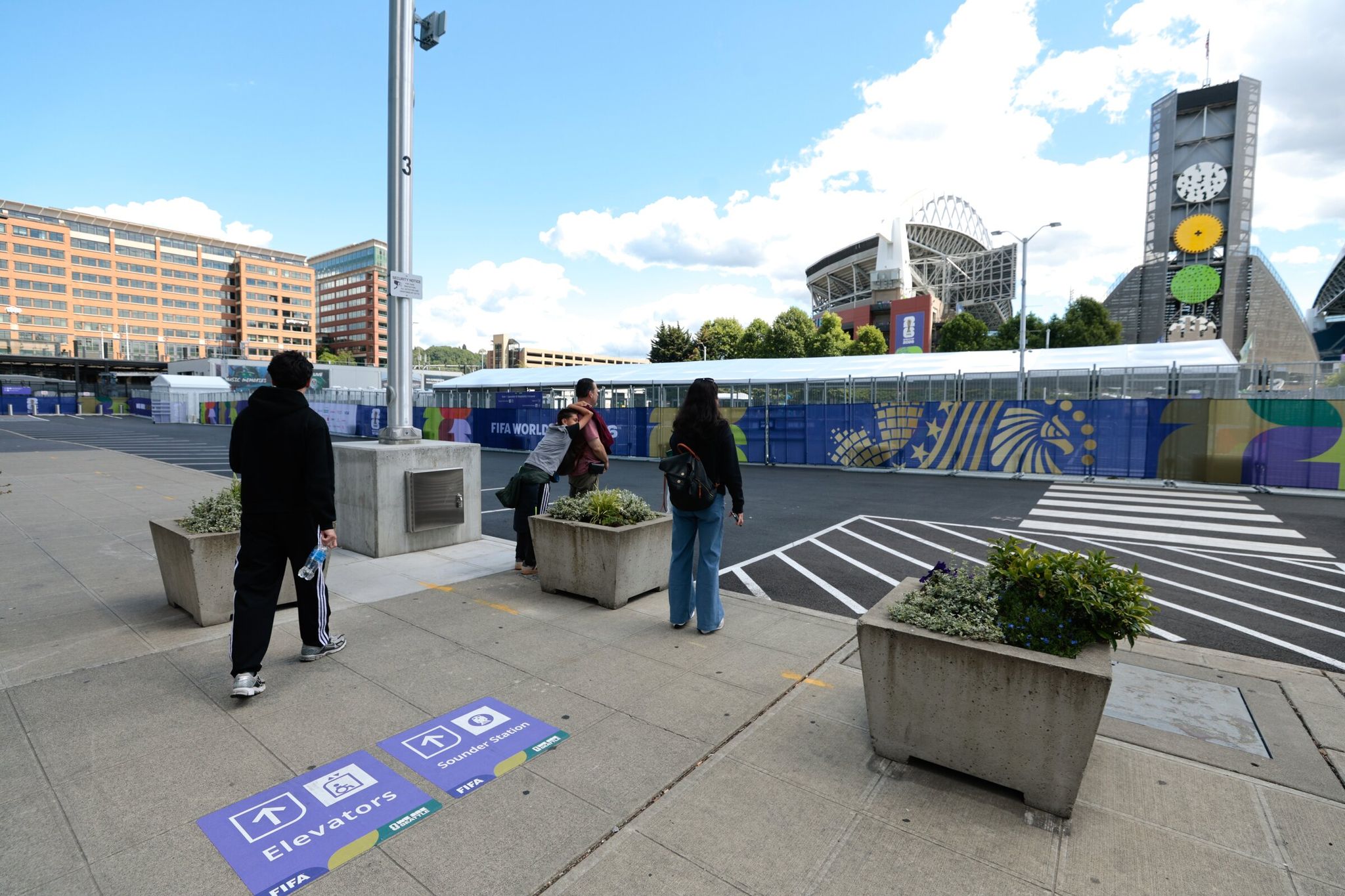
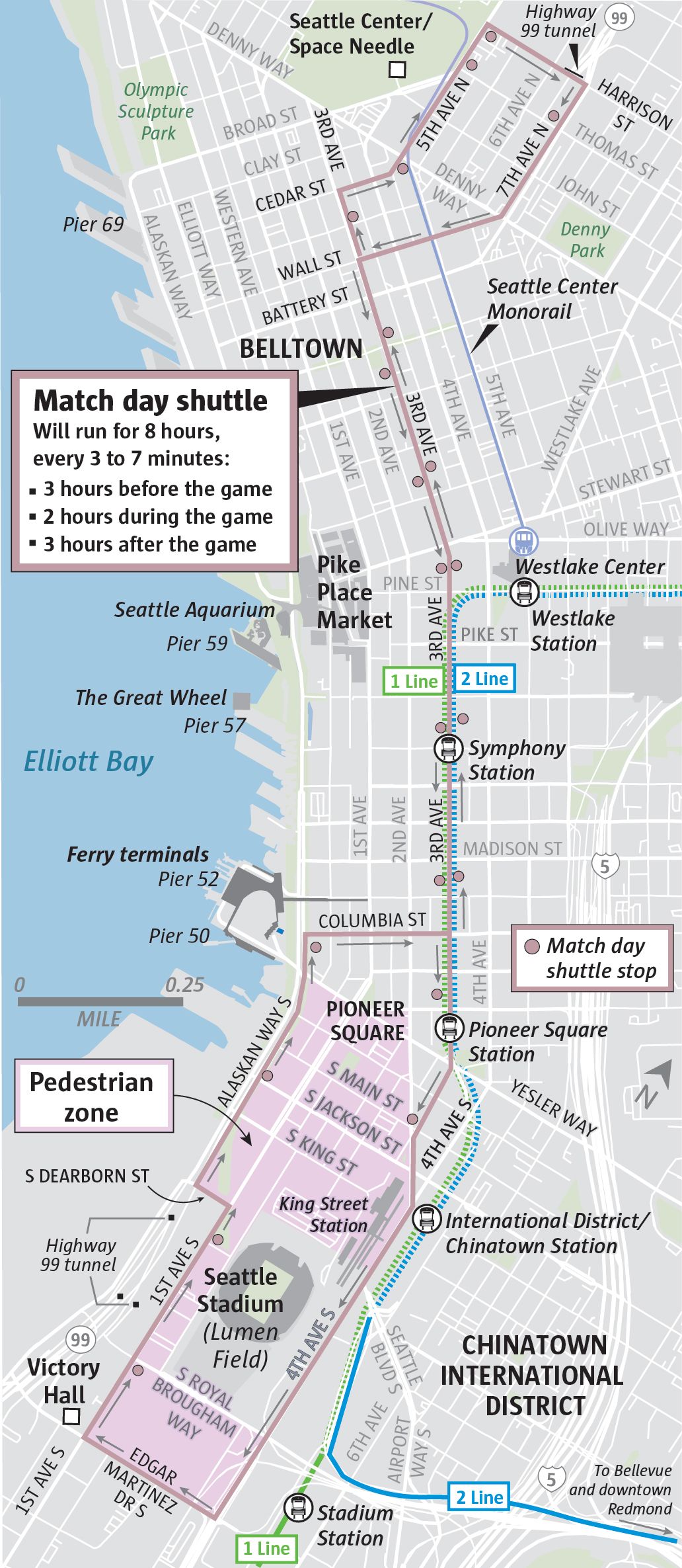
Downtown movement on match days will be virtually paralyzed. Twenty blocks around Lumen Field (renamed "Seattle Stadium") will become pedestrian- and bicycle-only zones. The only exceptions will be a slow lane on First Avenue South and a few other lanes reserved for ferry traffic.
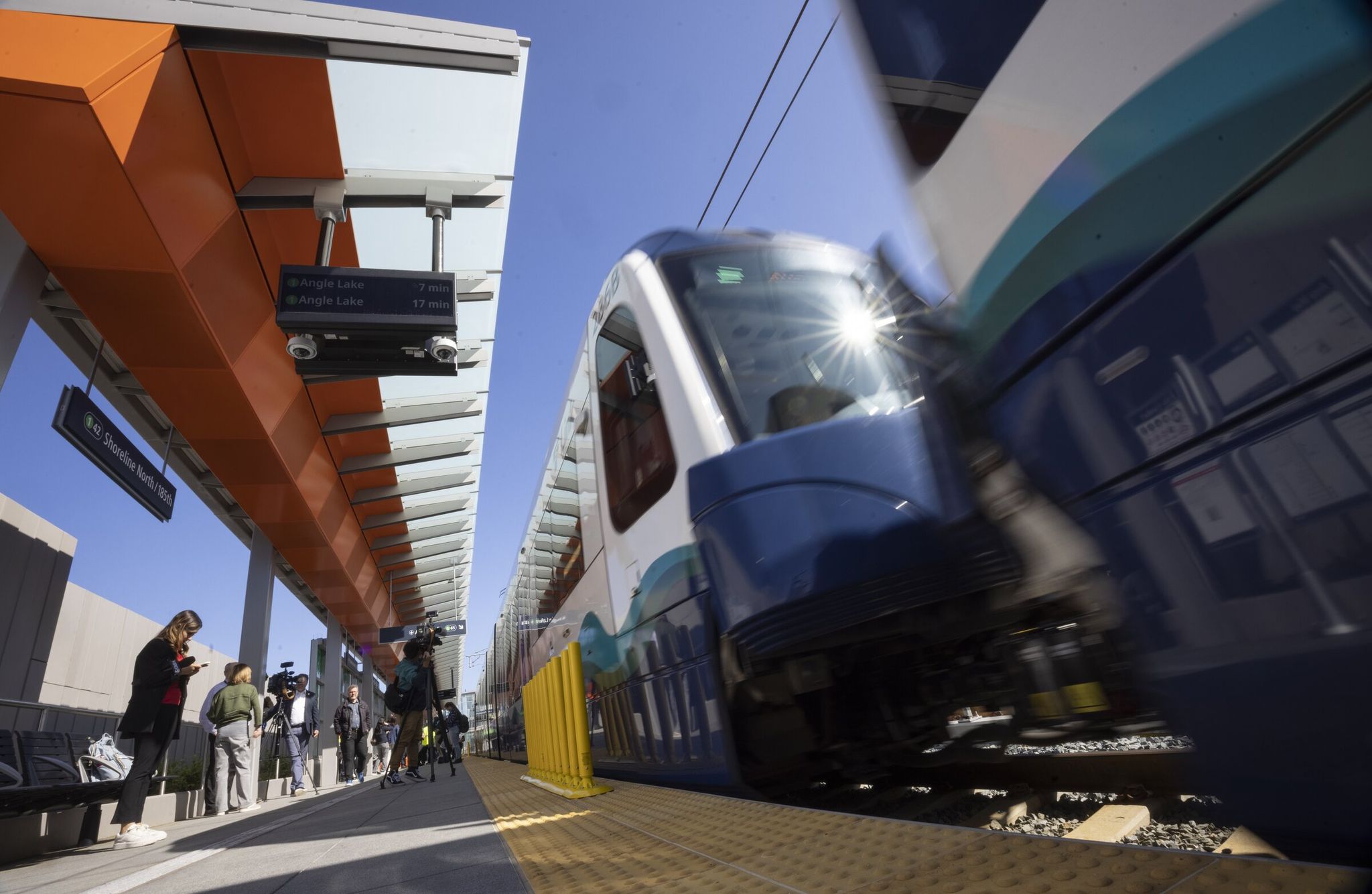
The key way to get to matches is Sound Transit light rail. Riders are advised to spread out across three stations to avoid congestion. Those coming from Lynnwood and North Seattle should get off at Pioneer Square and descend to the pedestrian zone, entering the stadium from the north through three security checkpoints. Passengers from the east side of the metro area and people with disabilities are directed to the International District/Chinatown station. From there, they should walk west along South Jackson Street to the stadium entrance. A more direct route via Weller Street and the pedestrian bridge is reserved for people with limited mobility and Sounder commuter-rail passengers. Guests from the south (Rainier Valley, Seatac, Federal Way) get off at Stadium station and walk a full mile to the stadium entrance. The route winds along Royal Brougham Way past the baseball stadium, then along Occidental Avenue South, where street vendors will operate, as on Seattle Seahawks or Mariners game days.
After matches, all stadium exits will be open, shortening the walk back to Stadium station and to bus stops on First Avenue South. Sound Transit staff will regulate pedestrian flows, directing people into the appropriate queues depending on their destination, as is done after University of Washington Huskies football games, which draw up to 70,000 spectators to Husky Stadium. American college sports, where players are students and teams are funded by universities, can in some cities rival professional clubs in popularity, so for transit agencies every game day is a major event that requires special buses, extra trains and temporary routes.
Free Metro shuttles will run from Seattle Center — a 74-acre cultural complex with the Space Needle and Climate Pledge Arena, built for the 1962 World’s Fair. It was chosen as a shuttle hub because of its central location between stadiums and ferry terminals, large parking capacity and presence of a light rail station. Shuttles will run on Third Avenue, stopping every three blocks and arriving in Pioneer Square every three to seven minutes. They will begin three hours before kickoff and run until three hours after, with the return route along First Avenue South, the Alaska Way waterfront and Columbia Street.
An accessible shuttle will start at International District/Chinatown station and run near the stadium’s southwest gates (Gate 8), which will become a dedicated accessible entrance. Regular bus routes, including RapidRide lines, will operate nearby but may be delayed by traffic. RapidRide differs from regular buses in that it runs more frequently (every 6–15 minutes at peak), has dedicated lanes and traffic-signal priority, features low platforms and shelters at stations. RapidRide lines connect key areas — campuses, shopping centers and transit hubs — which is especially important for the World Cup when fans must be moved quickly from ferry terminals to stadiums.
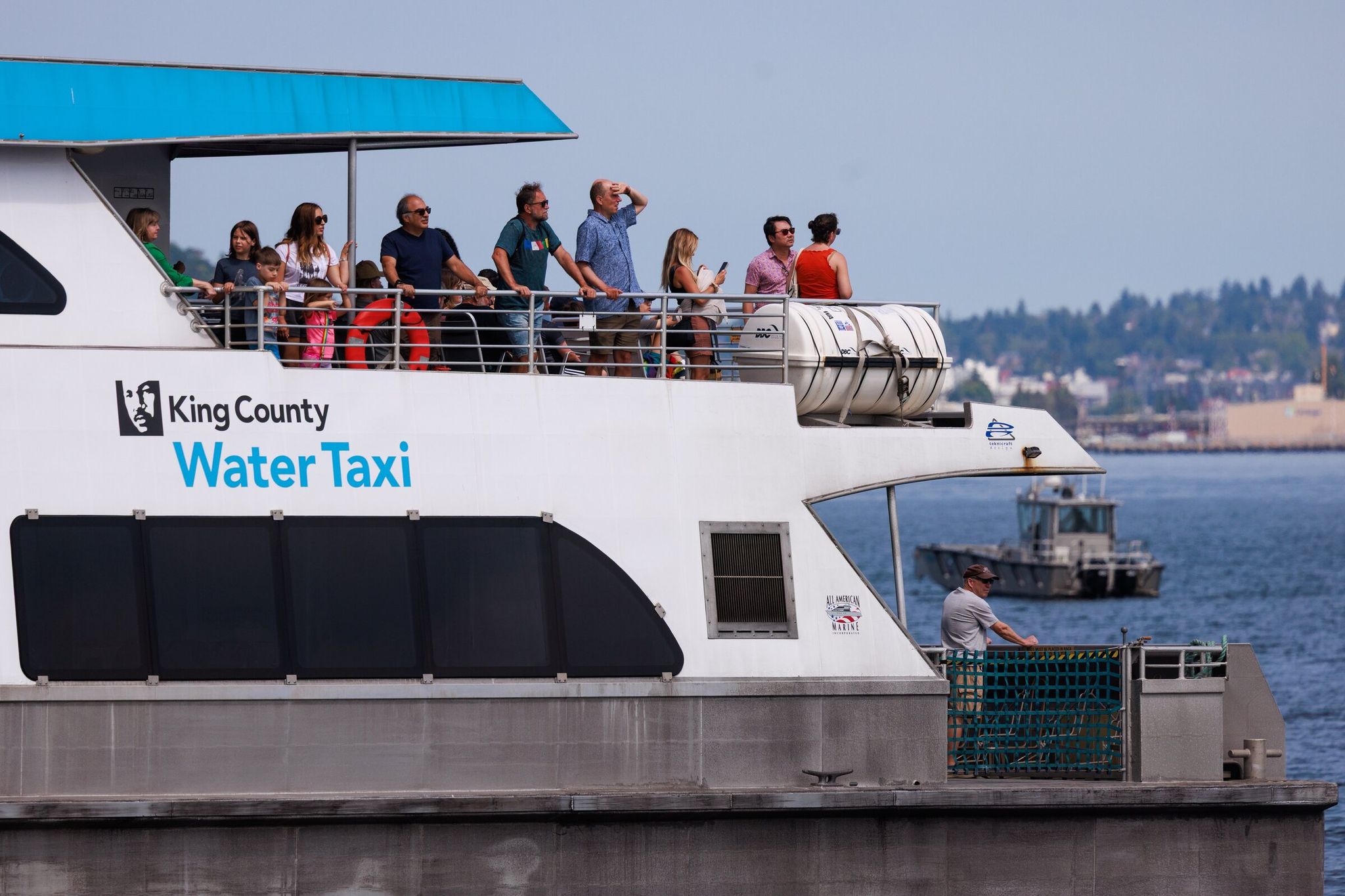
A standard fare for buses and light rail is $3. ORCA (One Regional Card for All) passes are available — a contactless smart card that consolidates fare payment across all regional transit agencies. Without ORCA, riders would have to buy separate tickets for each system; the card automatically calculates fares, accounts for transfers (you pay once within a two-hour window) and offers discounts. A new three-day pass for $18 is also available. Washington State Ferries, the King County water taxi and Sounder commuter trains will operate full schedules with extra sailings and trains on match days.
Taxis will wait for passengers at a dedicated lot at Pier 46, and 58 pickup spots for Uber and Lyft are designated in the Columbia Street, Chinatown and First Avenue South areas. These zones sit outside the pedestrian-only blocks, enabling quick drop-offs and pickups for those who prefer private transport.
Based on: Seattle World Cup: What to know about riding light rail, buses, ferries