A tragic death in a Seattle park, a crisis in Washington’s timber industry driven by regulations and falling demand, and a contentious decision by Stanwood authorities to reactivate a mass video-surveillance program.
Tragedy at Green Lake: body recovered from Seattle lake
On Monday afternoon a tragic incident at the popular Green Lake Park in Seattle shocked the local community. Rescue services were dispatched after a report of a person in the water, but their efforts, unfortunately, were unsuccessful.
As Seattle Fire Department officials confirmed, a body was recovered from Green Lake on Monday afternoon. The incident occurred in the area of the 7200 block of Green Lake Drive North. Fire crews arrived after a caller reported seeing someone in the water. Rescuers pulled a person from the lake at about 3:30 p.m., but, according to the fire department’s official Twitter account, the patient was declared deceased at the scene. Seattle Police Department (SPD) and the King County Medical Examiner’s Office (KCMEO) were immediately notified and will investigate the circumstances.
At this time it remains unclear what led to the person’s death. Authorities have not confirmed whether drowning was the cause and have not released the identity of the deceased. Green Lake is the heart of the park that shares its name and one of the city’s most popular spots for recreation, running and walking for residents and visitors alike. Incidents like this are fortunately rare there, which makes the event especially shocking to the public. The story is developing, and, as MyNorthwest.com notes, updates can be expected as investigators release more information. This sad case serves as a grim reminder of the potential dangers posed by bodies of water, even in seemingly calm, developed urban recreational areas.
Washington’s timber industry facing an uncertain future: regulations, trade wars and falling demand
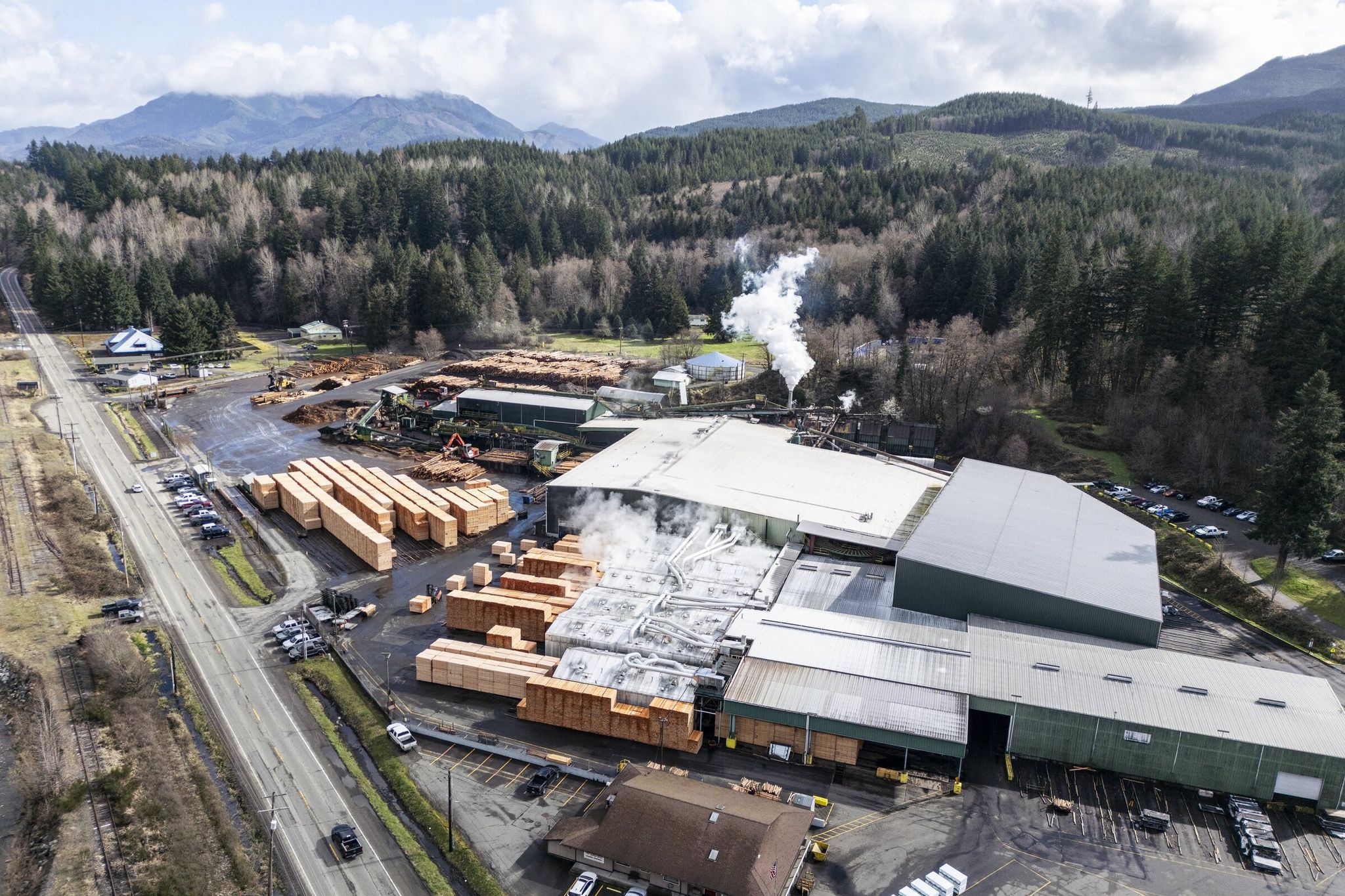
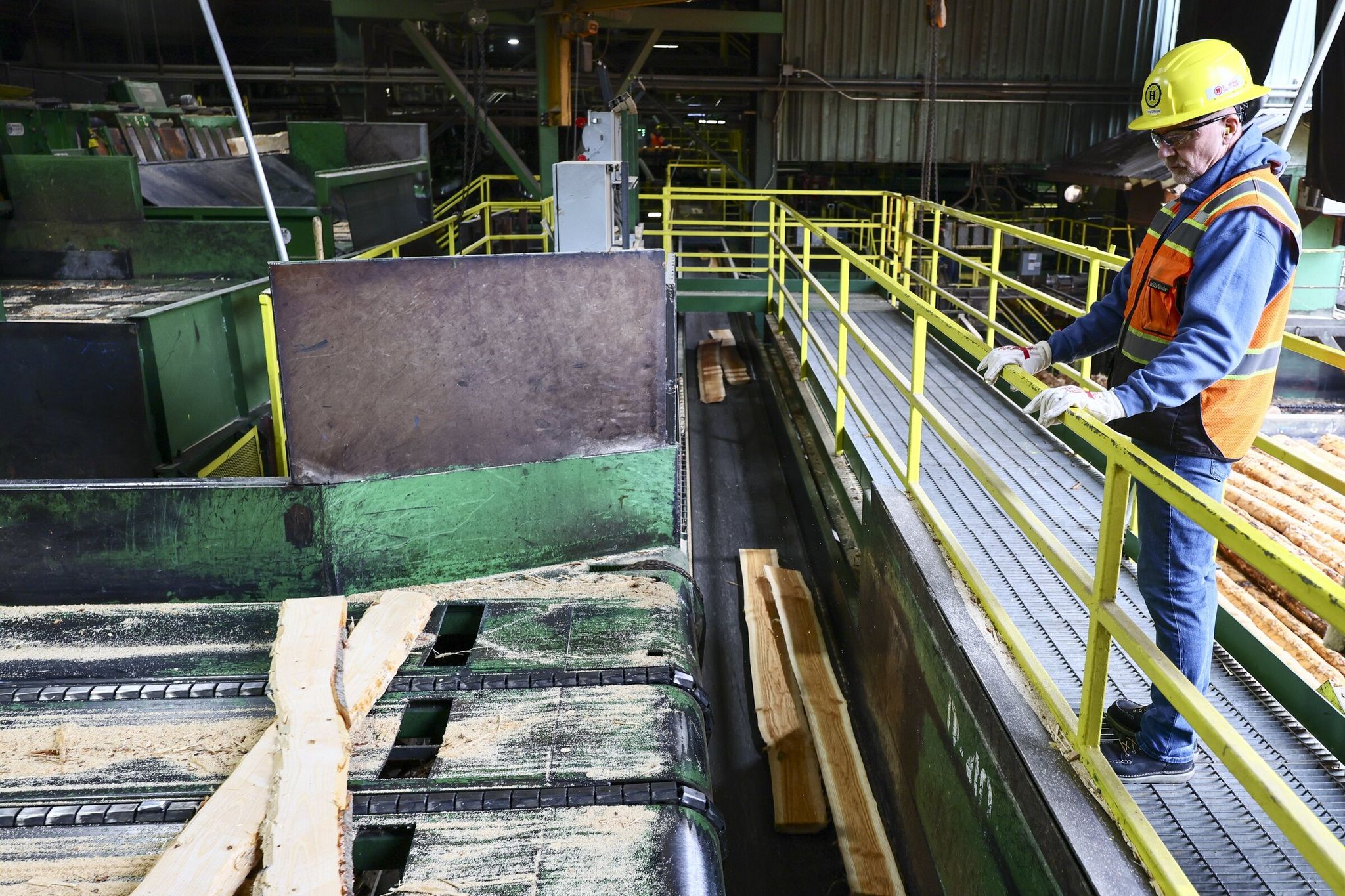
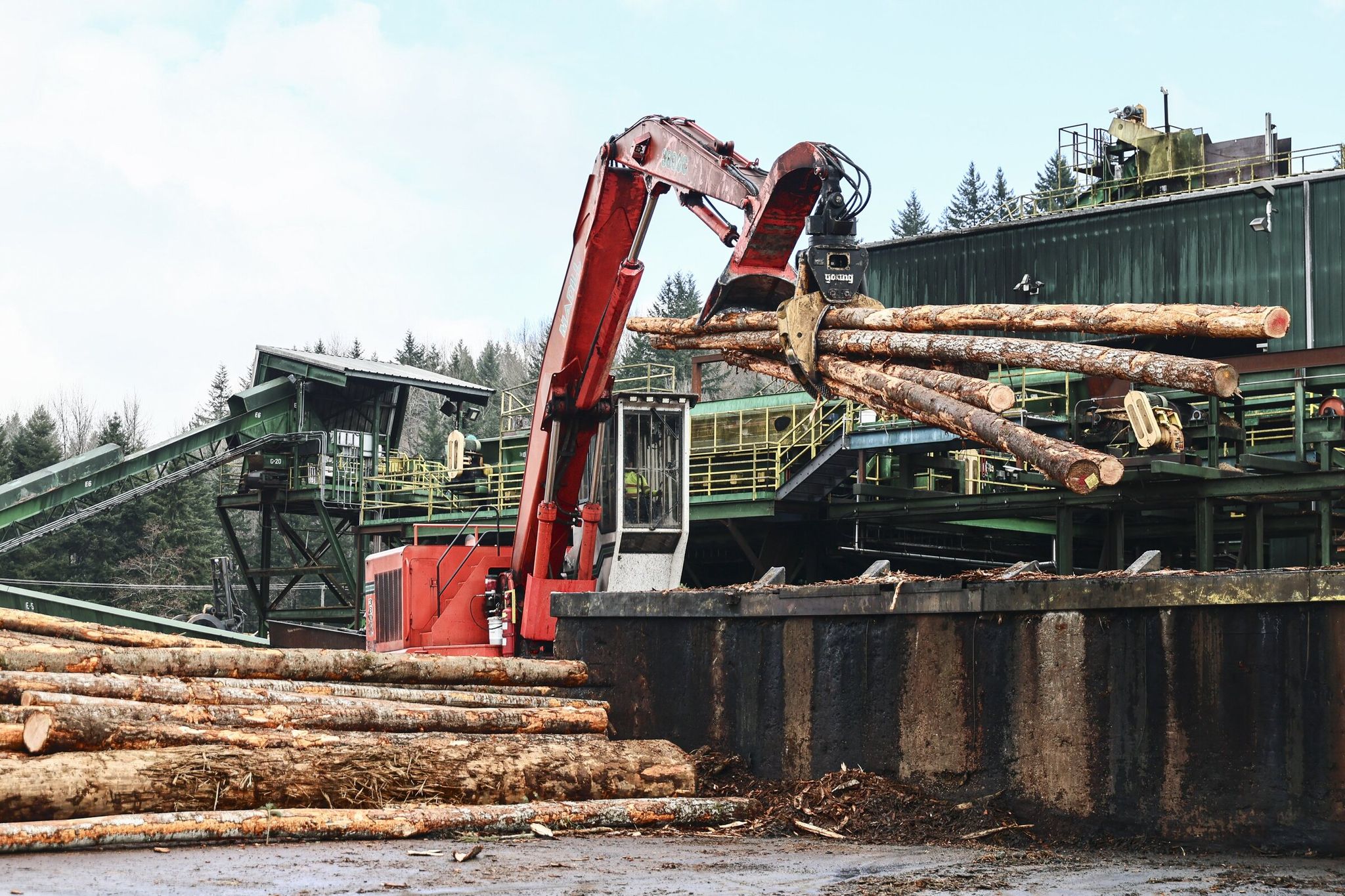
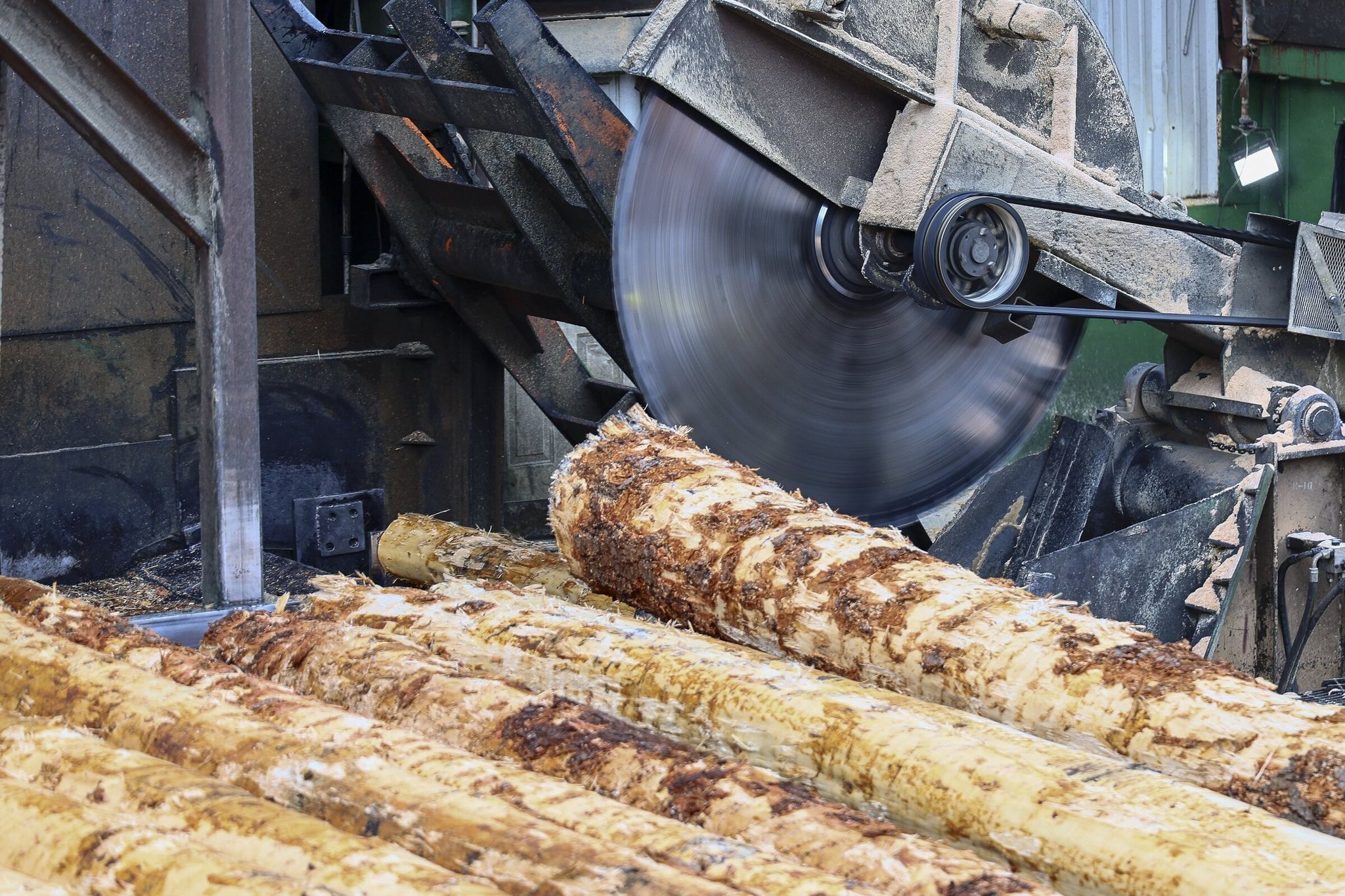
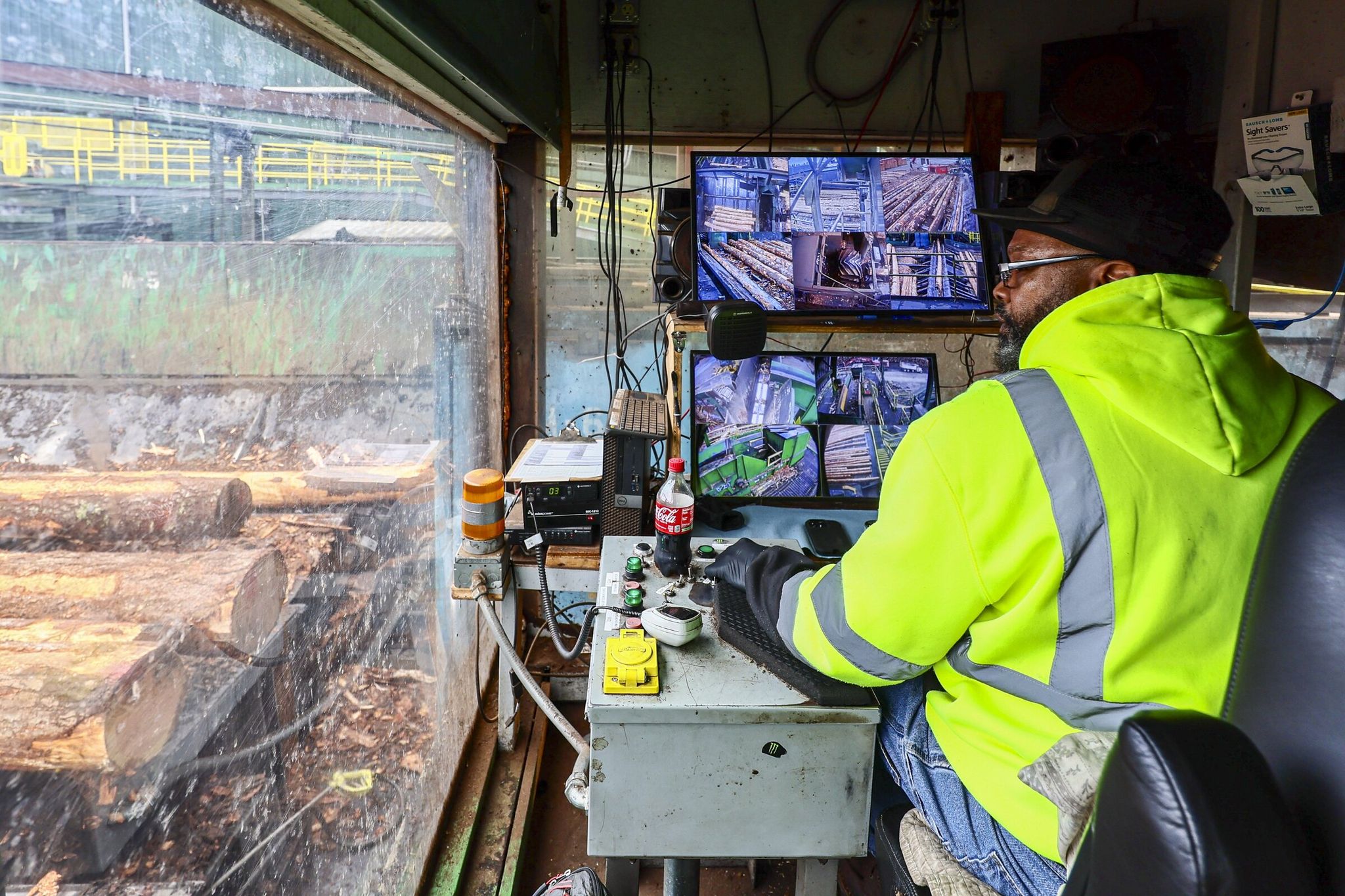
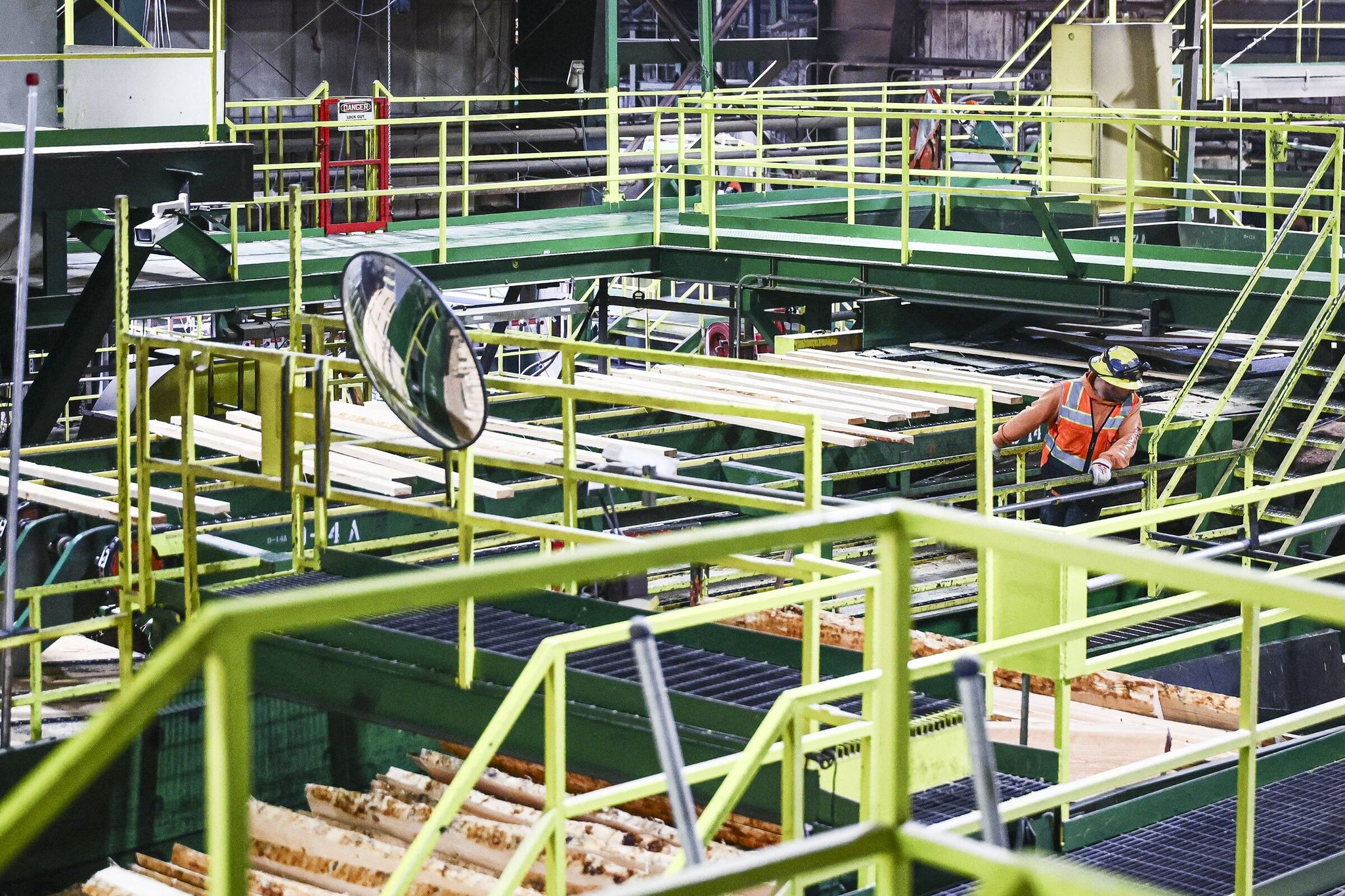
Washington state’s timber industry, once a thriving sector of the economy, is undergoing a deep crisis. Against the backdrop of scenic but sometimes clear-cut hills, the Hampton Lumber sawmill in Lewis County continues to operate. Its manager, Tony Gillespie, who worked his way up from a cleaner to the head of the operation over 40 years, believes in sustainable forestry: “We use every log to the fullest. We plant new trees and grow the forest again... We want this to last for hundreds of years.” Yet the future of the entire industry in the state hangs by a thread due to a combination of internal policy choices and external economic factors.
The main problem, industry representatives who harvest most of the state’s timber say, is the continual shrinkage of lands available for logging. A symbolic recent move that drew sharp criticism was State Commissioner of Public Lands Dave Aptergrove’s August 2023 decision to set aside 77,000 acres of old-growth state forest, including more than 10,000 acres of timber lands, into a special fund to fight climate change. Aptergrove called it “the biggest step forward in forest conservation in a generation,” aimed at accumulating carbon and selling carbon credits. While environmentalists such as Washington Conservation Action supported the initiative, industry players saw it as a threat. Cindy Mitchell of the Washington Forest Protection Association said such actions conflict with the state’s duties as trustee of these lands, which by law are meant to generate revenue for schools and counties from timber sales. That decision is part of a cumulative effect of many smaller restrictions related to conservation rules and the impacts of wildfires, which together have significantly reduced annual harvest volumes.
At the same time the industry is suffering from a downturn in key markets. Domestic demand is closely tied to homebuilding, which in recent years has stalled due to high interest rates and rising costs. According to the National Association of Home Builders, housing starts in western U.S. states fell to 300,000 units last year from 401,000 in 2021. Export opportunities, which once provided relief, have also dried up. As reported by The Seattle Times, Washington timber exports in 2025 hit a 21-year low — about $542 million, far below the $1.9 billion peak in 2013. Trade wars from the Trump era and tariff uncertainty inflicted heavy damage. Especially painful was China’s eight-month halt on U.S. log imports in 2025. Although the ban was lifted, giants such as Weyerhaeuser planned to send their first shipment to China only by early 2026. The traditional Japanese market was also lost due to competition from Europe and government subsidies favoring domestic timber.
Under these conditions companies are reorienting toward more business-friendly regions like the U.S. South. Hampton Lumber has already announced it will build its first sawmill in South Carolina. According to Kristin Rasmussen of Hampton, local policies make investments in Washington increasingly unjustifiable. The threat of plant closures is becoming real for single-industry towns. In Centralia an NWH lumber mill permanently closed in March, laying off 70 workers. Employment in the sawmilling and wood products sectors nationwide has fallen to about 85,000 people — the lowest since 2013. As Cindy Mitchell notes, in Seattle people can find other work, but not in rural communities where a mill is often the town’s economic backbone.
A key question facing the industry is the economic viability of forest management. Kent Weyer, director of the Center for International Trade in Forest Products at the University of Washington, warns: “If we don’t provide an economic incentive for proper forest management, people will turn it into parking lots.” That pressure is especially felt in King County, where demand for land for development is high. Small landowners may delay harvesting in hopes of better prices, but sawmills need a steady flow of raw material to operate profitably.
Despite the gloomy forecasts, people like Tony Gillespie see fundamental value in their work. Most of the 162 employees at his mill are local residents of Lewis County. For them producing lumber is not just a business but a way to provide for people’s basic needs. “Everyone needs a home,” Gillespie says, “and most of the houses we live in are made of wood.” The industry’s future will depend on whether the state can find a balance between climate ambitions, the economic interests of timber communities, and the need to supply the nation with wood.
Stanwood officials reactivate controversial surveillance camera program
In the small town of Stanwood, Washington, local officials have decided to reactivate the Flock Safety automatic camera system after a period of deactivation. The decision, reported by KIRO 7 News Seattle, rekindles the debate over the balance between public safety and privacy in an era of pervasive surveillance.
The Flock Safety camera system is a network of automatic license plate recognition (LPR) cameras installed in public places. These cameras do more than record video; they continuously scan the license plates of passing vehicles, matching them against extensive databases in real time. If the system detects a vehicle associated with a criminal investigation, a stolen vehicle, or a missing-person report, it instantly alerts police. That ability to quickly identify “suspicious” vehicles is the chief argument Stanwood officials cite for reactivating the program. They claim the technology is a powerful tool for preventing crime and solving cases, especially in small communities with limited police resources.
However, the technology has a controversial flip side that raises serious concerns among civil liberties advocates and some residents. The primary issue is the creation of a mass database of the movements of virtually every citizen whose car passes the cameras. Data about the time, place and routes of each vehicle can be stored for months, creating a detailed map of people’s private lives: where they work, whom they visit, which clinics or community centers they go to. Critics, including the American Civil Liberties Union (ACLU), point to risks of abuse: the data could be used to surveil dissenting activists, journalists, or ordinary citizens without judicial oversight. There is also the danger of hacking or unauthorized access by law enforcement personnel themselves.
The decision in Stanwood was made after public debate and likely includes certain new conditions or restrictions on data use, though the brief article announcement does not detail them. Nonetheless, this case exemplifies a nationwide trend in the U.S. of hundreds of towns deploying such systems, often without broad public discussion or clear legal frameworks. The spread of the technology is frequently driven by isolated high-profile successes in catching criminals, which can overshadow the more complex, long-term privacy issues.
Thus, reactivating Flock cameras in Stanwood is not just a technical choice but an important precedent. It shows how modern technology forces society to redefine the boundaries of acceptable surveillance. On one hand are potential safety gains and help for police; on the other is the threat of turning into a surveillance society where every movement is recorded and analyzed. The outcome of this local story could influence the path other small towns take as they weigh protecting residents against safeguarding their fundamental rights.