
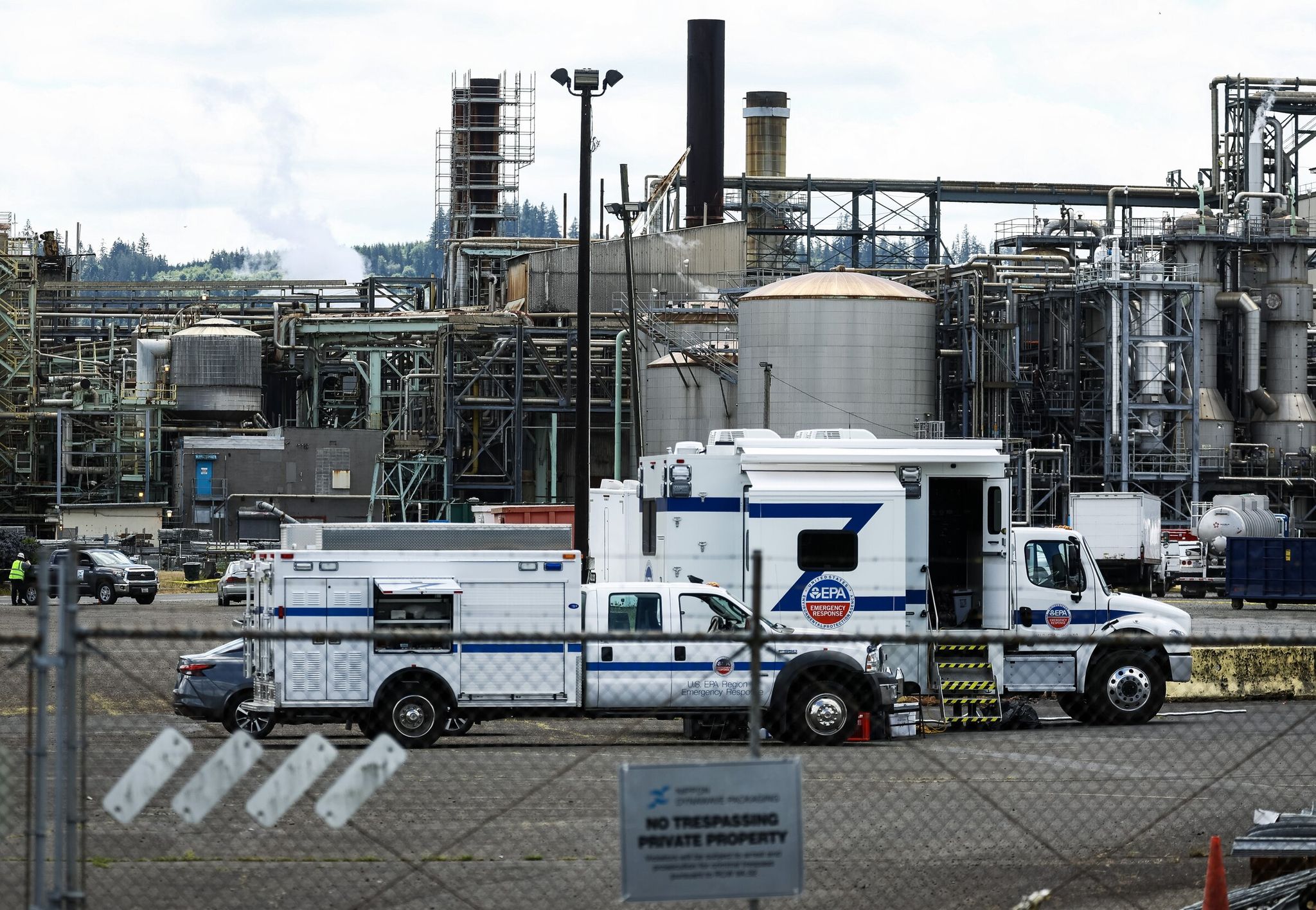
On Saturday, rescuers recovered the body of the final missing worker — the ninth person unaccounted for at the site of the Nippon Dynawave Packaging Co. plant in Longview — concluding a multi-day operation that began Tuesday. The disaster occurred when a chemical tank ruptured during the morning shift, unleashing a flow of caustic substances onto part of the pulp-and-paper complex. Authorities released the full list of 11 deceased at a press conference and described the hazardous conditions faced during the search.
Longview is an industrial center in southwest Washington state dominated by pulp-and-paper mills, metalworking and chemical production. Unlike Seattle, where the economy is driven by tech and services, Longview relies on heavy industry and international ports on the Columbia River, making it more vulnerable to commodity-cycle swings. Japanese company Nippon Dynawave chose the city for access to inexpensive hydroelectric power, a deepwater port and a skilled industrial workforce. Foreign investment brings jobs and tax revenue, but decisions about modernization or plant closures are often made at overseas headquarters, reducing local control over the economy.
Those killed included both recent hires who had worked at the plant less than six months and long-time employees with 15 years’ service. The tragedy took two brothers, a devoted grandfather and a man who had planned to leave early to accompany his wife to an ultrasound for their expected child. Families lost breadwinners and the community lost people who were part of its everyday life.
Among the dead was 35-year-old electrician Jared Ammons, who joined Nippon Dynawave two years ago to be closer to home. His wife, Mackenzie, said he took pride in his work. 52-year-old Gilbert Bernal of Kelso, also an electrician, was the first to be publicly identified after the blast. A friend called him “a solid guy and a good person,” whose life revolved around his family.
Brothers Brad and Tyler Covington of Castle Rock also died. 27-year-old Brad worked as an electrical technician, and 29-year-old Tyler left behind a fiancée and three young children. Their deaths underscored how employment at local plants is entwined with family ties across generations.
26-year-old Clint “CJ” Doran was remembered as deeply religious and devoted to his family. Electrician Braydon Fincas, 38, had worked at the plant since 2016 and lived with his partner in Cathlamet. John Forsberg, 51, left two children; a friend wrote on a fundraising page that his family is experiencing “an unimaginable and profound loss.”
Friends of the family confirmed the death of Dillon Miller. “Dillon was a devoted father and future husband who meant so much to so many,” wrote a family friend. 54-year-old Dale Miller of Portland, a journeyman mechanic, had been on the job only since December; officials clarified that the two Millers were not related.
The list of dead also includes 48-year-old Robb Wilson, whose son pleaded for prayers for his father. 58-year-old Norman Barlow was among the last publicly named. Each new name deepened Longview’s grief, where the plant is the largest employer and the victims were part of tightly interwoven social circles.
Longview has long tried to diversify its economy, but the loss of major plants in the past has led to higher unemployment and population decline. Washington state enforces a “Process Safety Management” program with stricter requirements for leak reporting and inspections, but prior major accidents — including the 2010 refinery explosion in Tacoma and the 2017 fire at the Simpson Timber plant in Longview — have strengthened scrutiny of chemical sites. The International Brotherhood of Electrical Workers (IBEW) union, through collective bargaining, demands strict safety standards and can halt work if violations are found, conducting independent inspections, though ultimate oversight rests with government inspectors.
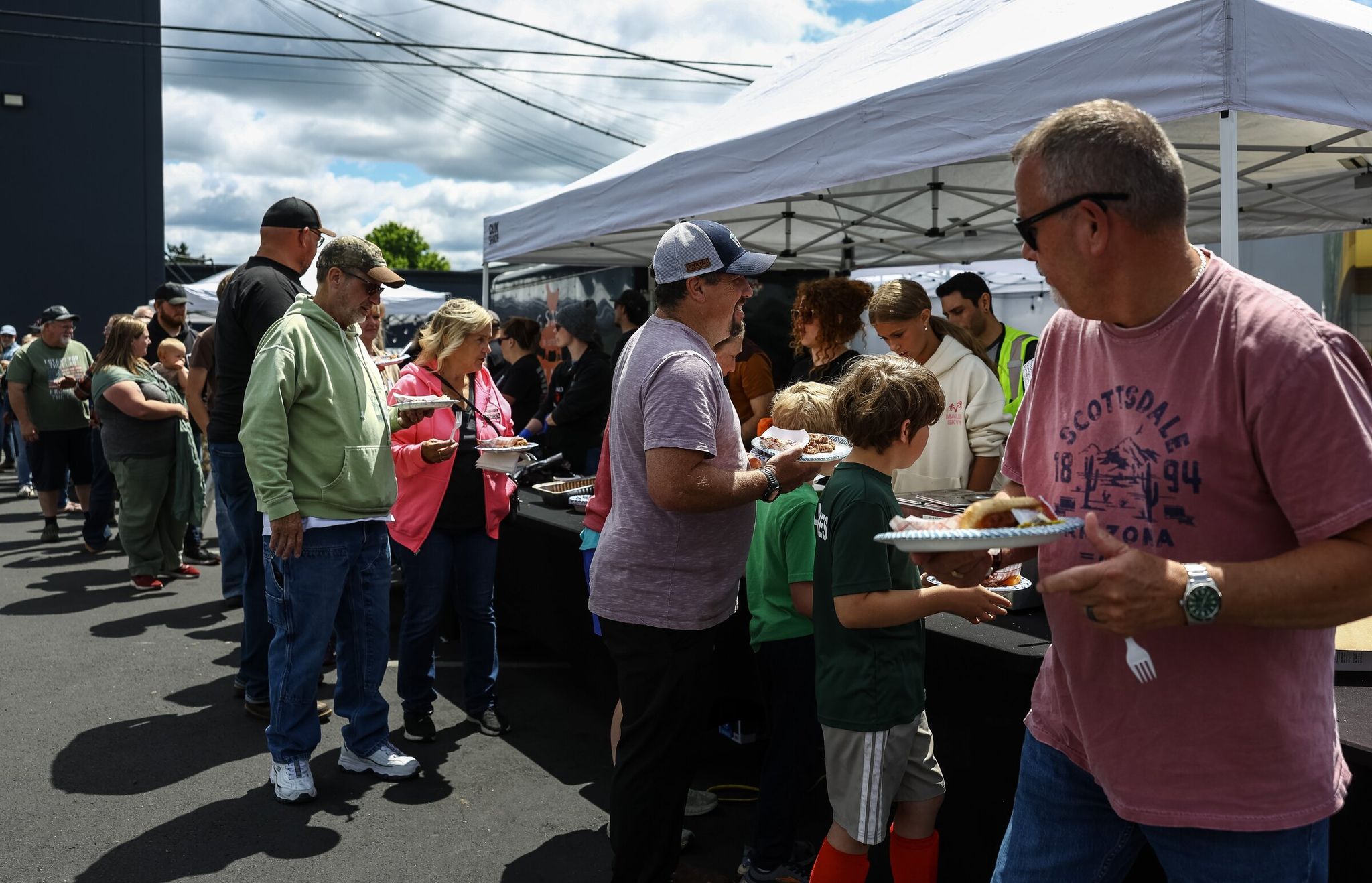
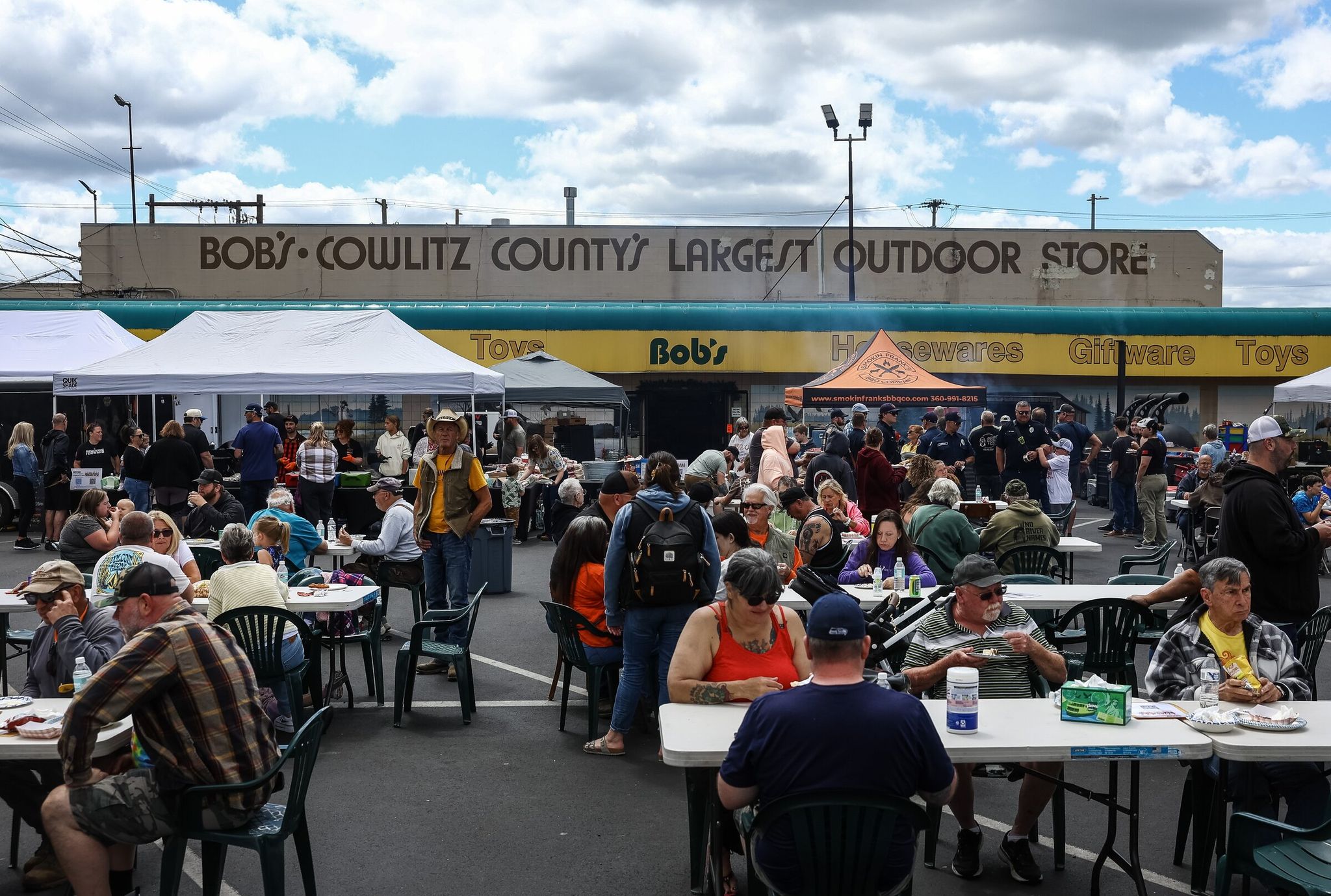
At Saturday’s fundraiser, hundreds queued for plates of barbecue and desserts. “My dad worked at that plant for 40 years, my best friend — 40 years, and the husband of that woman with the baby left two hours before the accident,” said 66-year-old Tim Stromberg. He noted the community response showed how people in Longview “don’t waste any time” when one of their own is in trouble.
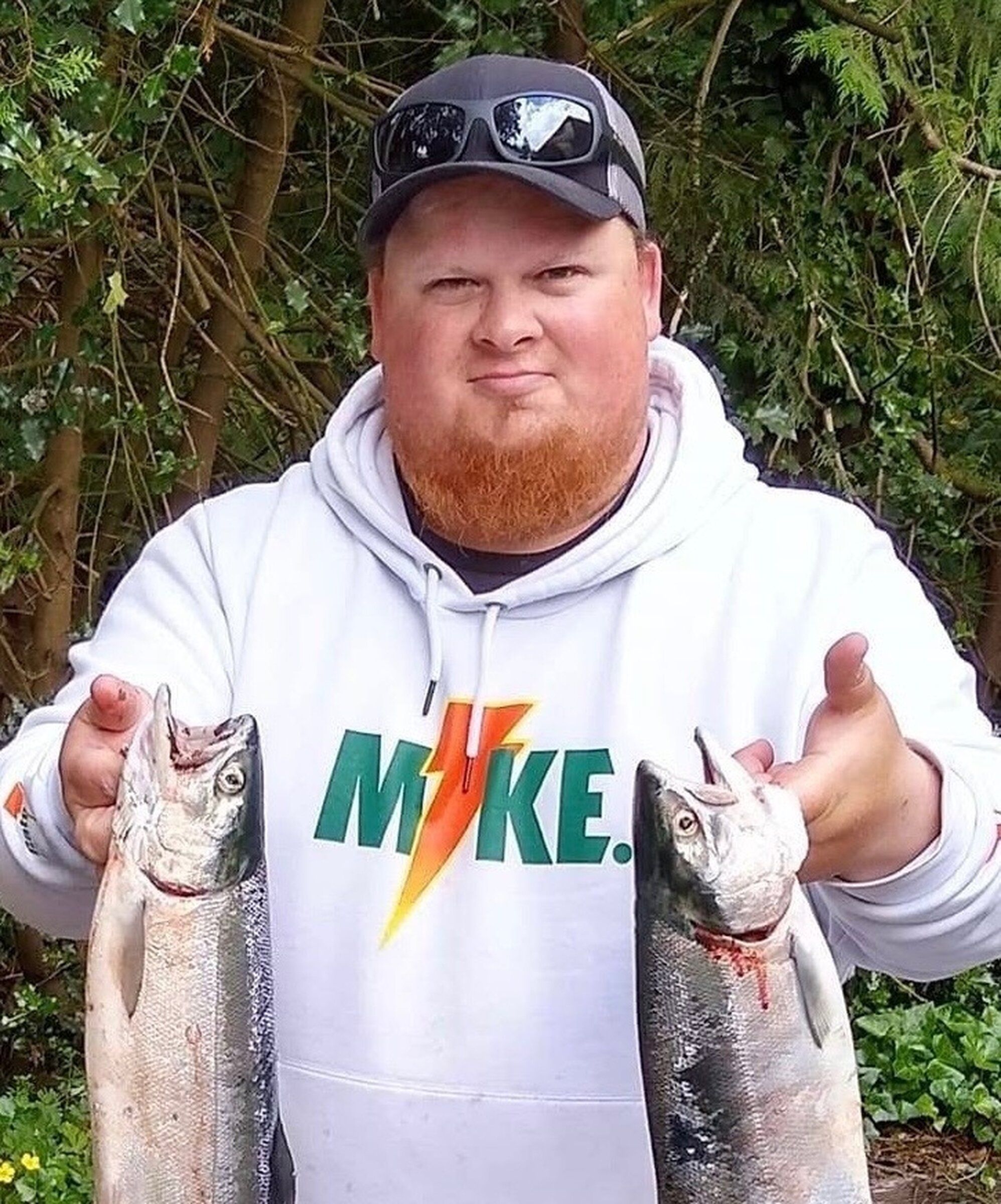
Union representatives, including members of the International Brotherhood of Electrical Workers, collected donations. 55-year-old Mike Bridges said he immediately started calling people when he saw the news of the blast. 45-year-old Diana Winter noted the union opened an official account to prevent fraud and ensure funds reach the affected families.
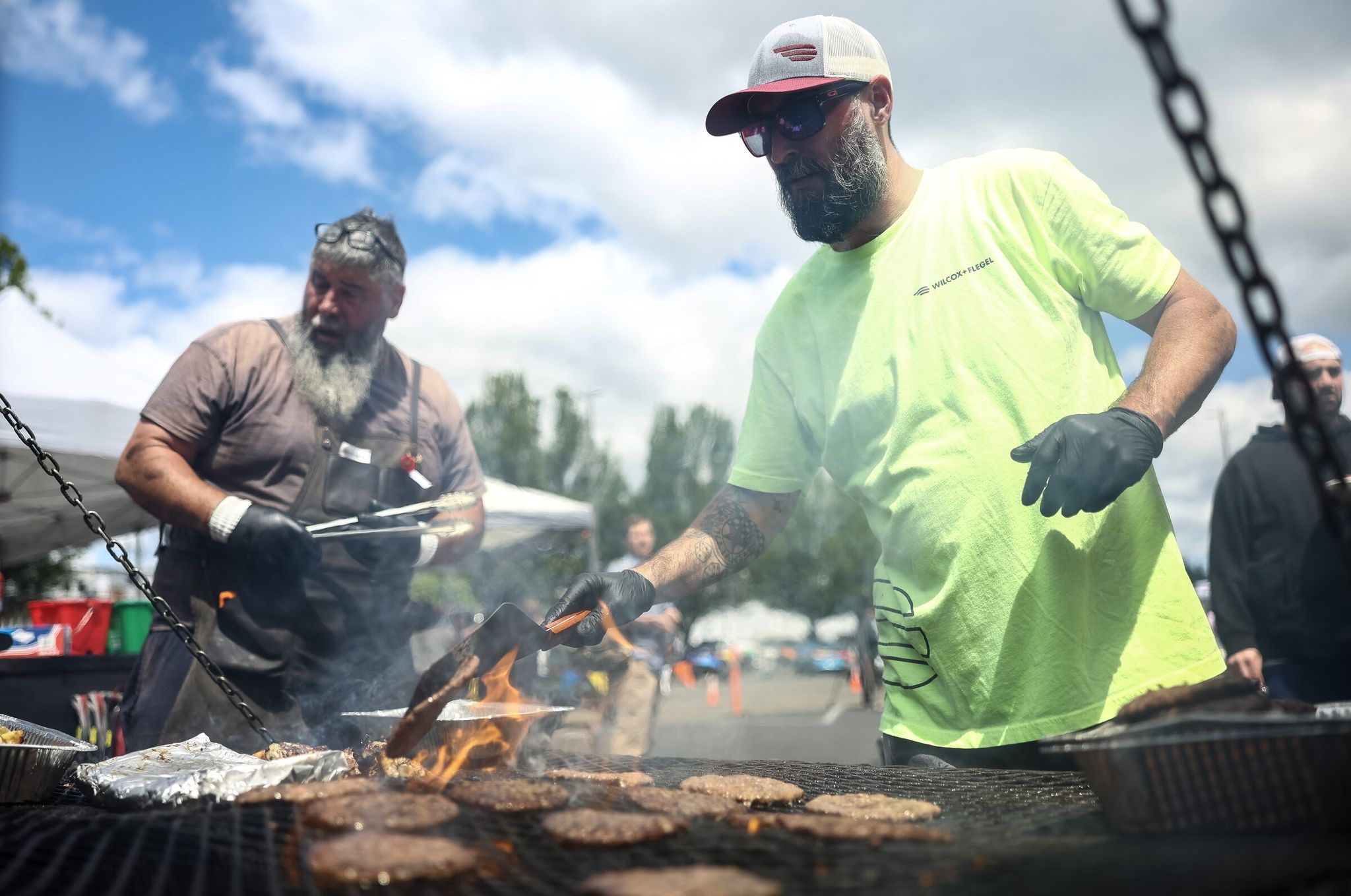
The Pacific Northwest Barbecue Association — a nonprofit that holds barbecue competitions and festivals — raises money to help disaster victims and pay for funerals. After plant accidents, they organize fundraising through BBQ contests, an example of a hybrid charitable model common in small U.S. towns. Association member Jacob Hauglum said barbecue brings people together even in hard times. By the time teams arrived, about 3,600 kilograms of meat had been donated, turning the parking lot into an improvised kitchen.
Sporting goods store owner Matt Schlecht, 51, reflected on the day’s somber purpose: “It’s still hard to grasp the scale of what happened.” He emphasized that beyond raising money for rent and food, it was important to create a space for people to gather and talk. At the farmers market, several vendors pledged a portion of proceeds to the workers’ families.
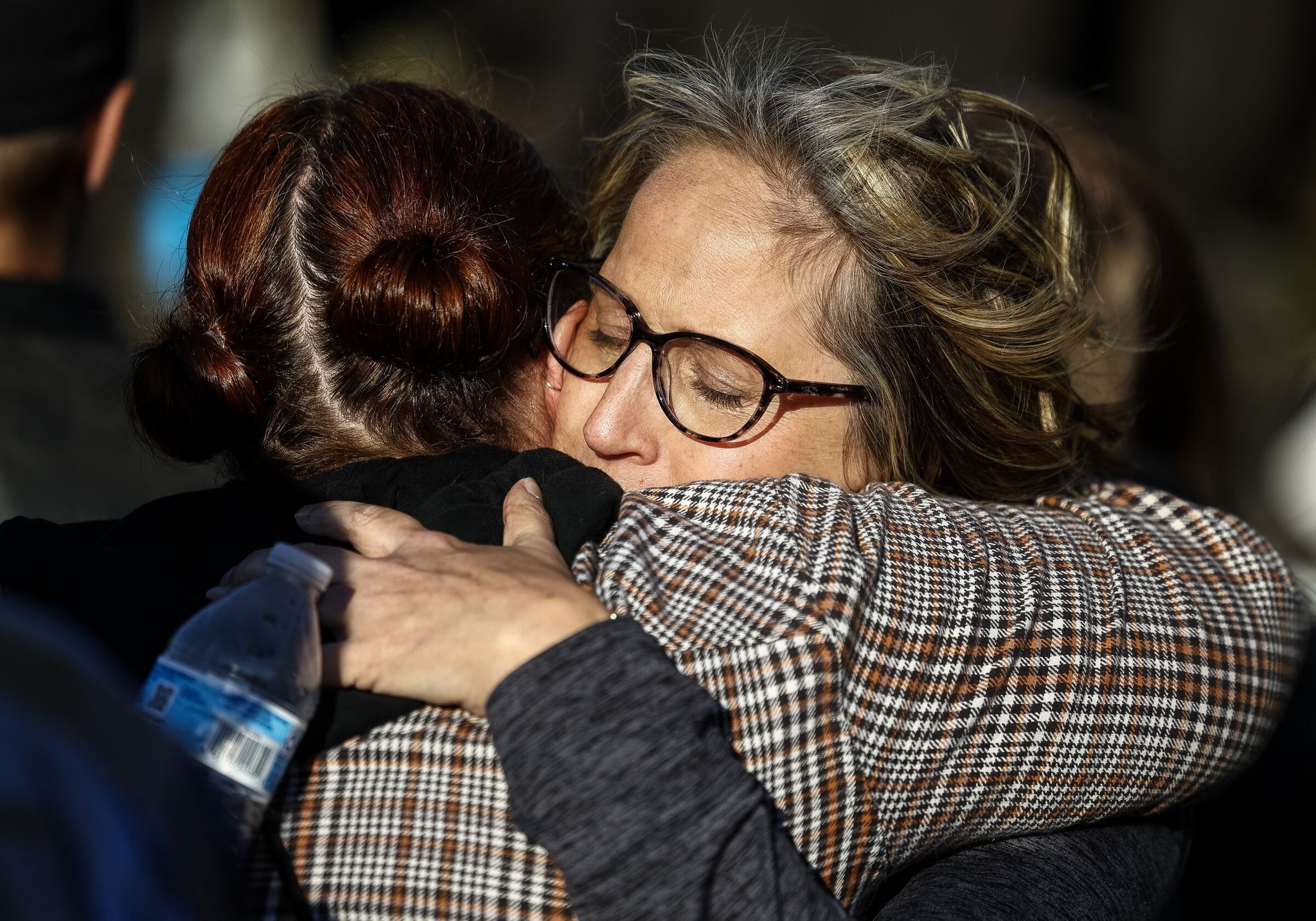
In the evening, about 40 people gathered at the plant entrance for a vigil. Mourners laid flowers and homemade signs at the locomotive memorial. The stepfather of two victims called for increased safety at industrial sites, calling it “critically important.” Signs reading “Longview Strong” and “Justice Demanded” hinted at the next phase — an investigation into the causes of the accident and steps to prevent future disasters.
The slogan “Longview Strong” has become a symbol of community resilience after industrial disasters. Unlike “Seattle Strong,” which is associated with collective recovery from the pandemic and unrest,
Based on: 11 identified in Longview disaster: ‘Still hard to grasp the magnitude’