
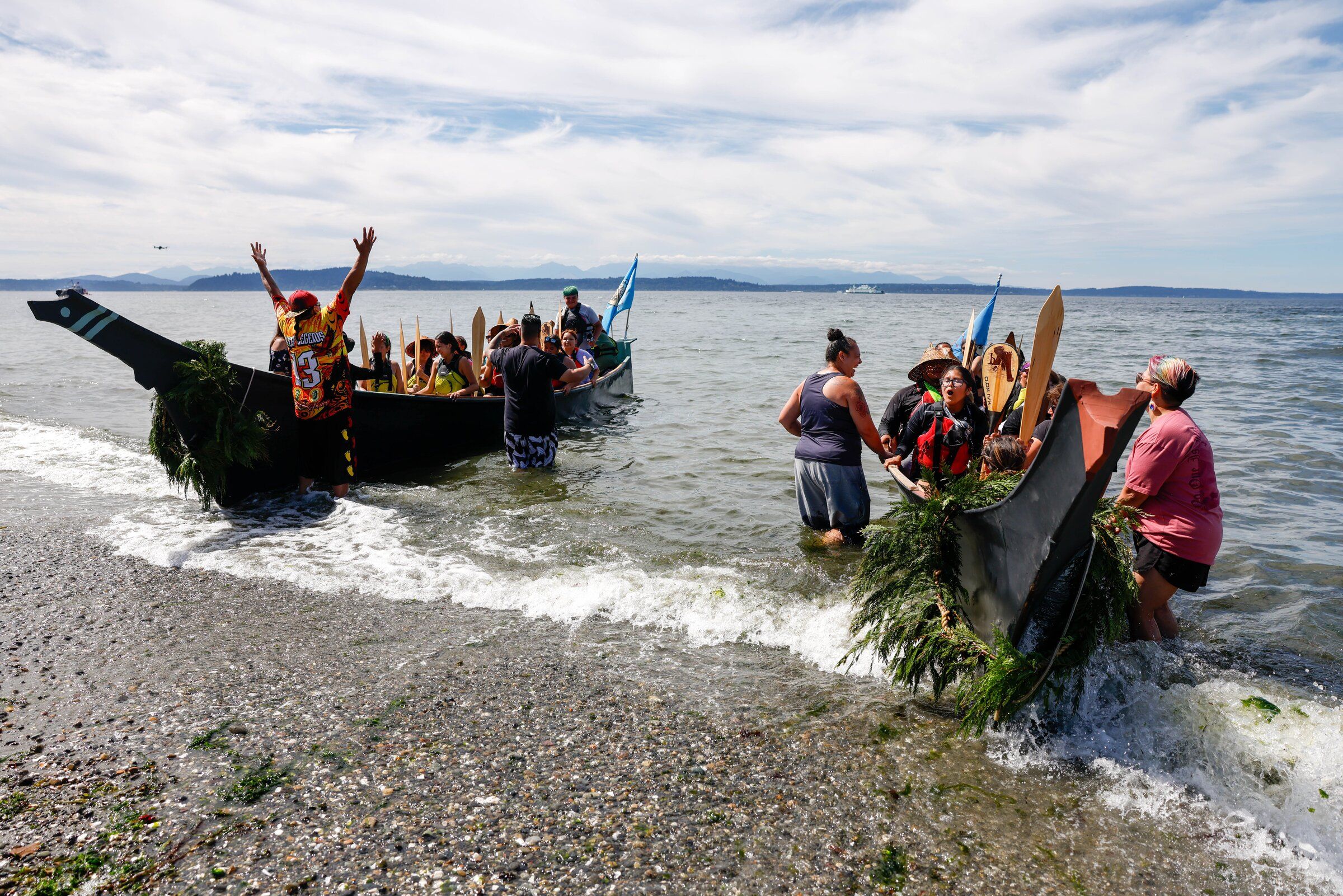
About 130 canoes took part in the annual intertribal journey along the ancestral waterways of the Pacific Northwest. Participants traveled to the traditional lands of the Nisqually people in the southern part of Puget Sound, including the Nisqually River watershed and the area around Puyallup. There, they were welcomed for the final landing and a multiday potlatch — a ceremony featuring songs, dances, storytelling and gift exchanges.
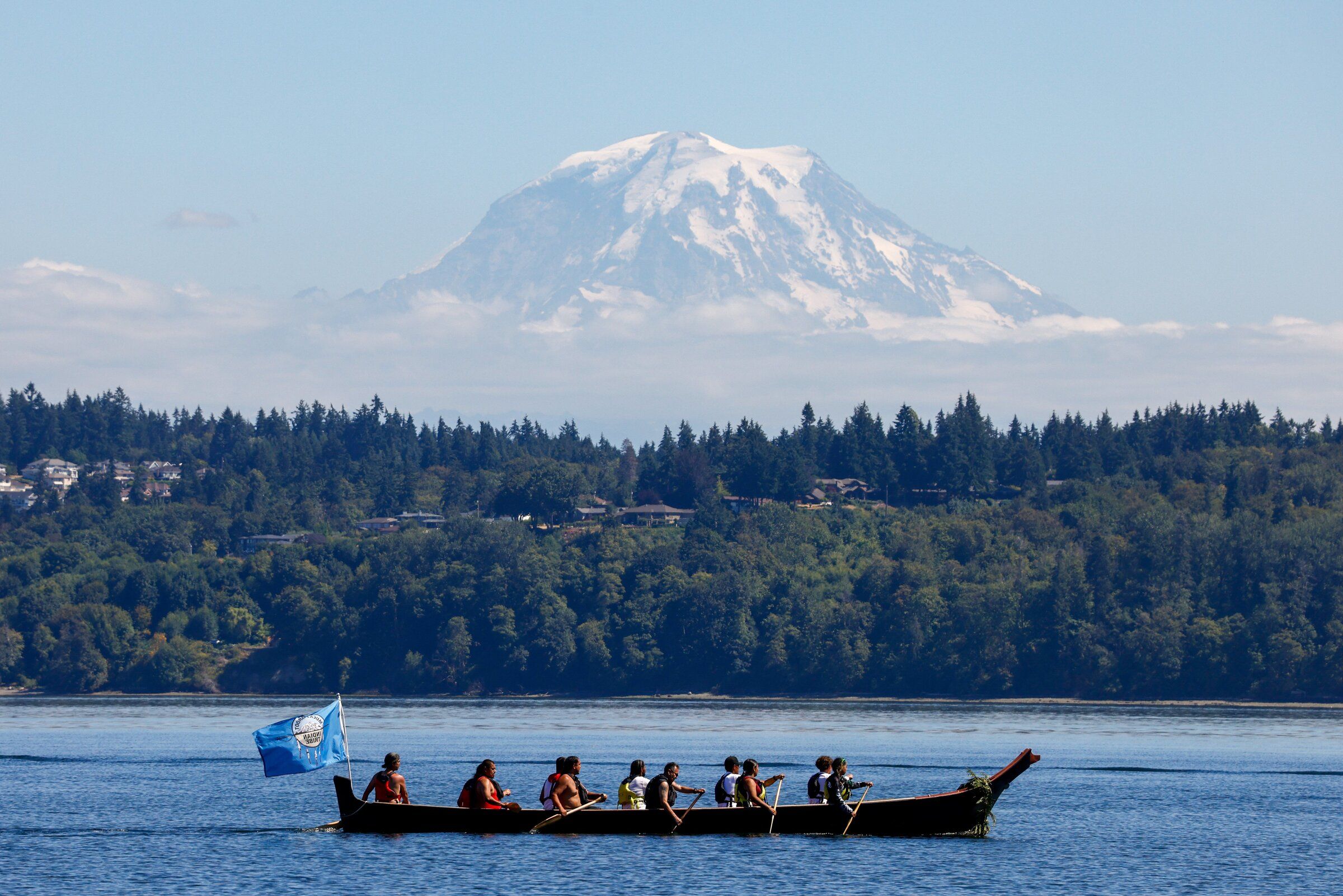
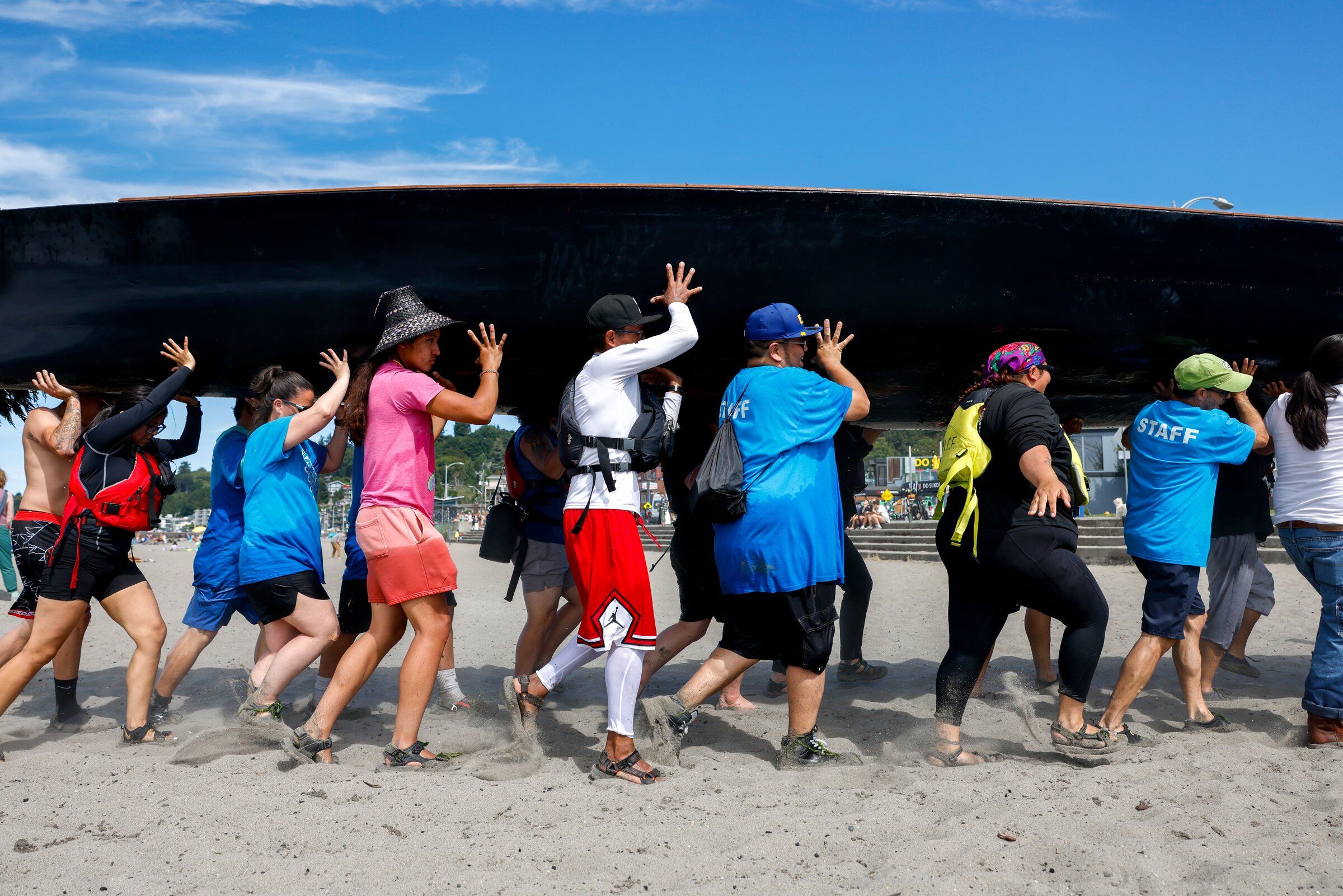
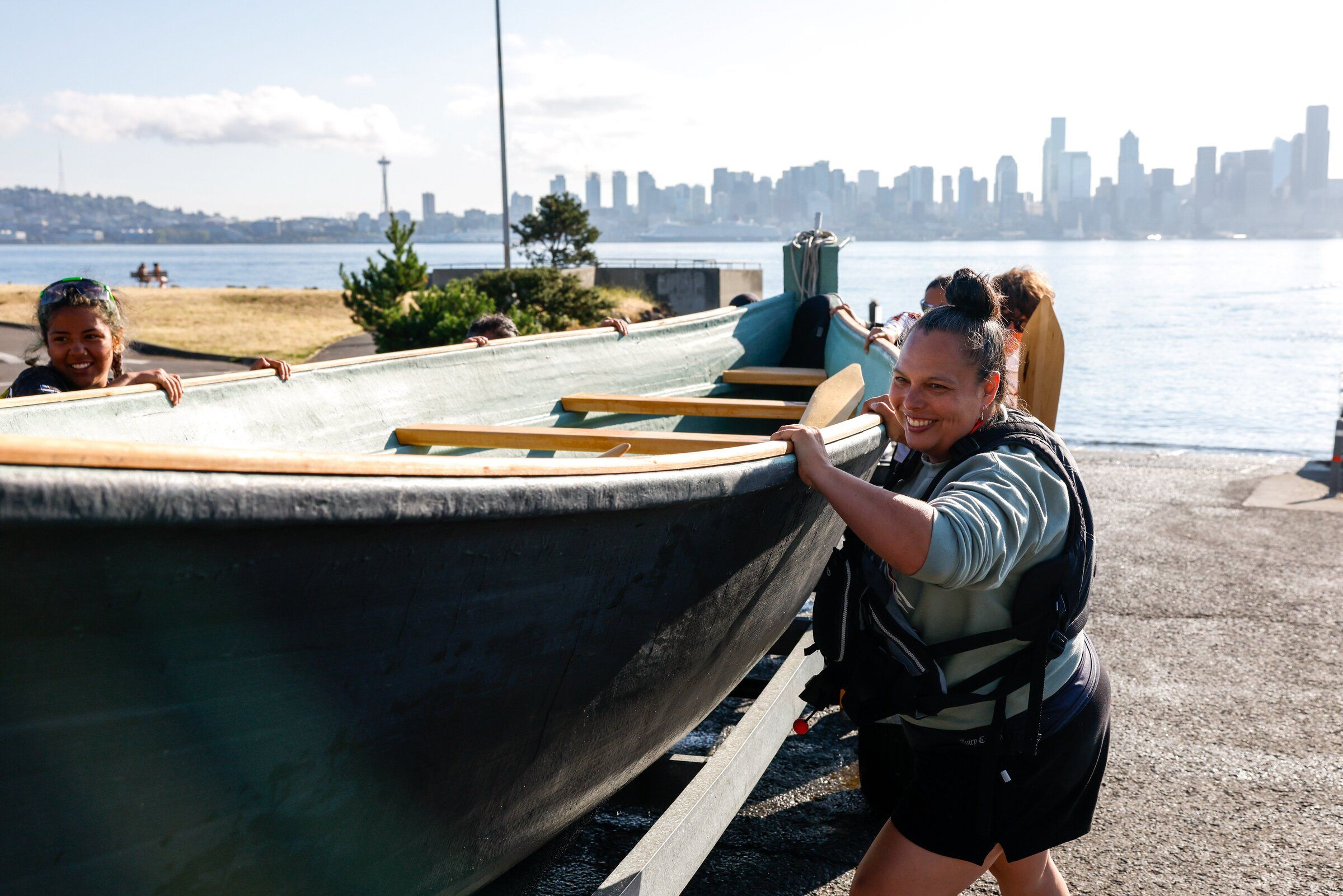
The Muckleshoot canoe family began its journey in Birch Bay, north of Bellingham. On the ninth day, participants traveled from Alki Beach in Seattle to Puyallup, leaving one final crossing to Nisqually. Elliott Bay and the Alki area are considered an important part of the traditional water corridor connecting Puget Sound communities. However, the route requires particular caution because of tidal currents, wind, waves from ferries and other vessels, cold water and rapidly changing weather.
The journey included calm and rough waters and required coordinated work from paddlers, dancers, medics, support crews and camp teams. Rather than using the word “paddling,” participants prefer to say “pulling,” emphasizing the team’s collective effort. Those at the front of the canoe set the rhythm while the others move their paddles in unison. Along the way, travelers could see Mount Rainier, known by Indigenous peoples as təqʷubəʔ, and even watched a whale surface.
The route, order of arrival, crew makeup and codes of conduct are agreed upon in advance by the tribes through host communities and journey organizers. Safety is coordinated with shore services, ports, police, rescue teams and other government agencies. Escort boats, radio communications, tide and weather forecasts are used on difficult sections, but tribal protocols and the right of communities to determine their own conditions for participation remain central.
The modern tradition dates back to the “Paddle to Seattle,” held in 1989 as part of Washington state’s centennial celebration. The host tribe and route change each year. This year’s journey was guided by the theme “Healing through our waters — honoring our ancestors.”
Washington state and local governments help organizers with permits, safety, vessel-traffic coordination, docks, transportation and public spaces. Their support also carries symbolic importance. Bans on potlatches and other cultural practices, imposed in the United States and Canada during the 19th and 20th centuries, were part of a policy of suppressing Indigenous peoples. Today, government officials seek to work with tribes while recognizing their sovereignty, cultural rights and the injustices of the past.
For participants, the journey is more than a sporting or cultural event. It is also a symbol of restoring traditions that were once prohibited. Muckleshoot representatives recalled that Indigenous peoples were not allowed to sing, dance or hold potlatches. Now, dozens of tribes can openly express their cultures and affirm their continuity.
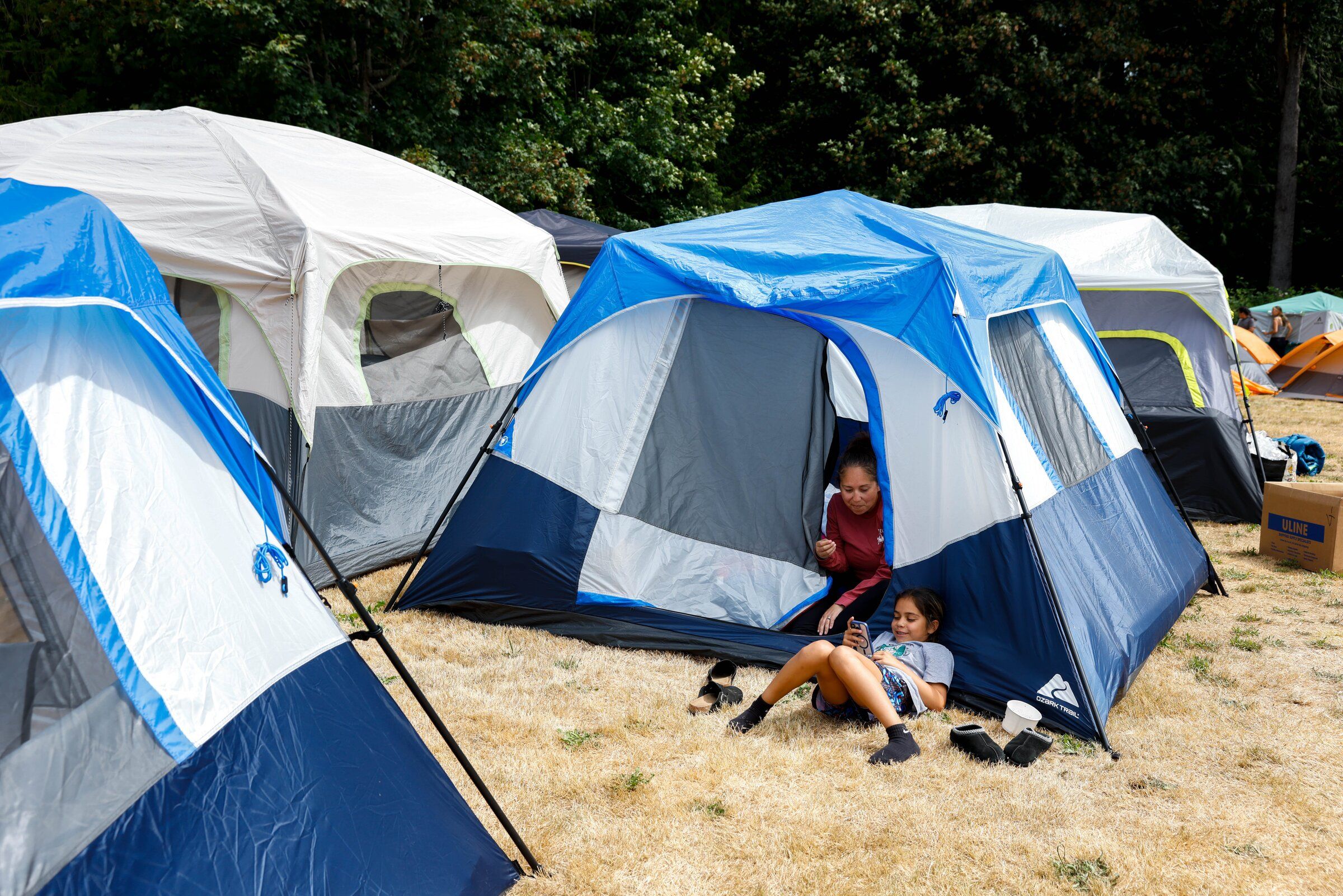
Organizers emphasize that everyone finds their own place in the journey. Some people want to get out on the water, while others prefer dancing, helping in the kitchen or working in camp. Newcomers may feel uncomfortable at first, but over time, organizers say, participation brings a sense of inner strength and spiritual healing.
Escort boats play an important role. Their crews often take to the water before the canoes and return later, monitoring safety, handing out water and food, and relieving tired paddlers. One such crew included older participant Franklin Ross, who first found himself in a canoe eight years ago, despite never having imagined himself on the water.
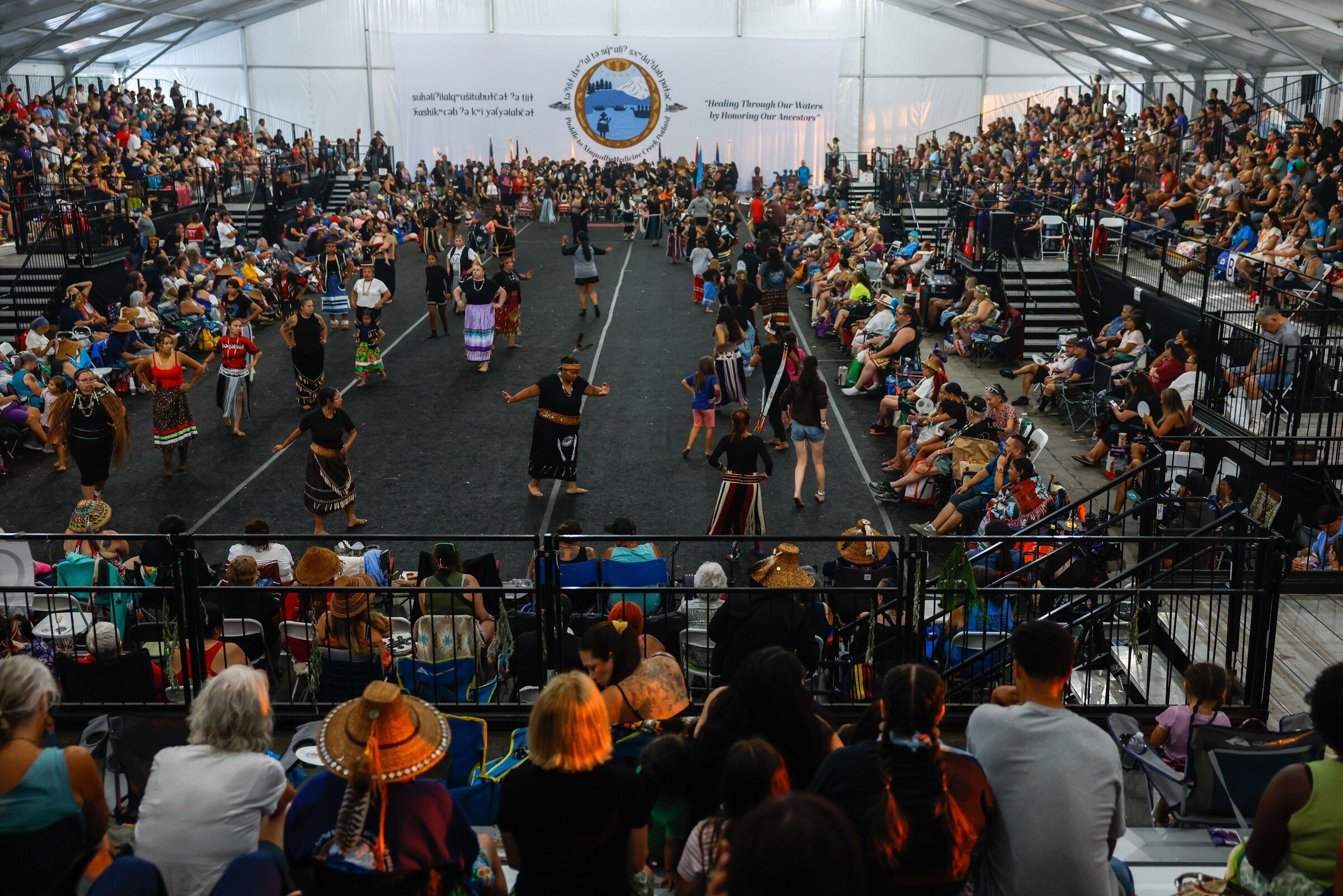
After roughly six hours of travel, the Muckleshoot canoe reached Puyallup, requested permission to land and continued the journey the next day. In Nisqually, participants joined protocol — a series of ceremonies held in the host community, usually at its cultural or community center. Different peoples sing, dance, tell stories and present their customs. The hosts also prepared food for thousands of guests, including fire-roasted salmon, clam fritters and a berry dessert.
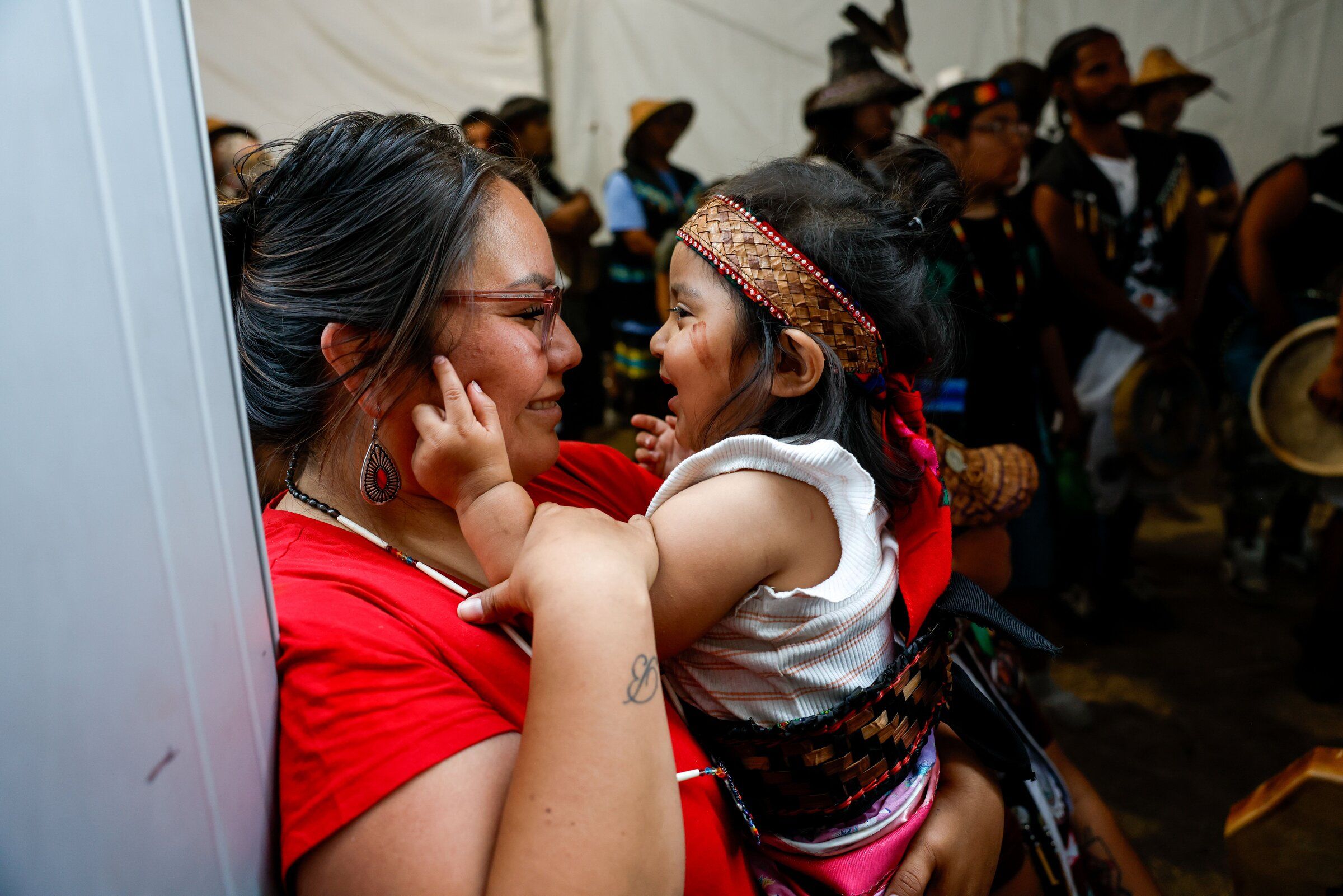
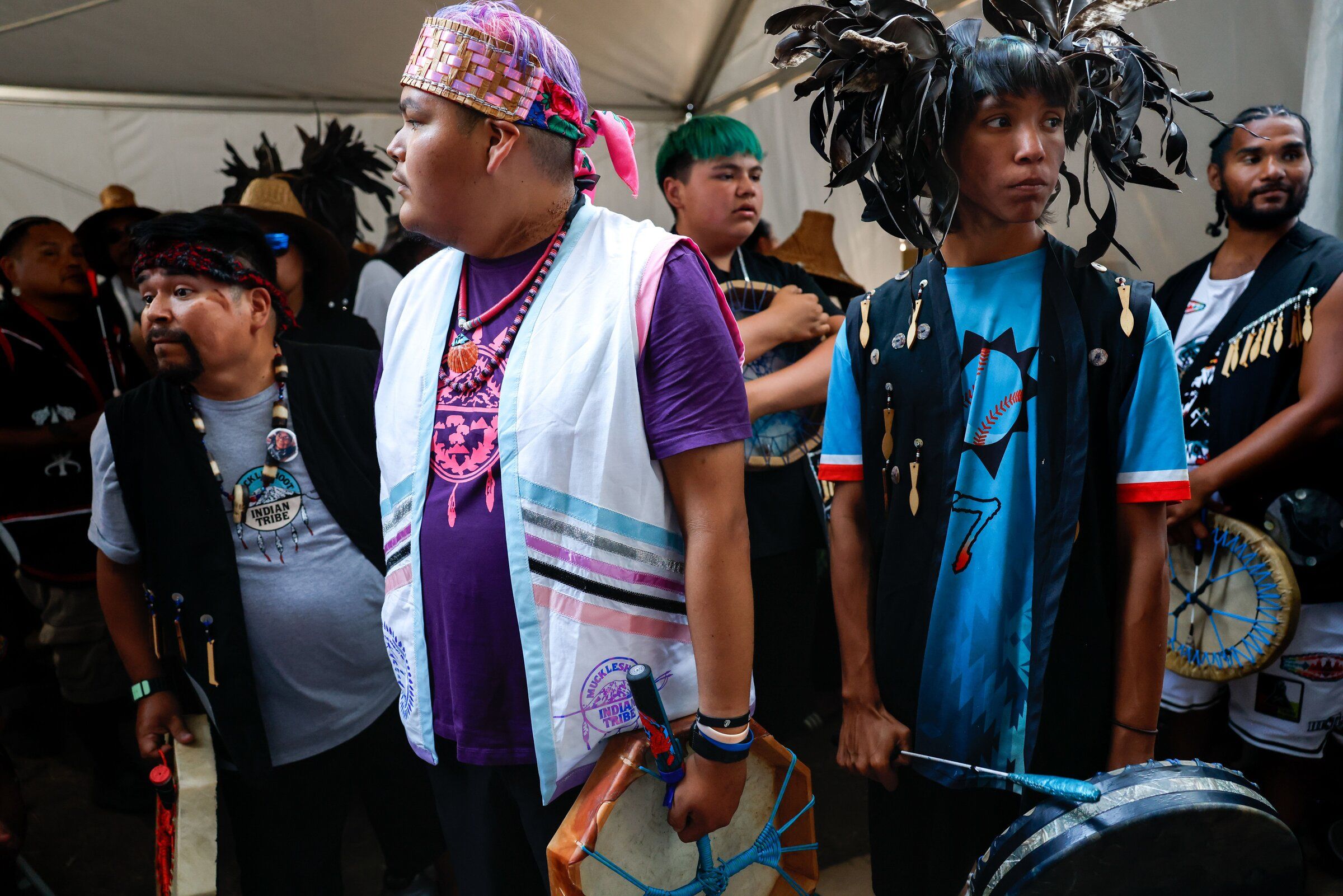
In the evening, members of the Muckleshoot canoe family, dressed in traditional clothing, entered a large tent and performed dances beneath the golden light of the setting sun. For them, it was a celebration of joy and a way to express their connection to their ancestors, hundreds of generations of history and a culture that tribes are working to preserve for the future.
Based on: Tribal Canoe Journey brings 130 canoes together in Nisqually