
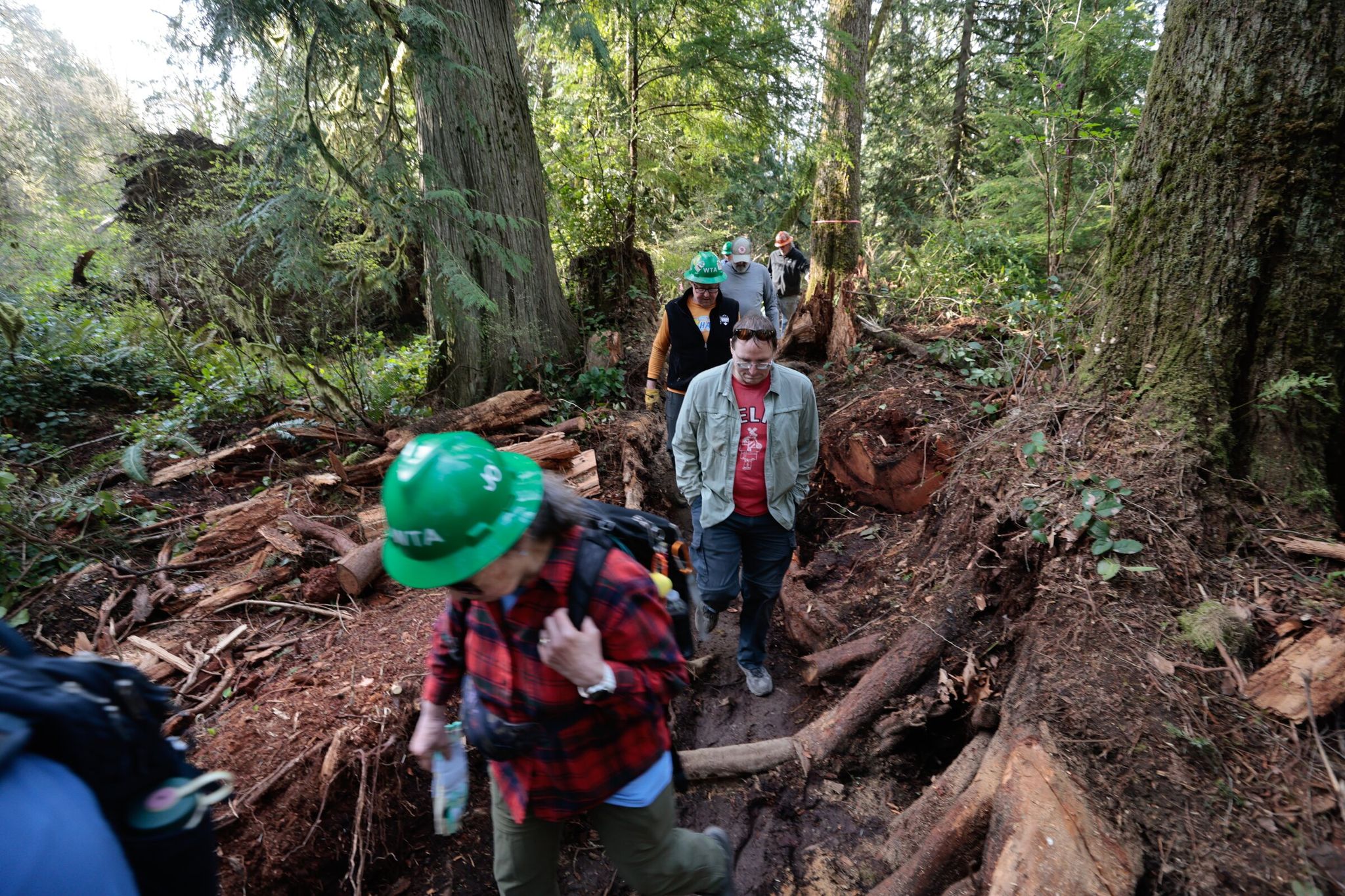
Each year about 3,500 volunteers from the Washington Trails Association (WTA) dedicate 160,000 hours to maintaining hiking trails across Washington state. One notable example is the construction of a 500-foot loop trail near Lake Cassidy in Snohomish County, set to open this summer. The trail, tucked into the woods beside the popular Centennial Trail — a paved multiuse path about 30 miles long stretching from Arlington to Bryant Lake — will provide a quiet refuge for people looking to escape the busy bike corridor. Because of the high density of cyclists and skaters and its proximity to roads, the Centennial Trail produces a constant background noise that sharply contrasts with the forest’s silence.
The project, carried out in partnership with the county parks department, will create an accessible environment for people with disabilities. The trail will be certified to ADA standards, which require a firm, even surface, a minimum width of 1 meter with passing areas, no obstacles such as rocks and roots taller than 2 inches, and slopes no greater than 5% with occasional segments up to 12%. This is essential because, in the U.S., access to nature is considered a right: people with disabilities, parents with strollers and older adults should be able to use trails independently. The requirements stem from a grant the county received back in 1992 when it purchased the land next to the Centennial Trail.
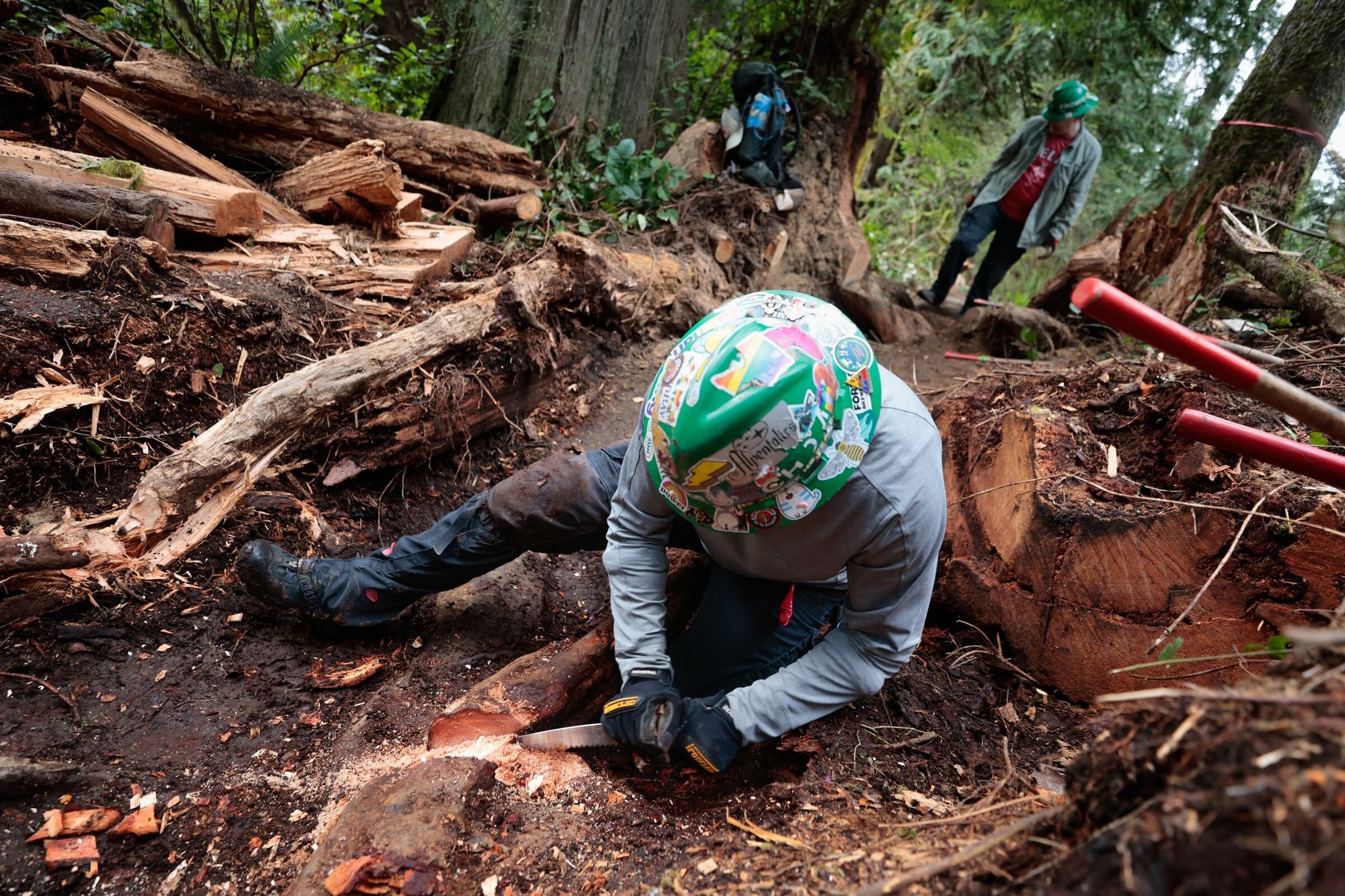
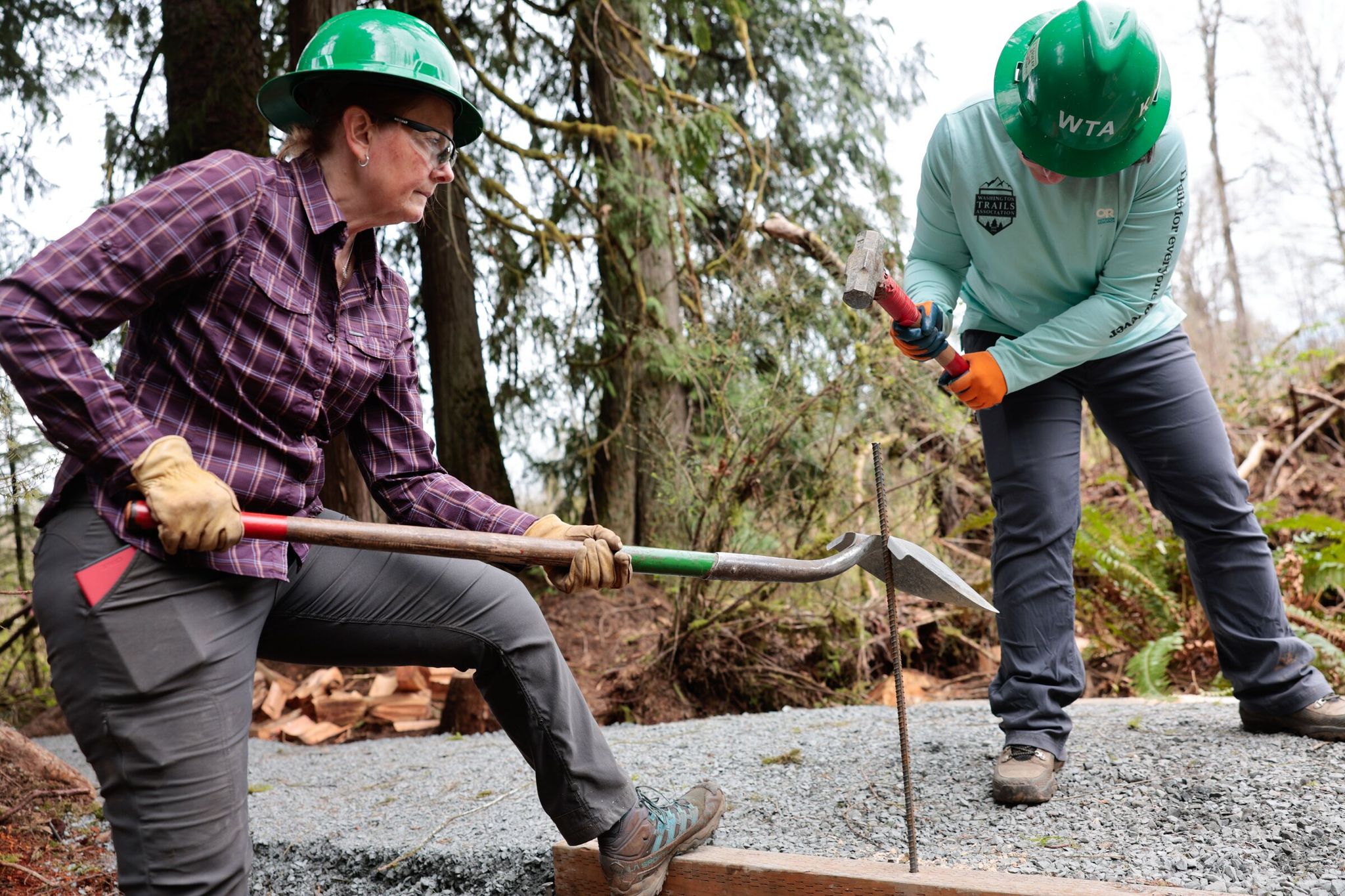
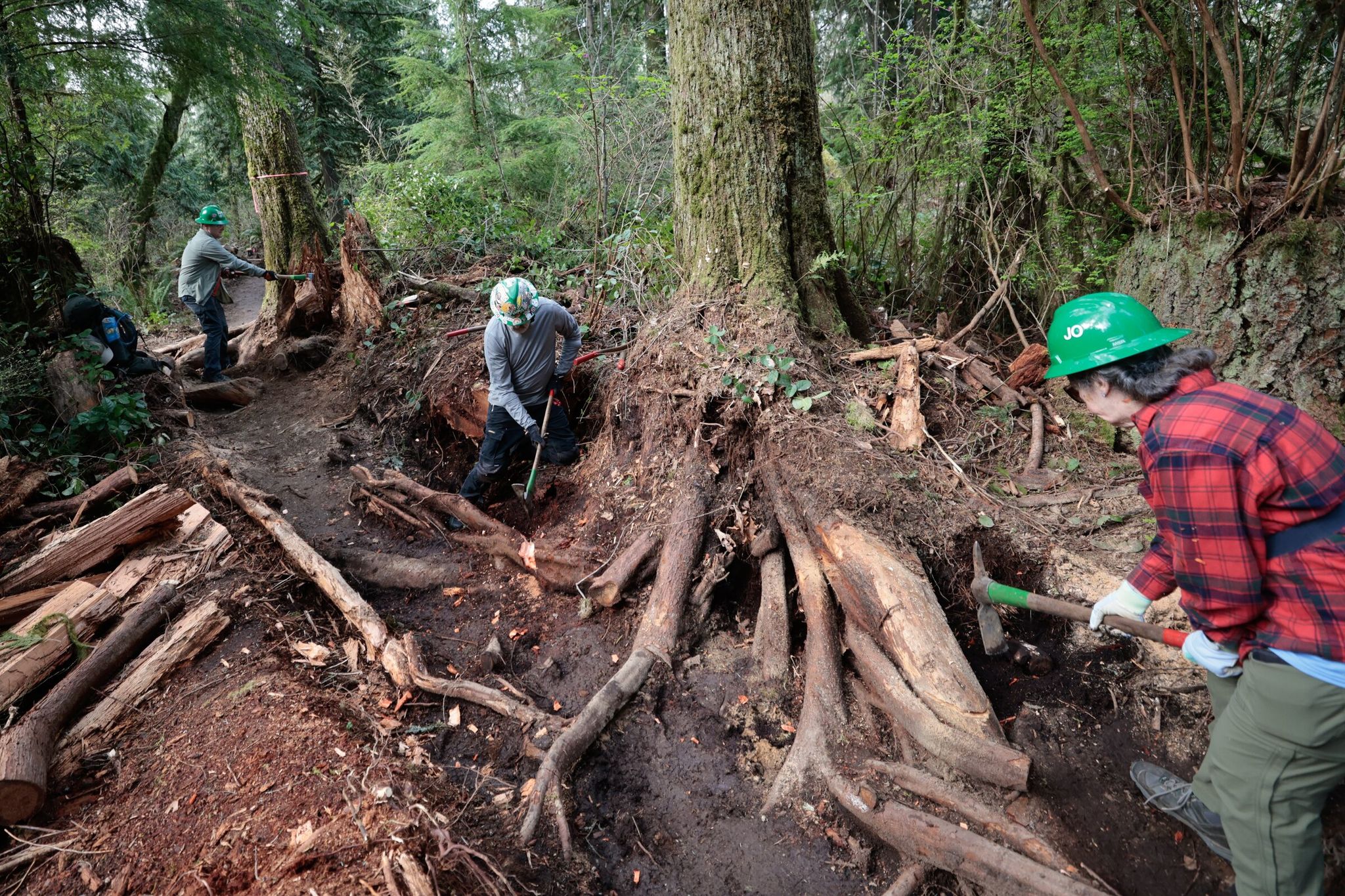
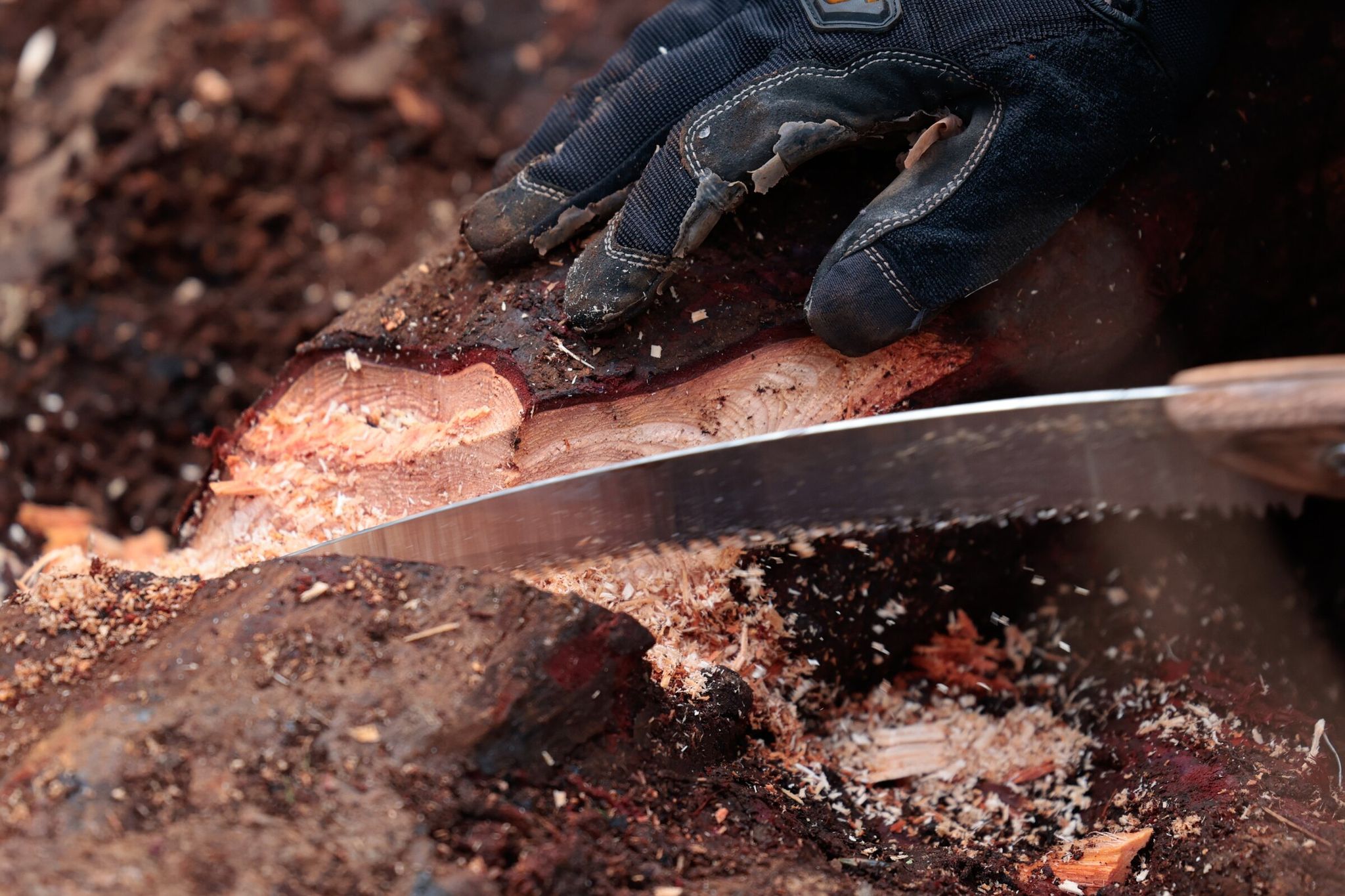
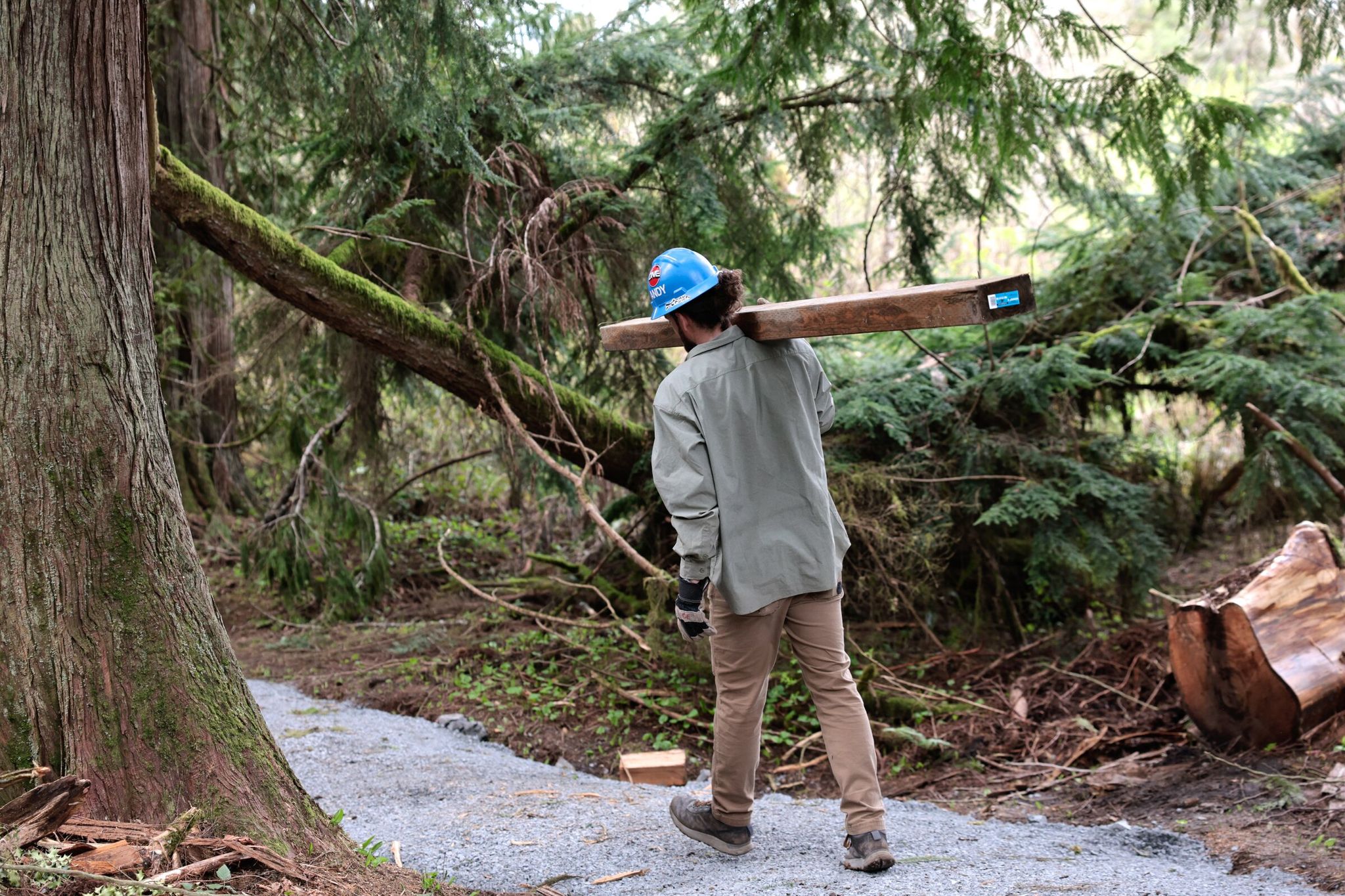
Volunteer “work parties” typically last a single day, especially near major corridors. In summer, when mountain snow melts, participants go on multi-day trips to work at higher elevations. Crew leader Andy James notes that since February volunteers have sawed fallen trees and moved several tons of rock to create the clear framework for the future trail.
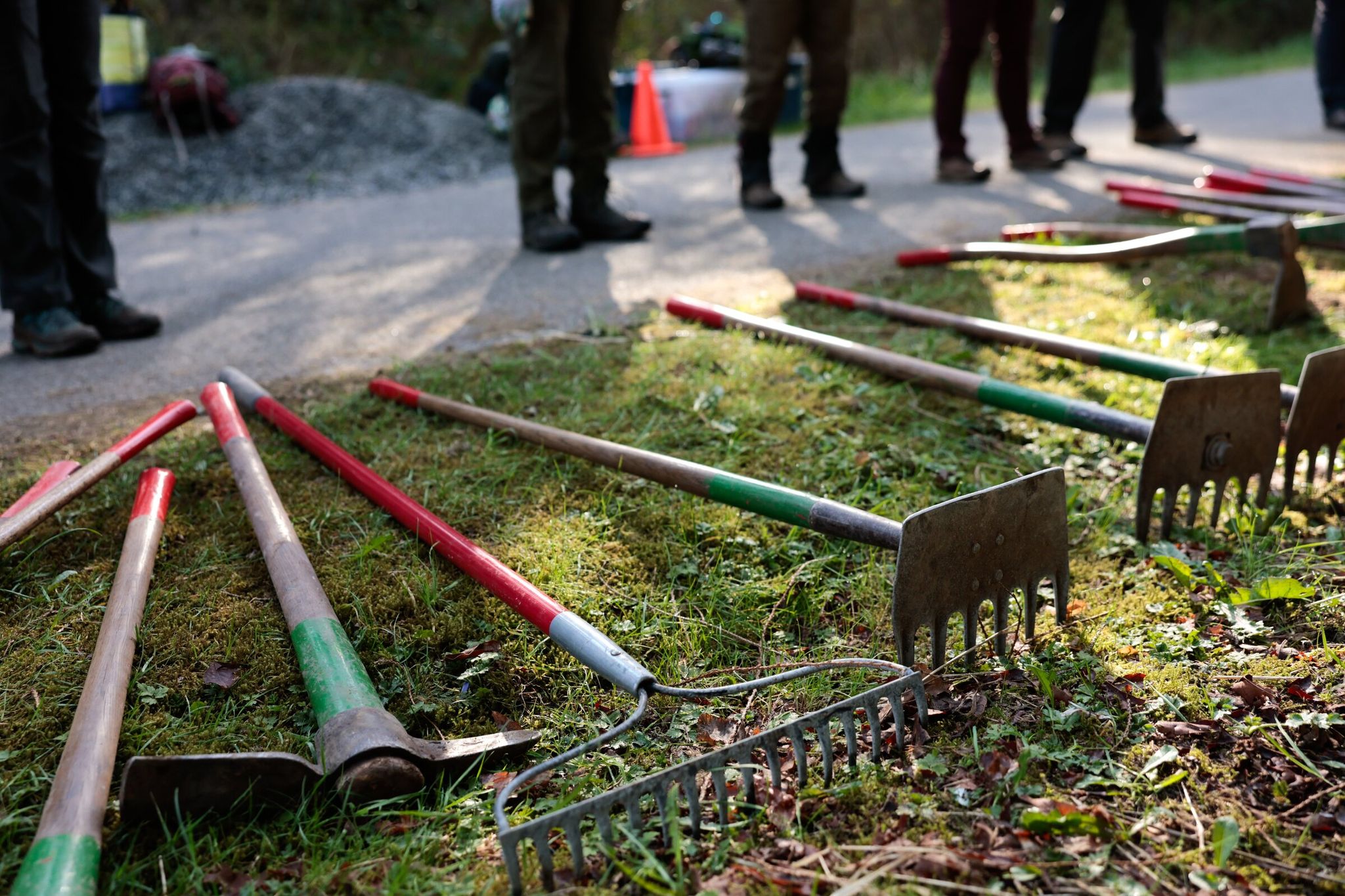
One volunteer is Cindy Ferraro, a retired psychotherapist. She uses a mattock to level trail edges, checking widths with a tape measure. After five days of work participants receive a green WTA hard hat with their name. Cindy’s hard hat sports stickers reading “Cindy” and “Lopper” — a pun on singer Cyndi Lauper and the pruning tool. She dreams of becoming an assistant leader, but to do that she needs to memorize the names of dozens of tools, including the Pulaski — a combination pick and axe invented by firefighter Ed Pulaski of Idaho for fighting fires — and the McLeod — rake-like tools with a sharp edge created by ranger Justus McLeod of California for thinning forest duff. Both have become standards for trail building and maintenance.
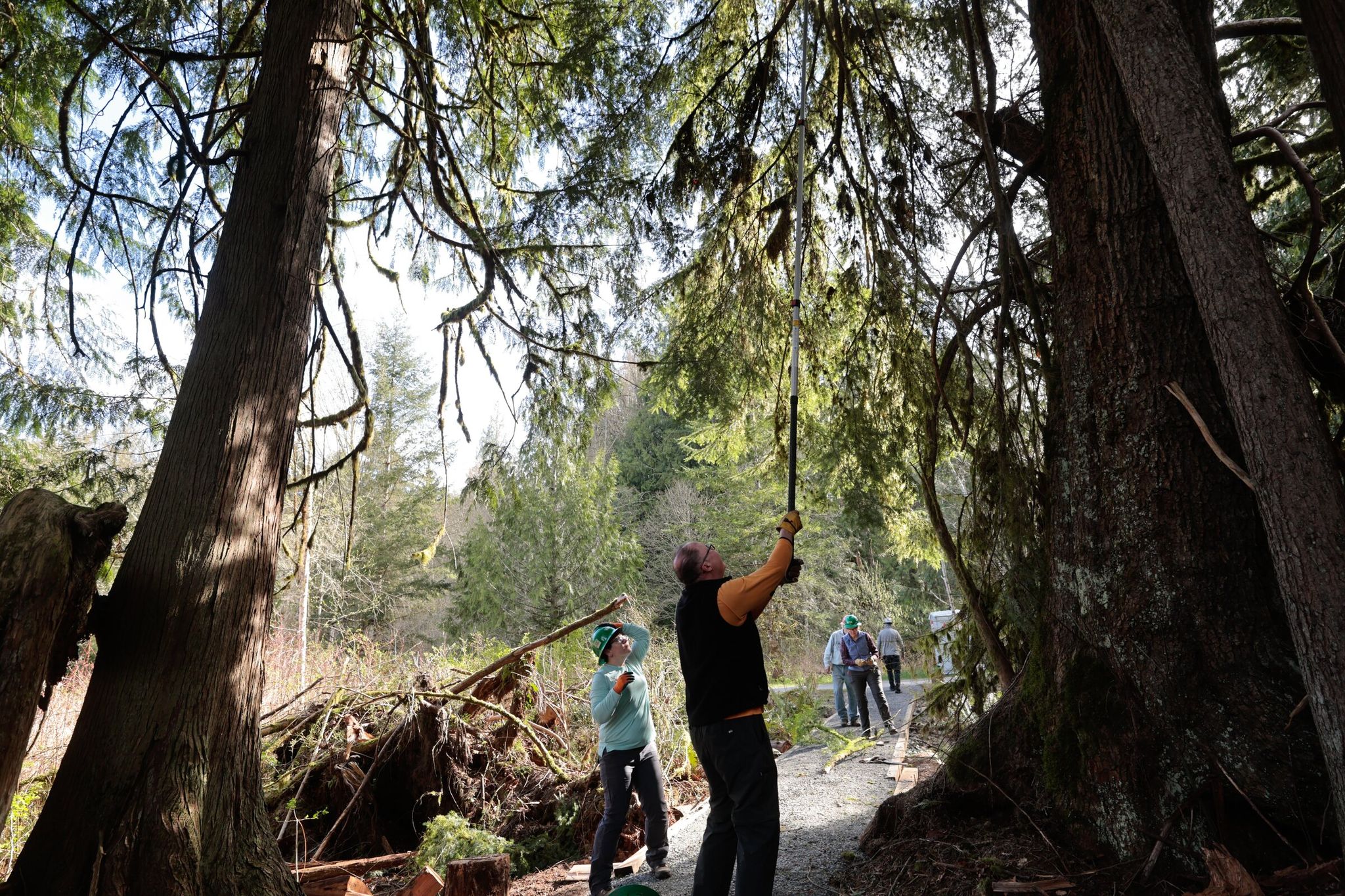
Another crew works with a telescoping saw, cutting low branches. One person holds a branch while others take turns maneuvering the saw overhead. “It’s like extreme gardening,” jokes Kindra Ramos, WTA’s director of programs. Despite the hard work, the atmosphere in crews is light: at 10:30 there’s a candy break, and the acronym WTA is jokingly expanded to “We Talk a lot” or “We Tote tools.” The organization itself is funded mainly by private donations (about 70%), corporate grants from companies like REI and Patagonia, membership dues and store program revenues. Volunteer support includes an online sign-up database for projects, provision of tools and helmets, free camp meals and training programs, and government cutbacks have prompted active corporate partnerships and crowdfunding growth.
After December’s flooding, WTA is assessing trail damage across the western part of the state. The most serious destruction is in the Mount Baker-Snoqualmie and Okanogan-Wenatchee national forests: these are among the most visited national forests in the U.S., located near Seattle with scenic mountains, lakes and waterfalls, and they suffer from heavy human use — millions of visitors a year — as well as natural factors: frequent rain, soil erosion, landslides and subsidence following snowpack. They serve as “gateways to the wild Cascades,” which makes them especially vulnerable: more than 40% of roads there were damaged by the floods. Coordination with local and federal agencies is a key element of recovery, emphasizes trails programs director Jen Gradycher.
But the situation is complicated by cuts in federal agencies. In the first half of 2025 the U.S. Forest Service lost 5,800 employees (16% of the agency), and the National Park Service lost nearly a quarter of its staff following layoffs under the previous administration. In addition, the state Department of Natural Resources cut funding for recreation programs by $8 million in less than two years. In Washington, with its many popular forests and parks (Olympic, Rainier, North Cascades), the volume of planned trail repairs has dropped by 30–40%; many trails are closed due to erosion, fallen trees and damaged bridges. Volunteer crews are forced to take on some of the work, but their efforts are not enough to fully replace lost government employees.
Although volunteers provide the bulk of the physical labor, specialists from government agencies are needed for approvals, permits and complex technical tasks. The loss of experienced staff slows projects. “We rely heavily on federal partners,” says Gradycher. “Without them, it’s impossible to finish the work.”
Still, WTA is confident anyone interested can contribute. “People are eager to get out and do something positive,” James says with a smile. “It never stops surprising me.” There’s often a waiting list for each work party, but newcomers are welcome: volunteers wryly add that WTA also stands for “We Take All.”
Based on: Thousands of volunteers help maintain WA trails each year