
Over the weekend, the Suquamish Tribe and the U.S. Navy signed a landmark agreement that ensures the protection of the Native community’s treaty rights during the construction of a new dry dock at the Puget Sound shipyard. The ceremony was held on the grounds of the Suquamish Clearwater Casino Resort, overlooking Agate Passage. The uniqueness of the document is that the parties agreed before the project began, rather than after the plans had been approved, as had happened in the past.
The Suquamish Tribe has deep historical roots in the Puget Sound region: it is one of the Coast Salish peoples and has long inhabited the area near present-day Bremerton and the Kitsap Peninsula. A special place in its history belongs to its chief, Seattle (in Lushootseed, siʔaʔɬ, Sealth), known as a peaceful leader and diplomat. In the 1850s, the city of Seattle was named after him—at the request of founder David May—after the chief signed the Point Elliott Treaty. For the region, the tribe remains a center for preserving traditions, language, and inherent fishing rights, and the chief’s name symbolizes a bridge between the Indigenous population and the modern city.
Tribal Chairman Leonard Forsman said that by this point, it had been about 20 years in the making. The tribe recognizes the importance of the project for the economy and national defense, but insisted: “Our sovereignty and treaty rights must be protected, or we would challenge the permit.” Treaty rights refer to legally established privileges that Native tribes received in exchange for ceding their lands to the federal government under 19th-century treaties. In Washington State, the key agreements are those of 1854–1855 (for example, the Point Elliott Treaty), which guarantee tribes the “right to fish in usual and accustomed places.” Today, that gives them priority access to resources, especially salmon, and the right to a share of the catch (often up to 50% on some rivers), as well as participation in fishery management alongside state authorities. Instead of conflict, a dialogue began—so much so that the tribe made rare trips to the Pentagon to negotiate with top leadership.
The agreement includes funding for an existing salmon hatchery operation, the construction of a new shellfish hatchery, and the allocation of funds to protect tribal lands and compensate fishers for lost income. Admiral James Kilby, vice chief of naval operations, said this, acknowledging that the project would cause disruptions to fisheries, wildlife, and transportation.
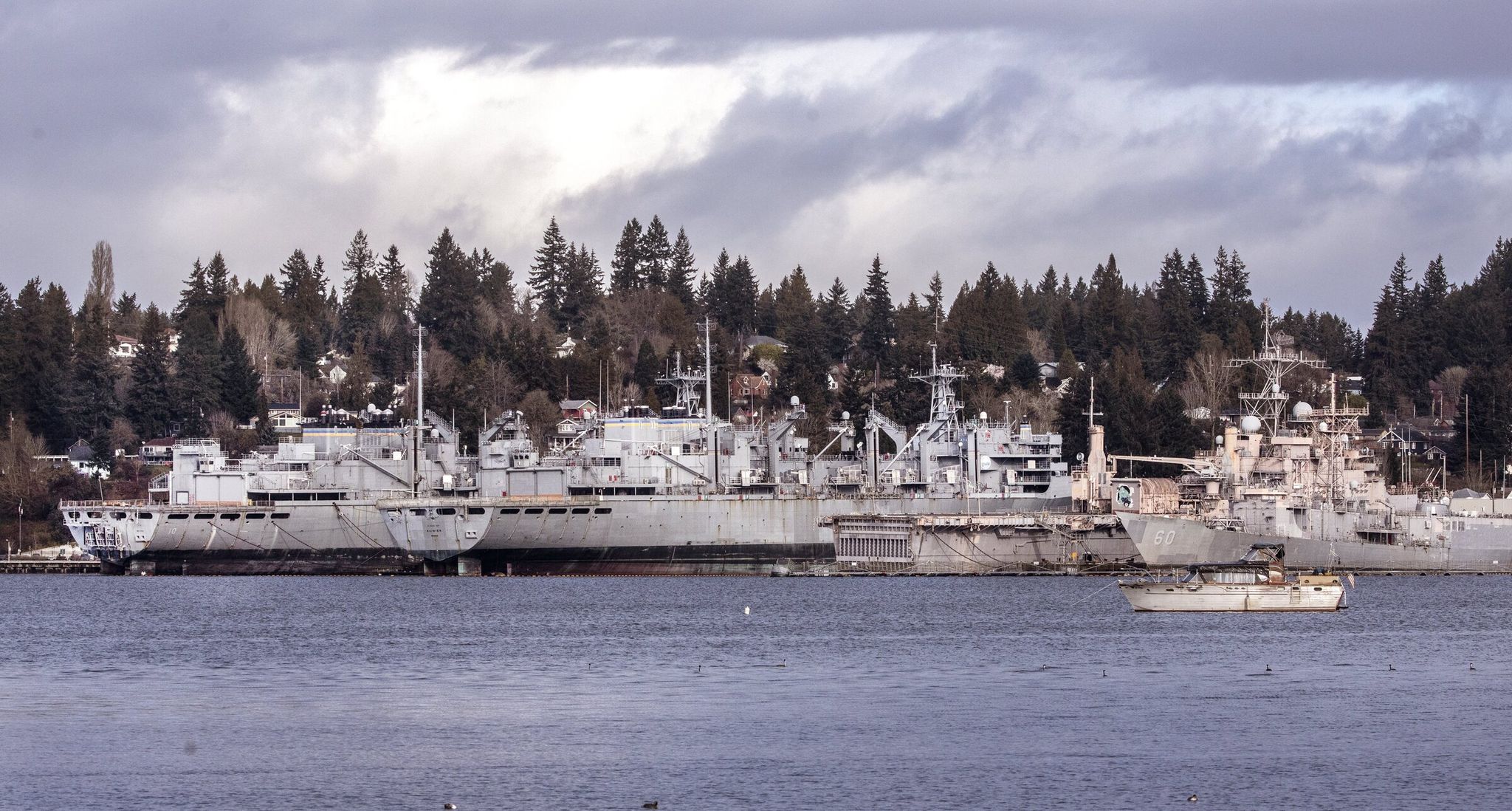
The new dry dock at the Bremerton shipyard will be large enough to service aircraft carriers of the Gerald R. Ford class—the most modern in the U.S. Navy. The need for modernization is driven by a 2017 Government Accountability Office report, which found that the shipyards were deteriorating and that maintenance delays were enormous: from 2000 to 2016, due to downtime, the fleet lost 1,300 operational days for aircraft carriers and 12,500 for submarines.
Brendan Rodgers, Assistant Secretary of the Navy, emphasized that the agreement is built on trust, respect, and recognition of the parties’ sovereignty. Admiral Kilby added with pride that more than 5,000 Native Americans serve in the active fleet. In that way, the deal not only addresses a specific infrastructure challenge, but also sets a new standard for cooperation between the military and Indigenous peoples.
Based on: Suquamish Tribe signs agreement with Navy over massive drydock project