
The fourth season of Apple TV’s Ted Lasso, which premiered on August 5, continues to address prejudice, cruelty and the need to recognize the human dignity of others above all else. This time, the storyline directly confronts inequality in women’s sports.
The protagonist becomes the coach of the Lady Greyhounds, a fictional women’s team affiliated with Richmond. The team begins the season with limited resources: The players must share a cramped locker room while proving both their abilities on the field and the team’s right to exist. Some men associated with the club openly ask why money should be spent on it at all.
This issue is especially important in Seattle, one of the leading centers of women’s sports in the United States. Last year, The Athletic ranked the city third among the places most passionate about women’s sports. Its reputation has been shaped by professional teams Seattle Reign FC and Seattle Storm, as well as numerous school, university and amateur programs. Active fans also play an important role, including communities that support women’s sports and LGBTQ+ athletes, along with initiatives promoting equal access for girls and women to training, leadership opportunities and athletic facilities.
Women’s soccer in the city is represented by the professional club Seattle Reign FC, known as OL Reign until 2024. The team has been one of the leading clubs in the National Women’s Soccer League, providing athletes with a professional platform and supporting the development of young players. The broader ecosystem also includes youth academies, university teams and amateur clubs. Prominent advocates for equality connected to the city include soccer star Megan Rapinoe and former Storm player Nneka Ogwumike, who helped secure a historic pay agreement in women’s basketball.
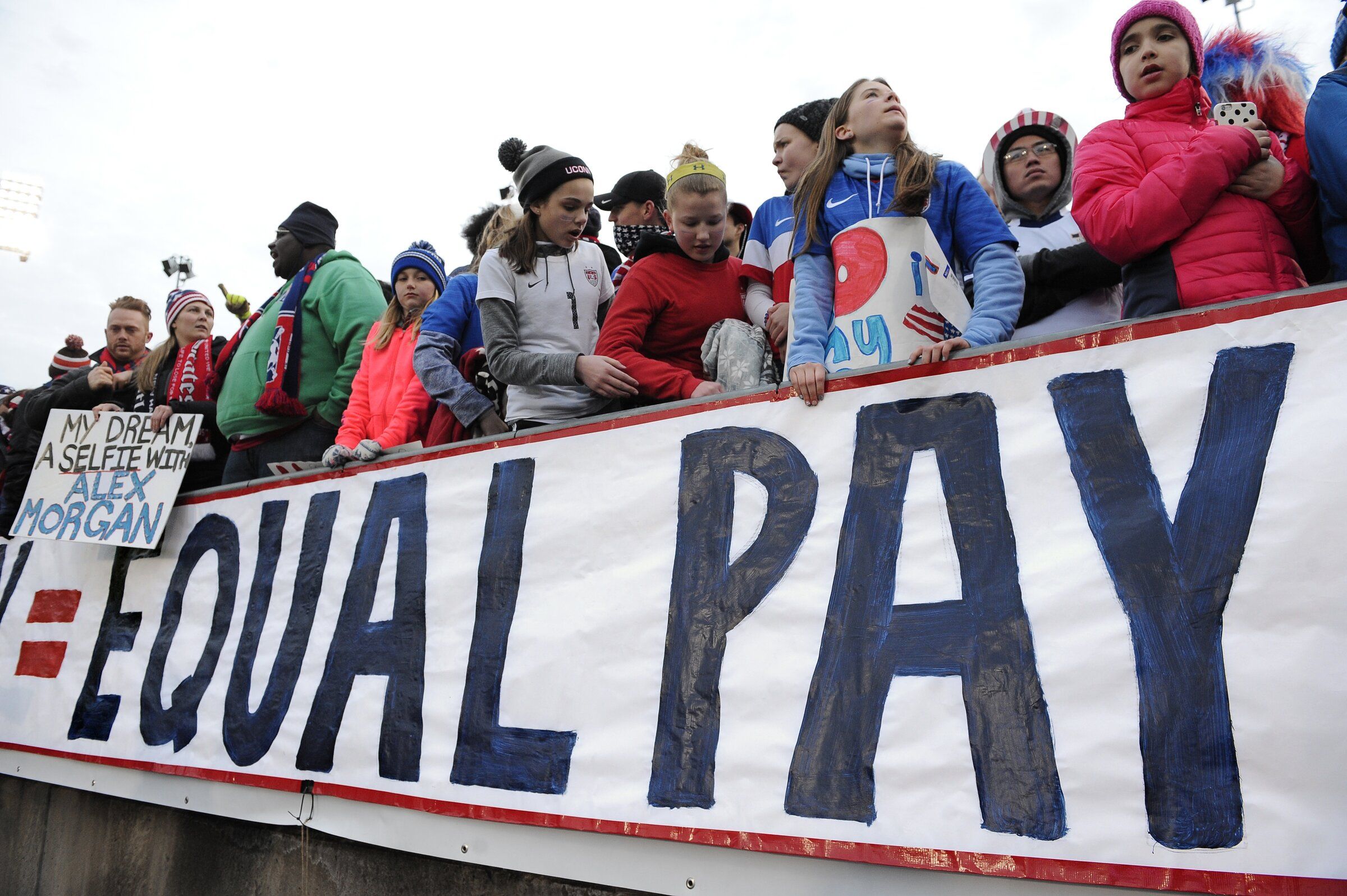
Interest in women’s sports is growing, but inequality persists. In 2024, women held just 22% of head-coaching positions in FIFA women’s soccer leagues. In the National Women’s Soccer League, only four of the 16 teams, including Seattle’s, are led by women.
To help change the situation, the University of Washington’s Center for Leadership in Athletics launched the Game Changers initiative in 2017. It supports women coaches and nonbinary professionals through mentorship, coaching and leadership seminars, assistance with job searches and professional networking. Participants receive practical skills, access to mentors and information about openings in university, school and professional sports. According to center co-director Julie McCleery, the share of women coaches has increased only slightly over the past 20 years.
McCleery stresses that the issue extends beyond sports. Millions of children learn about leadership through their athletic experiences. If most of the coaches they see are men, they may develop the impression that leadership is primarily a male domain. Women also face double standards: They are criticized for being overly assertive and criticized for being emotional as well.
The problem also exists in sports science. Research on women’s physiology and health accounts for only about 6% of studies on athletic performance, increasing the risk of injury. For example, women suffer anterior cruciate ligament tears approximately eight times more often than men. Washington sports organizations are already using neuromuscular warm-up programs, strength exercises, safe-landing instruction and training-load monitoring. They also employ individualized recovery plans, sports-medicine supervision and gradual returns to competition.
Improving conditions for female athletes also means providing access to doctors and physical therapists, equal funding, properly fitting equipment and consideration of women’s physiology, including the menstrual cycle and postpartum recovery. Larger-scale research into playing surfaces, training regimens and physiology could help reduce injury risks even further.
The author notes that instead of focusing on these pressing issues, public debates about women’s sports are almost entirely centered on the participation of transgender girls. In Washington state, fewer than 10 such athletes are among approximately 200,000 middle- and high-school students. In McCleery’s view, if society truly wants to discuss safety, fairness and access, it should also address injuries, the lack of research, sexual harassment, coach background checks and the quality of athletic facilities—not use one issue as a distraction.
Based on: What new ‘Ted Lasso’ season gets right about women’s sports