
In an unusual competition for resources, technology company Amazon outbid the largest private utility in Washington state, Puget Sound Energy (PSE), at auction for the Sunstone project — one of the largest solar power plants in the U.S., located in Oregon. The event signals a new reality in which traditional utilities face growing competition from energy-intensive tech giants seeking to secure their own needs. The significant presence of corporations like Amazon and Microsoft, which historically formed a powerful tech cluster east of Seattle, has driven a sharp increase in energy demand and placed greater strain on infrastructure.
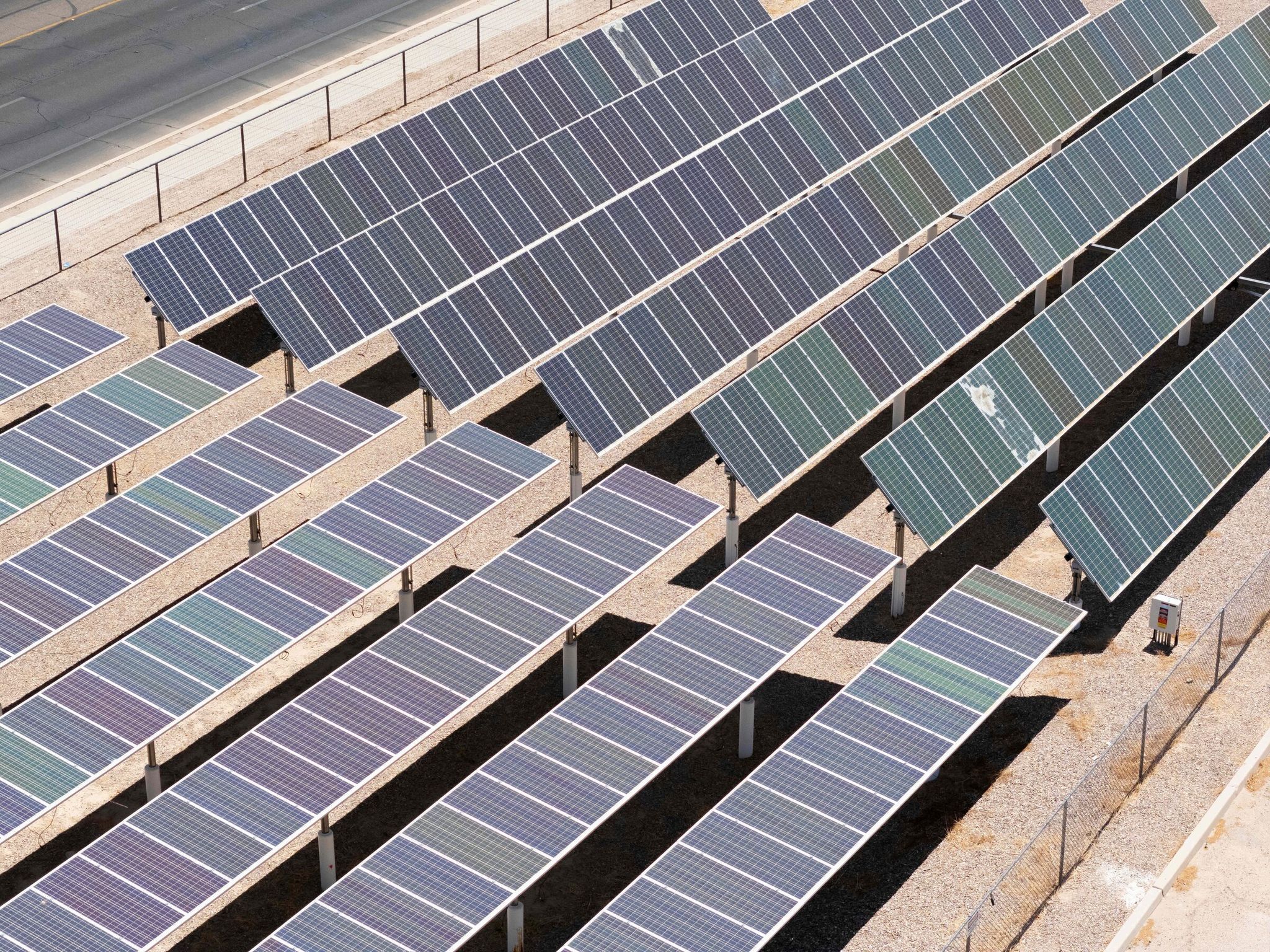
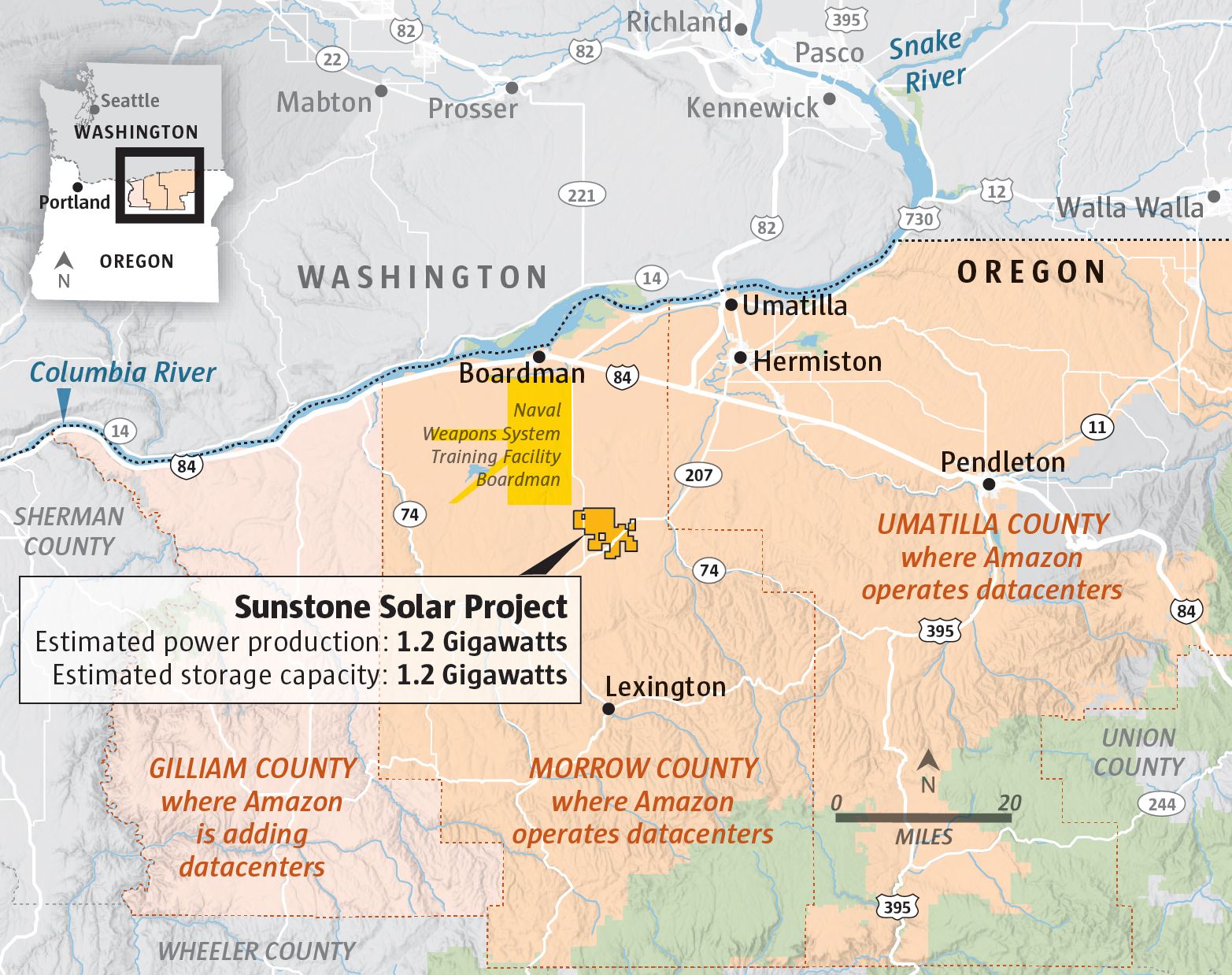
Amazon’s winning bid of $83 million for the Sunstone project is notable for its scale: once completed it will generate 1.2 gigawatts of solar power and have a comparable amount of battery storage. The plant will cover an area comparable to an entire Seattle neighborhood and could power several hundred thousand homes. The project’s value is enhanced by its readiness to begin construction, which will save years of permitting.
For Amazon this purchase is a strategic step to address an acute problem. The company is investing tens of billions of dollars in building data centers for artificial intelligence and cloud services, but faces a chronic shortage of electricity to power these energy-hungry facilities. Amazon’s leadership has even complained to Oregon regulators about unreliable power from the local grid operator.
Acquiring Sunstone is part of a strategy new to the sector known as "behind-the-meter generation." Rather than relying solely on grid-supplied power, companies like Amazon aim to create their own energy sources close to their facilities to guarantee uninterrupted operations.
For PSE, which is regulated by the Washington Utilities and Transportation Commission and serves about 1.2 million customers across 10 counties, losing the Sunstone project was a serious blow. The company is scrambling to meet the stringent requirements of the state’s Clean Energy Transformation Act (CETA), which mandates that utilities, like all the state’s electric providers, move to fully carbon-free electricity by 2045 with an interim target in 2030. This solar project could have substantially covered its need for "green" energy, especially since PSE, unlike some municipal utilities such as Seattle City Light, still relies on gas-fired generation.
The auction lasted 16 rounds, and PSE stopped at a bid of $82 million. A company representative noted that this was the maximum amount they could justify given that rates are regulated by the state and half their customers are low-income. The utility’s financial capacity was limited compared with the tech giant.
PSE leadership says it is concerned this may not be an isolated incident. If tech companies continue to aggressively buy ready-to-build renewable projects, utilities tasked with meeting public mandates could face serious challenges in securing needed resources. Competition is intensifying amid the state’s overall transition to "green" energy. Although Washington has a strong hydropower base providing about 70% of generation, meeting CETA’s requirements requires new variable sources like wind and solar. The best sites for those resources are often far from consumption centers, making each ready project like Sunstone subject to fierce competition not only with tech giants but also among utilities themselves — private, municipal, and public districts.
Thus, the auction for the Sunstone project highlighted an emerging conflict of interest in the energy market. On one side are tech giants trying to protect their multibillion-dollar investments in AI; on the other are traditional energy companies striving to comply with environmental laws. Their competition for the same limited "green" resources will likely only intensify, transforming the region’s economy and infrastructure.
Based on: Amazon outbids WA utility for one of nation’s largest solar projects