
The U.S. Supreme Court on Friday ruled that former President Donald Trump exceeded his authority in imposing broad global tariffs. The Court’s 6–3 decision struck down tariffs enacted under the International Emergency Economic Powers Act. But within hours of the verdict, Trump said he would reinstate tariffs using other legal mechanisms. That statement left business owners in the state of Washington cautiously optimistic but anxious about the future.
For small businesses like KOBO, a shop and gallery in Seattle, the past year was a nightmare because of a 15% import tariff. Owner Binco Cheong-Bisby described constant shipment delays and cancellations, and having to raise prices for customers to cover higher costs. She welcomed the court’s decision but wondered whether the relief would last, given the threat of new tariffs. Similar vulnerability affects other Seattle small businesses, including chocolate and coffee makers, cosmetics brands, craft breweries, and small electronics manufacturers that rely on imported raw materials and components.
Trade disputes also hit other industries hard. Ghostfish Brewing in Seattle, which specializes in gluten-free beer, almost entirely lost a key export market in the Canadian province of British Columbia—a market it had actively cultivated because of demand for niche products and geographic proximity. In response to U.S. tariffs, provincial liquor stores removed all U.S. products from their shelves. Founder Brian Thill hopes the court’s decision will help normalize trade and win back loyal Canadian customers. For most Washington breweries, such heavy export dependence is atypical, as they primarily serve the domestic U.S. market.
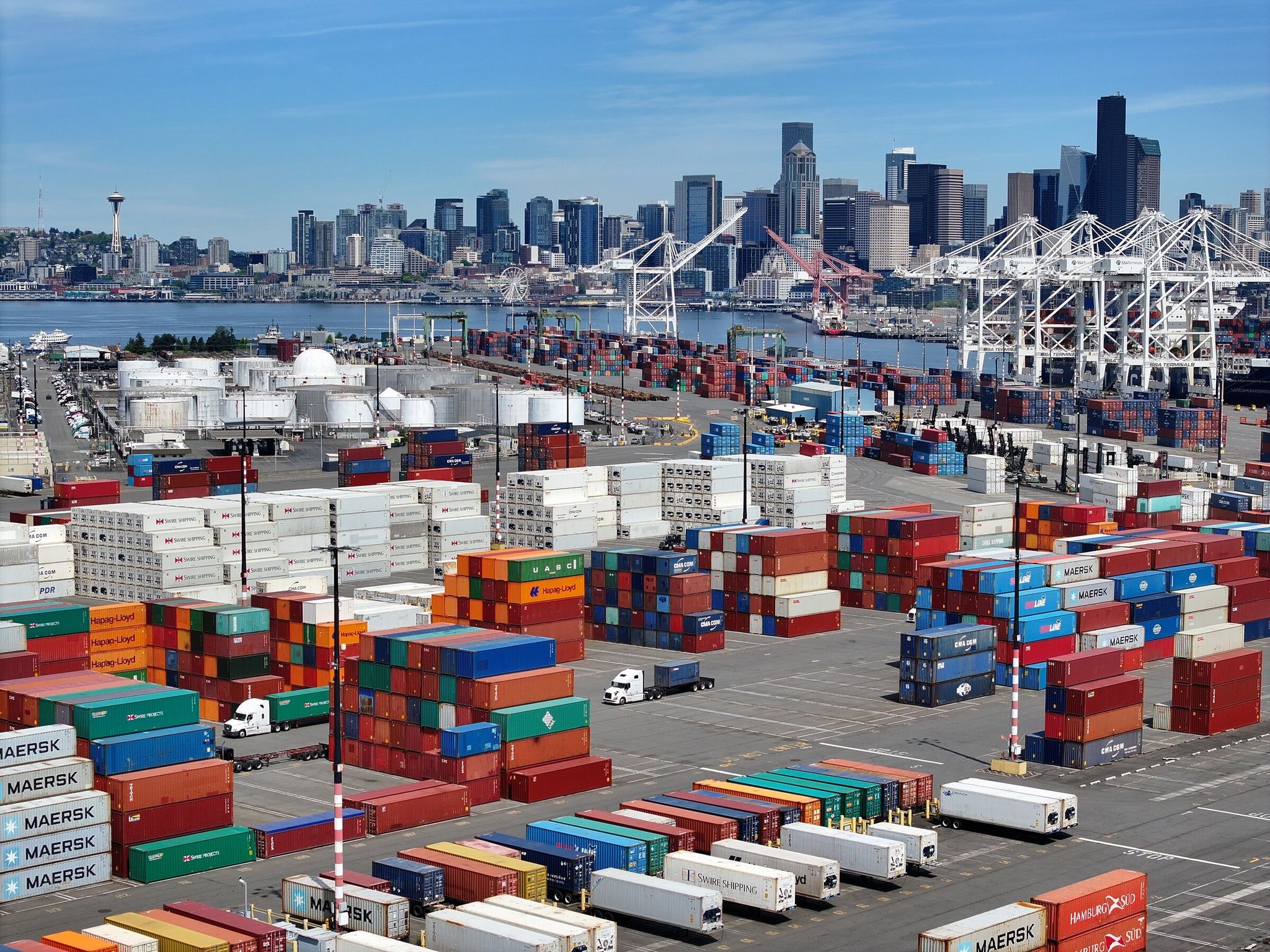
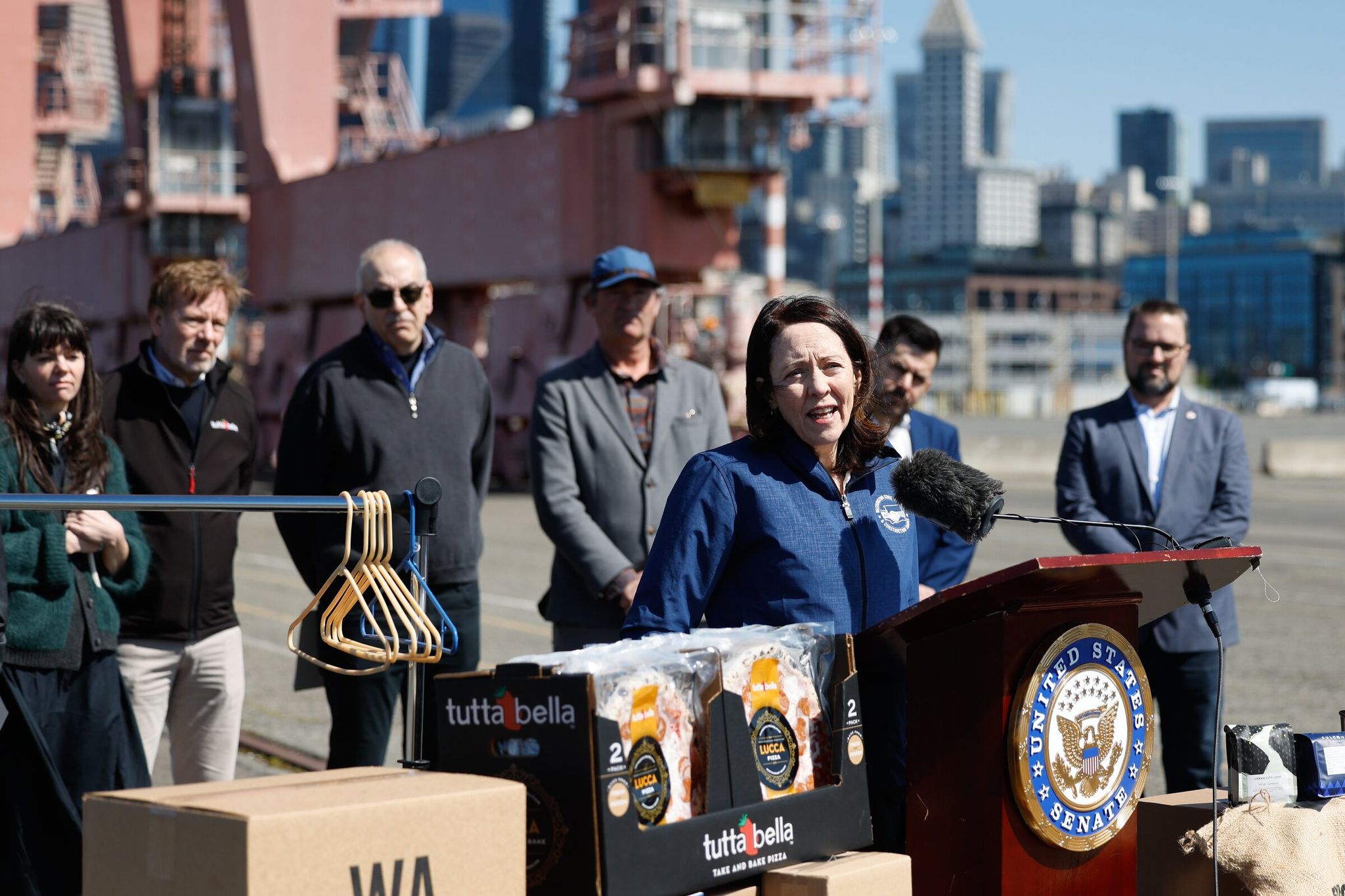
The Supreme Court’s ruling is especially significant for Washington, whose economy is heavily dependent on international trade. In 2024 the state exported nearly $58 billion in goods, led by airplanes and aerospace components (Boeing manufacturing), apples and other agricultural products, software and cloud services (Microsoft, Amazon), and forest-products manufacturing. Those sectors are vulnerable to trade disputes because they rely on global supply chains and international demand. Senators from the state, including Democrat Maria Cantwell, said the tariff repeal will bring welcome relief to consumers and small businesses that have long overpaid for imported goods.
But lawmakers acknowledge the fight over tariffs is far from over. Senator Patty Murray, a Democrat, bluntly said Trump will almost certainly look for new ways to impose duties. Six Republican members of Congress recently joined Democrats in voting to limit tariffs on Canada, showing bipartisan concern on the issue.
One of the most pressing unresolved questions is whether previously paid duties will be refunded. Dozens of companies, including retail giant Costco, filed suits seeking refunds while awaiting the Court’s ruling. The Friday verdict did not resolve that question, leaving businesses in limbo.
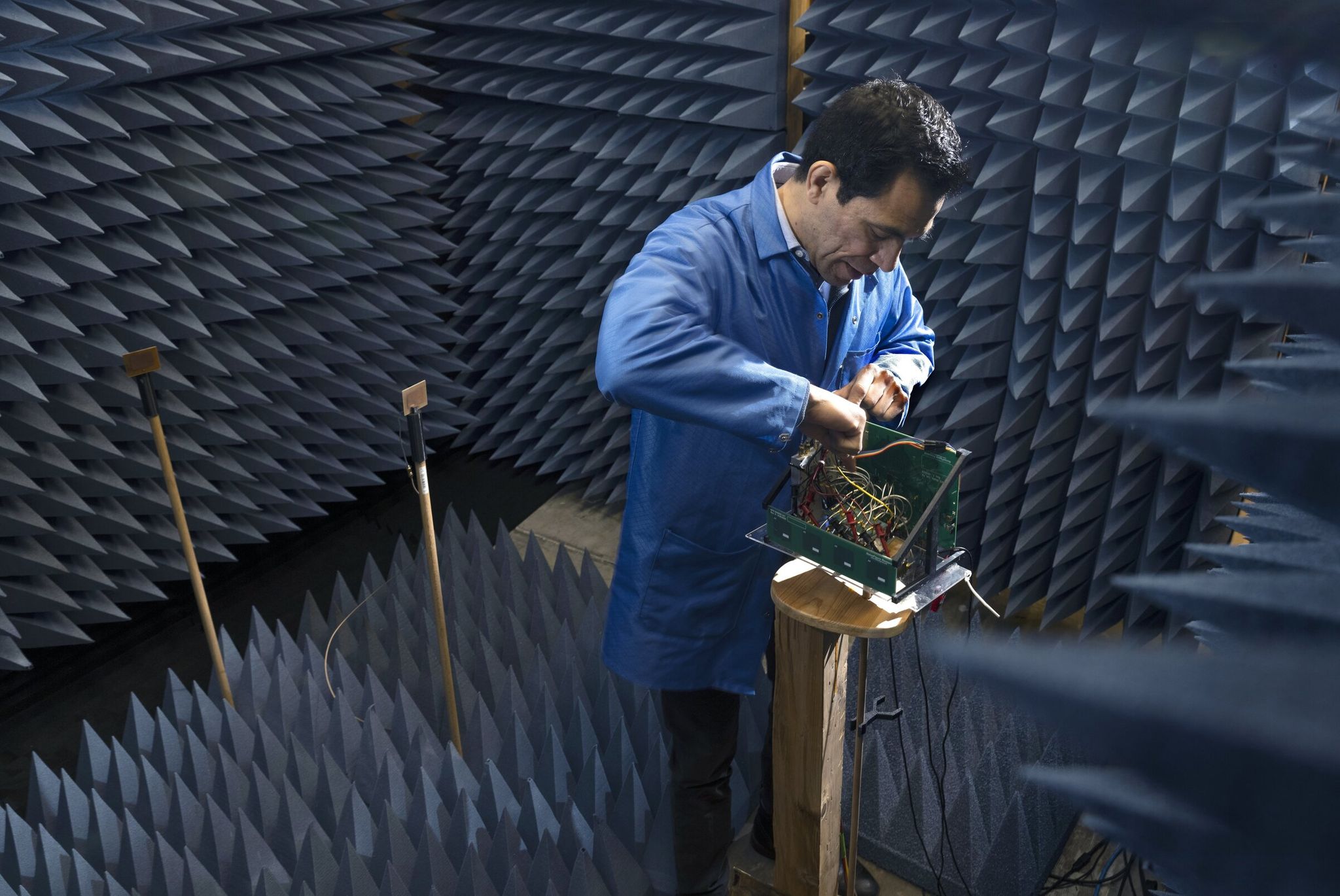
For companies like tech firm NoiseFigure Research in Renton, the damage is already done and recovery will take time. Renton, known for its aerospace industry, is also becoming part of the Seattle tech cluster thanks to electronics startups and research firms. Founder Jerry Lopez said the company chose to absorb the extra 10–20% costs rather than raise prices, which forced it to freeze projects and slow hiring. He fears new tariffs could finish off small businesses. Similar problems from trade policies that raise costs and complicate access to international markets often affect local tech startups that depend on imported components or exported services.
Despite the historic Supreme Court decision, a mood of caution persists in Washington’s business community. Some tariffs—such as the 35% duties on imported steel and aluminum—remain in place. Business owners who endured a hard year are reluctant to increase investment and spending, fearing that political instability could at any moment trigger another wave of trade restrictions.
Based on: After Supreme Court tariff takedown, WA firms wary of what comes next