
Seattle, long considered the region’s main engine of growth, increased its population by just 0.8% over the past year, while Bellevue grew by 0.2%. Meanwhile, smaller cities on the outskirts, including Stanwood and Carnation, posted growth of more than 4%. These changes reflect a nationwide “doughnut effect”: remote work is encouraging people to move from urban centers and nearby suburbs to more distant areas.
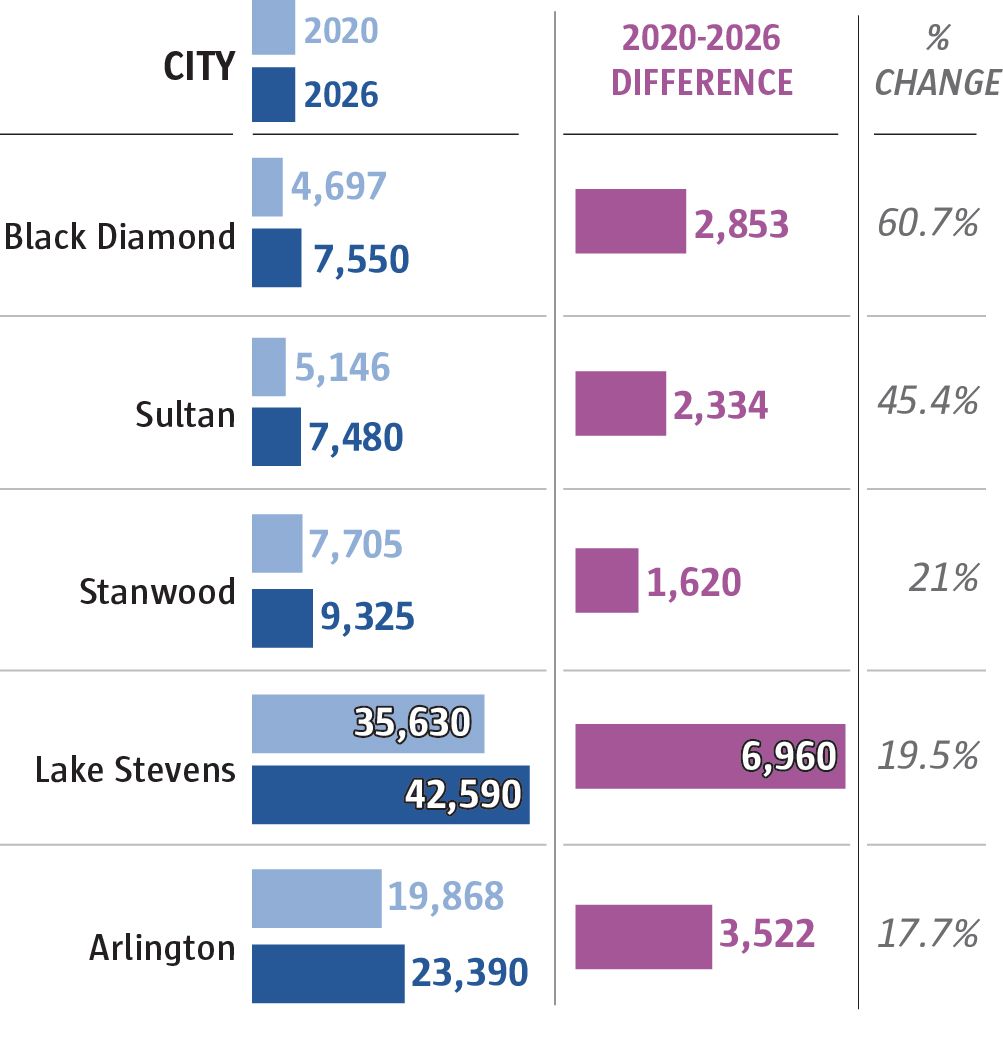
Since 2020, Black Diamond, in southeastern King County, has led the Seattle area in growth. Its population increased by 61%, or more than 2,800 people. The top five also included cities in Snohomish County: Sultan grew by 45%, Stanwood by 21%, Lake Stevens by 20% and Arlington by 18%. In some cases, sharp increases are explained not only by construction but also by the annexation of unincorporated areas. After boundaries are expanded, population, land area and the number of housing units all increase in the statistics at once. Accurate comparisons therefore require distinguishing growth within the previous boundaries from administrative changes.
By comparison, over the entire previous decade, Black Diamond grew by just 13%, while Sultan and Arlington each grew by about 11%. These cities have now nearly matched or surpassed their 2010s growth in just six years. Buyers are choosing them not necessarily because of lower prices, but for a different lifestyle: a home with a yard, proximity to mountains, forests and water, and the atmosphere of a small town.
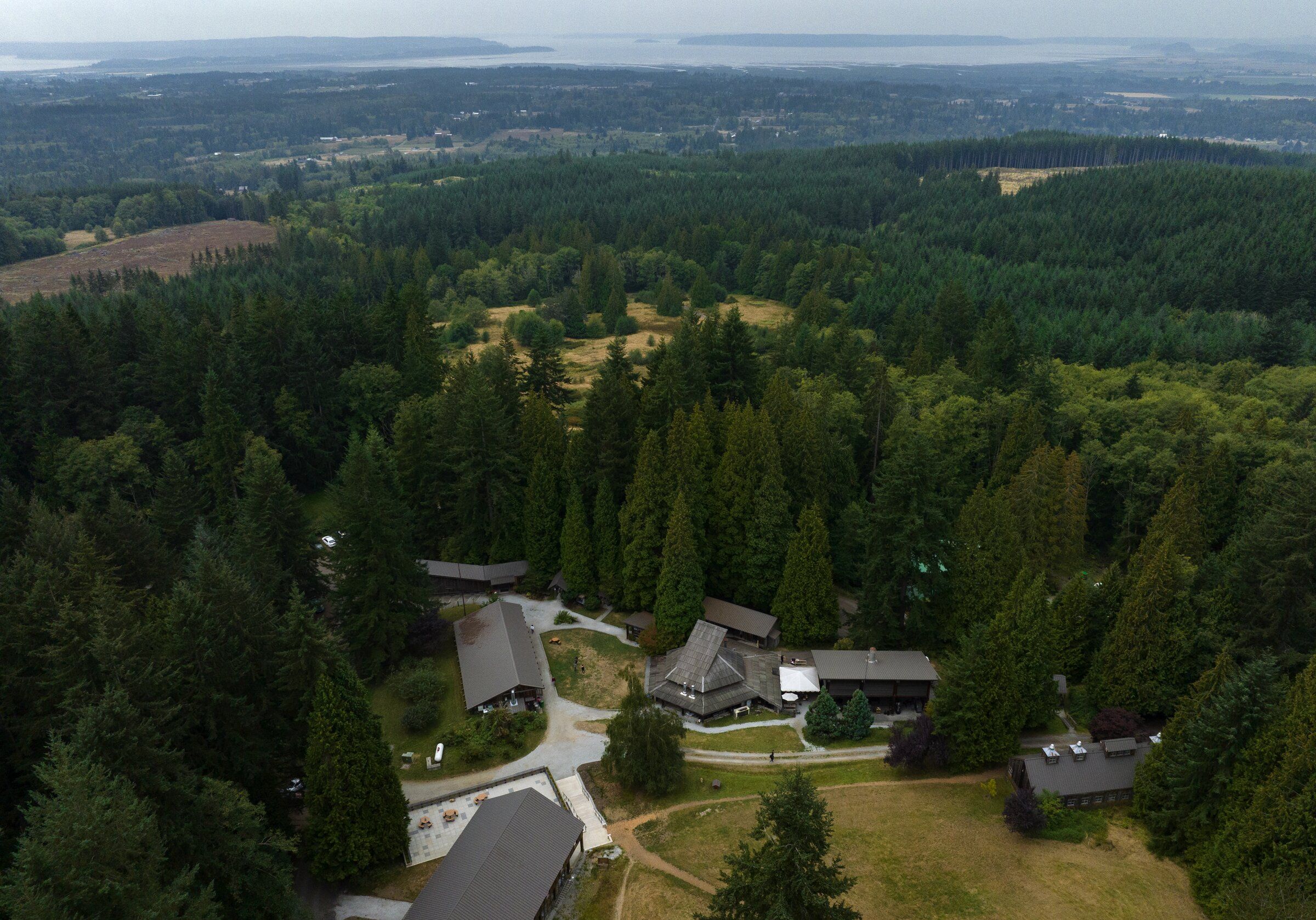
Black Diamond is especially attractive because of its location near the Cascade Mountains and recreational areas. This proximity supports housing demand and may contribute to rising prices, particularly when supply is limited. However, environmental protections, challenging terrain and the need to safeguard water resources limit the land available for development, while building roads, sewers and public transportation becomes more expensive and contentious.
The shift to remote work has been the main factor accelerating growth. In Black Diamond, the share of people working from home rose from 8% to 25%. Official statistics likely underestimate the scale of the trend: someone who works remotely two days a week and commutes to the office three days is generally still classified as a suburban worker. But even partial remote employment makes it possible to live much farther from the city center.
Rapid growth creates serious challenges. Black Diamond, a former coal-mining town, historically had a small population and infrastructure designed for the limited needs of an industrial settlement, not for the rapid expansion of residential neighborhoods. New construction increases traffic and demand for school seats, water service, sewer systems, fire protection and other municipal services. The city is also far from major transportation corridors, so expanding roads and utility networks requires substantial funding and lengthy approvals.
Mayor John Adler said the city is generally managing well, but the arrival of thousands of residents in a short period has increased pressure on transportation, schools, infrastructure and municipal services and sparked disputes over the pace of development. Black Diamond and other fast-growing suburbs now face the challenge of balancing expansion with quality of life. Officials must build roads, schools and utility facilities in time while taking into account the city’s financial capacity, environmental constraints and the need for sustainable development.
Based on: While Seattle slows, the region’s fastest growth is on the fringes