
On Thursday evening, severe thunderstorms struck central and eastern parts of Washington state, bringing lightning, hail and wind gusts up to 112 km/h. The bad weather sparked small fires and knocked down power lines in Grant County, and attendees at a Brandi Carlile concert at the Gorge Amphitheatre had to shelter in their cars until midnight. The amphitheatre, located about a 2.5-hour drive from Seattle in the desert canyon of the Columbia River, is famed for its scenic setting: views of the river, basalt cliffs and sunsets give it the feel of a natural theater. But its canyon location makes the weather highly changeable: the gorge acts as a “wind corridor,” and even on a hot day a concert can end in an icy wind. Daytime summer temperatures here often exceed 38°C, while evenings can cool to around 15°C because of river breezes — so concertgoers always bring warm jackets.
Friday in Seattle will be “gray and drippy” with brief showers that will ease by evening, and highs will not exceed 15°C. Forecasters, however, promise improvement for the weekend: clouds will thin by Saturday midday, and on Sunday temperatures will rise to 18°C, reaching 21°C on Monday.
A clear sky Sunday evening will give residents a chance to see a blue moon — the second full moon of the month. Because the Moon will be at its farthest point from Earth that day, it will appear slightly dimmer and smaller than usual — a phenomenon known as a “micro-moon.”
The main weather story of the week is an expected heat spell on Tuesday that could be the hottest day of 2026. Temperatures in Olympia and Centralia will climb to 32–33°C, the coast to 28°C, and Seattle to 27°C. For a maritime climate region where the July average is about 18°C, 27°C is an anomaly, reaching the 95th percentile of historical observations. The problem is worsened by the fact that, because of historically mild weather, fewer than 50% of Seattle homes have air conditioning, and infrastructure — subways, buses and offices — is poorly adapted to heat. During such “heat waves,” people seek relief in malls, libraries and public cooling centers, and at home they use fans, keep windows closed during the day and open them at night, and douse themselves with cold water. Authorities may declare emergencies and open temporary cooling centers. By comparison: while 27°C in Cairo would be a cool winter day, for Seattleites it becomes dangerous heat because bodies and housing are not adapted to such temperatures. By Wednesday temperatures will return to the usual 18–21°C.
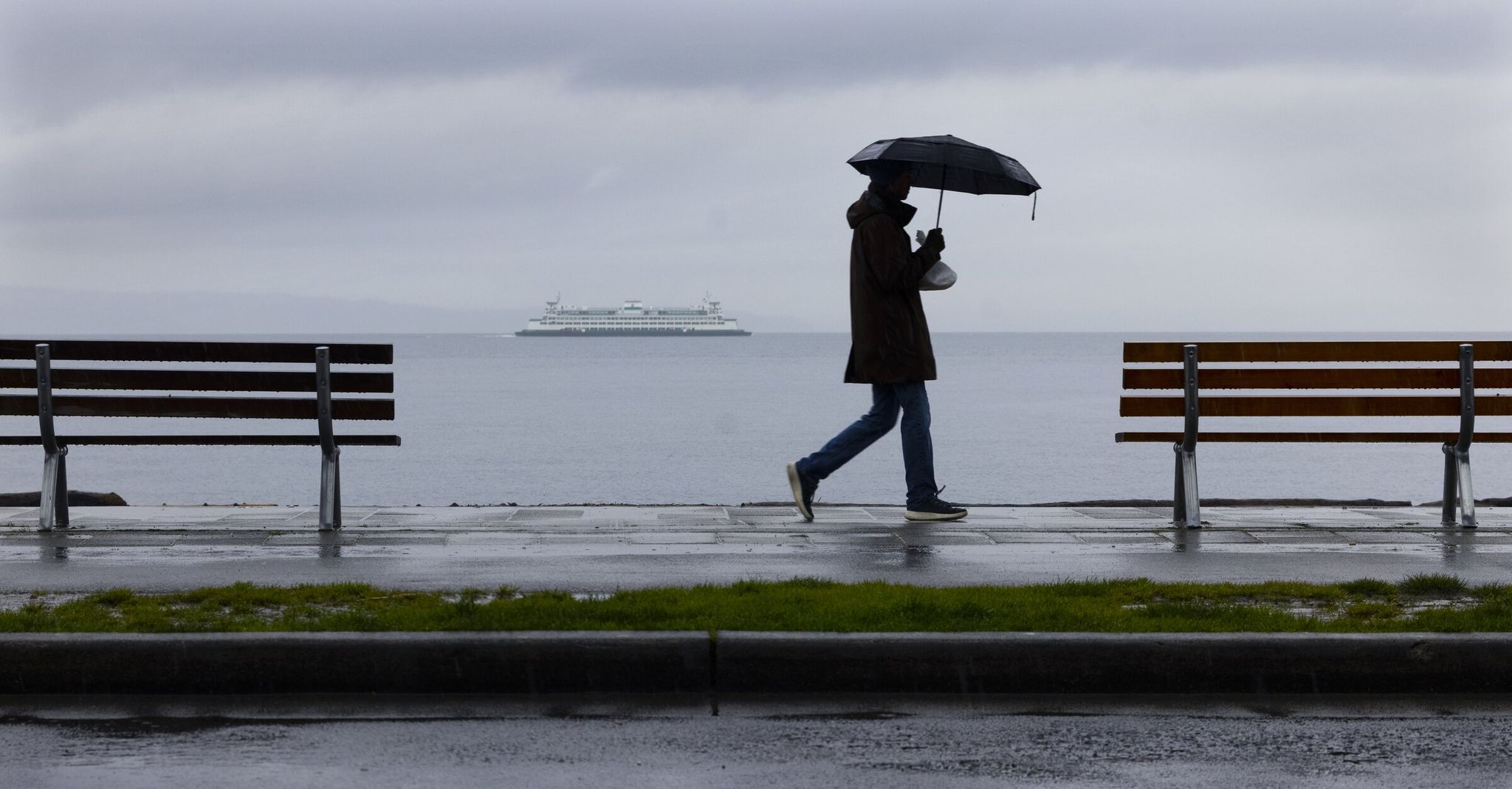
Based on: ‘Gray and drippy’ weather in Seattle, but hottest day of 2026 is ahead