
The hum of light rail trains filters through the open doors of The Roadhouse venue beneath the Angle Lake station in Seattle. That station is the southern terminus of the Link Light Rail line — electric trains that connect downtown Seattle, Capitol Hill, the University District and Sea-Tac Airport. For residents of the southern suburbs, the line is a critical transit corridor: it gets people to downtown jobs in about 40 minutes, avoiding I-5 traffic, and Angle Lake station serves as a park-and-ride hub where people drive to catch the train.
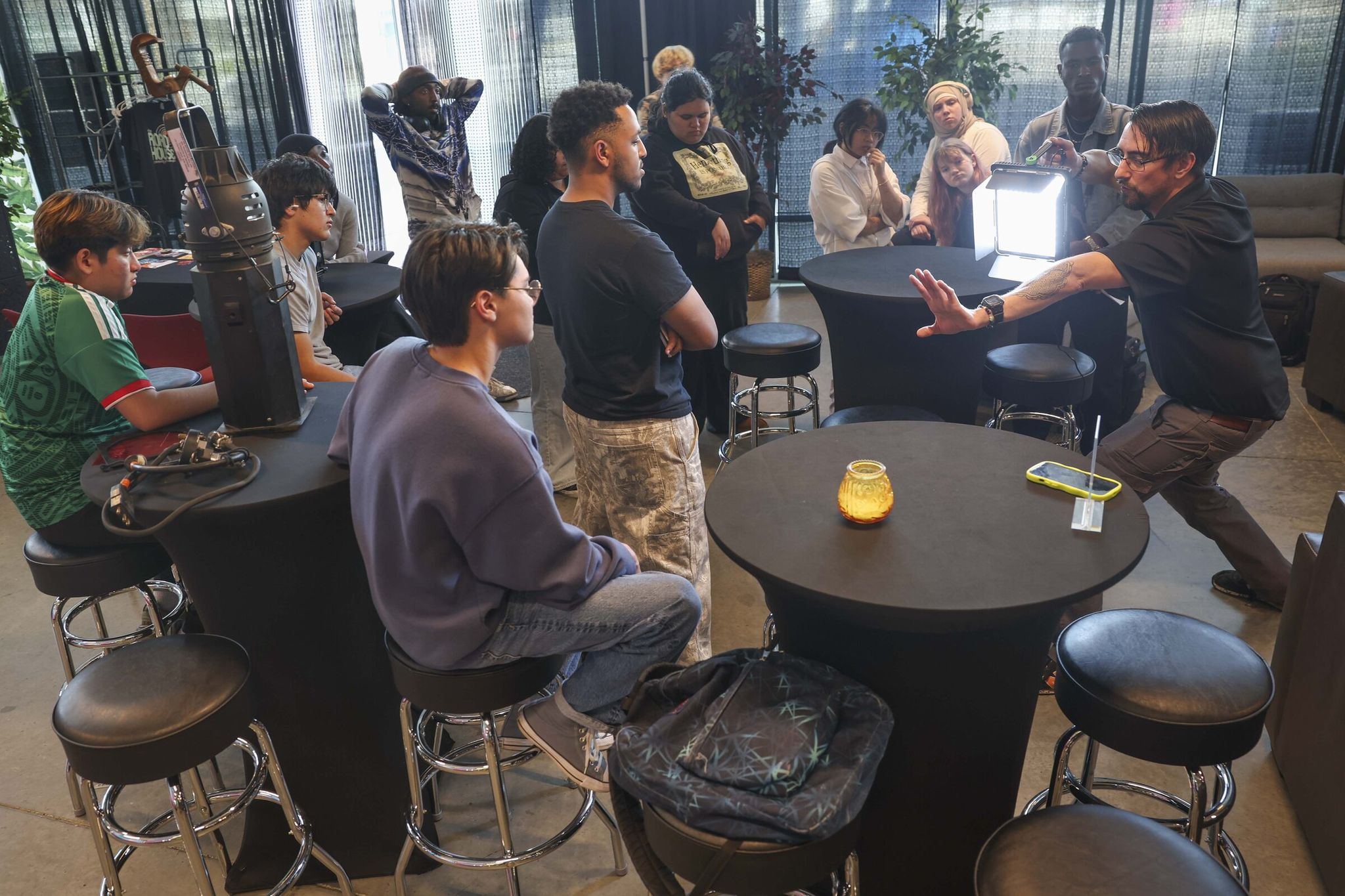
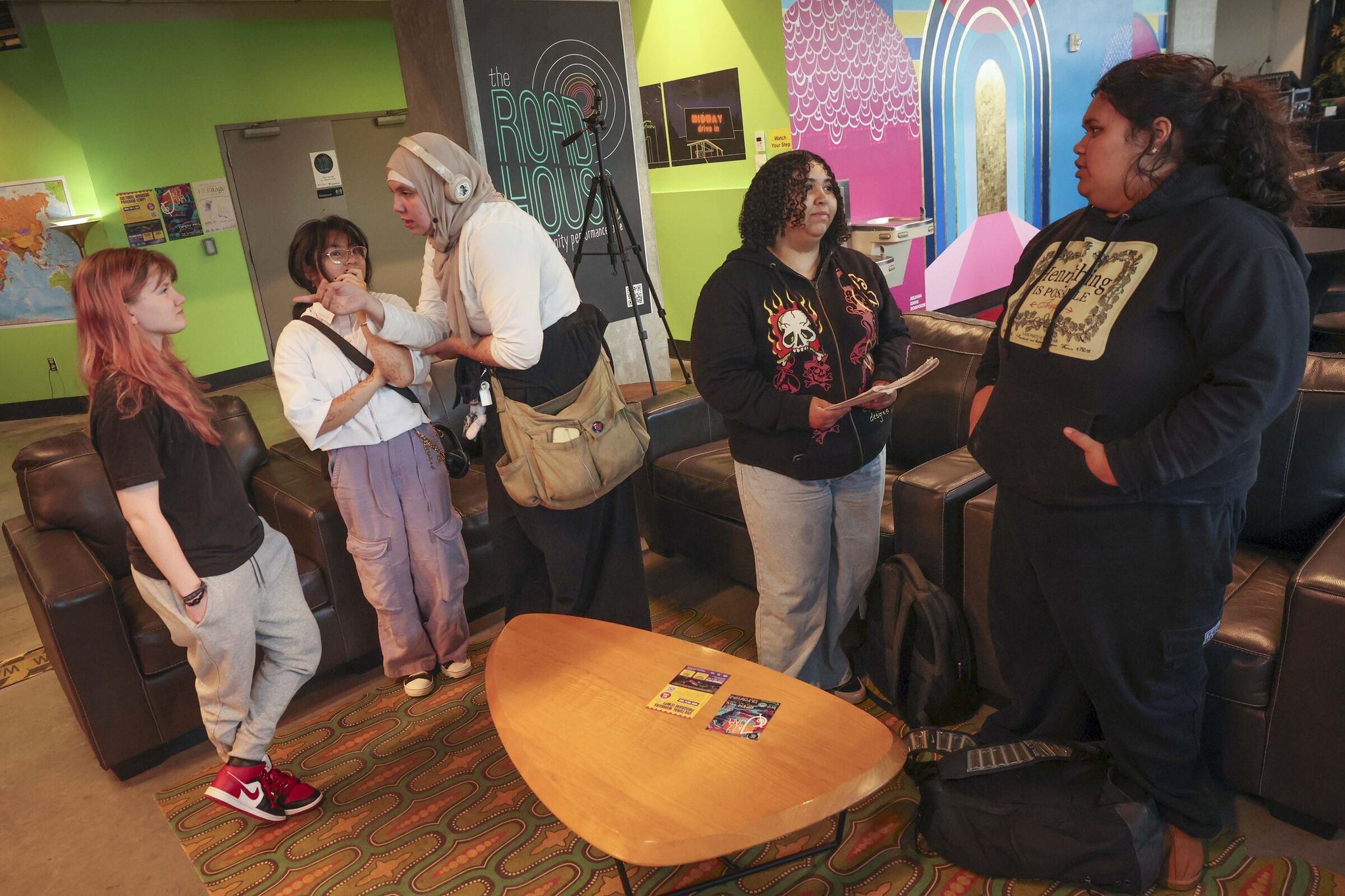
Inside, the venue feels more like a cozy living room: couches in front of a small stage, soft purple and yellow lighting. Students gather in a circle as instructor Alex Ren begins class with what he calls a "brain-file unlock" — asking them to recall the previous lesson. The room fills with answers about lighting angles, color theory and stage design.
These students are part of a pilot Cultural Workers Program organized by Show Brazil Productions with support from the city of Seattle and transit agency Sound Transit. Sound Transit runs the Link Light Rail, Sounder commuter trains and ST Express bus routes, connecting Seattle with suburbs and airports. The agency’s involvement in youth cultural programs is part of a local "place-making" policy that turns transit hubs into community centers to boost social connectedness.
The program pays high school and college students $25 per session, teaching them the basics of audio-visual production: from operating lighting and sound equipment to principles of stage design. The main goal, organizers say, is not only to introduce young people to careers in live events but also to develop transferable skills in teamwork, communication and problem-solving.
Eduardo Mendonsa, a longtime musician from the Seattle area and co-founder of Show Brazil, created the program out of a desire to open more opportunities for youth in the southern part of King County. That area includes suburbs with more diverse populations — many immigrants from Latin America, Africa and Asia — and lower median incomes compared with central and northern Seattle. There is less access to cultural and educational resources, and youth face language and economic barriers. "We wanted to build a pathway," Mendonsa explains. "It's free, but it's not just about being free: we pay young people to learn." There’s a particular focus on technicians and stage managers, whose work is typically behind the scenes.
The Roadhouse itself, opened nearly three years ago under the Angle Lake station parking deck, is an unusual cultural space inside a transit hub. A vacant area beneath the overpass was transformed into a cultural center as part of an "active use of public spaces" policy. In Seattle this reflects a trend: infrastructure zones under bridges and overpasses are being turned into art and music venues to address a shortage of affordable spaces and to enliven neighborhoods while lowering rent costs for cultural organizations.
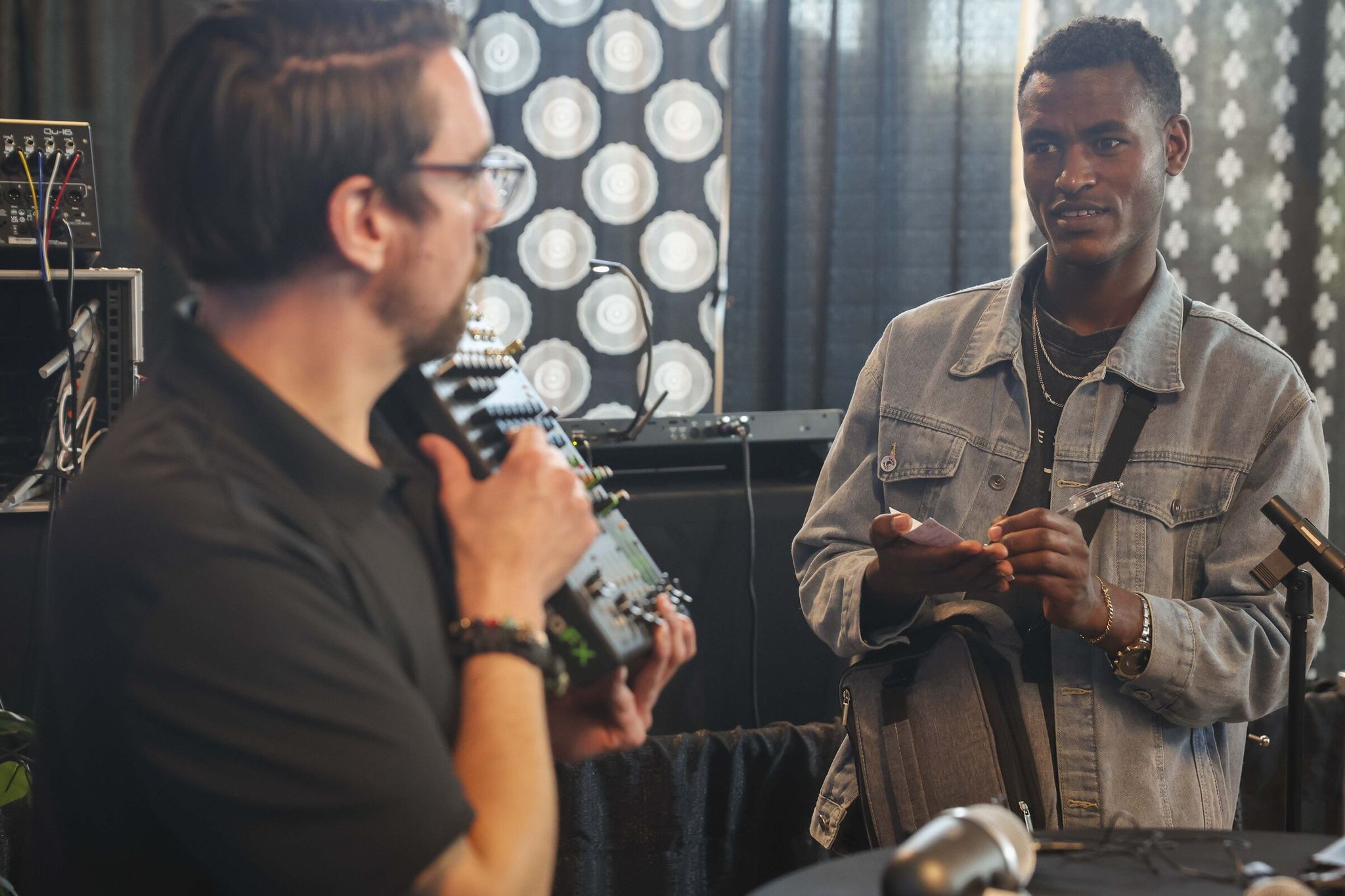
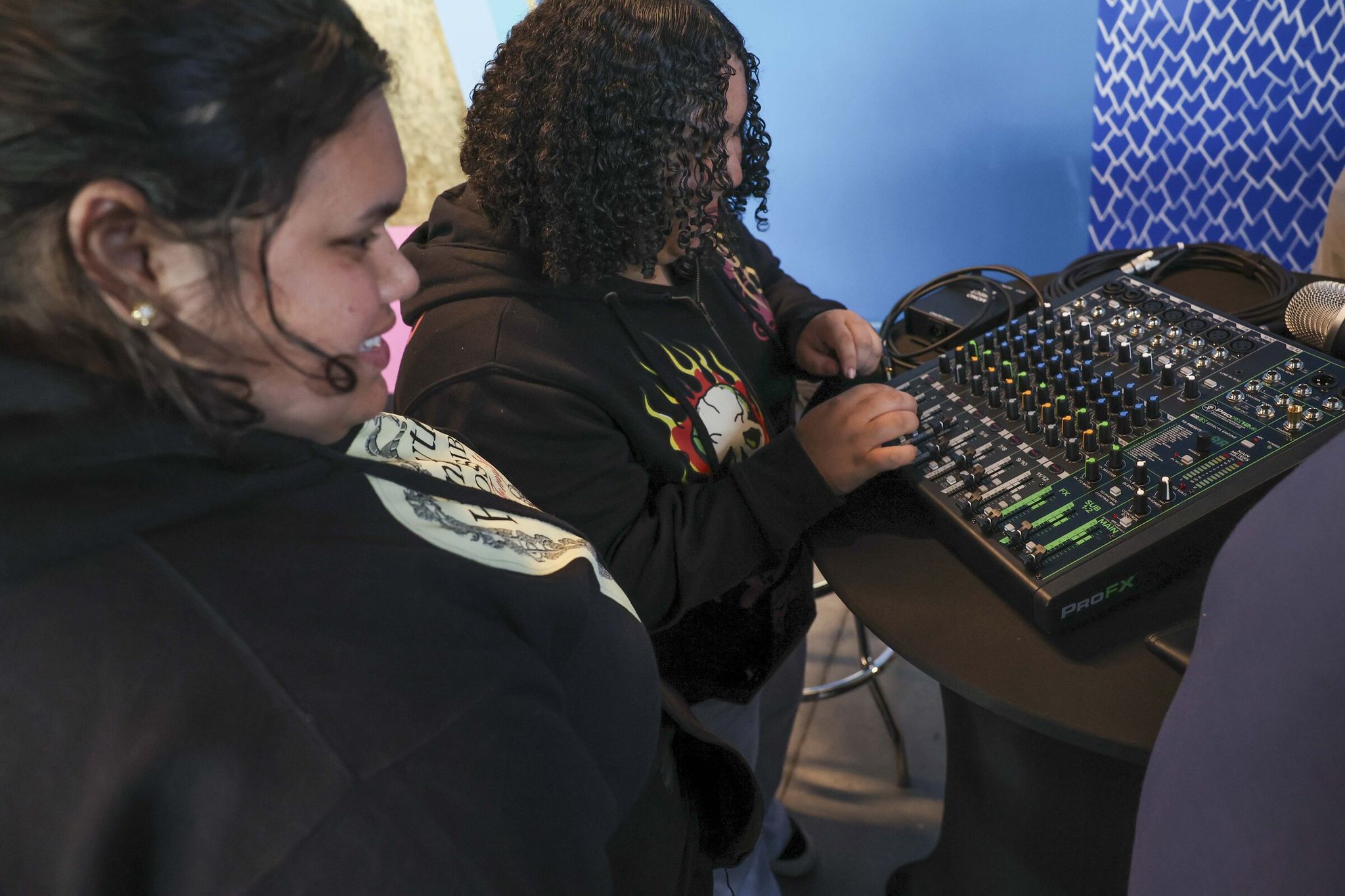
The course consists of five sessions built around the "four pillars of production": vision, structure, management and communication. First, Alex Ren shows an analog soundboard, then moves to a digital panel in the DJ booth, adjusting settings and speaking into a mic. In a lighting class he demonstrates colored gel filters, explaining there are more than 200 shades, and turns on LED fixtures so students’ faces glow orange.
Students put the skills to use right away. 23-year-old Binyam Hegano, studying biology and chemistry, uses mixing skills at his church helping with microphones, and the lighting tips have helped with his photography work. 15-year-old Lovea Torres Cisneros, a student at Mount Rainier High School, says she loves lighting the most: "It affects atmosphere so much — the color changes with the tempo of the music or the mood."
Show Brazil also hosts free concerts, jazz nights, cultural events and street markets here. By the end of the course, students are expected to design their own event using what they’ve learned: everything from stage layout to scheduling and crowd flow.
Interest in the program was huge: more than 80 applications for 16 spots in the first cohort. For many it’s a first chance to go behind the scenes of live events. Organizers hope to continue the program if The Roadhouse pilot becomes permanent. "This is more than a job," emphasizes Alex Ren. "It’s creating an experience with an artist and the community." The skills learned here will help students in any future career — from medicine to creative industries.
Based on: Seattle program gives students a taste of A/V production career