
This winter in Spokane, Washington, was unusually mild. During the entire meteorological winter season (December–February) air temperatures never fell below -10°C (14°F), which is fairly rare. Only about 41 cm (16.1 inches) of snow fell, making this one of the ten least snowy winters in 133 years of records. However, the absolute low-snow record of 24 cm (9.5 inches) from 1934 was not broken.
Such calm weather on the West Coast sharply contrasts with conditions in the eastern U.S., where powerful snowstorms struck from New England to the Carolinas. Meteorologists attribute this to an atmospheric pattern: a persistent area of high pressure over the western states acted like a bubble, pushing cold Arctic air from Canada eastward, where it collided with moist air masses.
Spokane’s climate, located east of the Cascade Range, is typically more continental than coastal Seattle’s. The mountain range acts as a barrier, creating a “rain shadow”: the moist Pacific air that brings mild, rainy weather to Seattle loses its moisture as it climbs over the mountains. As a result, Spokane winters are generally colder and snowier, and summers warmer and drier—making this warm, low-snow season especially anomalous.
As for the near-term forecast for Spokane itself, no major changes are expected. While light snow is possible during the week, it is unlikely to stick around for long because daytime highs will be in the +4…+10°C (39…50°F) range. Thus, the overall trend toward a warm, low-snow winter will continue.
A very different picture awaits the mountain areas, especially the Cascades. Forecasts call for 1 to 2 meters (3.3 to 6.6 feet) of snow on the Stevens and Snoqualmie passes from Tuesday through Friday. Meteorologists strongly advise drivers heading into the mountains to carry emergency supplies: warm clothing, a first-aid kit, food, and phone chargers.
Heavy mountain snowfall is welcome news for ski resorts and hydropower operators, who have struggled all season with a lack of snow. Snowpack in the Cascades acts as a natural reservoir, slowly feeding rivers and reservoirs in spring and summer. Its shortfall threatens drinking and agricultural water supplies as well as hydropower generation, which could lead to summer droughts, restrictions, and higher prices. However, meteorologist Daniel Butler warns that after such amounts of snow—especially with forecasted warming to follow—the avalanche risk in the Cascades will rise significantly.
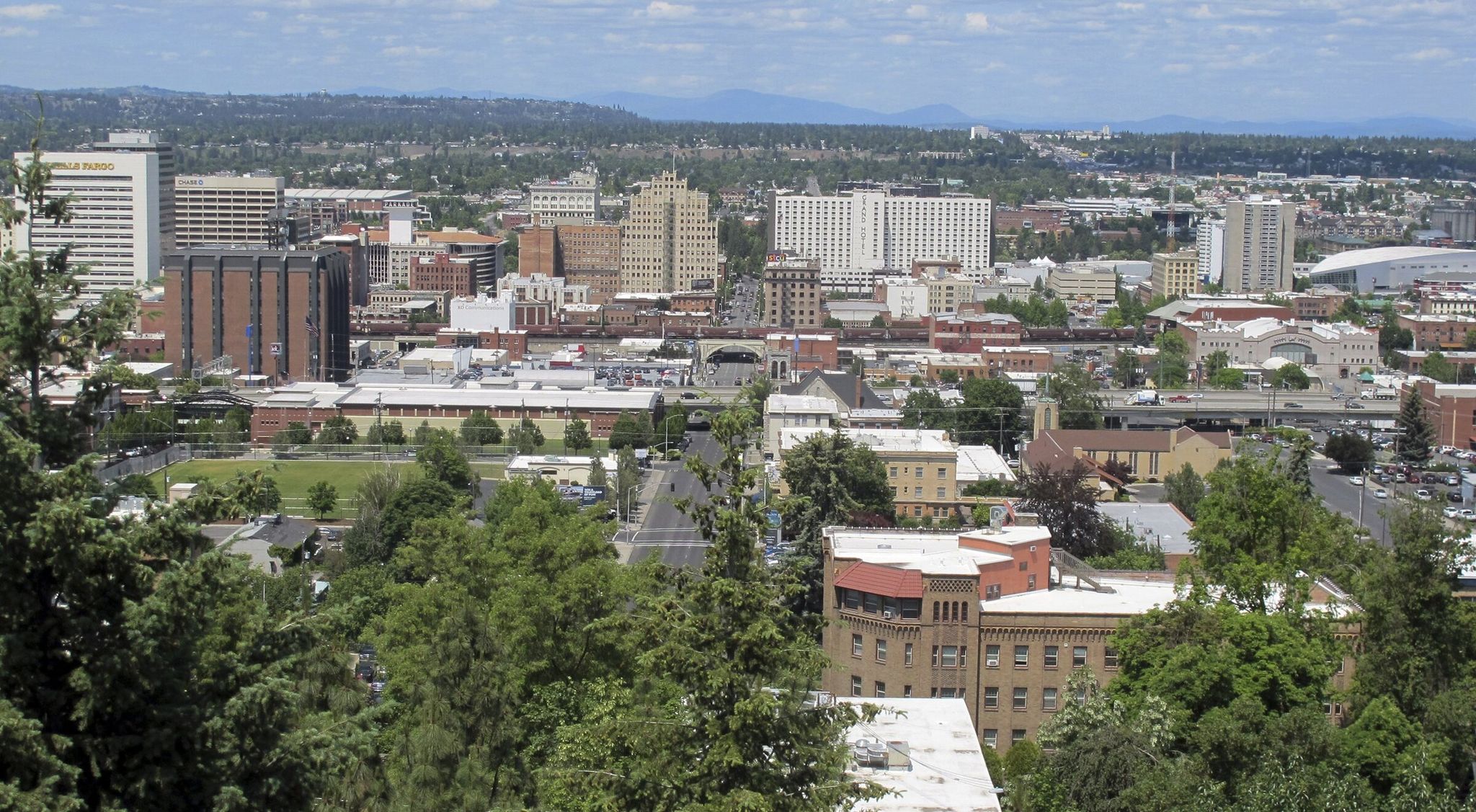
Based on: Spokane’s winter weather has been like a lamb all season. Here are the stats