
Recent shooting incidents — the attack at the White House Correspondents’ Association dinner on April 25 and a shooting near Seattle’s mayor in Yesler Terrace — have again focused attention on the problem. But residents of South Seattle, where gunfire has become a constant backdrop, wonder why their suffering goes unnoticed by politicians and journalists who react so strongly to high-profile cases.
Local resident Heidi Hamlin decided to do something about it and collected neighbors’ testimony about how armed violence affects their lives. She shares these stories with city officials and community leaders to show the scale of the problem. “We need to listen to the people who live with this every day,” Hamlin, a mother of two, says. “Talk to mothers who have lost children and to those who are afraid of losing them.”
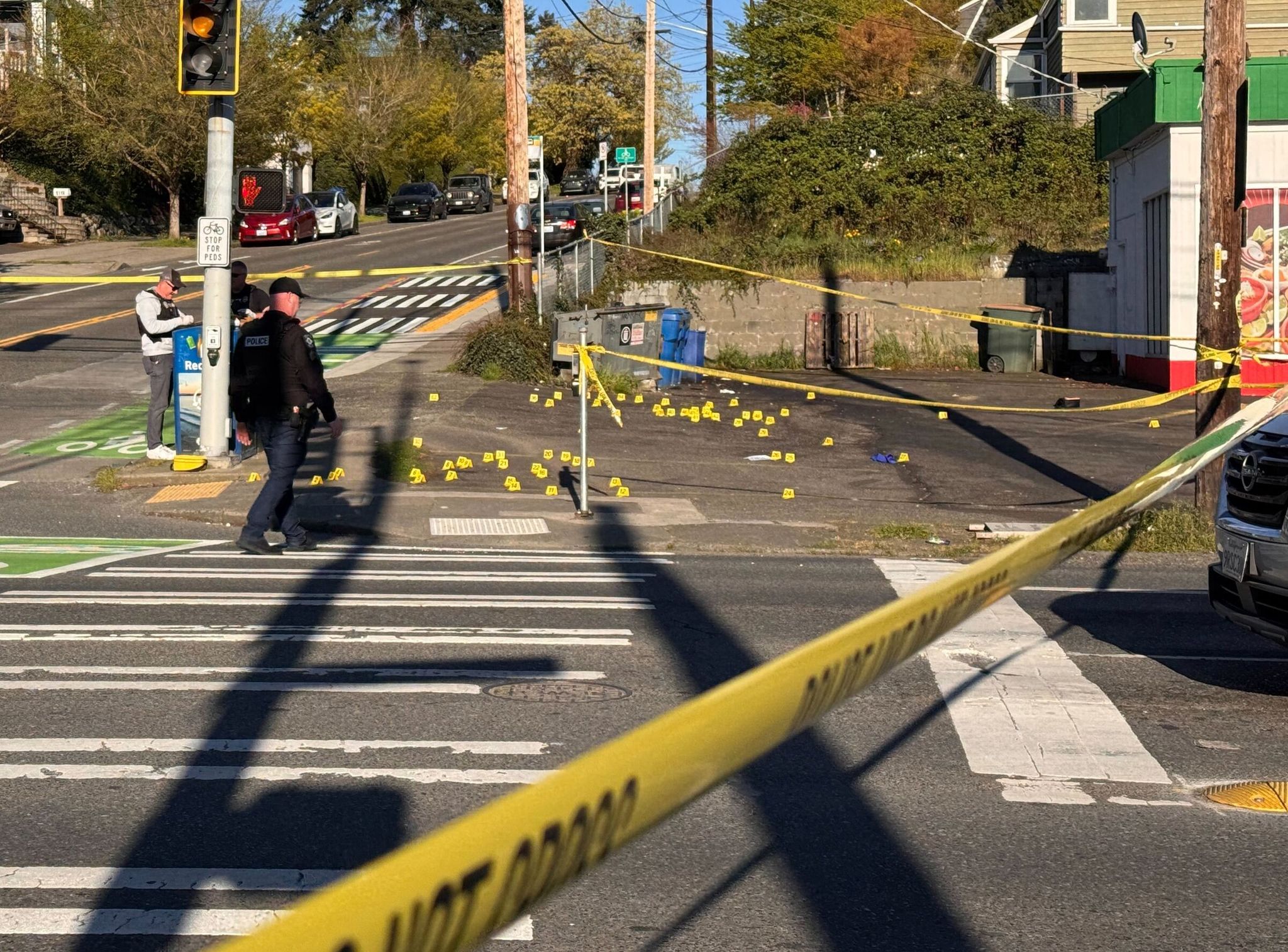
In just the past month, several shootings occurred in the Rainier Beach area, sometimes with dozens of rounds fired. One on April 8 left a young man wounded and dozens of shell casings in the street. Another tragedy happened Friday evening near the Rainier Beach light rail station — a 19-year-old man was shot in the head and is in critical condition. The Link Light Rail, connecting downtown with southern neighborhoods like Rainier Valley and suburbs including Sea-Tac Airport and Tukwila, has become an important transit corridor for South Seattle but has also sparked debates about gentrification and rising housing costs along the route.
Parents’ testimonies describe constant fear. “This is traumatizing my son, and my anxiety disorder has become unbearable,” one resident writes. “We don’t feel safe at home, at school, in the store, or at the gas station. My husband is afraid to go to the train.” Another mother adds: “Our children shouldn’t grow up hearing gunshots as just another background noise.”
Stories about children are especially troubling. A five-year-old girl, getting ready for South Shore School, told her mother: “There are a lot of guns there.” A four-year-old asked after a shooting at a community center: “Mom, why did they shoot? Did they want to kill a kid?” Another parent recalls that his son has been able to recognize the sound of gunfire since age four because it happens right behind their house.
Residents complain not only about street shootings but also about an open shooting range in Tukwila — a separate city south of Seattle that is economically and transit-connected via I-5 and the light rail. The sounds of shooting carry across South Seattle, raising concerns about noise, potential safety risks, and the perception of increasing armed violence in the region. “Subjecting a community already traumatized by violence to the daily sound of gunfire is the opposite of a mindful approach,” one resident writes. “It retraumatizes everyone who hears it.”
“This inequity between wealthier (and whiter) neighborhoods and poorer parts of Seattle is unacceptable,” another resident says. Historically, Seattle was segregated: wealthier white neighborhoods like Queen Anne and Capitol Hill in the north and west received more investment, while South Seattle, home to many communities of color (Black, Asian, Latino), was deprived of resources through discriminatory policies including redlining. Today that legacy shows up in worse infrastructure, less access to quality education and healthcare, and higher levels of poverty and crime. Massive tech-sector growth has widened the gap as rising housing costs displace long-time residents. People are tired of officials treating shootings as normal because they don’t affect them directly. Seattle’s government operates under a strong-mayor–city-council system: Mayor Bruce Harrell runs the executive branch, while a nine-member council makes laws and approves the budget. But on gun policy, local authorities are constrained — Washington state law prevents cities from enacting gun ownership restrictions stricter than state law. The city can regulate firearm storage or places where shooting occurs and can allocate funds to violence-prevention programs and police support. One mother sums it up: “I think about gun violence every day and wonder if my child is safe. I love this neighborhood — its culture, diversity, and community — but at what cost?”
Hamlin and her neighbors hope these stories will prompt those untouched by this crisis to demand change. They call for political decisions and priorities long advocated by local leaders — so that the everyday tragedy finally gets the attention it deserves.
Based on: ‘Daily reality’ of South Seattle gun violence demands more attention