
The board of Sound Transit, the transit agency responsible for major regional projects in King, Pierce and Snohomish counties, on July 18 rejected a proposal by Seattle City Council member Dan Strauss to begin construction of a light-rail line from Westlake to Ballard as a top priority. Westlake is a central transfer hub in downtown Seattle where buses and the monorail converge, and Ballard is a densely populated residential and commercial neighborhood in the northwest part of the city that lacks efficient transit. Instead, by a wide margin (14 to 4) the board approved a so-called “austere plan” — a cost-cutting strategy that includes cheaper alignments and simpler stations to build a route from the Sodo area to Seattle Center, leaving Ballard’s future uncertain. Sodo is an industrial area south of downtown with a light-rail station and stadiums, and Seattle Center is a cultural complex anchored by the Space Needle and museums. Strauss argued the move would provide transit access to 70,000 daily riders who currently rely on slower buses such as RapidRide route D.
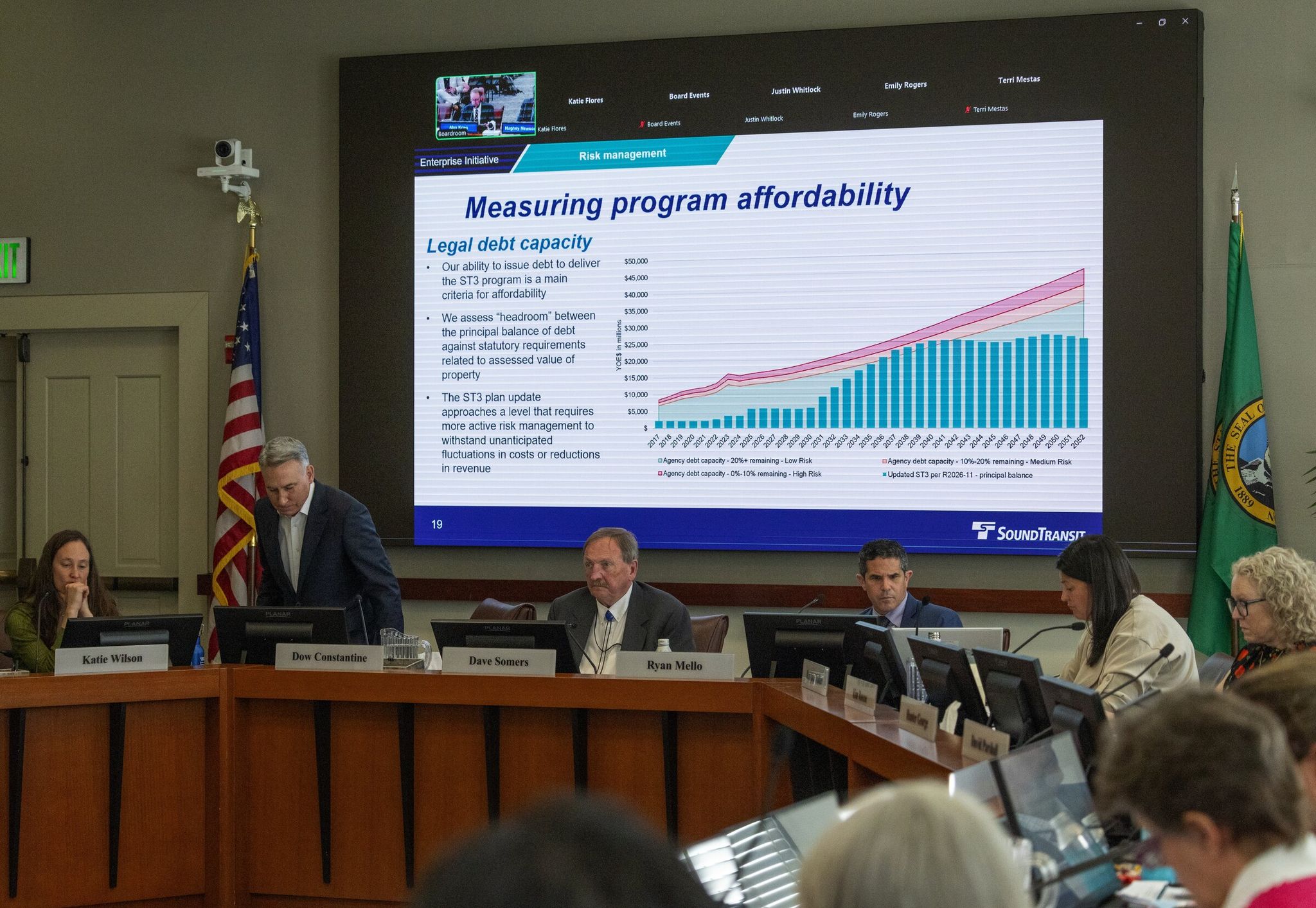
The decision was driven by a staggering $35 billion budget shortfall. The original ST3 package approved by voters in 2016 had an estimated price tag of $54 billion, but that figure swelled to roughly $89 billion due to high inflation, rising costs for steel, concrete and labor, increasing land prices, and the addition of new stations. Sound Transit is funded by sales taxes (0.9% in the region), property taxes and vehicle fees, unlike Seattle’s local transit run by King County Metro, which is funded with local taxes and city subsidies. The agency now acknowledges it cannot afford to fund all promised projects simultaneously and must set priorities. As a result, the projects deemed “affordable” and buildable are the lines from Sodo to West Seattle, Federal Way to Tacoma, and Lynnwood to Everett.
The most painful cut was the exclusion of the Ballard route — an alignment Sound Transit had previously promised to deliver by 2035. Board member Claudia Balducci of Bellevue noted this is the fourth “rebuild” of plans due to unforeseen costs and urged breaking the cycle. Ballard proponents pointed to Sound Transit data showing a full Ballard line would serve 135,000 daily riders, with half boarding at the second Westlake station and north of it. Ballard is considered a priority because it is one of the fastest-growing neighborhoods without direct light-rail access, which contributes to congestion and overloaded buses.
At the same time, the board approved $300 million for full design of the Ballard segment so it will be construction-ready when funding becomes available. In a move unexpected by Strauss, the board also voted 13 to 5 to require Sound Transit staff to present a specific date or timeframe for opening the Ballard line by Aug. 1. Strauss called that a step toward restoring trust.
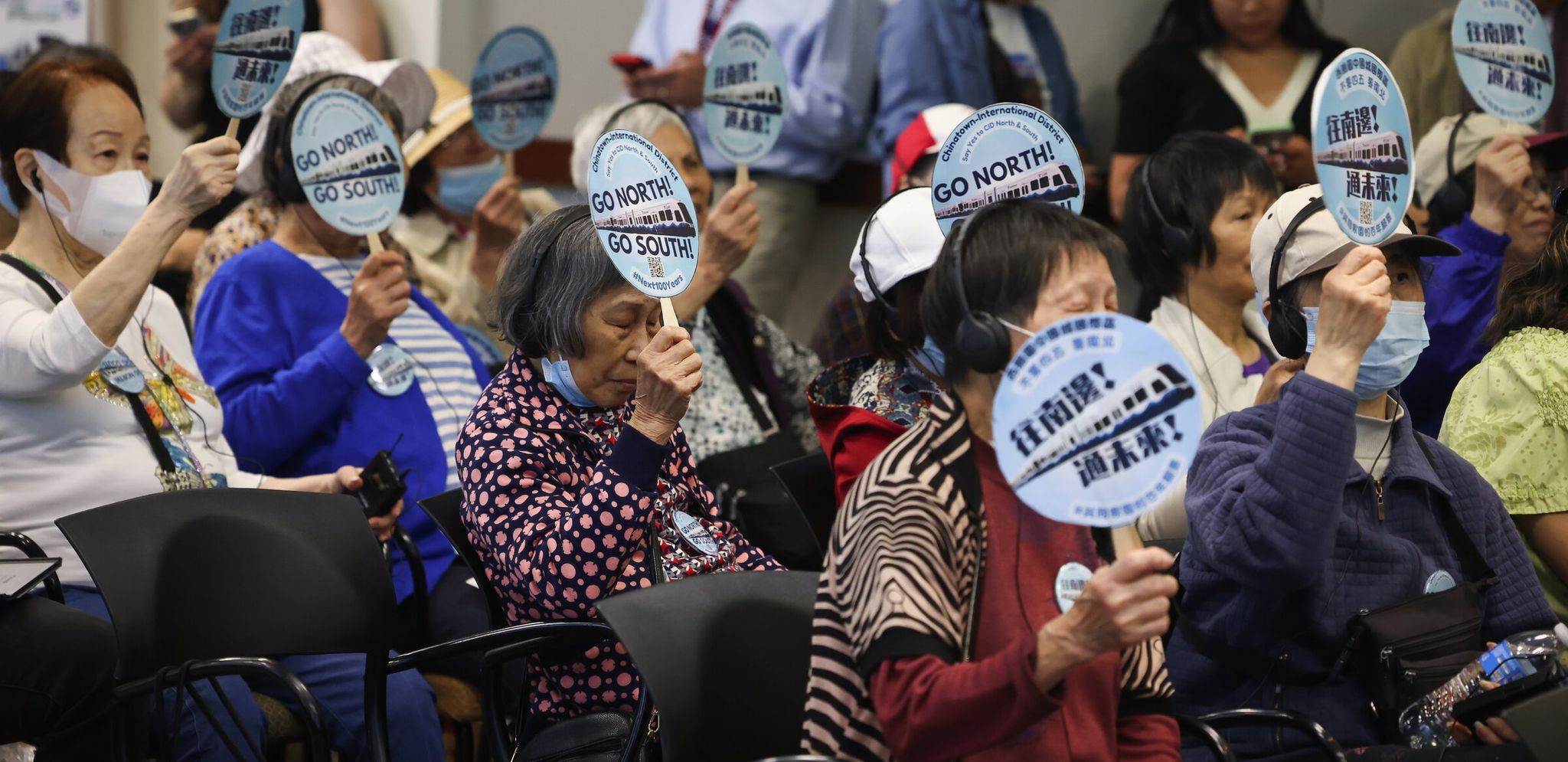
Other board decisions included full funding for the at-grade Graham Street station in South Seattle, which serves residential neighborhoods and provides airport access. A few weeks ago it had been at risk of being cut. King County Executive Girmay Zahilay, who grew up in the area, called it “a special promise to a community that deserves it.” For the first time the agenda also included discussion of potential new taxes — Seattle Mayor Cathie Wilson proposed exploring a Sound Transit 4 package or limited local levies to cover the budget overrun.
Projected start dates for construction look optimistic: West Seattle — 2028, Federal Way to Tacoma — 2030, Lynnwood to Everett — 2031. No start date was given for the Sodo–Seattle Center segment. None of these projects yet has full engineering documents, construction contracts or federal grants, so experts warn the timelines could slip.
Meanwhile, a station at Boeing Access Road in north Tacoma did not make the final plan, but the area will receive $10 million for development of alternative transportation options. Instead, a free park-and-ride in Renton next to Interstate 405 will be built — $100 million from future funds was allocated for that. “This is critical infrastructure because without it people will just drive,” said new board member Stephanie Fein.
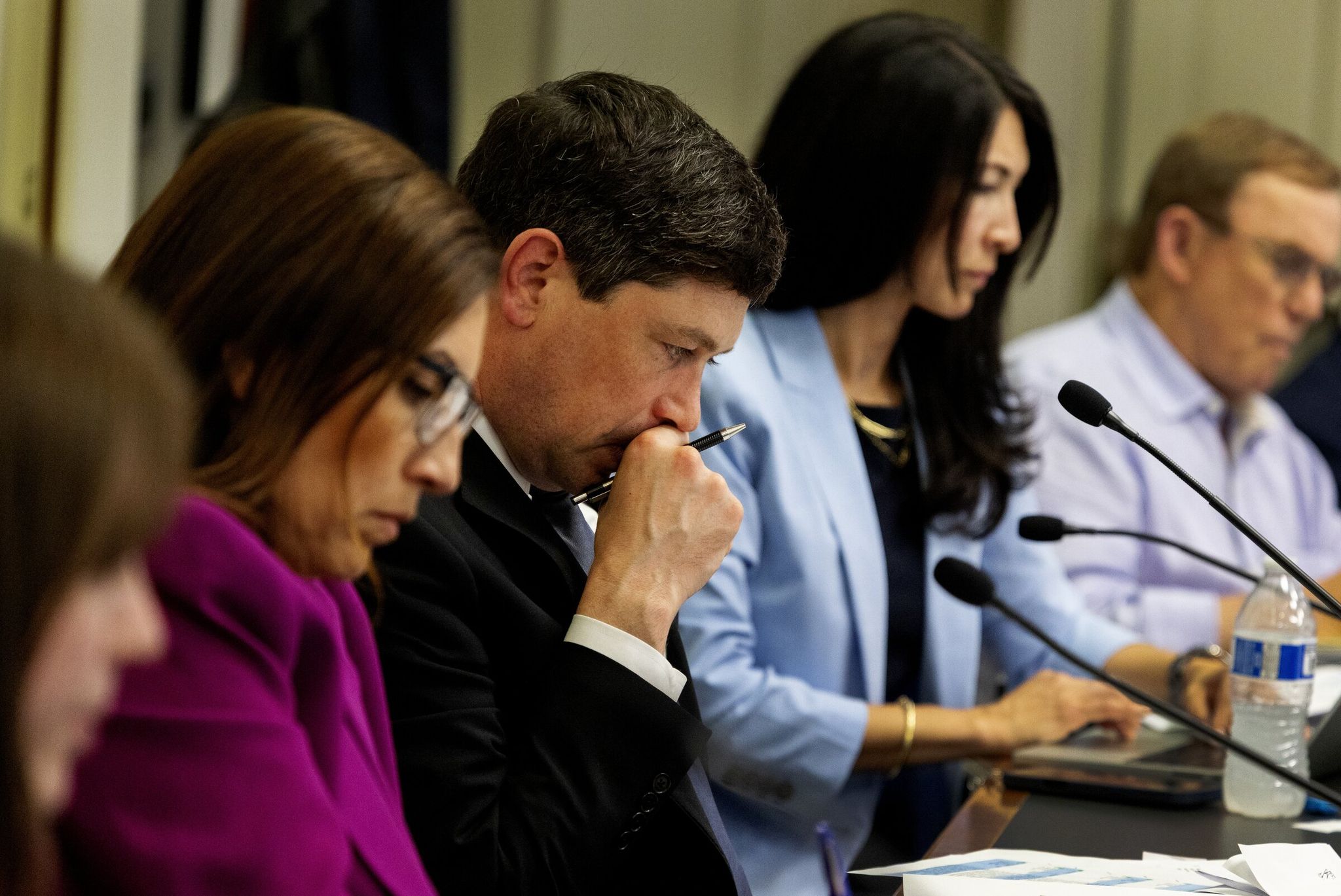
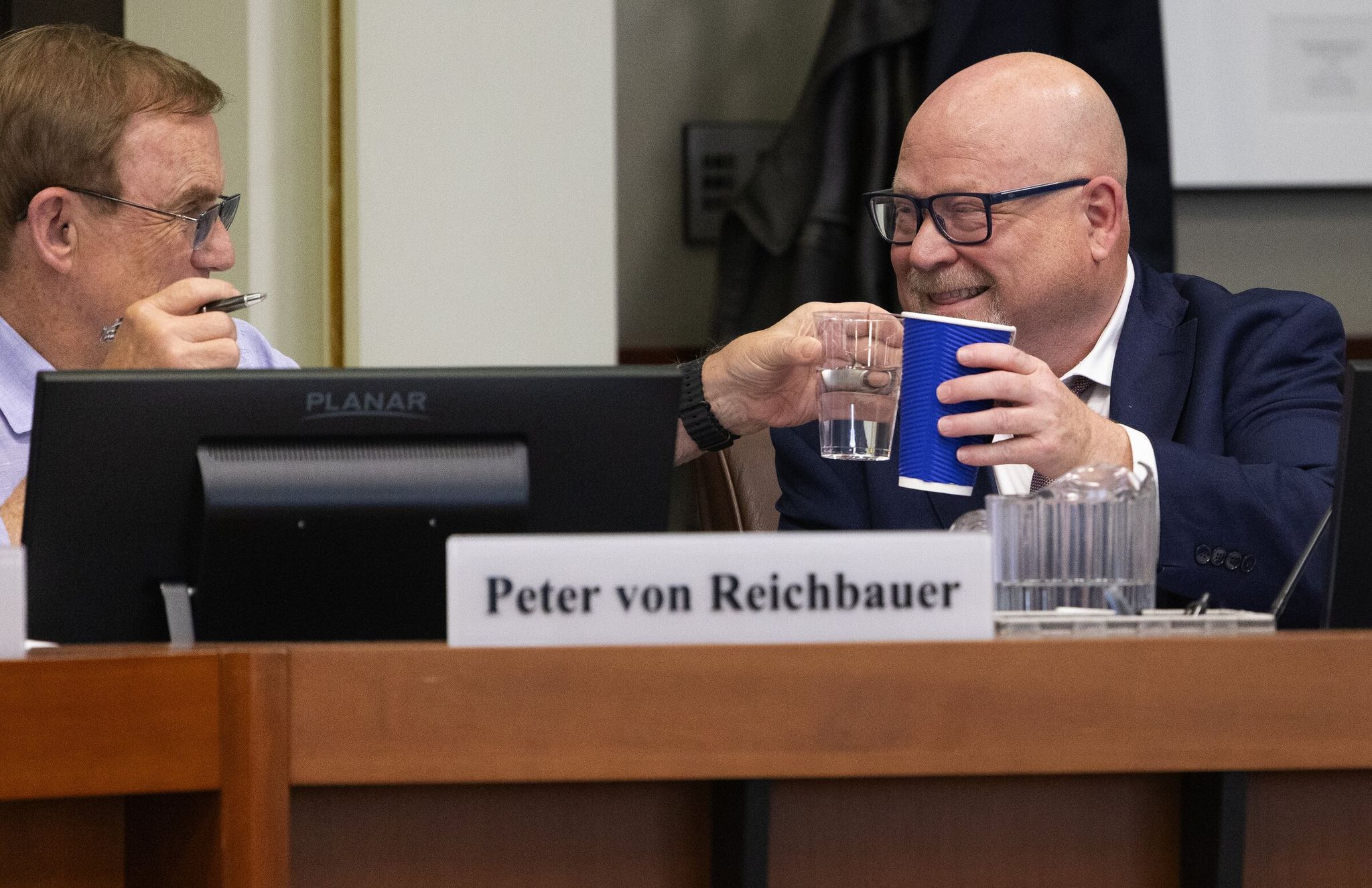
Regional tensions are clearly rising: Everett Mayor Cassie Franklin said her city is “not prepared at all” for new taxes until trains arrive. In response, board chair Dave Somers called ST3 “probably the most complex transit project in the world, and it’s getting harder every day.” Only Balducci and Strauss voted against the overall plan, known as the Enterprise Initiative, hoping that a more detailed financial plan this fall will allow a fairer outcome for Ballard.
Based on: Ballard light rail idea rejected while Sound Transit OKs other lines