
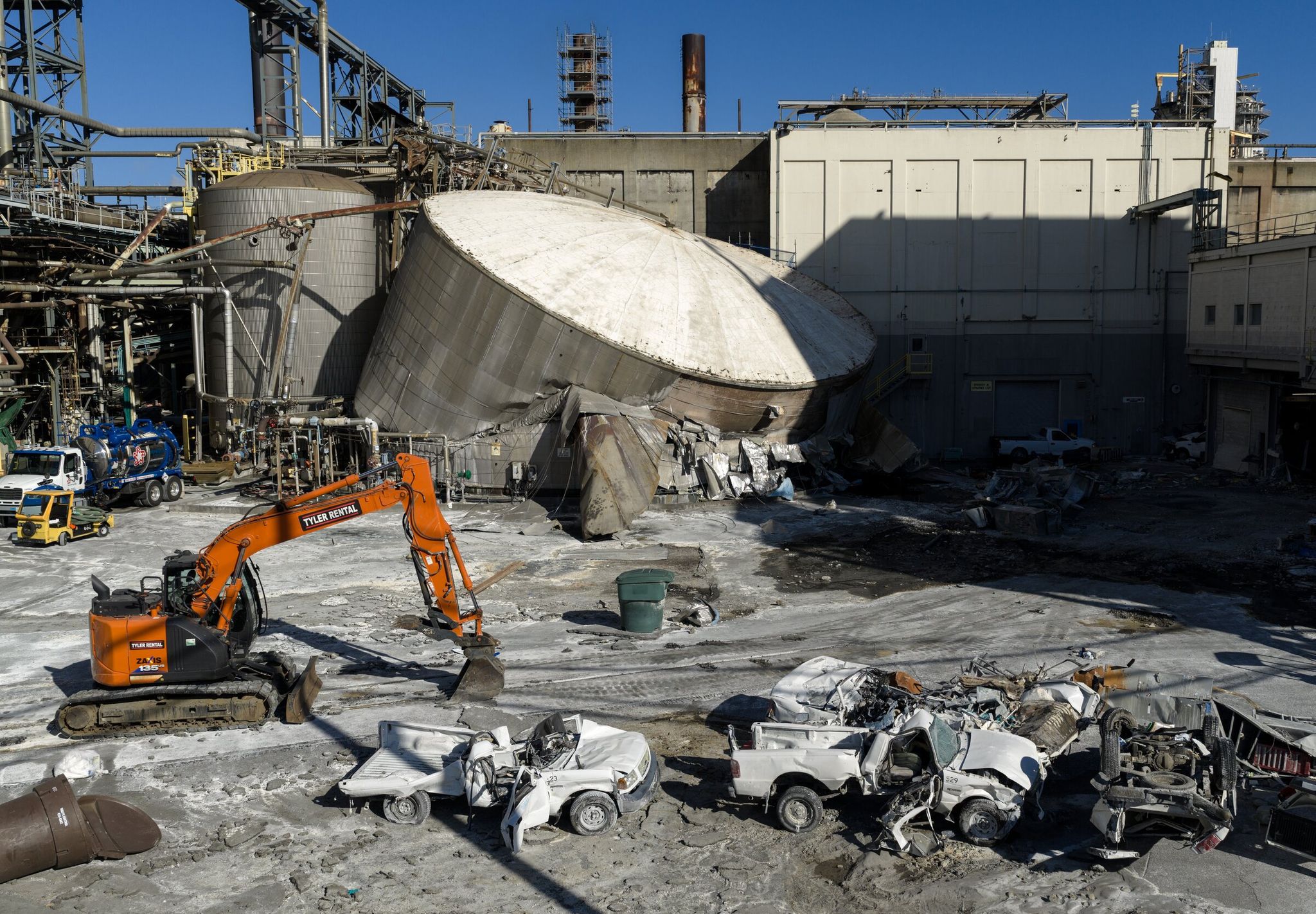
Leaders of the U.S. Congress reached a last-minute bipartisan agreement to preserve funding for the Chemical Safety and Hazard Investigation Board (CSB). The decision came after a catastrophic implosion at a pulp mill in Longview, Washington, that killed 11 people and injured seven others. Earlier, the House budget proposal had called for cutting the CSB budget by more than 40 percent, which, The Seattle Times reported, would have severely limited the agency’s ability to investigate this and future industrial accidents.
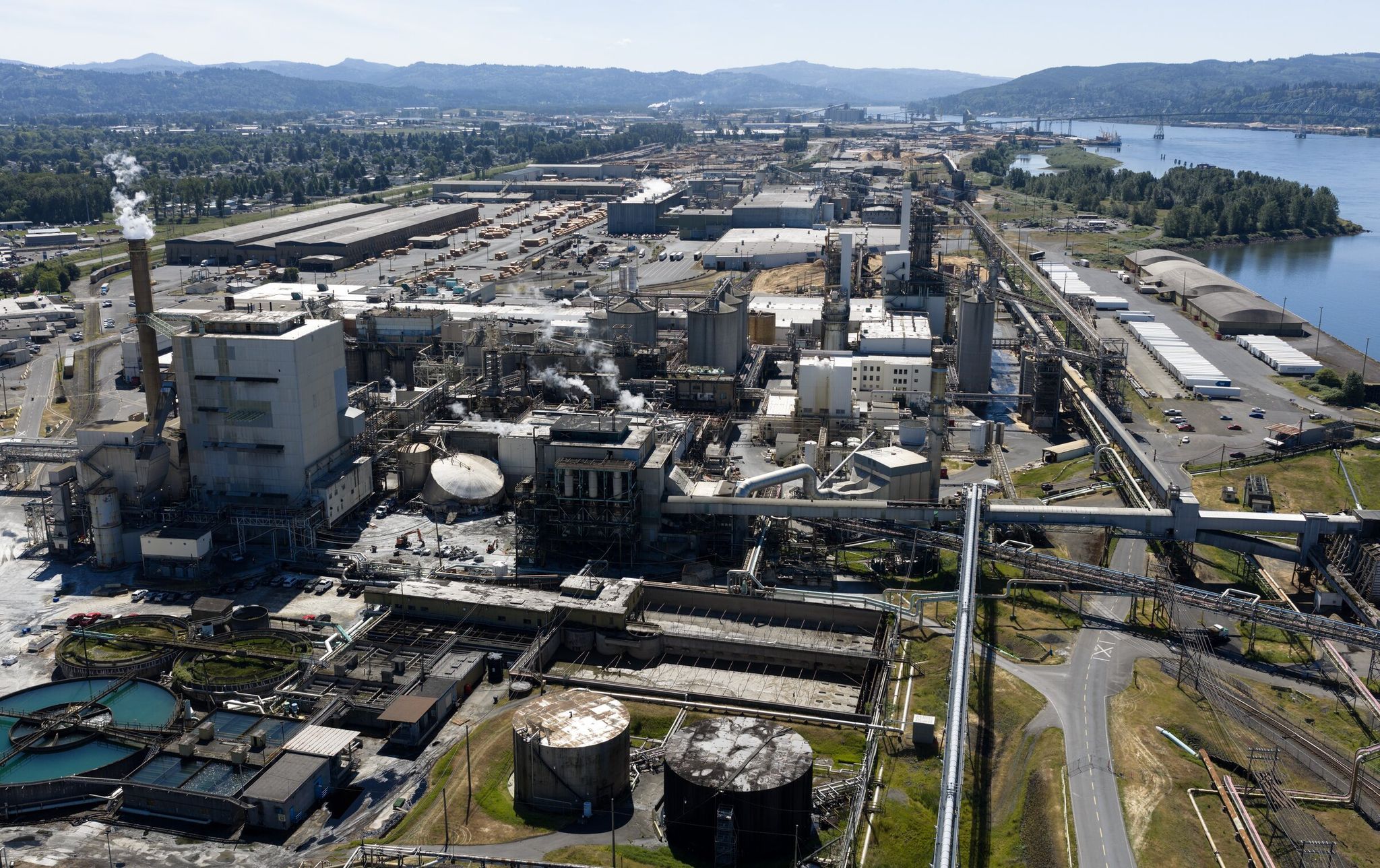
Longview sits in the Columbia River Valley, which provides access to the vast forest resources of the Pacific Northwest — pine, fir and spruce. The river serves as a transportation artery for incoming timber and outgoing products, which has historically made Washington a national leader in pulp and paper production. The industry creates thousands of jobs, supports port infrastructure and generates billions of dollars for the state’s economy each year through exports to Asia and other regions.
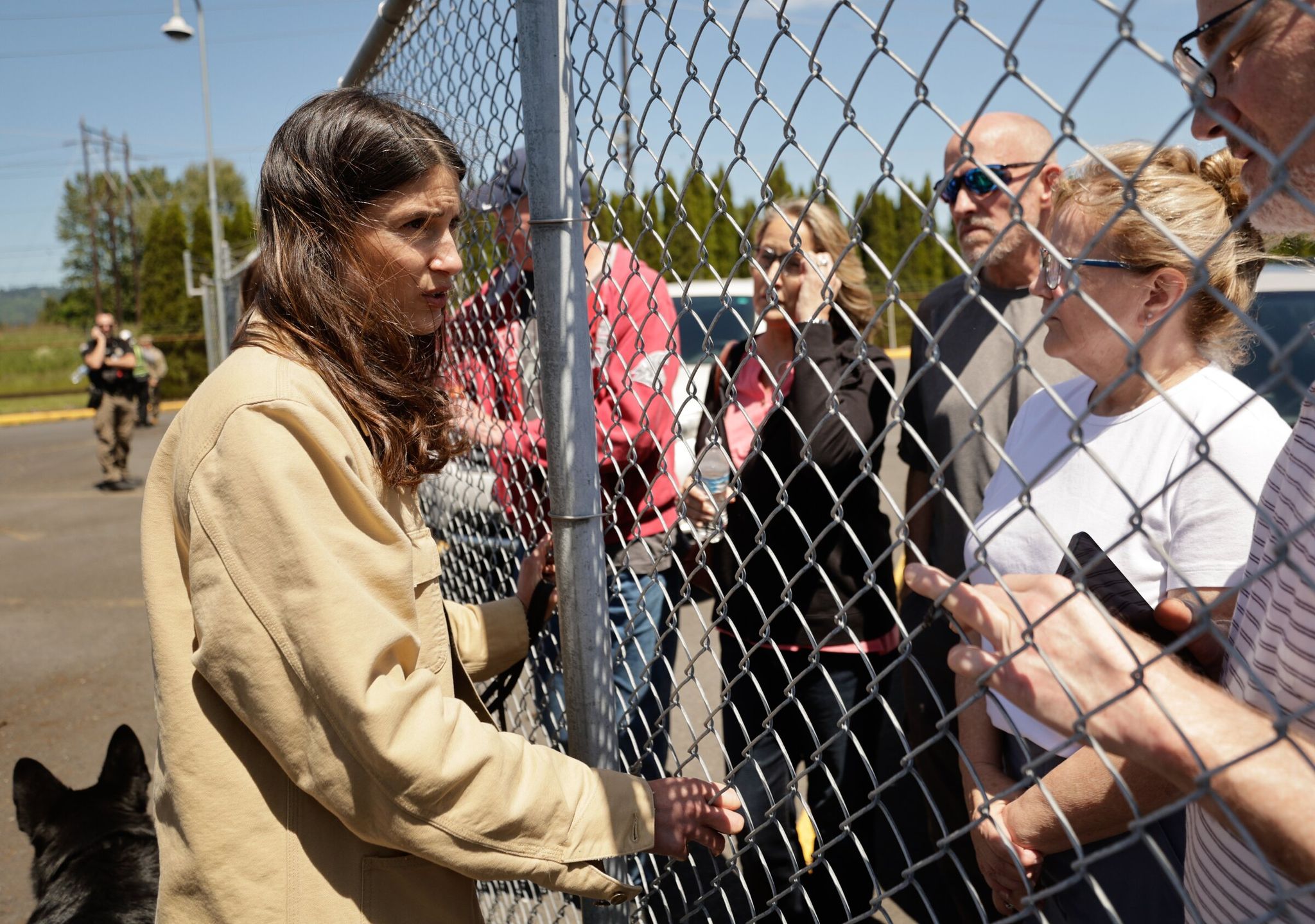
The deal resulted from active efforts by Congresswoman Marie Gluesenkamp Perez, a Democrat from Washington who represents the Longview district. On Tuesday evening, ahead of scheduled Appropriations Committee debates, she initiated a series of calls and messages to colleagues. Key Republican support came from Dan Newhouse and Mike Simpson, who backed restoring the funding, calling it not a partisan but a human issue.
President Donald Trump has sought to eliminate the CSB since his first term, calling it part of “government streamlining.” Conservative politicians, including Trump, view the agency as an unnecessary regulator that imposes bureaucratic constraints on business and slows economic growth. Eliminating the CSB is part of a broader deregulatory push: Republicans often seek to weaken other agencies such as the EPA and OSHA, arguing it reduces costs for industry. Critics argue that removing the CSB would strip the industry of an essential independent oversight mechanism, increasing risks to workers and the public. Congress has repeatedly rejected those attempts. The agency’s budget has remained at roughly $14 million since 2023, which former board members say has already been insufficient for full operations.
On Wednesday, the House Appropriations Committee approved an amendment restoring the CSB budget to $14 million. The bill funding the Interior Department, the Environmental Protection Agency and other agencies now goes to the full House for consideration. Senator Patty Murray, a Democrat from Washington, pledged to block any further attempts to strip the agency of funds.
The CSB was created in 1990 as part of amendments to the Clean Air Act and began operations in 1998. Its sole mission is to investigate the causes of chemical disasters and develop recommendations to prevent similar tragedies. CSB technical reports often become the basis for industry-wide safety reforms.
The investigation of the Longview implosion could take years. Experts must determine why a 900,000-gallon tank of “white liquor” — an aqueous solution of sodium hydroxide and sodium sulfide used in the pulping process to dissolve lignin — failed so catastrophically. Pulp mills also use other hazardous chemicals: chlorine or chlorine dioxide for bleaching, sulfites and sulfuric acid, and gaseous methyl mercaptan, which gives plants a characteristic foul odor. Typical consequences of accidents include toxic discharges into the Columbia River that kill fish and aquatic life; releases of sulfurous gases and ammonia into the air that cause respiratory problems in people; and groundwater contamination. For local residents, this can mean closures of fishing areas, bans on using water for drinking and irrigation, temporary evacuations or “shelter in place” advisories. In the long term, accidents reduce quality of life and undermine trust in the region’s environmental safety.
The CSB faces chronic challenges: a small staff (about 50 employees) and three vacant seats on the five-member presidentially appointed board. Political interference hinders stable leadership, delaying investigations and the implementation of recommendations. Gluesenkamp Perez said she intends to push for the appointment of new board members, emphasizing the importance of hands-on plant experience.
“Eleven men will never come home to their families,” Gluesenkamp Perez said. “We must be able to make cardboard and paper here at home, and that means the CSB is necessary. This level of risk is unacceptable.” The congresswoman noted that she is only “laying the groundwork” for negotiations with the White House but said she is confident that protecting workers and preventing future catastrophes is worth every dollar spent.
Based on: After Longview implosion, deal restores Chemical Safety Board funding