
Seattle Mayor Katie Wilson admits that, before taking office, she was hardly interested in professional sports at all. This sharply contrasts with her predecessors—Bruce Harrell, who as a youngster was a standout middle linebacker and could have made it to the NFL, and Jenny Durkan, who played basketball. Even so, it is under Wilson that the city is experiencing, perhaps, the most exciting sports year in its history.
Right after taking office, Wilson found herself at the center of the action: the Seahawks won the Super Bowl, and she had to ride in the parade on an open vehicle. Then talk returned about bringing back the Seattle basketball team the Sonics—a club that left the city in 2008, when owner Clay Bennett couldn’t reach an agreement with city officials over funding for a new arena and moved the team to Oklahoma City. While there are no guarantees yet, the momentum has become very real: the Climate Pledge Arena (formerly KeyArena) is being renovated, and local business leaders and fans are actively lobbying for a return through an NBA expansion or the move of another franchise. And it could be Wilson—skeptical about the role of city government in these issues—who becomes the mayor that welcomes the Sonics back home.
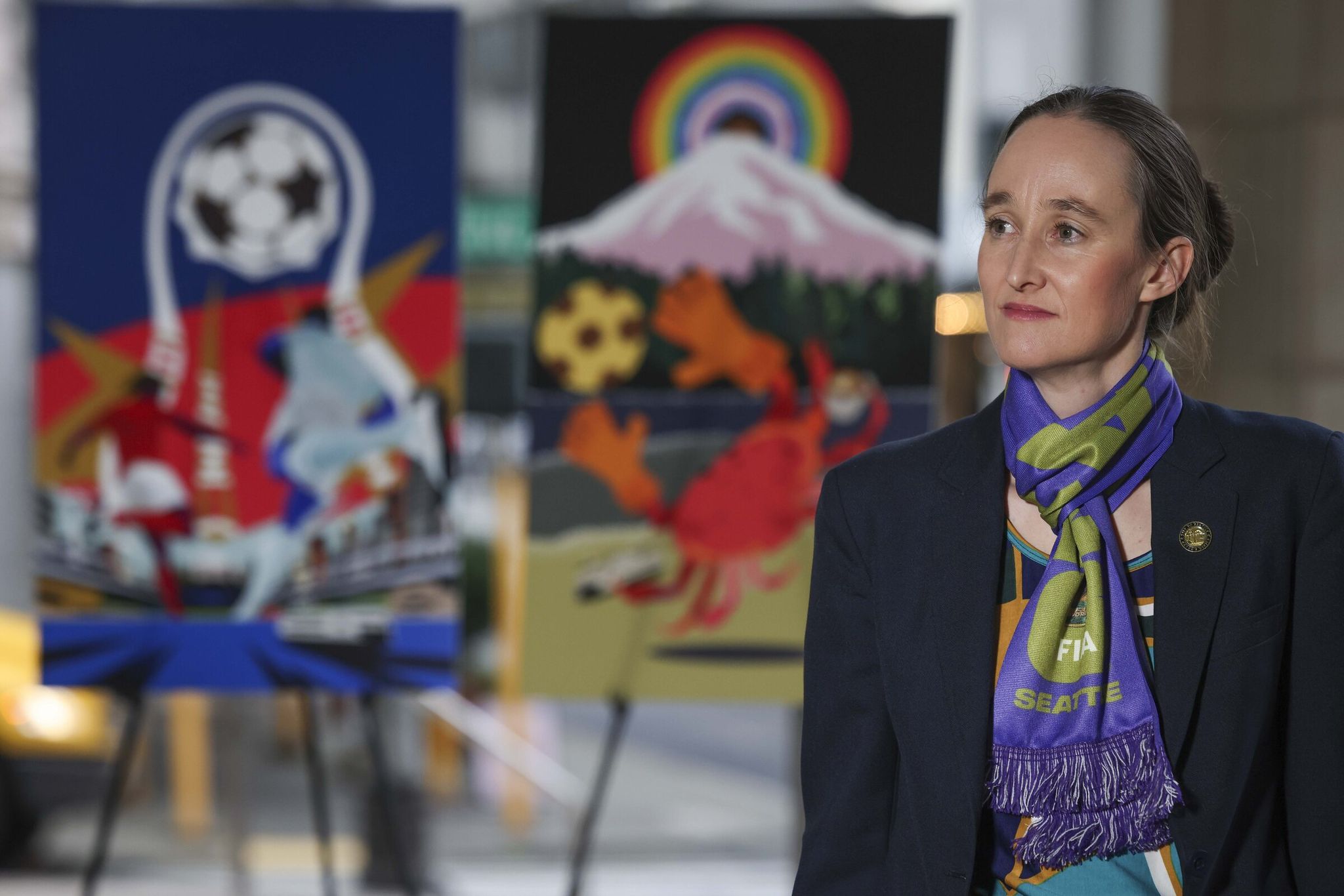
The pinnacle of the sports calendar has been the FIFA World Cup, which is taking place in Seattle this week. The city had submitted its bid back in 2018, and preparations had been years in the making, but it is Wilson who is watching the festivities from the top floors of City Hall. In her inaugural address, she admitted that being the city’s chief promoter had triggered a “crisis of conscience”—she was elected on promises to make housing more affordable and to tackle the homelessness problem.
The World Cup has become both a sporting event and a driver of social policy. Her administration set a goal of creating 500 new shelter beds by the start of the tournament, but only two facilities were ultimately opened. Wilson acknowledged that they would not reach 500, but stressed that the exact number was not the point—what mattered was to create urgency in the fight against a crisis that had long been ignored. On the way to that goal, the city encountered major obstacles: tough opposition from neighborhood residents (NIMBY), strict zoning restrictions, lengthy environmental reviews, and lawsuits from local communities that slow projects. Funding is also lacking for comprehensive services, including healthcare and social support, and many existing shelters simply can’t handle the flow of people.
There has also been a dispute with the City Council over surveillance cameras at stadiums. Mayor Bruce Harrell previously proposed installing them to improve safety during major events, but the council opposed the idea, fearing mass surveillance and a violation of residents’ privacy. Wilson has taken a cautious approach: she agreed to include cameras only if there is a specific threat, and ultimately gave the go-ahead, saying there were credible warnings, but that people should not panic. The fight reflects Seattle’s deeply rooted culture of data privacy: local activists and politicians have traditionally been skeptical about expanding police authority and are calling for strict limits on the collection of video information.
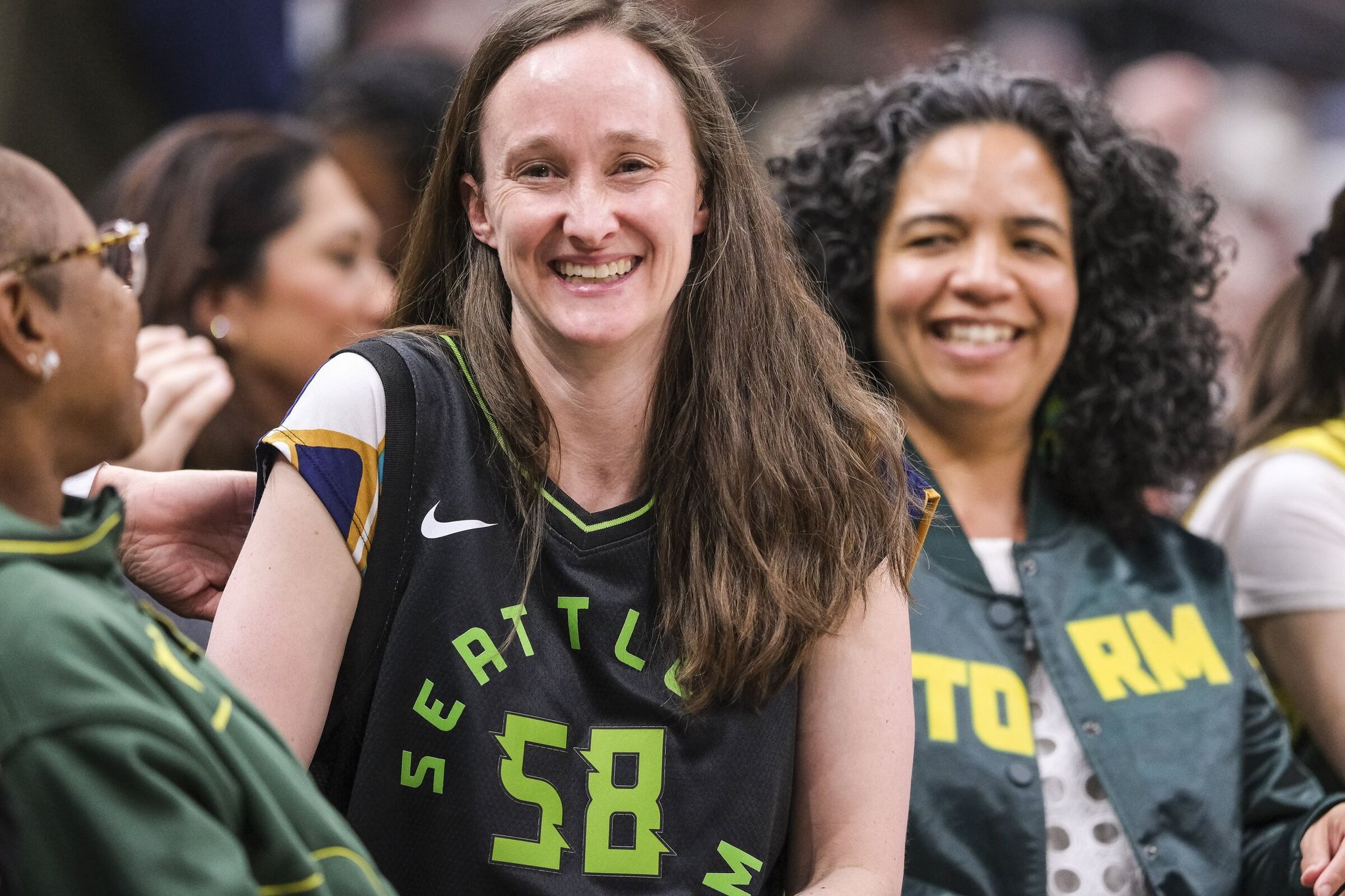
Wilson herself still isn’t ready to call herself a sports person. But she has already attended the NFL conference championship, a Mariners game, and the opening of the Storm season. And on Friday, when the United States team faces Australia, the mayor will also be in the stands—with a smile and without a bingo card that would indicate the kind of start her career has taken.
Based on: Katie Wilson, Seattle’s unlikely sports mayor