
Despite the nearly 4,300-kilometer distance between Washington state and Hawaii, recent hurricanes Lala and Lowell severely affected Native Hawaiians living on the mainland. Homes were destroyed, and floods and landslides occurred on the islands of Hawaii, Kauai and Niihau. Many residents are still unable to return to normal life. The tragedy cast a shadow over Seattle’s annual Live Aloha Hawaiian cultural festival, which nevertheless preserved its celebratory atmosphere of music, dance and community unity.
The festival has been held at Seattle Center since 2009, except for a hiatus during the COVID-19 pandemic. Seattle Center is a major cultural and civic complex in the heart of the city, built on the site of the 1962 World’s Fair. It includes concert venues, museums, parks and the famous Space Needle. Thanks to its convenient location, spacious grounds and multifunctional halls, the complex regularly hosts ethnic festivals, concerts, fairs and other events that reflect Seattle’s cultural diversity.
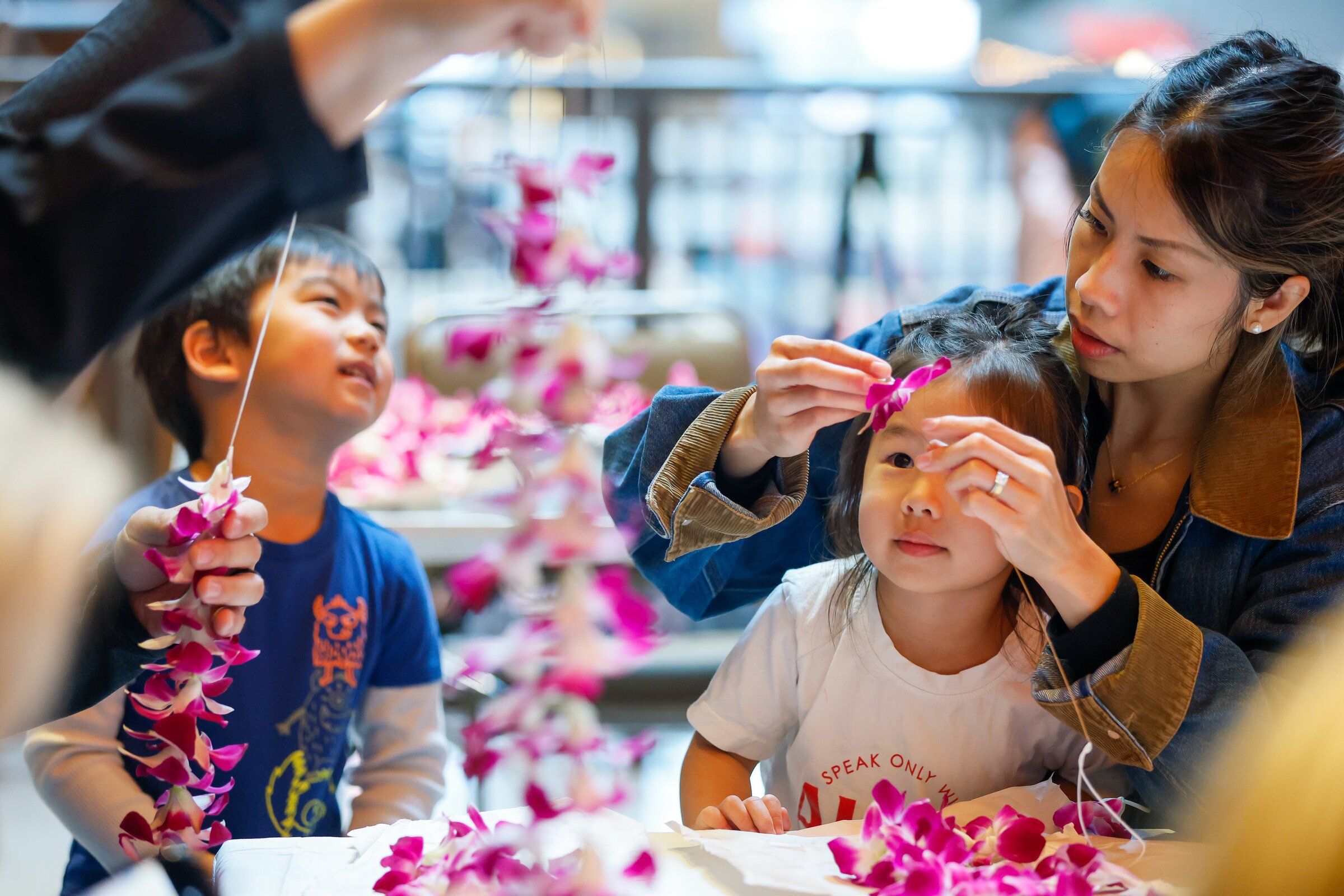
This year, Live Aloha visitors watched music and dance performances, took part in a musubi-style Spam-eating contest, and attended workshops on making leis, weaving with hala leaves and traditional Hawaiian featherwork. Organizers reminded attendees that “aloha” means not only a greeting, but also love, compassion and respect. According to organizing committee member Kamalei Brandon, land and family are inseparable for Native Hawaiians, so disasters on their home islands are experienced as a personal tragedy.
Washington state is home to nearly 5% of all Native Hawaiians in the United States—the third-largest community after Hawaii and California. Many live in King and Pierce counties. Hawaiian diaspora organizations in the region typically help disaster victims in several ways at once: collecting donations, sending funds to vetted charitable organizations on the islands, assembling shipments of essential goods and sharing information about available assistance. They also support evacuees and relatives of victims in the Seattle area, helping with housing, transportation, documents and contact with social services.
The festival also took place against the backdrop of a July shooting at Seattle Center that left three people dead and four others injured. Organizers increased security measures and police presence, emphasizing that visitor safety remains the top priority.
Event participants looked for additional ways to help the affected islands. The organization Hawaiian Diaspora used the festival to inform the public about the hurricanes’ consequences, since many visitors may not have known the extent of the destruction. For Dana Lastimado of Seattle Poi Company, the issue is especially personal: the farmer who supplies the company with taro lives on Kauai, and her grandmother’s home on the island was destroyed.
Her family business, which offered poi, taro dishes, mochi and other treats, got its start at Live Aloha. According to Lastimado, the festival remains an important local gathering where the spirit of aloha is felt especially strongly.
Based on: Seattle’s Live Aloha Festival unites WA islanders in challenging times