
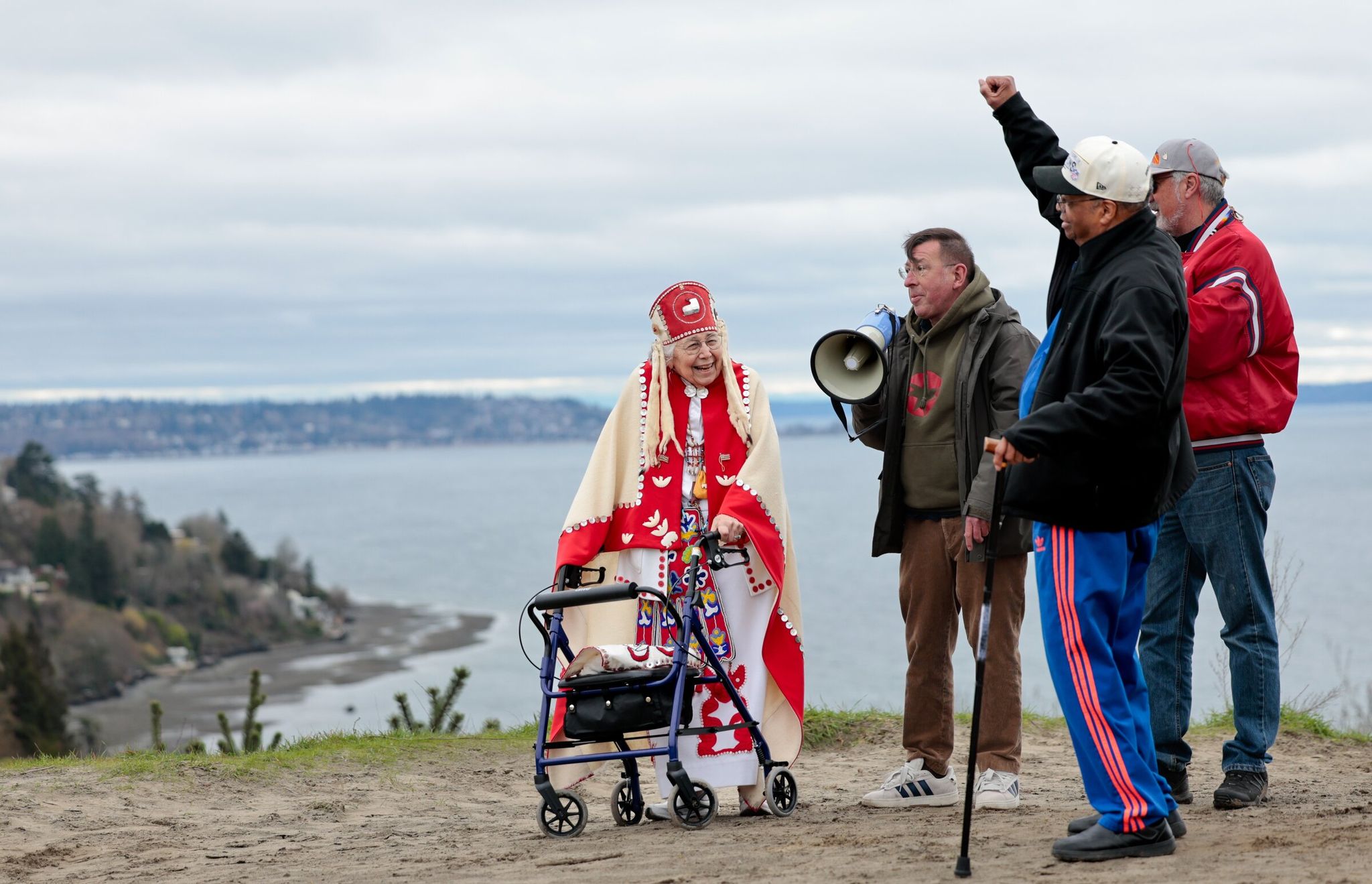
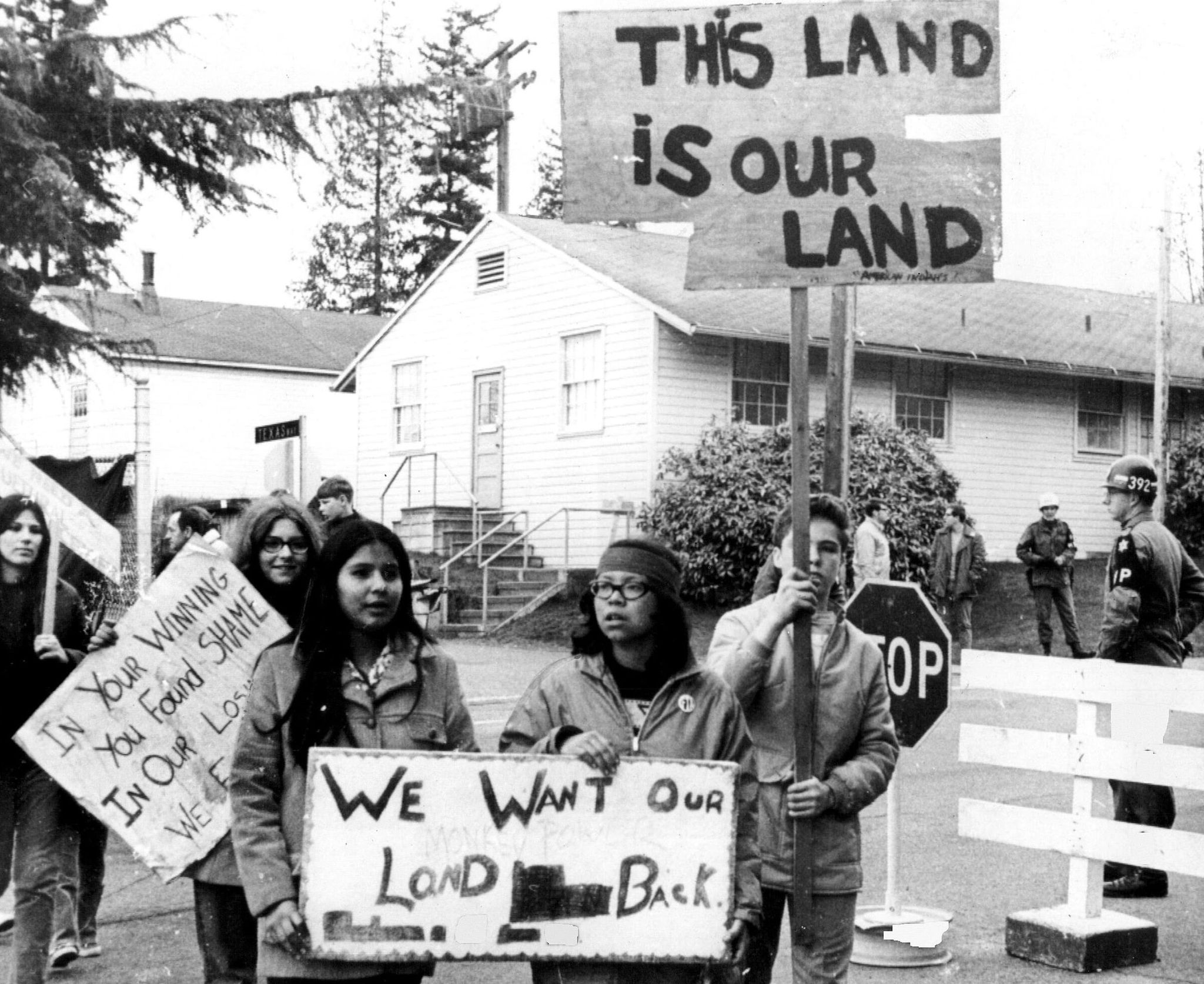
On Saturday, Larry Gossett, the last living member of the legendary "Gang of Four," set foot on the grounds of Discovery Park for the first time in 56 years. In March 1970 he and other activists took part in the occupation of Fort Lawton. That protest was part of a movement to return land to Indigenous peoples and was one of the rare instances in which activists succeeded in obtaining federal land for the needs of Native communities. A ceremony at the Daybreak Star cultural center drew dozens to mark the 56th anniversary of the historic event.
The Fort Lawton takeover was inspired by the 1969 occupation of Alcatraz Island and was organized by Native leader Bernie Whitebear. He invited Black activists to join the protest, including Larry Gossett, in a powerful act of interracial solidarity. Gossett, who later was elected six times to the King County Council — the Washington state regional government providing services such as public transit and health care — recalls that they spent about three nights on the fort’s grounds. The "Gang of Four" — Gossett, Whitebear, Bob Santos and Roberto Maestas — became a symbol of unity in Seattle’s civil rights struggles. Beyond participating in this coalition, Filipino-American activist Bob Santos advocated for the Asian American community in the International District, and Mexican-American leader Roberto Maestas founded El Centro de la Raza, an organization providing services to Latinos.
The historical context of the protest is tied to federal policy: in 1964 the government declared Fort Lawton surplus property. The military base, established in 1900 to defend Seattle, had lost strategic importance by the 1960s, and the government planned to sell or transfer the unused land. In the 1950s many Indigenous people were relocated to cities under a program that promised jobs but left them without support. Activists demanded the land be transferred for a social and cultural center, but were initially refused. After months of protests, in November 1971 the city agreed to lease about 20 acres to United Indians of All Tribes for 99 years. Ultimately part of the fort’s land became Discovery Park, and part was used for housing for Native people.
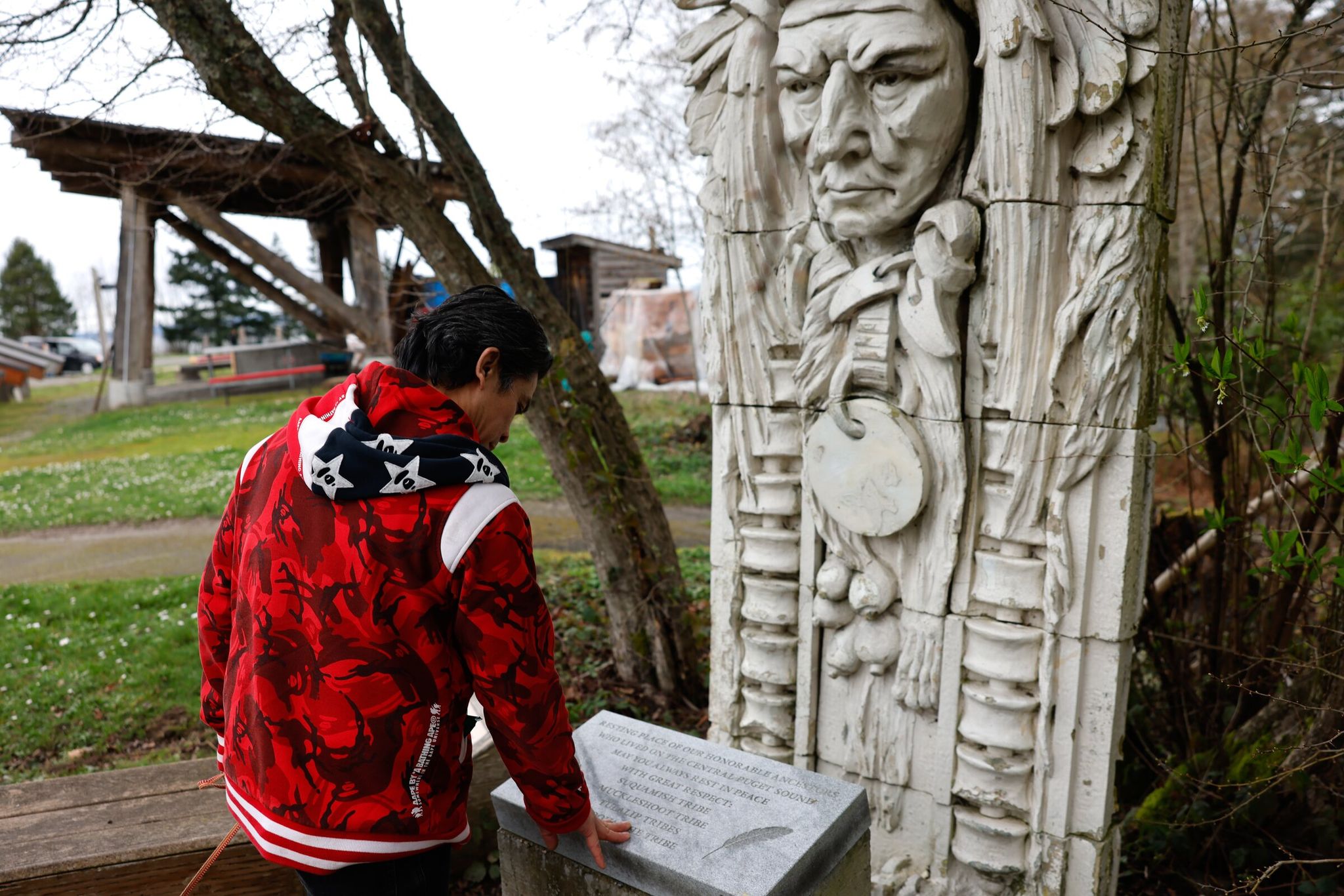
The success of that struggle led to the opening of the Daybreak Star cultural center in 1977, located roughly a mile from the site of the occupation. The event’s historical significance was long distorted in the local press, which, as noted in a 2022 retrospective, reinforced harmful stereotypes about Native people. Modern commemorations aim to restore an accurate history and recognize the role of the interracial coalition in achieving justice.
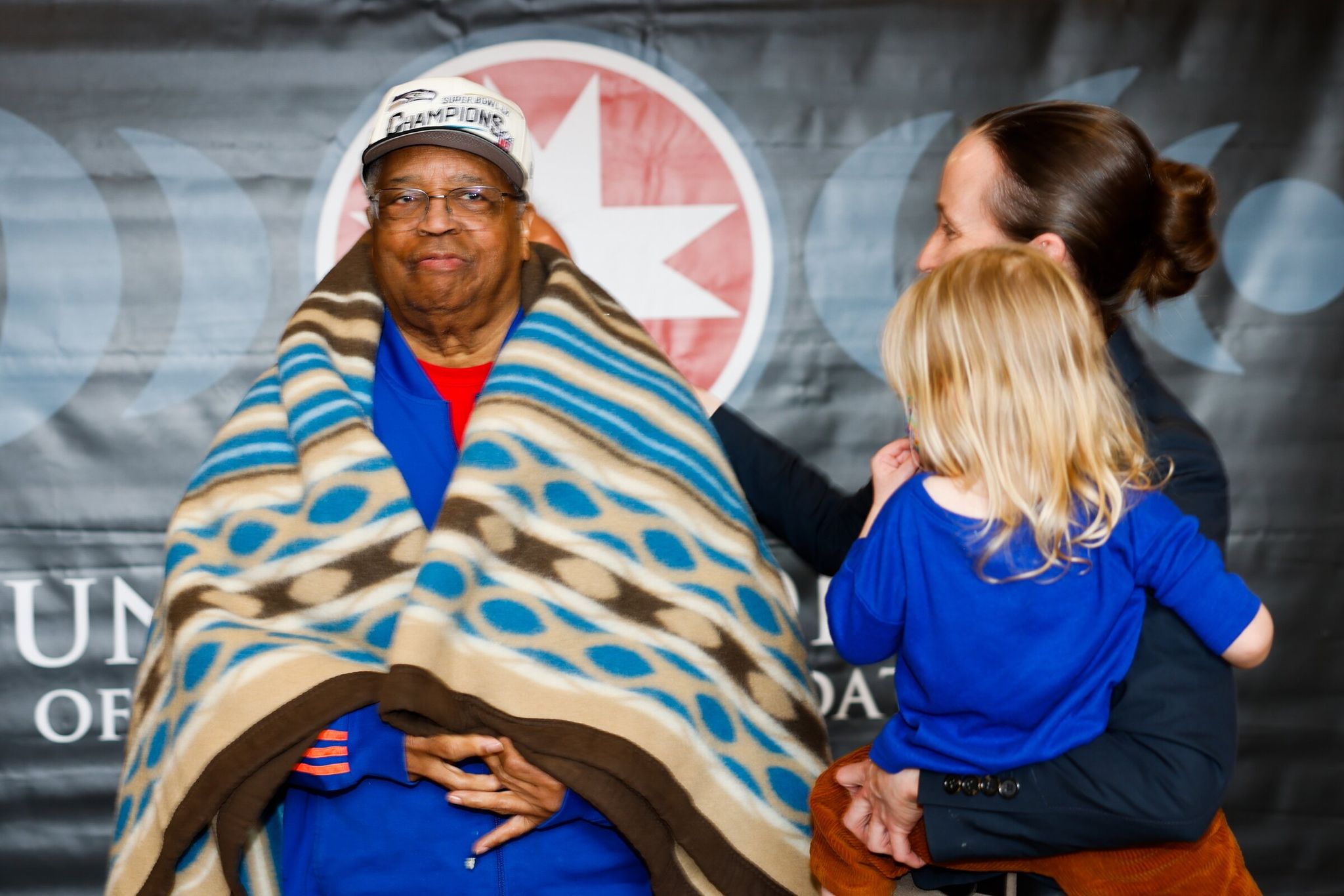
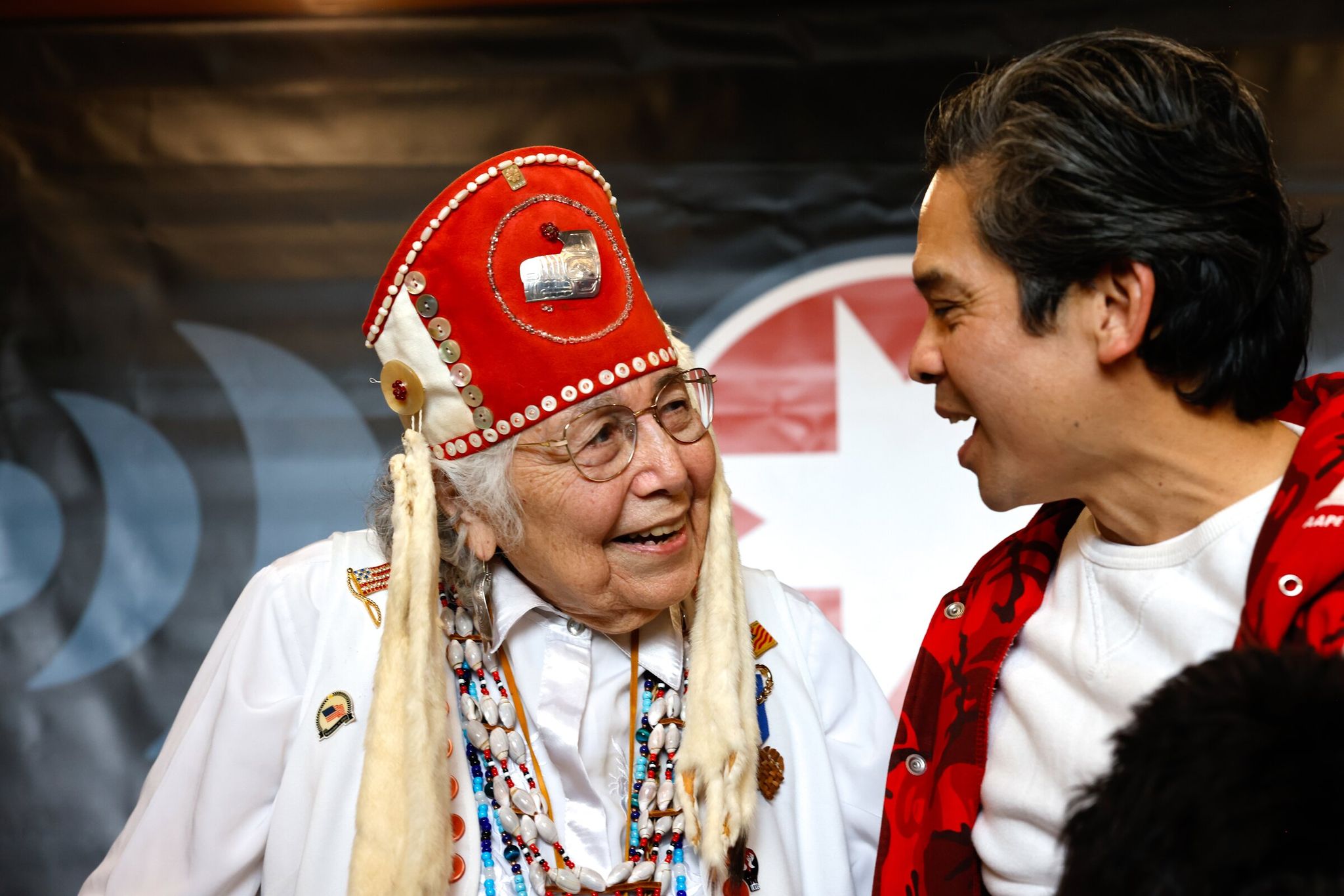
Family members of the activists attended the ceremony, including Anna Haala of the Tlingit, who in 1970 could not join the protesters because she was pregnant but prepared sandwiches for them. She finally visited the site, expressing gratitude and honoring her husband’s memory. Seattle Mayor Kate Wilson and King County Council member Jorge Barron wrapped Gossett in a traditional blanket, highlighting the importance of his contributions.
Speakers, including Mayor Wilson, noted that the Fort Lawton occupation is a reminder of the power of movements for justice that bring together people of different races and social backgrounds. For many, like Marland Franco, the nephew of Bernie Whitebear, the cultural center became a second home that preserves the memory of those who built it. The event remains a living legacy, inspiring new generations to fight for rights and recognition of historical justice.
Based on: Seattle’s last ‘Gang of Four’ activist honored at Fort Lawton ceremony