Seattle has been named the best city in the United States for the 2026 World Cup thanks to thoughtful infrastructure and record ridership. The city is preparing for the Belgium—Senegal match. And pitcher for the Mariners, Bryan Woo, will be remembered not for his pitching—but for a charitable visit to a children’s hospital.
Seattle Named the Best U.S. City to Host the 2026 FIFA World Cup
Seattle managed to turn hosting World Cup matches into a real triumph of city planning and public transit. According to the article Seattle Is Winning at Hosting the World Cup, sports analysts unanimously rank the city first among American hosts of the tournament. The Athletic named Lumen Field the best stadium for the overall experience, while Sports Illustrated gave Portland first place but put Seattle second, citing its mild climate and “walkable city charm.”
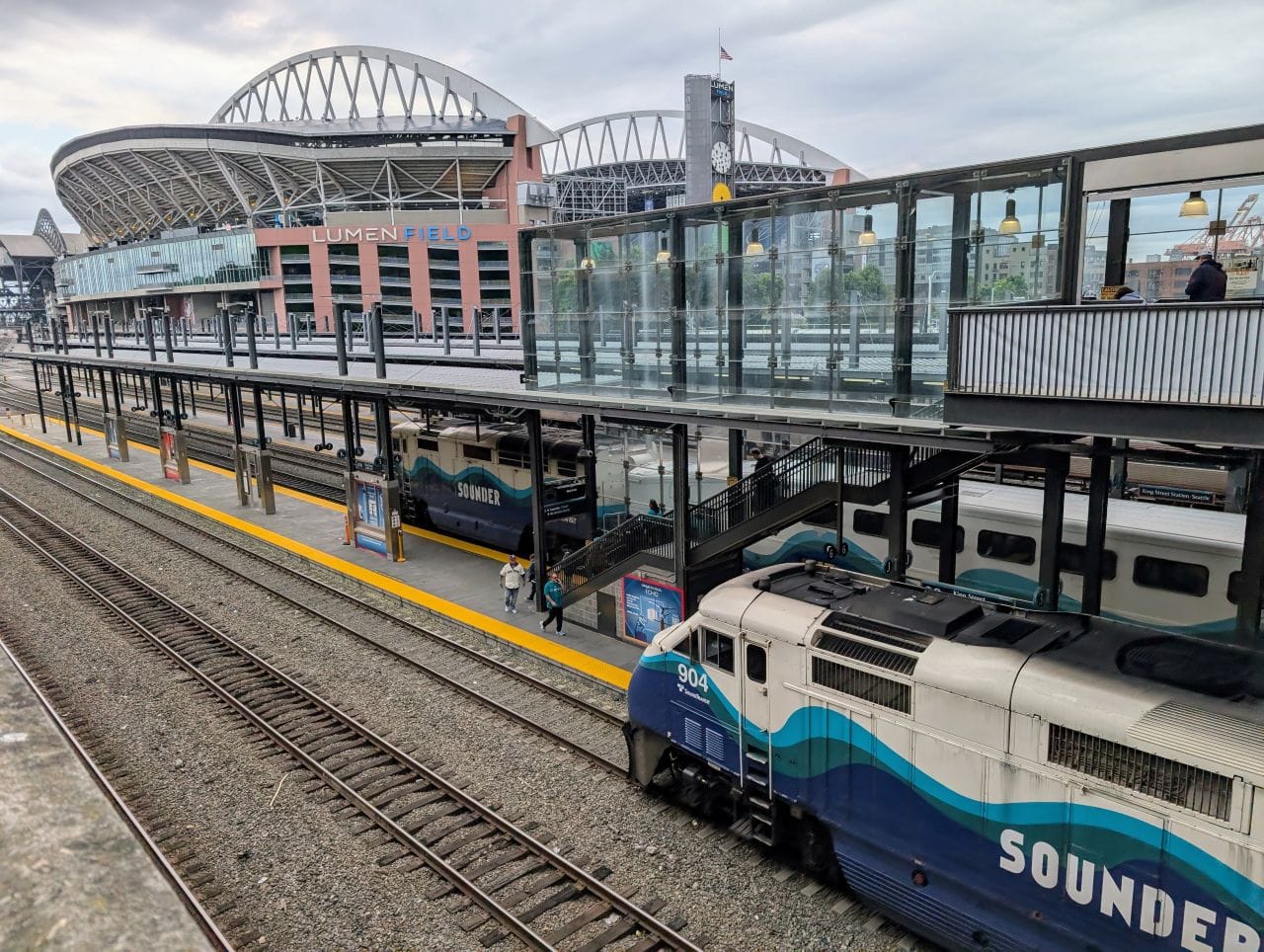
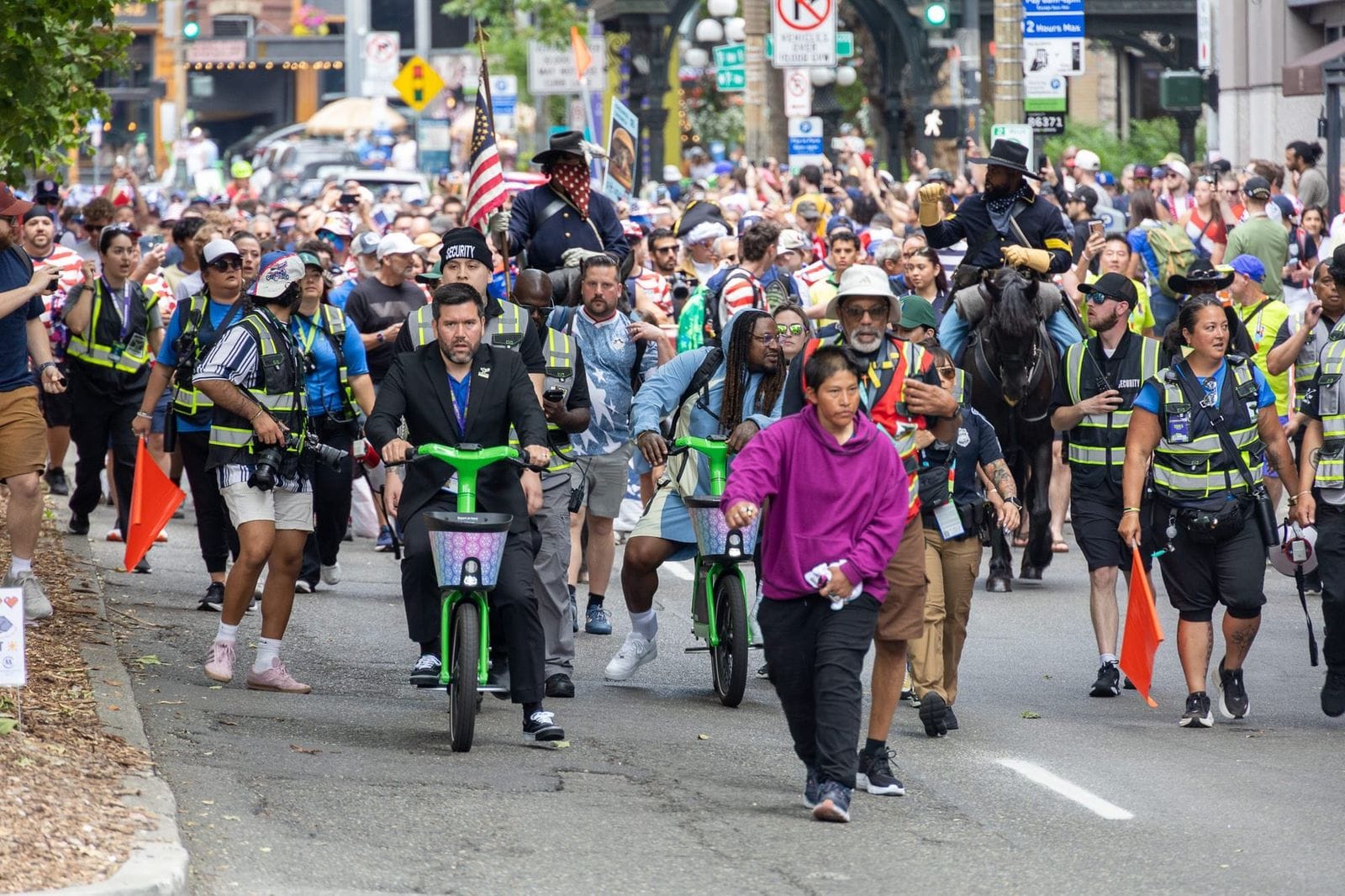
A key to success is the stadium’s location in the heart of the city—within walking distance of major attractions and metro stations. Unlike many other venues tucked away in suburbs amid parking lots, Lumen Field sits next to baseball’s T-Mobile Park, where fans can walk to the historic Pioneer Square district or to Chinatown, packed with restaurants and bars. City officials removed the Alaskan Way Viaduct, invested nearly a billion dollars in a new waterfront with parks and a pedestrian route called Overlook Walk, which takes people directly to the famous Pike Place Market. That transformed the trip to the stadium into an event in itself. SeattleFWC26 organizing committee CEO Peter Tomodzawa emphasized: “We organized the largest march in history—23,000 people walked through the city, not through parking lots, as happens in other cities.”
The transportation system worked under record demand. Sound Transit CEO Dow Constantine said that on June 19, the light-rail system carried 280,000 riders in a single day, and throughout June there were five days with more than 200,000 trips. For the first time, 174 train cars were put into service, and evening headways were reduced to six minutes. At the same time, records were also broken for scooter and bicycle trips.
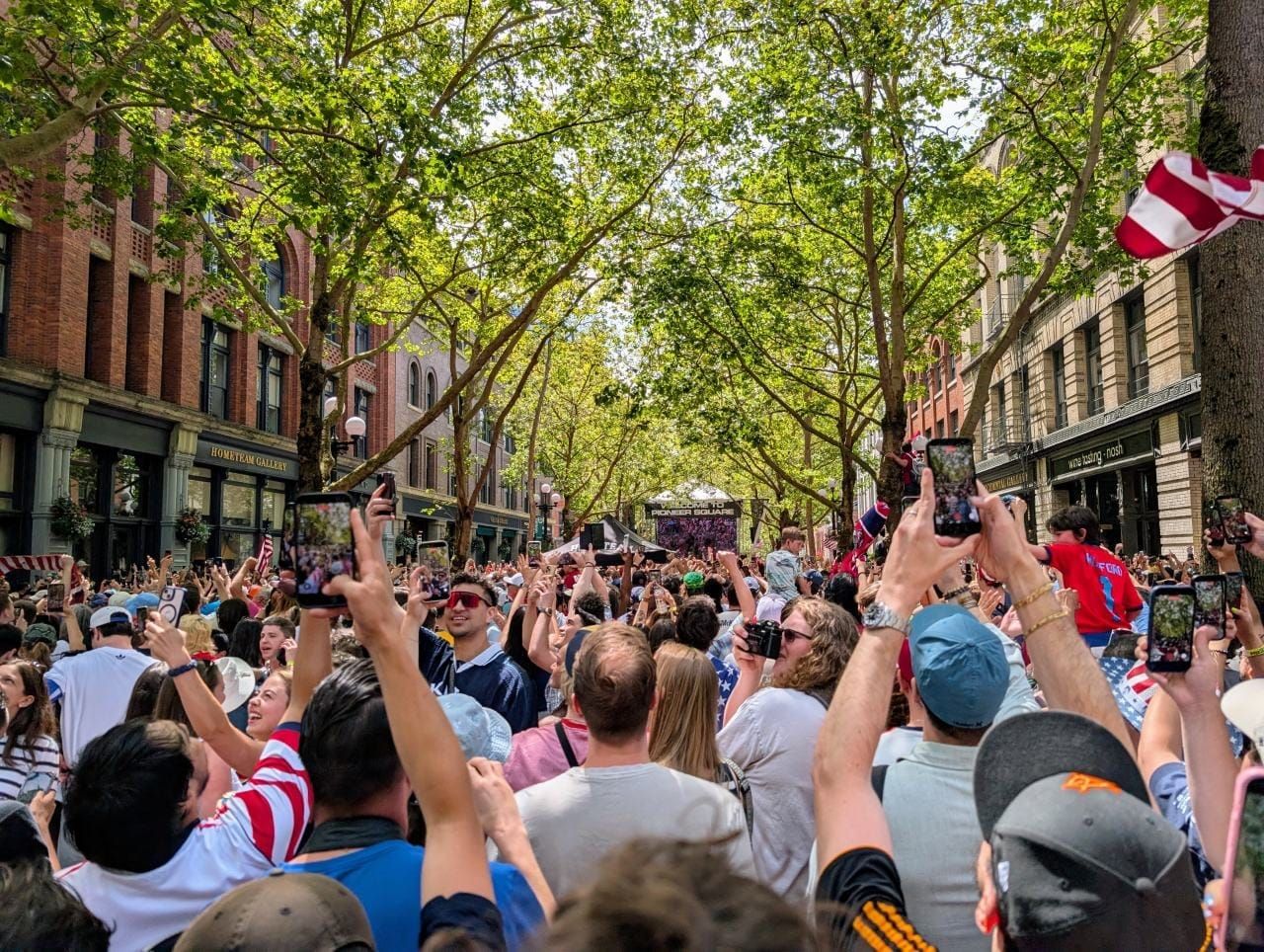
The economic impact was huge, though uneven. Pioneer Square saw a record daily pedestrian flow of 149,800 people. Some businesses reported sales up tenfold compared to a typical day—surpassing even the revenue from Taylor Swift concert days. Tuyen Thanh, executive director of the Chinatown business community, noted that on June 18 a new Guinness world record was set for the largest gathering for dim sum: 830 people. Still, she candidly acknowledged that the benefit was concentrated near the stadium, while neighborhoods such as Little Saigon and the Central District barely felt it.
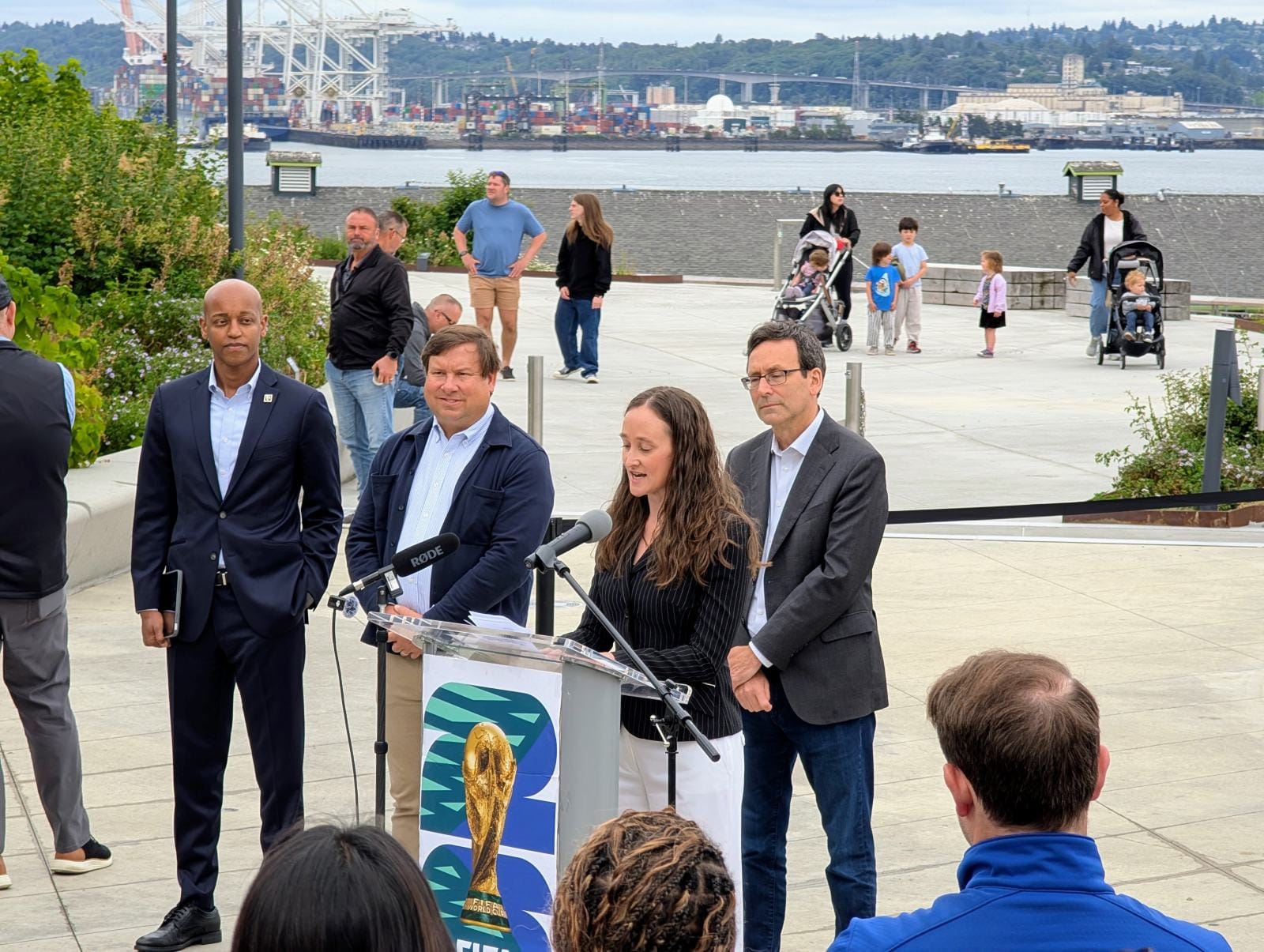
The organizing committee also had to deal with social conflicts. Mayor Kathy Wilson said a press conference had to be moved because of a strike by workers at the Embassy Suites hotel, which is owned by the union Unite Here Local 8. She stressed that she never crosses a picket line and expressed hope that a fair contract will be finalized soon between the union and management. The strike remained unresolved, but it showed that even amid the celebrations, unions continued fighting for their rights.
One standout success was a drone show organized by Visit Seattle. It generated more than 550 million media views nationwide. Governor Bob Ferguson and other officials are already making plans for what comes next: keeping the temporary pedestrian zones in Pioneer Square and applying to host the Women’s World Cup in 2031. Mayor Wilson said the tournament set a new direction for the city—creating more people-oriented public spaces and supporting vitality in downtown. Seattle has shown that successfully hosting a major sporting event isn’t just about fan zones and a stadium, but about smart integration into real city life.
Seattle Prepares for a Historic World Cup Match: Belgium vs. Senegal in the Round of 16
On Wednesday, Seattle hosts the fifth match of the 2026 FIFA World Cup: Belgium and Senegal meet in the Round of 16. It is the first time these two teams have ever played each other, giving the match special interest. As KIRO 7 News reports, even though the game is scheduled for midday, the city expects a surge of fans—and organizers have prepared many viewing options. For those who still want to get into the stadium, tickets are still available: on Ticketmaster, prices range from $645 to $729, and on Gametime you can find options starting at $513. The most expensive seats cost about $2,300, but they are located on the 50-yard line, right by the teams’ benches.
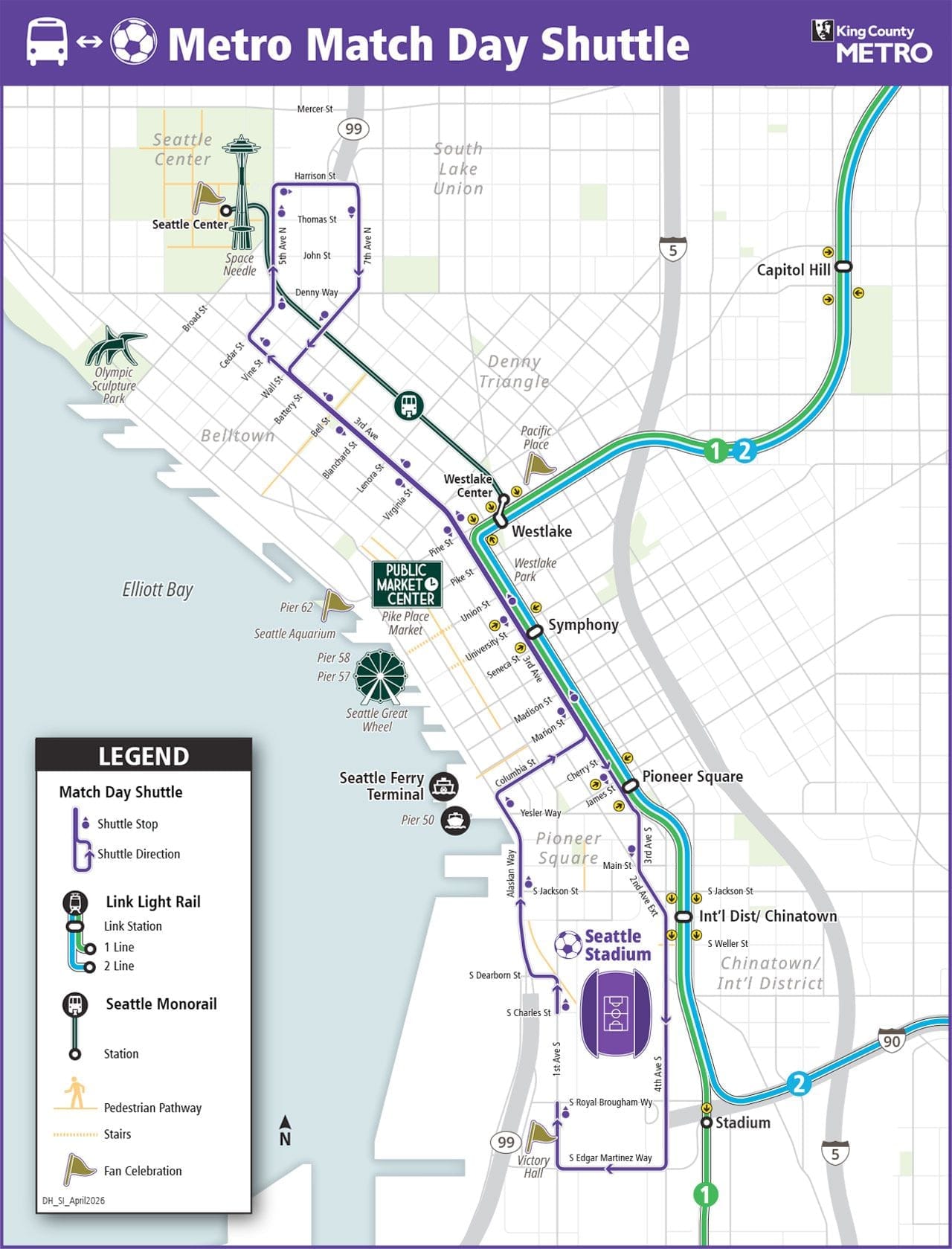
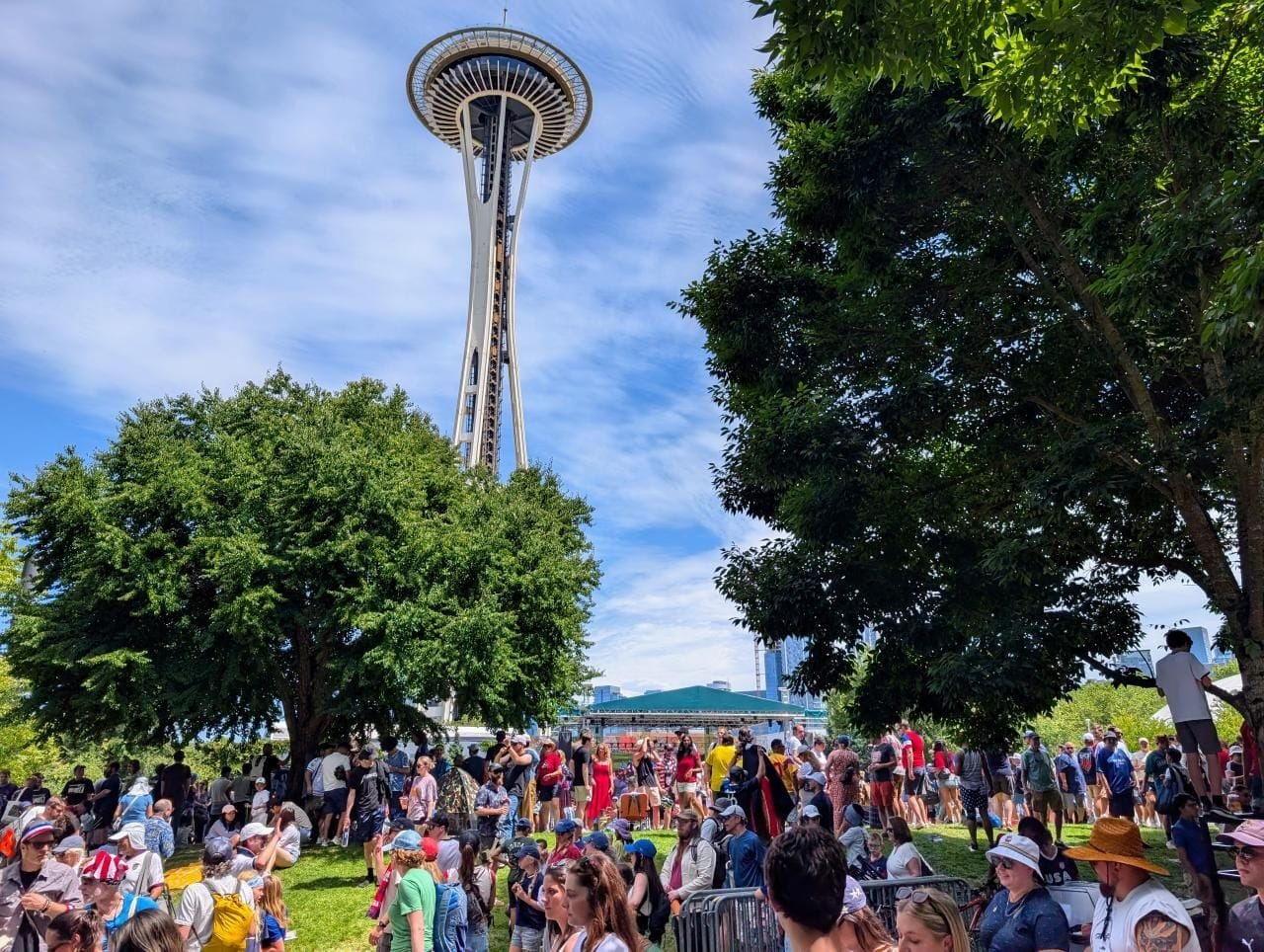
For those who prefer to watch football with others, it’s worth checking out fan zones and pubs. Free broadcasts are set up at Westlake and Occidental parks, in the area around the Space Needle, as well as at Victory Hall and Pacific Place. At Pier 62 you can watch the match on a large screen, but registration has already closed. There are still tickets on the Sounders barge for $52, and people can watch for free from nearby steps at Saliish.
Organizers are warning of significant traffic disruptions. Because a large portion of the Pioneer Square area will be closed, drivers are advised to detour via Alaskan Way and 4th Avenue. The public transit system, however, is running at full capacity. Sound Transit reported record ridership: in June, five million people used the light-rail system—that is an all-time record. A company representative said: “When the U.S. last hosted the World Cup, there were no trains in Seattle. Today, thanks to investments in mass transit, we can carry more than 200,000 people every day.” For the match, additional train cars have been added and operating hours extended, and city officials hope these improvements will also be useful in the future.
Seattle also expects another important match on Monday—the sixth and final one for the city during this tournament. If the United States beats Bosnia and Herzegovina on Wednesday evening, the team will return to Seattle for the Round of 16, meaning fans will be watching U.S. results all Wednesday. In any case, the city keeps living football, and a dedicated section on the KIRO 7 News website is available for anyone who wants to stay up to date.
The Pitcher’s Heart: Why Bryan Woo of the Mariners Is Remembered Beyond His Pitching
Every time Bryan Woo takes the mound, Seattle Mariners fans know the team has a chance to win. The young right-hander has already established himself as one of the league’s most promising pitchers, and his All-Star selection only confirmed his status. But Woo’s real fame comes not from his fastball speed—it comes from what he does off the field. Far from the bright lights of stadiums, his actions show what truly sets an outstanding athlete apart from a merely good person.
A few weeks ago, Woo visited Seattle Children’s Hospital, where patients created a unique pair of cleats for him based on their own design. He wore them during a game, and the gesture was not just a one-time event—it became the beginning of a deeper connection. As KOMO News reports, on Tuesday Woo returned to the hospital not as a guest, but as the organizer of a “reverse autograph”: instead of him signing baseball caps and balls, the children were putting their signatures on keepsakes for him and his teammates. Other Mariners players also took part, but Woo’s presence was especially noticeable.
The reason matters: this Tuesday was the day when Woo was supposed to start a game for the Mariners. For the starting pitcher, there’s a strict pregame ritual—he avoids unnecessary contact, minimizes distractions, and prepares for nearly a hundred pitches at maximum intensity. On such days, pregame activities are usually off the table. But Woo decided that part of his day would belong to kids facing far tougher challenges than any baseball game.
That choice isn’t just charity—it reflects inner backbone. Elite sports are full of top-tier athletes, but moments like this are what separate good players from truly special people. Woo didn’t have to be there. He wanted to be. And perhaps that matters more than any of his strikeouts. In a world where statistics and contracts often overshadow humanity, Bryan Woo is reminding everyone: real power isn’t measured by how you throw a ball, but by how you offer a helping hand to those who need it.