
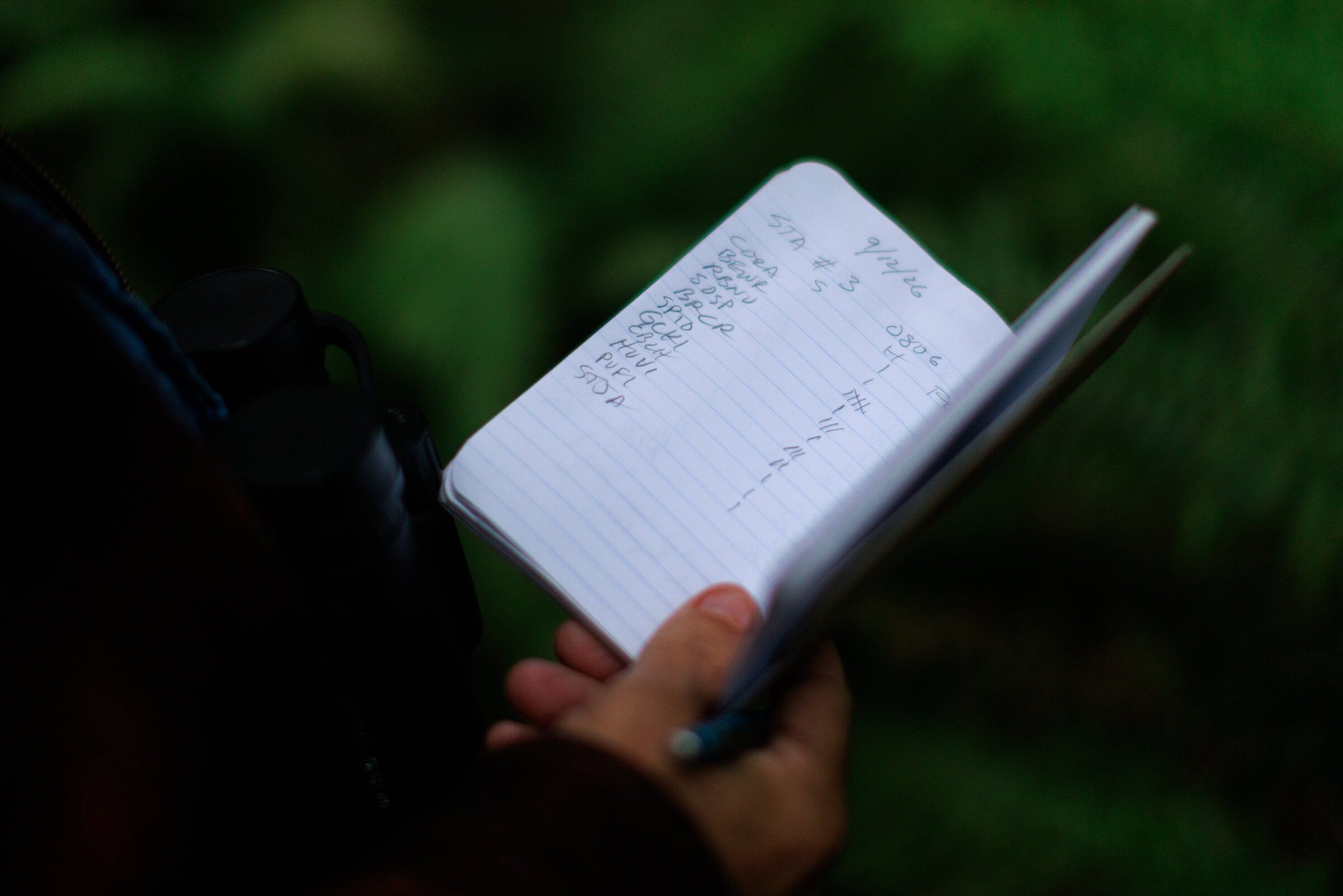
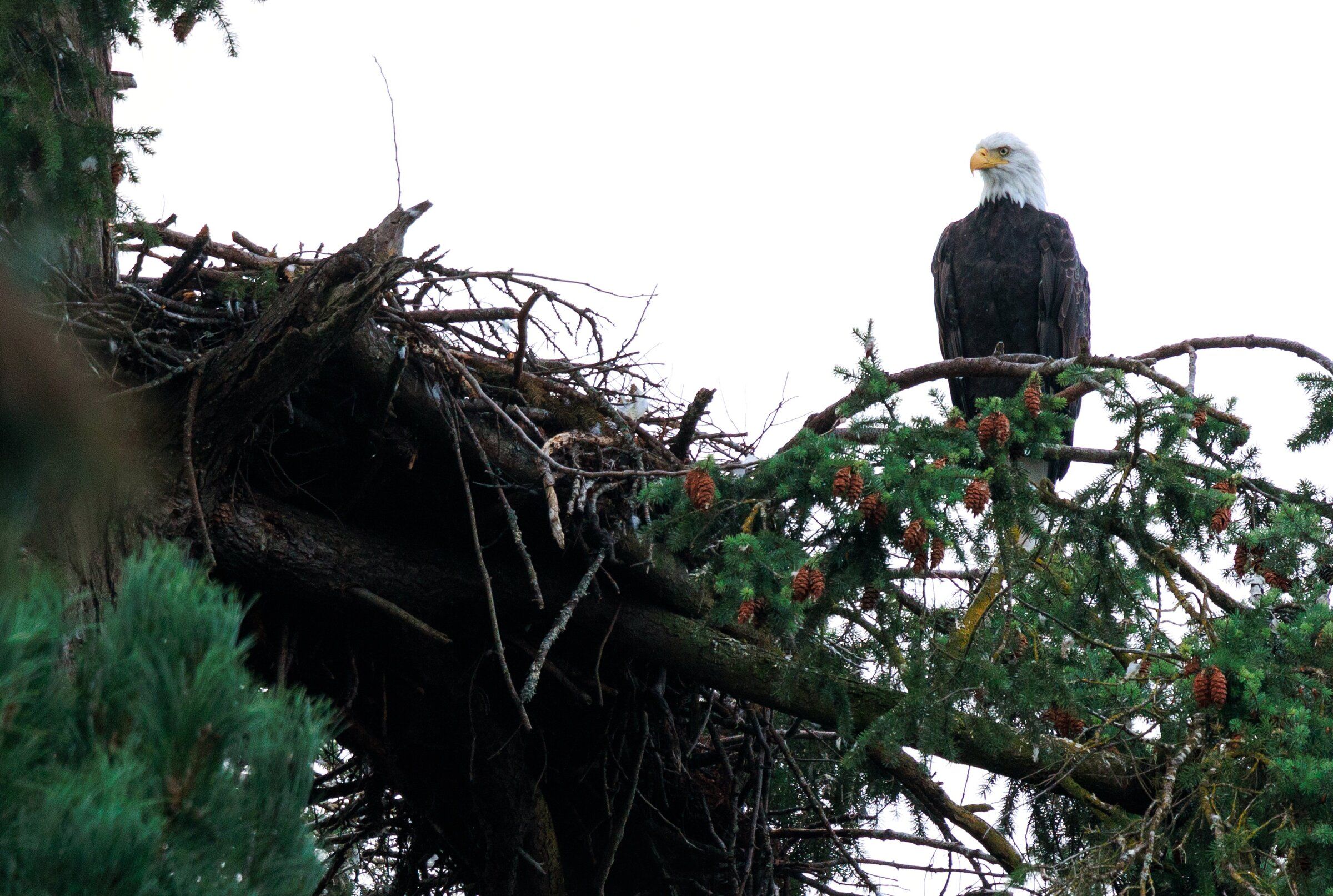
Seattle is experiencing a noticeable decline in both bird diversity and abundance. That is the conclusion reached by Birds Connect Seattle after analyzing data from the long-running Neighborhood Bird Project. Since 1994, volunteers have conducted standardized observations in urban parks every month, recording every bird they see or hear.
The study covered eight green spaces, including Seward, Discovery, Golden Gardens and Magnuson parks. Overall, species diversity declined by 18%, while the average number of birds observed fell by 21%. The steepest decline was recorded at Washington Park Arboretum, at 41%. Bird numbers at Discovery and Magnuson parks fell by approximately 25% and 32%, respectively.
One reason Washington Park Arboretum may be particularly vulnerable is its structure: the area is dominated by carefully maintained ornamental plantings, while the natural environment is more fragmented and contains fewer large, continuous stretches of forest and diverse nesting sites. The arboretum’s location and vegetation may also increase the risk of birds colliding with buildings and other structures.
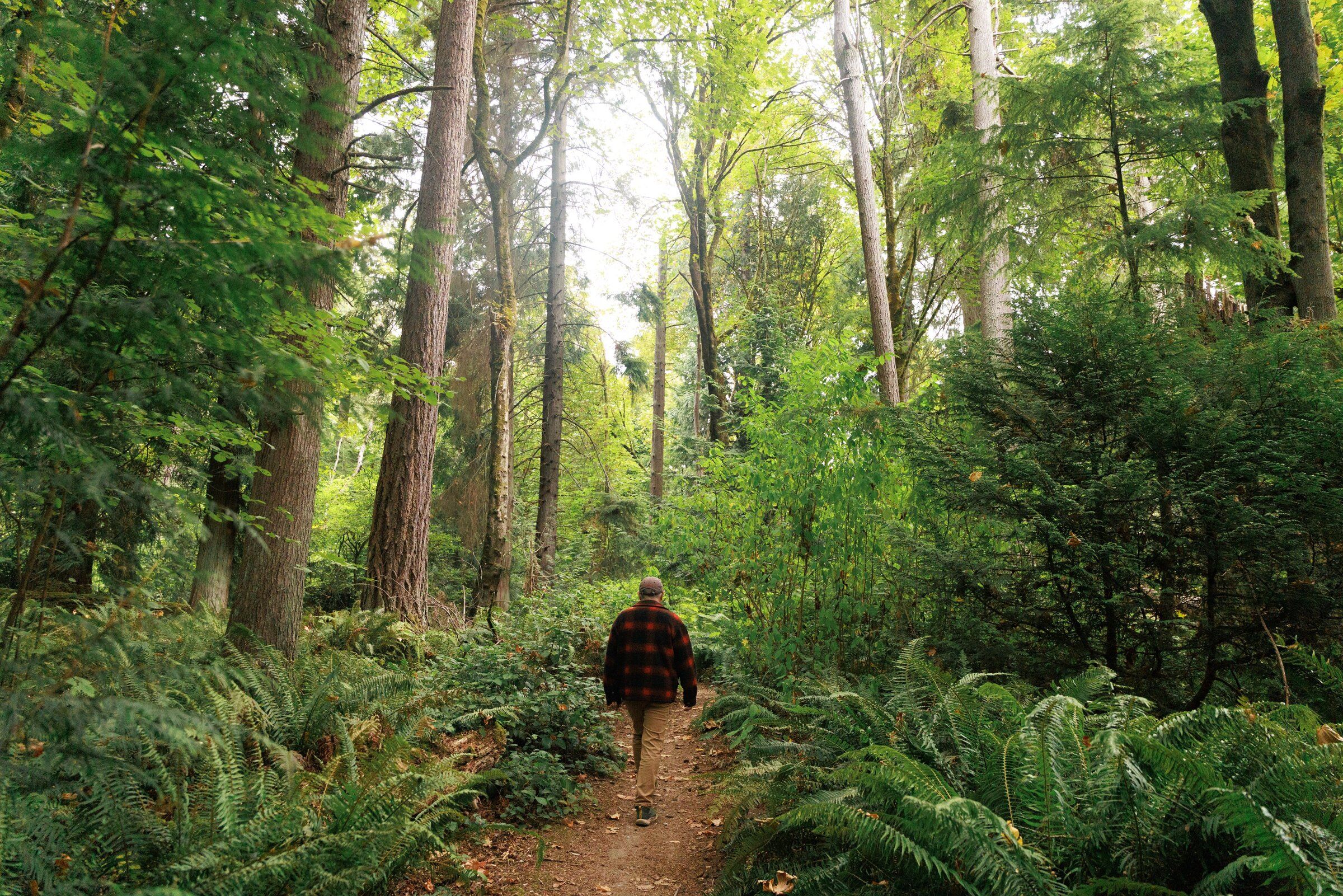
Seward Park was a rare positive example: bird numbers and species diversity there remained relatively stable. Larger or more diverse natural areas, such as those in Seward, Discovery and Magnuson parks, generally offer a combination of mature forest, shoreline habitat, shrubland and open spaces.
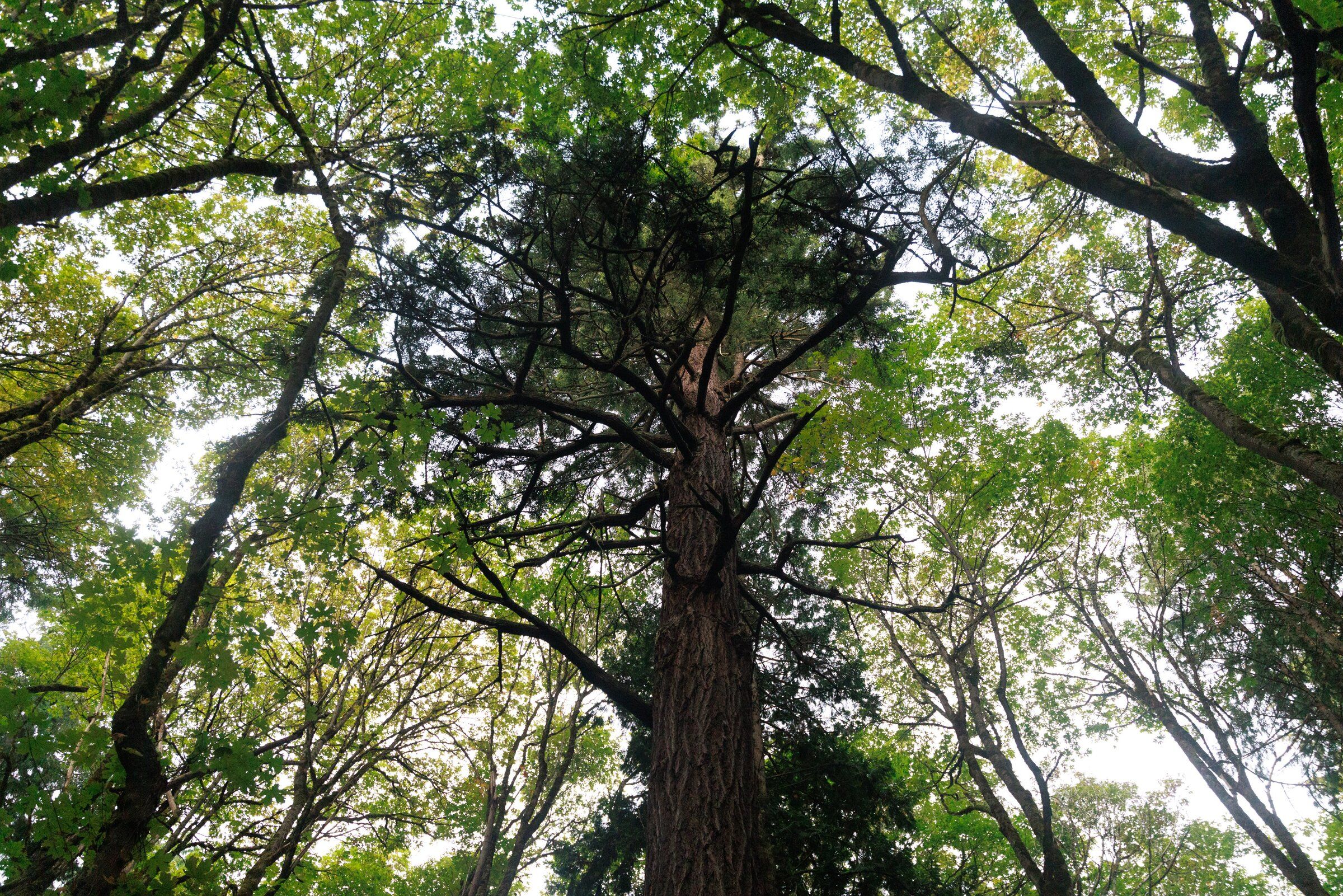
Habitat diversity largely determines the makeup of an urban bird community. Shoreline areas attract waterfowl and migratory birds, forests provide shelter, food and nesting sites for tree-dwelling species, and lawns suit birds that feed in open areas. However, overly manicured lawns, the removal of shrubs and forest fragmentation reduce the number of safe places for birds to breed.
Even at Seward Park, observers have noted the disappearance of individual species and changes in the familiar natural landscape. Experts cite habitat loss, logging and the replacement of mature trees, insecticide use, light pollution and window collisions among the causes of the overall decline.
Birds that catch insects in the air—including swallows, swifts and flycatchers—declined especially rapidly. Their numbers fell by 59%; the number of Cliff Swallows detected has dropped by 96% since 2005, Vaux’s Swifts by 92% and Barn Swallows by 81%. The loss of nesting sites and declining insect populations, partly caused by pesticides, are considered likely reasons for this trend.
Local programs, including the Seattle Bird-Friendly initiative, and requirements for bird-safe windows in new or renovated buildings can help reduce deaths from collisions. Specialized glass, exterior screens, films and bird-visible patterns can make building facades safer. Turning off decorative lighting during migration periods, restoring native plants, preserving shrubs and educating building owners can provide additional benefits. These measures also improve food supplies and nesting conditions.
The authors acknowledge that volunteer observations may contain inaccuracies: participants may have identified species differently over time, and the results depend on the number of observers and their ability to distinguish bird calls. Nevertheless, the trend is consistent with nationwide data: since 1970, North America has lost approximately three billion birds—about 30% of its former bird population.
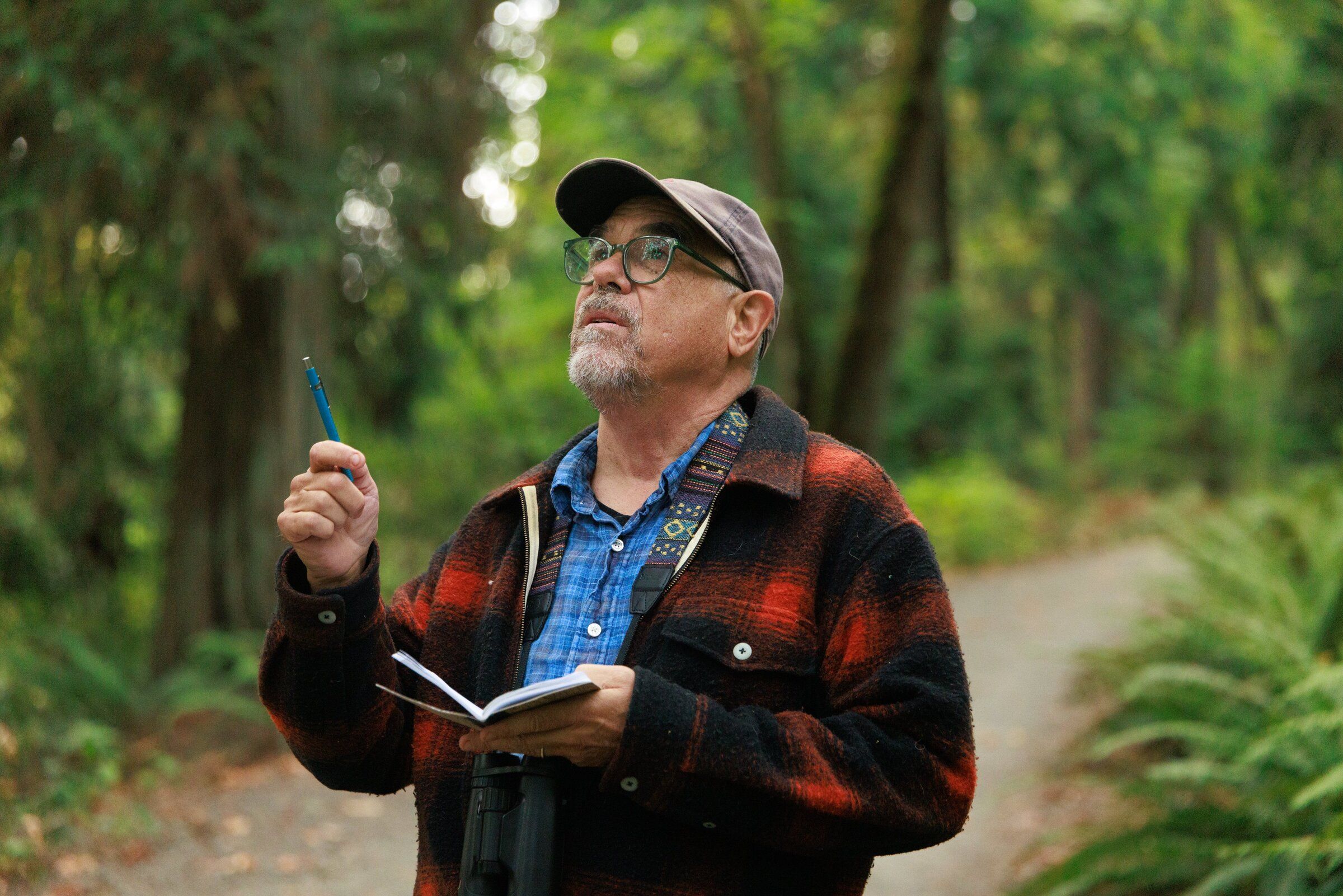
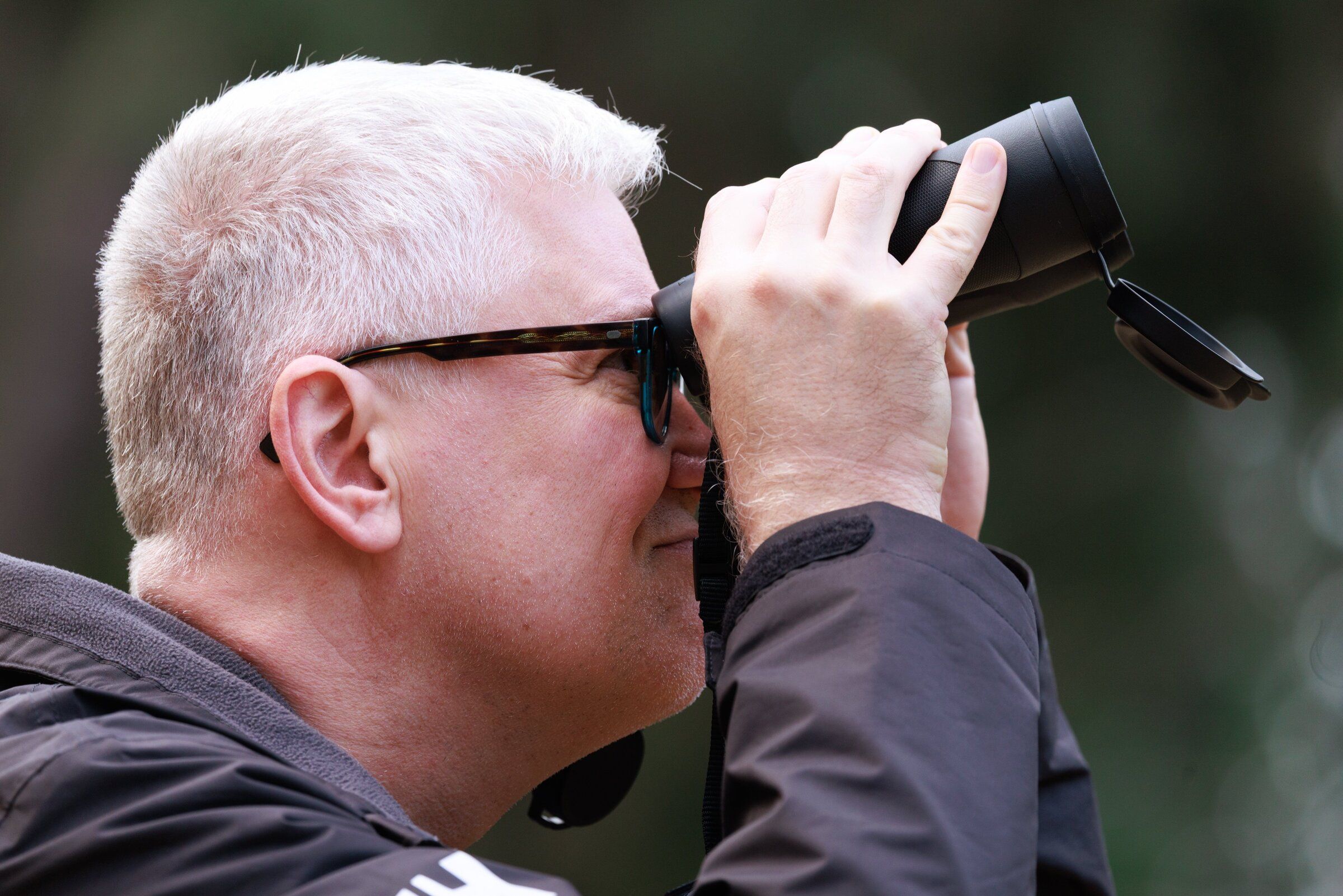
The project faces another threat as well: a shortage of volunteers. For more than a decade, monthly counts at Seward Park have been conducted by just two people, Michael Witter and John Woodard. The organization has had to reassign participants among routes and may change the observation format in the future to focus on the most important conservation questions.
The project’s history is a reminder that observing nature does not have to be a competition to find rare species or compile a long list of accomplishments. Regular visits to the same place make it possible to notice gradual changes—the disappearance of swallows, the arrival of new flocks, the condition of trees and the effects of human activity. No special skills are required: anyone can learn to identify birds by their calls, including with the help of the Merlin app.
Based on: Why are Seattle’s birds in decline?