News roundup from Seattle: an immigrant’s daughter pulls off a surprise for her mother by gifting her tickets to a World Cup match; the city marked America’s 250th anniversary with fireworks and sunshine; the US national team lost to Belgium in the Round of 16 and exited its home World Cup.
How an immigrant’s daughter surprised her mother: World Cup tickets in Seattle
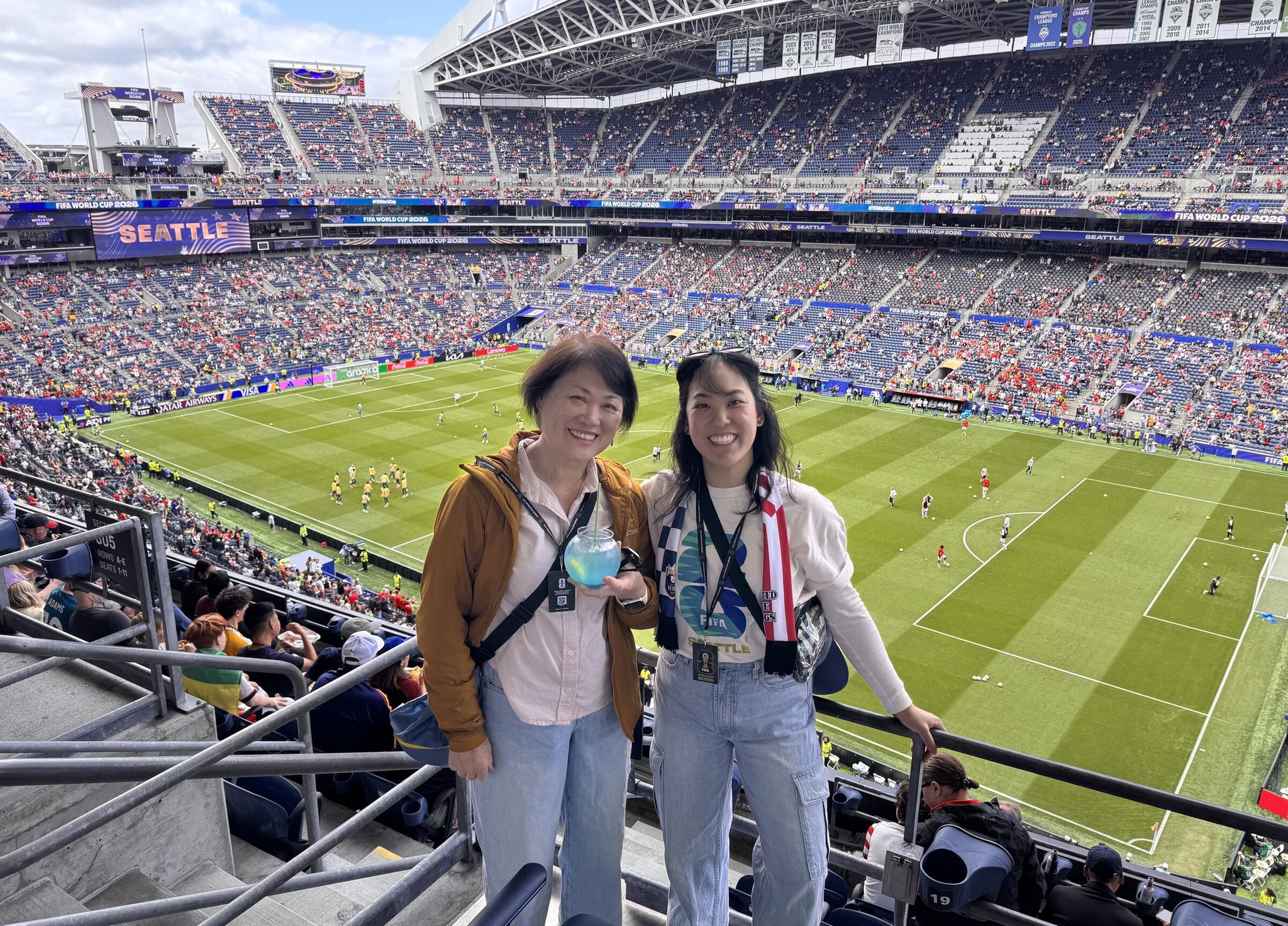
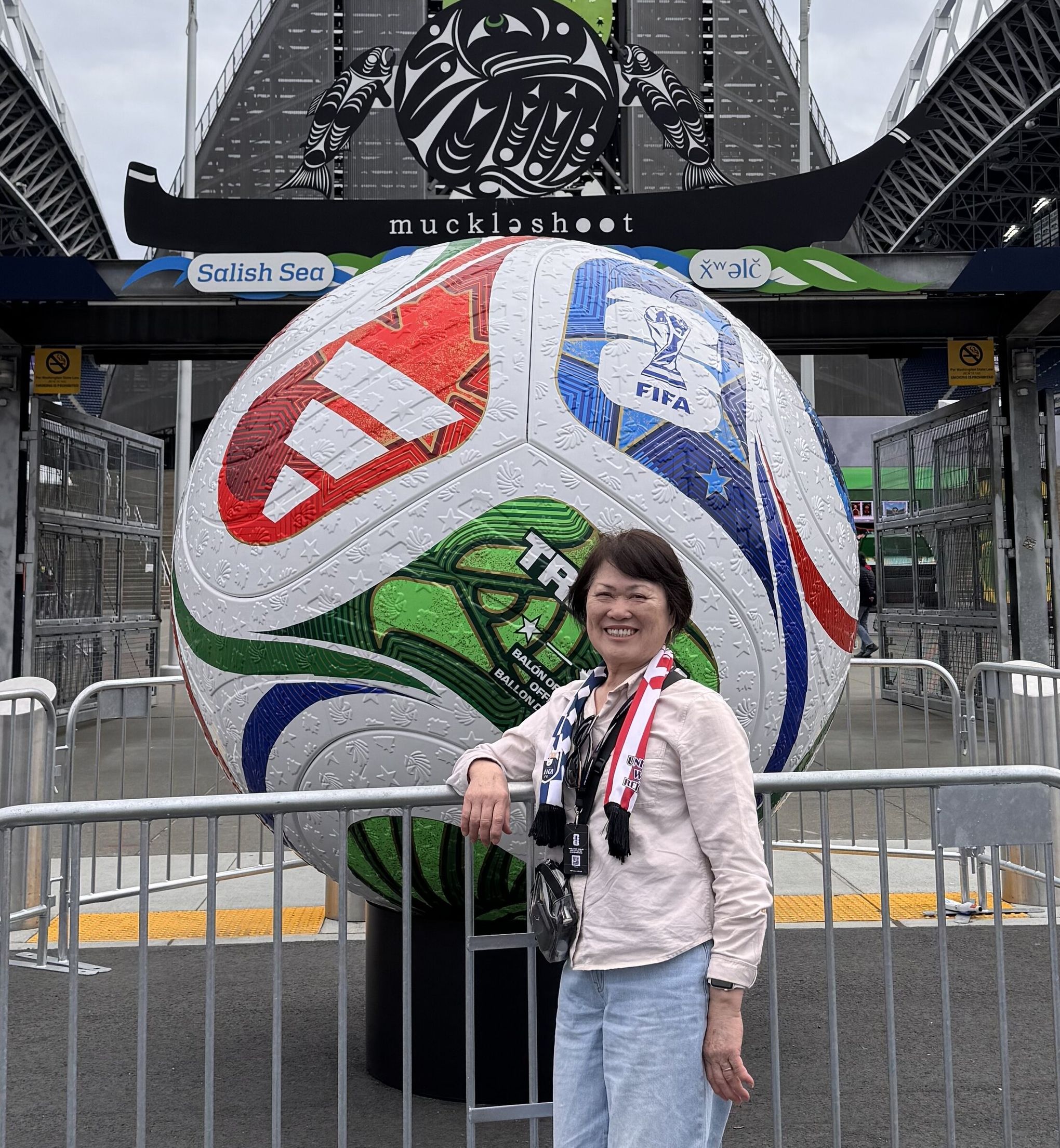
Ahead of the World Cup match between Senegal and Belgium in Seattle, Christina Woon was desperately trying to get the last two tickets. She was determined to bring her 71-year-old mother, Hen Woon, to her first-ever professional sports match. For Hen, who immigrated from China in 1985 and has lived in the Seattle area ever since, soccer became a real revelation—within a couple of weeks she had turned into a big fan of the sport. Christina, 36, a barista and baker at the family coffee shop Common Ground Coffee and Cupcakes in Renton, says she was over the moon when she finally managed to buy tickets just a few hours before kickoff. “I was so nervous, I couldn’t believe it,” Hen recalls. “She didn’t tell me anything until she bought them.”
Stories like this—immigrant children surprising their parents at World Cup matches—are increasingly common online, from Philadelphia to Los Angeles. For Christina and many other adult children of immigrants, it’s a chance to give something back to parents for years of sacrifice and hard work. As described in an article by The Seattle Times, Hen Woon worked nearly ten years without days off: first as a waitress in a Chinese restaurant, and in the evenings taking English classes. With her husband and daughters, she opened their own café and “slowed down” only after the pandemic, but she still does any job that the shop needs. Christina says proudly: “She works so much. She came here 41 years ago, almost without speaking English.”
The World Cup’s global scale makes the event especially meaningful for Seattle’s immigrant communities. At the same time, the outlet reports that the 2026 tournament also highlights problems for fans from other countries who couldn’t travel to host cities due to visa restrictions under President Donald Trump’s immigration policy. Despite that, match attendance still surpassed the record set in 1994—more than 4 million people, as FIFA noted. Hen Woon shared that when she heard visitors from different countries marvel at the stadium, she too wanted to see it from the inside.
Christina started looking for tickets weeks before the match. She scoured resale websites, comparing prices, and eventually found two tickets for $470 each (including fees). Officially, they were handed to her only a few hours before the Wednesday noon match. “It’s expensive, but it happens once in a lifetime. When else will there be an event of that scale in our city?” she said. Her sister had already gotten tickets for the Monday Round of 16 match between the US and Belgium, which only pushed Christina to try harder and make a celebration for her mom. Her father, she says, “isn’t interested in sports,” so he doesn’t have FOMO—fear of missing something important. After the match, Christina watched with affection as her mother took photos and recorded videos. “She was posting during the game already in the Chinese WeChat app—I had to remind her that it’s better to do that after,” she laughs. When asked who they were rooting for, Christina said they had no preference: “It was fun going in not knowing who would win and just enjoying the atmosphere.”
Scenes from Seattle’s scorching Independence Day: America’s 250th under the sun and fireworks
Seattle welcomed July 4 with special flair this year—America was marking its 250th anniversary, and the celebration turned out truly colorful. As reported by Seattle Refined, thousands of residents and visitors gathered at Gas Works Park on the shore of Lake Union to take part in a massive show. Seafair organizers put together a program that lived up to every expectation: fireworks, live music, crowds on boats, and—rare for Seattle—bright sunshine. The weather became a real gift: skies were clear and the temperature made it possible to enjoy the outdoor celebration from morning until late evening.
The atmosphere at Gas Works Park was festive and, at the same time, intimate: many came with families, spread out blankets, grilled barbecue, and watched the water spectacle. Locals brought their yachts, powerboats, and even small boats, creating a whole fleet on Lake Union and producing a picturesque scene. For those who couldn’t make it to the waterfront, Seafair traditionally organized a broadcast of the fireworks, along with additional viewing areas. It’s worth noting that America’s 250th anniversary isn’t just a milestone date—it’s a symbol of national pride, so celebrations took place across the country with a special surge of patriotism. In Seattle, that showed up in an abundance of American flags, patriotic music, and remarks by local officials reminding people of the values of independence and unity.
Key moments to note: Seafair organizers once again proved they can create large-scale city events despite logistical challenges—parking was full from early in the morning, and public transportation ran on an enhanced schedule. The fireworks themselves lasted about twenty minutes and were synchronized with the musical accompaniment, sparking a wave of excitement. The article doesn’t include direct quotes from participants in the short text, but it’s safe to assume many called this Independence Day the best in recent years—thanks to the weather and the sense of togetherness. Interestingly, the event coincided with the weekend, allowing the celebration to stretch out over three days, even though the main action unfolded on July 4 itself.
There are no especially complex terms in the piece, but it’s worth explaining that Seafair is a nonprofit organization in Seattle that has been putting on summer festivals and water shows since 1950, including the famous hydroplane races. Gas Works Park is a former gas-works site turned into a popular park with panoramic views of Lake Union, where major events are held every year. The very concept of “America’s 250th Birthday” refers to the adoption of the Declaration of Independence in 1776, and 2026 marked the country’s 75th anniversary, celebrated in grand style.
The impact of such an event on the city is visible: Seattle’s image as a friendly and culturally rich place is strengthened, and the tourist surge during the holiday days gave an extra boost to local business—restaurants, hotels, and souvenir shops. In addition, successfully running a large public event in the post-pandemic period points to the return of social life and residents’ trust in big gatherings. Overall, July 4, 2026 became a bright page in Seattle’s history—bringing people of all ages together under the banner of freedom and sunshine.
The end of the dream: the US team falls to Belgium in the Round of 16 and exits the home World Cup
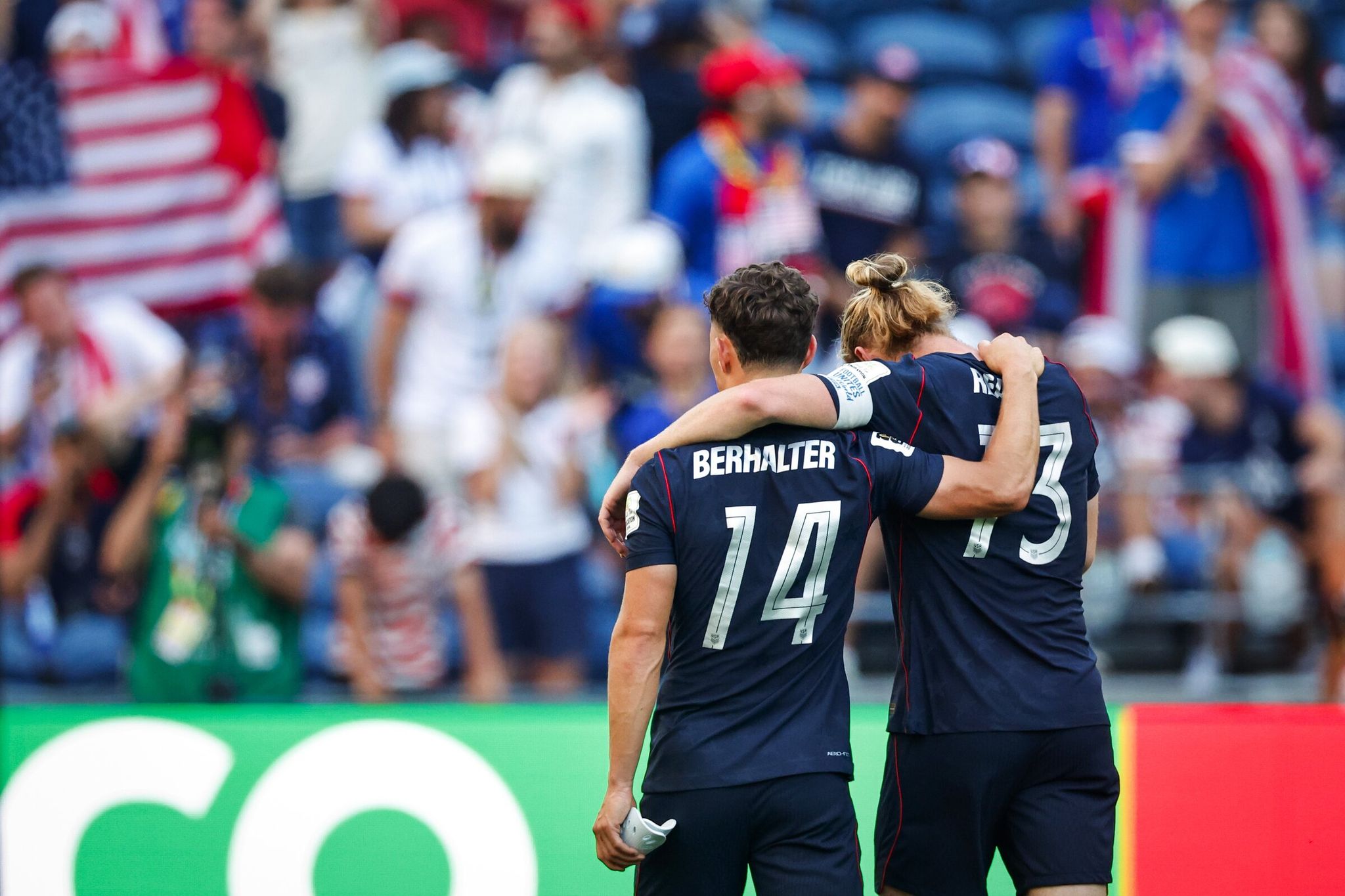
For American soccer, this day was supposed to be a triumph, but it turned into a bitter disappointment. The United States national team, which had been giving its fans hope throughout the tournament, couldn’t handle the pressure in the home World Cup’s Round of 16 and lost to Belgium 4–1. The match at Lumen Field—nearly 67,000 spectators in attendance—was not only the end of the road for the hosts, but also the final World Cup game in Seattle. As The Seattle Times reported in a story, the Americans are exiting at the Round of 16 for the fourth straight time—previously this happened in 2010, 2014, and 2022.
The first half shattered all illusions. Belgium quickly seized the initiative, and by the 9th minute Charles De Ketelaere opened the scoring—three US defenders simply “fell apart” while watching the ball. The Americans managed to level the score after a free kick by Malik Tillman (his second goal from a set piece in the tournament), but the joy lasted just two minutes: De Ketelaere completed a brace, pushing past a defender and Tim Ream. In the second half, Mauricio Pochettino’s team tried to play more aggressively, but a fatal mistake by goalkeeper Matt Freis, who botched a clearance by kicking the ball on the artificial turf, led to the third Belgian goal into an empty net. Hans Vanaken didn’t forgive the error, and Romelu Lukaku capped it in stoppage time—4–1.
After the match, goalkeeper Freis admitted fault: “I’m disappointed in my mistake—that’s part of the job. But the guys did everything they could to win, and I’m proud of them.” Still, the US team’s performance left much to be desired. Christian Pulisic, who left the field early in the second half due to a leg injury, never really got going. Forward Folarin Balogun—whose one-game suspension for a red card was overturned only 36 hours before the match after an international controversy—was also nearly invisible: his shot on target against Thibaut Courtois in the 82nd minute was the only moment that caused concern for Belgium.
Ahead of the match, the commotion over Balogun’s eligibility angered the opponent. Belgium midfielder Dodi Lukebakio said: “We didn’t understand why he was allowed to play, but we decided to focus on our game, and we showed we were better.” Commentators, meanwhile, said the Americans psychologically buckled under the weight of expectations. Captain Tim Ream denied the pressure after the loss: “There was no extra weight. Right now I’m overwhelmed with emotions and can’t think about tactics.” But on the pitch, the team looked tight—playing cautiously in the first half, as if afraid to make a mistake.
This exit was especially bitter in context: the US team was hosting the World Cup at home, and big expectations were placed on Pochettino, appointed specifically to succeed on home soil. A few days earlier, other hosts had already gone out: Canada lost to Morocco, and Mexico lost to England. The Americans became the last of the three host countries to leave the tournament. “We wanted to compete with the best, but we still need to take the next step,” Pulisic said. Steven Adams added: “Yeah, it stings. Today we didn’t show the kind of game we’re aiming for.”
Even the appearance of Eddie Vedder with a guitar during the hydration break (a special water stop) didn’t spark anything on the field. The crowd that filled the stands in red, white, and blue colors left disappointed. “We didn’t give fans a reason to celebrate— that’s the most hurtful part,” Balogun admitted. For Seattle, the match was the biggest sports event in the city’s history, but it will be remembered only for the bitterness of defeat and the question: when will American soccer be able to get past the Round of 16 barrier? The next World Cup will be in four years—but not at home. And, as Balogun put it, “it’s hard to convey the feeling of disappointment in words.”