
Nearly 50,000 Seattle public school students were due to begin the school year on Wednesday, but prolonged negotiations between the school district and teachers’ union put the first day of classes at risk.
Seattle Public Schools is a unified public school district governed by an elected school board. Decisions about the budget, the operation of the school system, transportation, staffing and school closures are made at the district level, so individual schools cannot independently cancel potential changes. In the event of a strike, the decision would affect all 106 schools.
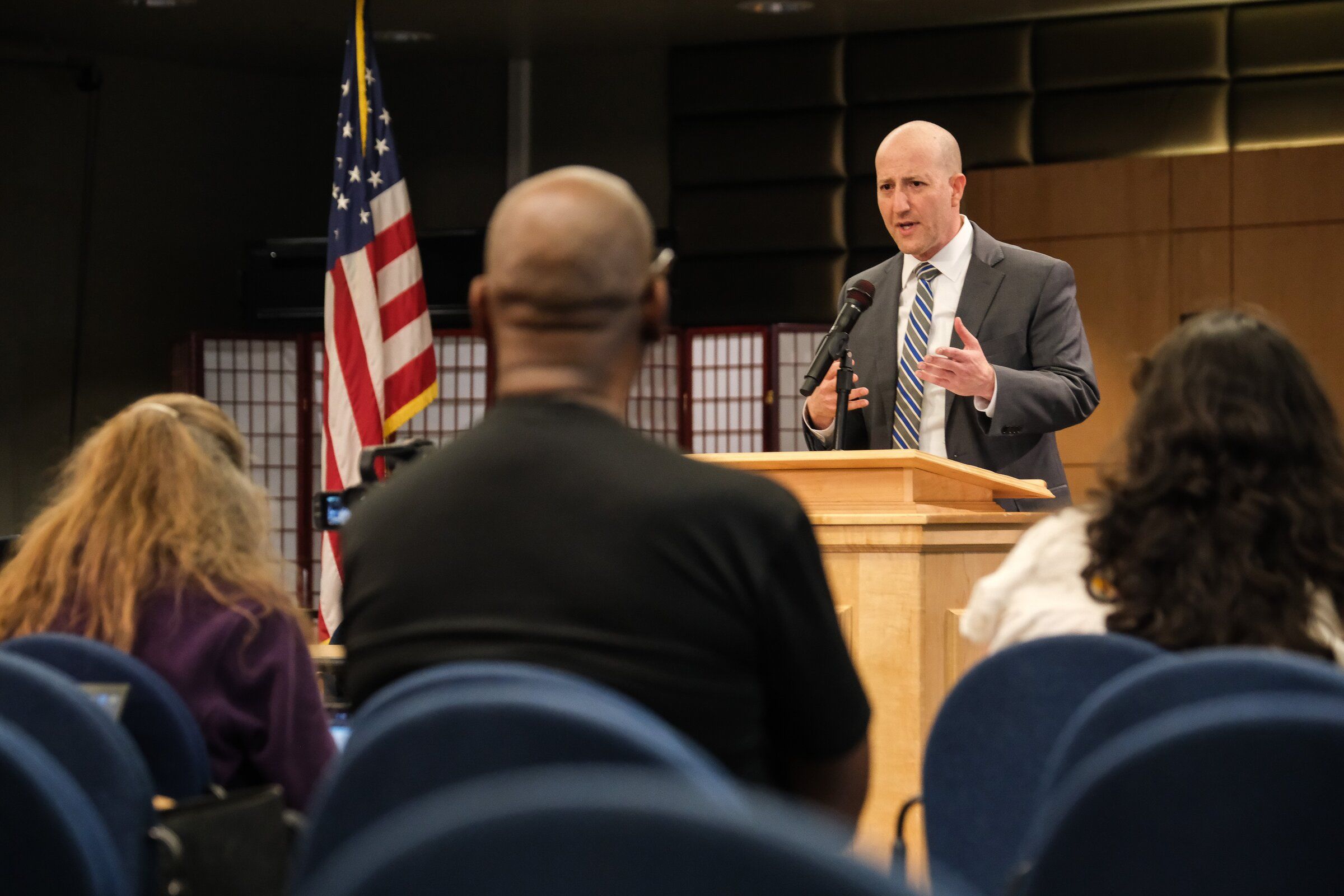
At a news conference Tuesday, Superintendent Ben Shuldiner said he was “hopeful” because of significant progress in negotiations with the Seattle Education Association (SEA). Talks continued past 1 a.m. and resumed in the morning.
Shuldiner declined to disclose details of the progress, but said the two sides were actively exchanging proposals on special education and pay. He said the rapid exchange of documents showed that both sides genuinely wanted to reach an agreement.
The district promised to post updates on negotiations every two hours on its website and social media. Shuldiner did not provide an exact time for when news of a strike or its cancellation would be announced, comparing the decision to the announcement of a snow day, which is sometimes made early in the morning.
In Washington state, public school employees may strike as part of a collective labor dispute, but the parties must complete legally required bargaining procedures beforehand. During a strike, classes may be canceled or rescheduled, and employees generally do not receive pay for days they do not work. The effects on the academic calendar and any possible compensation depend on the final agreement between the union and the district.
If a strike begins, pickets would be held at all 106 schools during regular school hours: beginning at 7:50 a.m. at elementary schools and at 8:50 a.m. at middle and high schools. At the time of publication, no final agreement had been reached, making a strike appear to be the most likely scenario.
If schools close, the district plans to provide students with packaged breakfasts and lunches from 9 a.m. to 1 p.m. Students’ enrollment status will not be checked: District leaders said they want to remove barriers to accessing food. School buses, however, will not operate, so families will have to travel to the schools on their own. Parents were also advised to contact their school principals for details.
The central dispute involved not only pay but also the district’s plans to change special education programs and staffing schedules. Many students with disabilities need one-on-one support, adapted materials, therapy or assistance with daily activities. Increasing the number of students assigned to each adult could make it harder to carry out individualized education plans, harm safety and access to learning, and increase teachers’ workloads.
The union fears the changes will lead to cuts in aides and weaker support for children with special needs. The district, meanwhile, is facing a budget shortfall caused by rising expenses, declines in some revenues and limited local funding options. District leaders worry that higher labor costs will lead to cuts in programs or staff, while the union is pushing for higher salaries to retain employees.
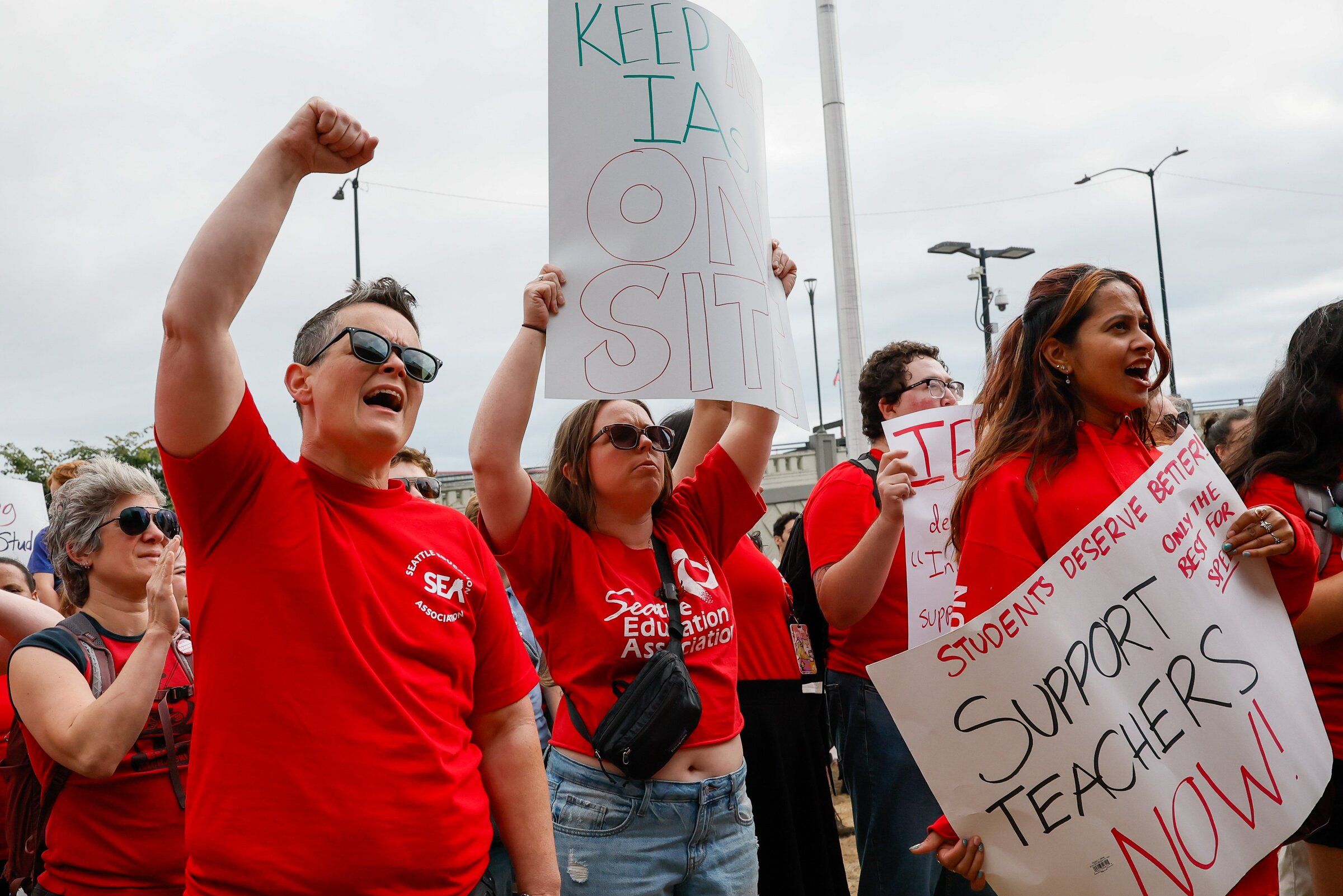
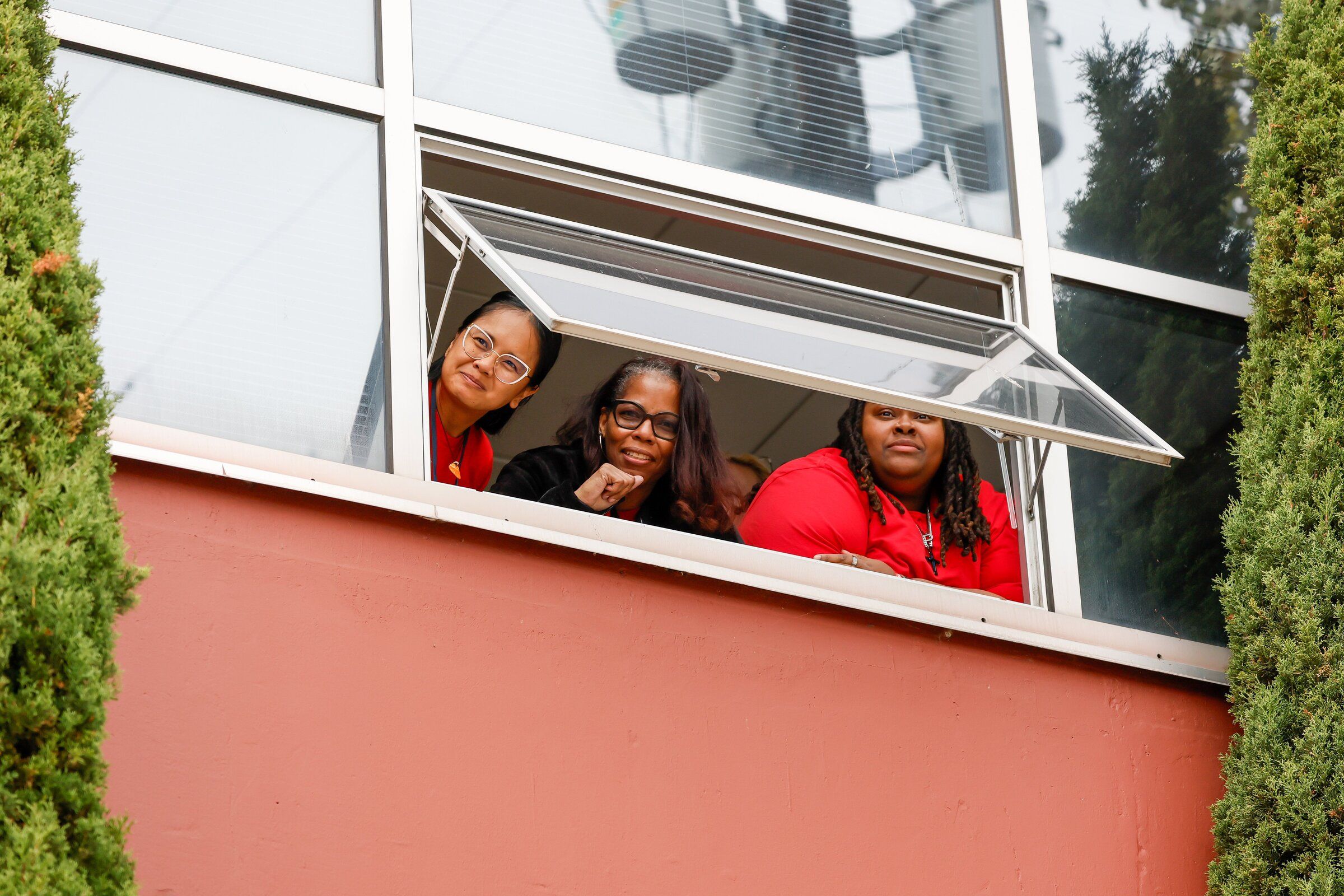
About 400 teachers and union supporters gathered Tuesday outside the district headquarters in SoDo. SoDo, short for South of Downtown, is an industrial and commercial neighborhood south of downtown Seattle, home to warehouses, stadiums and offices. The picket outside headquarters was intended to draw attention to the officials making decisions about the budget, school system and working conditions. Participants wearing red held signs and chanted demands for a fair collective bargaining agreement.
Educator Chelly Lafayette said she attended the demonstration primarily because of the threat of cuts to special education. She said that under the current program for children with behavioral challenges, one teacher and three aides serve 10 students. She fears the new rules will undermine an effective support system.
Aubrey Frantzen, a staff member in the BRIDGES program at Garfield High School, also opposed increasing the student-to-staff ratio. BRIDGES helps students who struggle to follow standard school rules or cope with behavioral and emotional challenges. The program provides individualized plans, mentoring, specialist support, self-regulation instruction and gradual reentry into the mainstream learning environment, so staff cuts could leave specialists without enough time to work individually with students.
A week before the possible strike, union members voted to strike if an agreement was not reached by the end of Tuesday. Of the 57 items in the prospective contract, the parties had agreed on 12, including provisions on mentoring, hiring procedures and the review of employees without state certification, as well as their representation and arbitration rights.
School Board President Gina Topp urged the district and union to reach an agreement so children could attend classes Wednesday. She emphasized that the contract must address students’ needs, particularly in special education, recognize educators’ professionalism and remain financially responsible amid the district’s budget crisis.
Based on: Seattle superintendent says he’s ‘hopeful’ strike can be avoided