
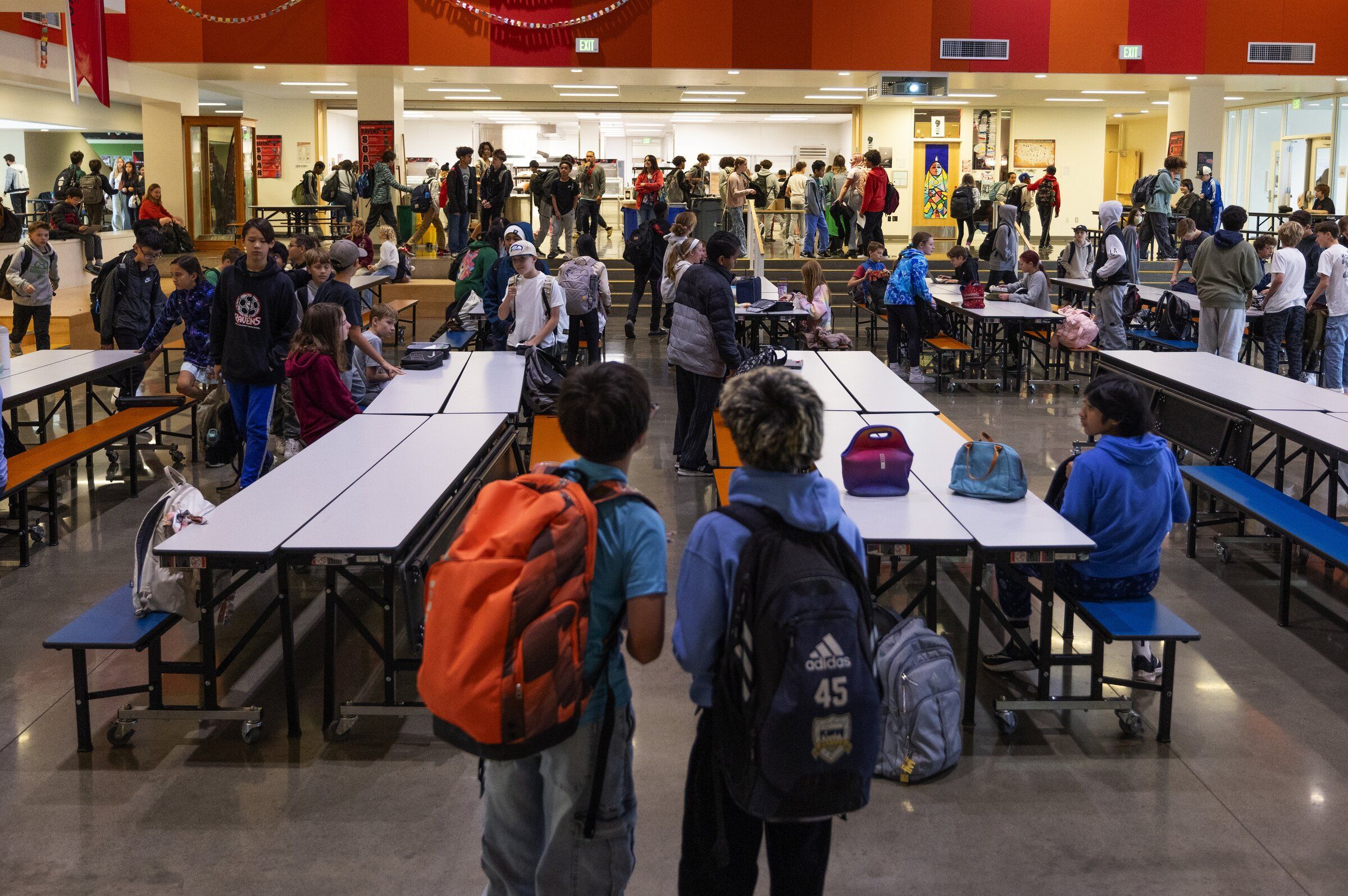
Seattle City Council unanimously, 9 votes to 0, approved nearly $5 million for free meals for all students in public schools. Beginning this fall, students will be able to get free breakfasts and lunches, and low-income families will receive additional food support during weekends and school breaks. The decision came after long negotiations between the mayor’s office and council members.
Just last week, it seemed the program—one of Mayor Kati Wilson’s top goals—might have to be delayed. Several council members doubted the city could sustain funding it in the future and debated whether to spend taxpayers’ money on universal meals for all, rather than targeted help for the students most in need. Some advisers suggested waiting a year and instead launching a voucher program for low-income families.
In the end, the parties reached a compromise. About $4.74 million for free lunches and breakfasts will come from the updated FEPP property tax—Families, Education, Preschool, and Promise. This is a special local levy that Seattle residents approved in a referendum in November; it operates in addition to the regular municipal tax and is earmarked for supporting families, early childhood education, student aid, and future grants for college. The six-year levy totals $1.3 billion. The City Council decided to use part of those funds for school meals because one of the FEPP goals is to combat child poverty and ensure equal access to education: lunch is part of the school day, and hunger directly undermines learning. The money will go into the city budget, and the council has the authority to direct it to programs prioritized for the well-being of students.
The allocated funds will cover meals in the 2027–28 school year. Funding for the next school year (2026–27) still needs to be separately approved by the city council budget committee in a vote on August 4. Going forward, expenses are planned to be covered by a new state tax of 9.9% on households with income above $1 million per year—though the measure is currently being challenged in court and could be overturned following the November elections.
The decision is made by the City Council, not the school district, because in the United States the SPS—Seattle Public Schools—district is independent of city administration and runs the schools, teachers, and curricula. However, federal programs cover meals only for children from low-income families; to feed everyone for free, additional funds are needed. The City Council controls the city budget and local taxes, including FEPP, so it is the council that can direct city money toward universal free school meals. The mayor’s office prepares the budget proposal and supports the initiative, but the final word belongs to the council. SPS itself serves as the operator: it purchases food, hires staff, and hands out meals in schools. The mayor’s office acts as a liaison, coordinating between the city and the district.
In addition to school meals, the council also approved $4 million for a six-year food assistance program: SPS specialists will provide families with food vouchers during weekends and school holidays. The program will begin this fall. Today, about half of Seattle’s schools already feed all students for free; the new funding will bring the total up by adding another 50 schools.
Mayor Kati Wilson called the decision “a huge win for families in our city” and emphasized that free meals will make Seattle more affordable to live in. Council members, in turn, noted that although there had previously been disagreements, the sides managed to find a “financially responsible path” that everyone supported. The program will become one of the most wide-ranging student support measures in the city’s history.
Based on: Seattle City Council OKs nearly $5M for free school meals