The weekend in Seattle offers scream therapy, festivals and hockey, while Uber and Lyft drivers protest market oversaturation and falling incomes.
Your Seattle weekend guide: scream therapy, roller skating, comedy and more
On the doorstep of spring, the last February weekend in Seattle and its surroundings offers a packed lineup of events for every taste — from unusual psychological practices to athletic battles. If you’re looking for ways to spend time that nourish both body and soul, here’s an overview of the most interesting happenings.
On Sunday at 5:00 p.m. an unusual event will take place in Lincoln Park — a gathering of the Seattle Scream Club. As the event description on MyNorthwest.com says, the collective scream is seen as a way to release emotion and reset the mind and body, and the shared action creates a special bond. After the group scream participants will have closing remarks. The club plans to meet every first Sunday of the month. For film lovers, SIFF Cinema Uptown is hosting the Sea Slug Animation Festival these days, dedicated to independent animation from around the world, with a special emphasis this year on works by Pacific Northwest creators. Tickets are available for individual screenings as well as for the entire festival.
Events marking Black History Month are also continuing. On Sunday the Hyatt Regency will host the Fourth Annual Black Makers and Creatives Event, featuring art, music, dance, a fashion show, and food pop-ups by Black entrepreneurs. Proceeds will go to the Family First Community Center. Tickets are $10. On Saturday at 7:00 p.m. Elliott Bay Book Company will hold the 34th annual group reading of the African American Writers’ Alliance, with authors, poets and storytellers. Admission is free but registration is required.
On Saturday the Tacoma Dome will host a free family celebration of the Asian Pacific Islander New Year with two stages of live performances, including music and martial arts, workshops, games, opportunities to try on traditional clothing, and plentiful treats from numerous food vendors. For active recreation fans, the first open roller-skating session of the year will take place Sunday from 1:00 p.m. to 6:00 p.m. at the Tacoma Armory. Admission is $10 and equipment rental is available. At 12:30 p.m. a $5 beginner lesson from the Tomorrowland Junior Roller Derby team will teach basics of skating, safe falling and braking.
Those 21 and over looking for laughs can head to The Growler Guys in the Lake City area for the Seattle Comedy Showcase. Local and touring comedians will perform Friday and Saturday, and between sets you can sample more than 60 draft beers. Finally, on Saturday evening the Seattle Kraken return home to the Climate Pledge Arena for a 7:00 p.m. game against the Vancouver Canucks.
Drivers vs. platforms: how taxi market oversaturation in Seattle is leaving drivers without pay
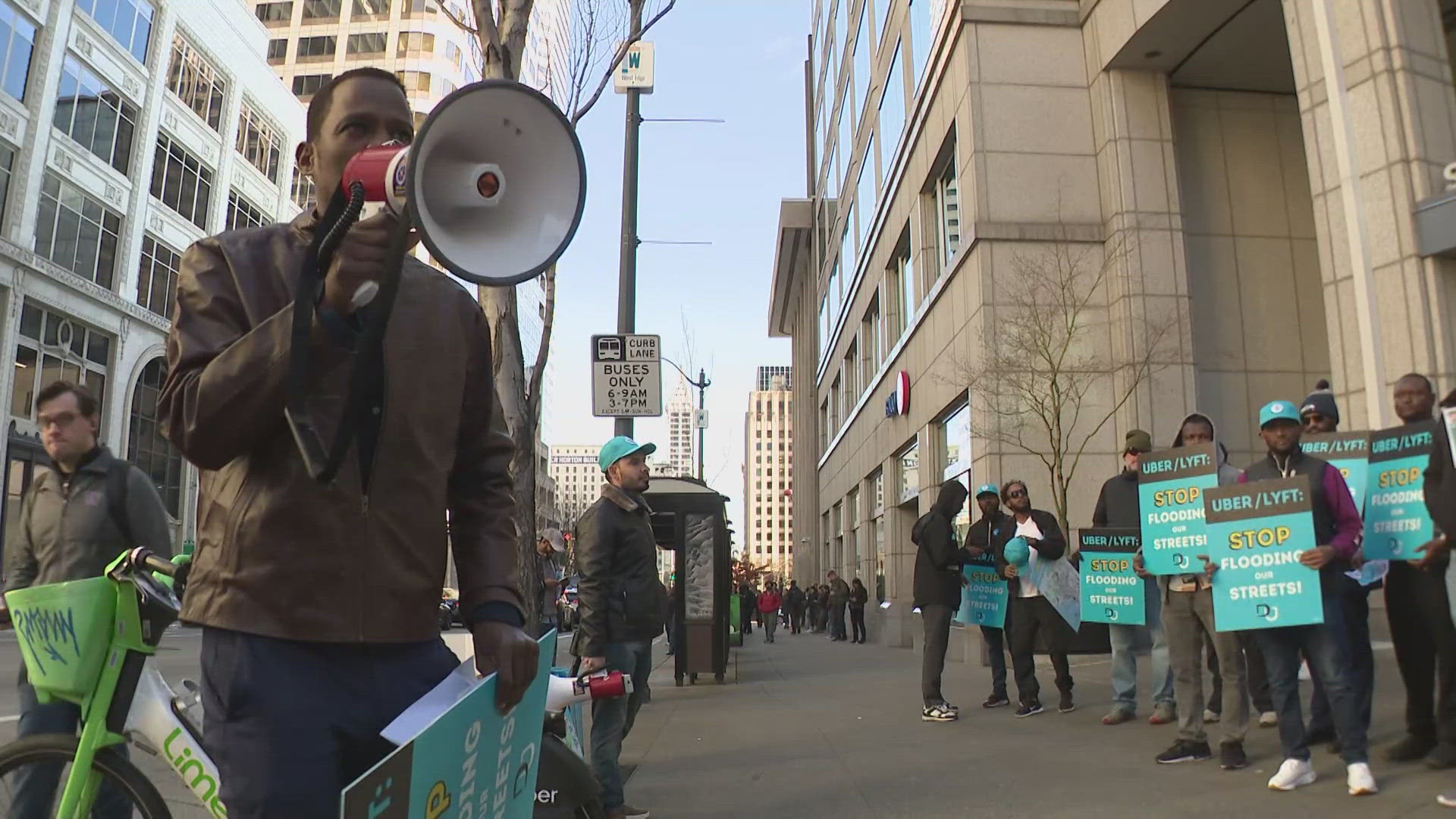
In downtown Seattle, amid evening bustle, the sounds were not the usual honks but voices of protest. Dozens of drivers working for Uber and Lyft rallied, demanding that the companies stop signing up new drivers. They say the market has long been oversaturated and supply far exceeds passenger demand. This is not just a protest of the disgruntled — it’s backed by a report based on analysis of nearly a million trips that paints a troubling picture: most miles driven by Uber drivers in the Seattle area are now empty, and the number of drivers is growing almost seven times faster than the number of trips.
For drivers like Umaru Sako, the situation has become a financial disaster. “Last week from 10 a.m. to 4 p.m. I earned just $5,” he told KING5.com. “How am I supposed to pay my bills with that?” He says he sometimes waits three to four hours without getting a single request and fears ending up on the street if nothing changes. The report, titled “Empty Miles: Why Too Many Ride-Hailing Cars Means More Air Pollution, More Congestion and Less Pay for Drivers,” documents a rise in deadheading per passenger trip over the past three years. The key problem the authors point to is the lack of any limits on the number of drivers that Uber and Lyft can connect to their platforms, regardless of the real market situation.
Washington Drivers Union president Takele Gobena notes the trend became noticeable two to three years ago, and now the data only confirm what drivers have felt in practice. “They need to balance the number of drivers with the growth in trips,” he says. “This isn’t a job for fun. It’s their livelihood. If they don’t drive, many don’t have another set of skills to find work elsewhere.” The union is calling for a pause on onboarding new drivers until the market stabilizes and also urges passengers to remember to tip where possible to help support drivers’ incomes.
Uber, however, disputed the report’s conclusions in a response to the outlet, calling the data sample used “extremely small and unrepresentative.” The company says the decline in trip demand is not due to an oversupply of drivers but to higher fares. A representative noted that Uber does not “hire” drivers in the traditional sense — people register themselves in the app. The company also pointed to minimum pay standards introduced in Seattle in recent years, which it says led to about a 40% increase in trip costs for riders. According to Uber, Seattle now has the highest ride-hailing prices in the country, and that — especially among lower-income riders who have fewer alternatives — has reduced demand. This dispute highlights a fundamental conflict: on one side, efforts to ensure drivers a decent minimum income through regulation; on the other, market dynamics where higher prices can deter customers. While companies and drivers seek to assign blame, ordinary drivers like Umaru Sako are left alone with empty accounts and growing debts, and the city’s streets are filling with ever more cars that most often drive without passengers.
Protest in Seattle: Uber and Lyft drivers demand a stop to the market “flood”
A protest organized by Uber and Lyft drivers took place in downtown Seattle on Wednesday. Workers demanded that the ride-hailing giants stop adding new drivers, arguing the market is already flooded, which is driving down their earnings. The action coincided with the release of a new report showing a worrying trend: most miles drivers travel are so-called “empty miles” — driving without passengers. These deadhead miles not only increase road congestion and air pollution but also directly hurt drivers’ pay.
According to the report by Drivers Union, representing more than 30,000 drivers in Washington state, empty miles per passenger trip have been rising for the third year in a row. Meanwhile, the number of Uber and Lyft drivers is increasing almost seven times faster than the growth in trip requests. This creates a vicious cycle: the more drivers on the road, the fewer requests each receives, and the more time and gas they waste searching for customers. Drivers gathered during rush hour outside Uber’s engineering offices on 2nd Avenue and Seneca Street, chanting their demands through megaphones to draw public attention to the issue.
“The information in this report confirmed what we see every day — a flooded market, clogged streets and falling earnings,” Drivers Union president Takele Gobena said in a press release. He emphasized that the situation affects the entire community and called for fair rules to create a balanced market that benefits everyone. Uber, in its comment to GeekWire, sharply criticized the report, calling its data sample “extremely small and unrepresentative.” The company also tied the problems to local regulation. According to an Uber spokesperson, Seattle’s driver pay rules led to a roughly 40% increase in trip prices for riders, making the city the most expensive for ride-hailing in the country. “As prices rose, demand for trips fell — and with fewer overall requests, drivers began earning less stable income,” the company representative explained in the GeekWire piece.
Thus, the protest in Seattle highlighted a key conflict in the gig-economy industry. On one side, drivers whose incomes are becoming less predictable demand protection from an unlimited influx of new labor that dilutes their earnings. On the other, companies like Uber see the root cause in regulation that, in their view, artificially raises prices and deters customers. The situation raises difficult questions about the future of work on digital platforms, the balance between flexibility and stability, and the role of local authorities in setting the rules of the game. Meanwhile, as the sides exchange arguments, drivers continue to spend time and resources on empty miles across Seattle’s crowded streets, a development that harms not only their personal finances but also the city’s environment.