
Two city parks on Seattle’s waterfront — Myrtle Edwards and Centennial — have been radically transformed over the past 14 months thanks to $56 million in private funding. The initiative was led by Melinda French Gates, the former wife of Bill Gates and co‑founder of a major philanthropic foundation, and was joined by MacKenzie Scott, the former wife of Amazon founder Jeff Bezos, the Diller‑von Furstenberg family and Expedia Group. For Seattle these investments are hugely significant: in the U.S., public spaces are often funded through a mix of taxes and large private donations, without which big projects can drag on for decades or never happen at all.
The main goal of the reconstruction is to restore the city’s connection to Elliott Bay and Puget Sound, a central element of Seattle’s identity: a cultural center for Indigenous peoples, the economic base for the ports and a primary natural landmark. For decades industrial and transportation infrastructure had cut residents off from that identity. Historically the waterfront was separated from downtown by two barriers: the BNSF freight railroad and the I‑5 elevated highway, and the Alaskan Way Viaduct, built in the 1950s, created a physical and noise barrier that turned the shoreline into an inaccessible industrial zone. Only after its demolition and the opening of the tunnel beneath downtown in 2019 did the opportunity for reconnection emerge.
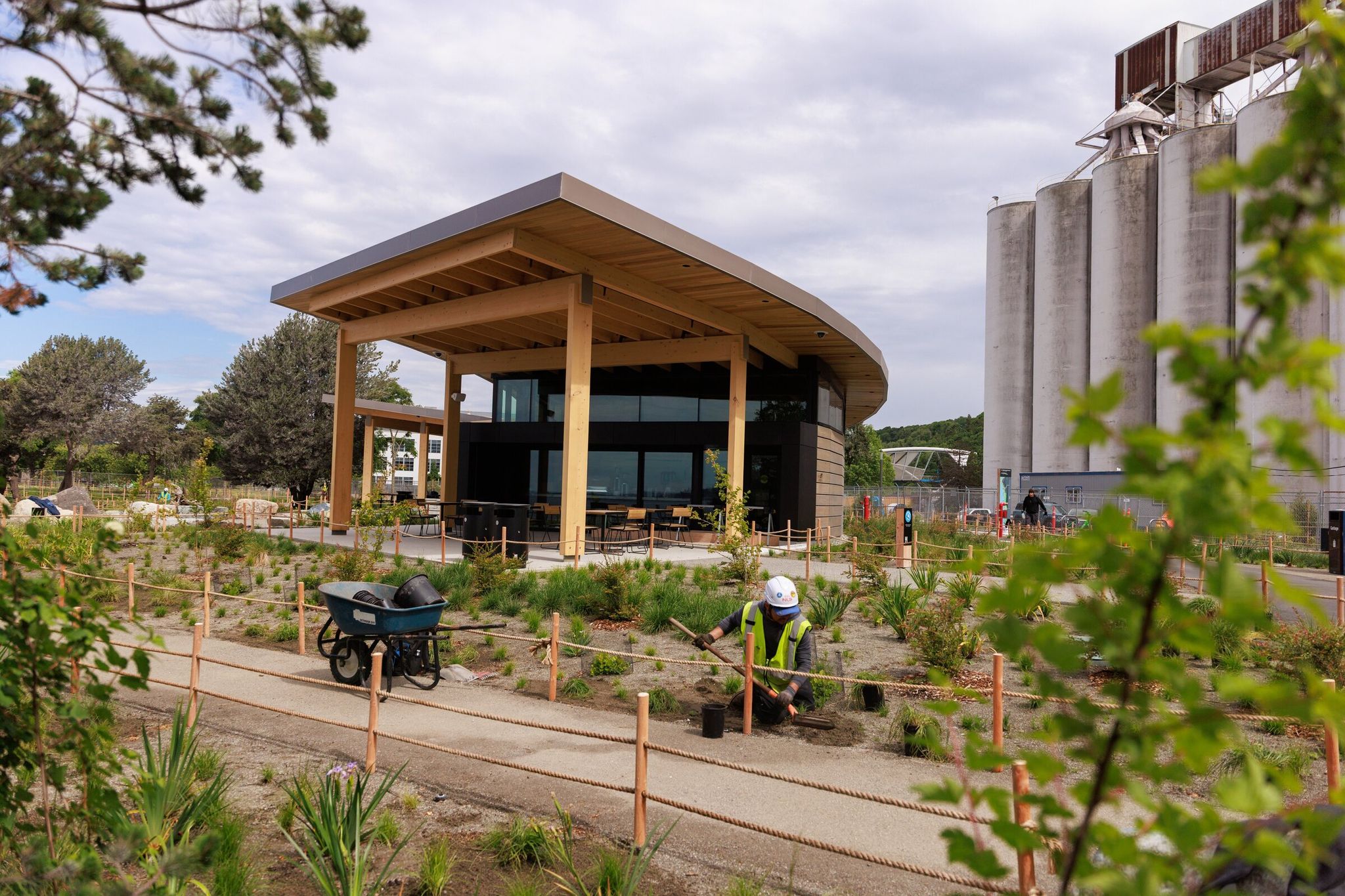
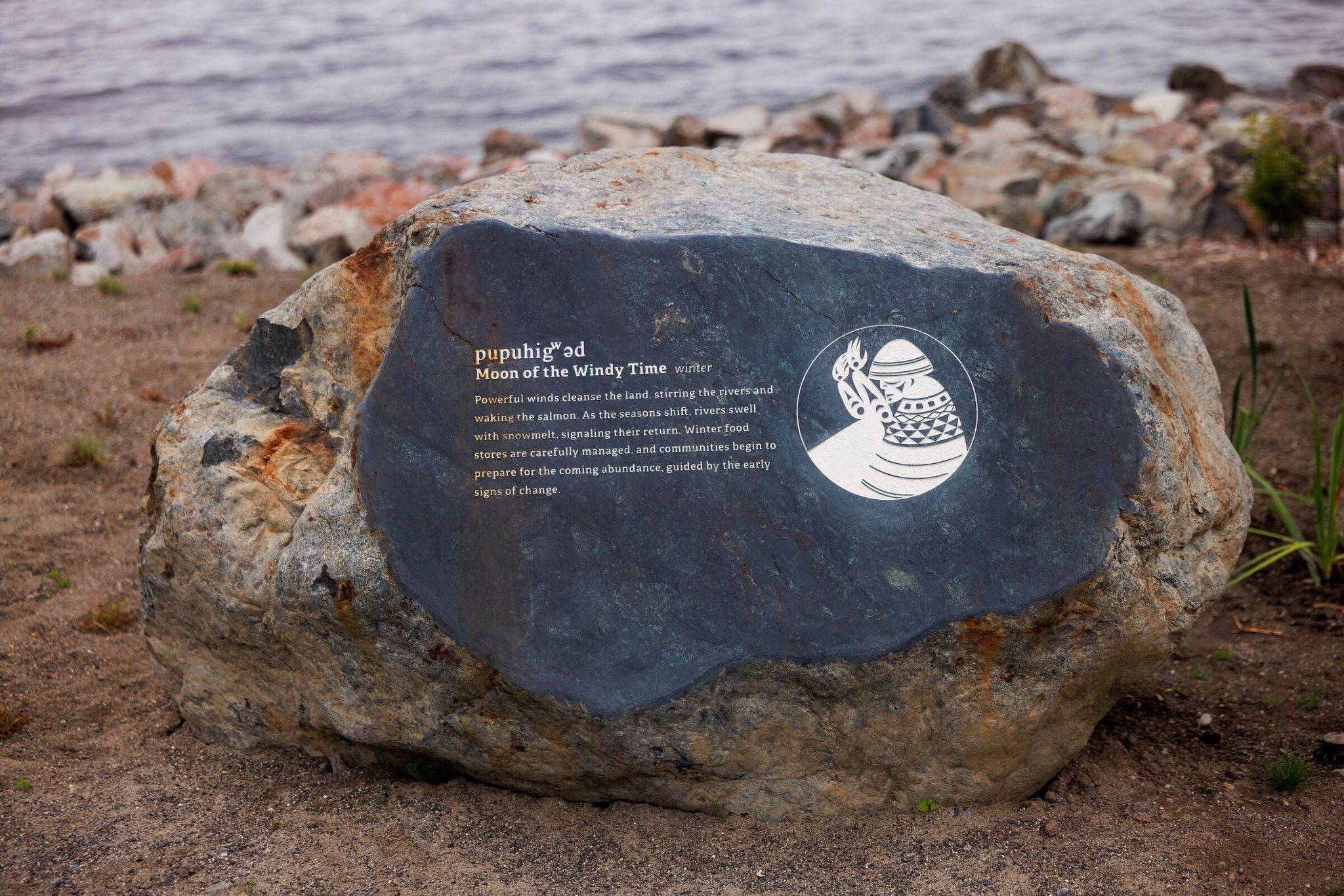
Now, instead of expansive lawns there are pollinator meadows, outdated art pieces have been refreshed and pedestrian paths widened. The derelict “Happy Hooker” pavilion has given way to a glass café and new restrooms designed with Indigenous traditions in mind. Architecturally this is expressed through longhouse‑inspired design — wooden frames, deep roof overhangs and the use of cedar — and by including traditional plants used for basketry and medicine in the landscape. Tribes including the Duwamish, Suquamish, Tulalip and others were consulted at every stage of design to honor their heritage.
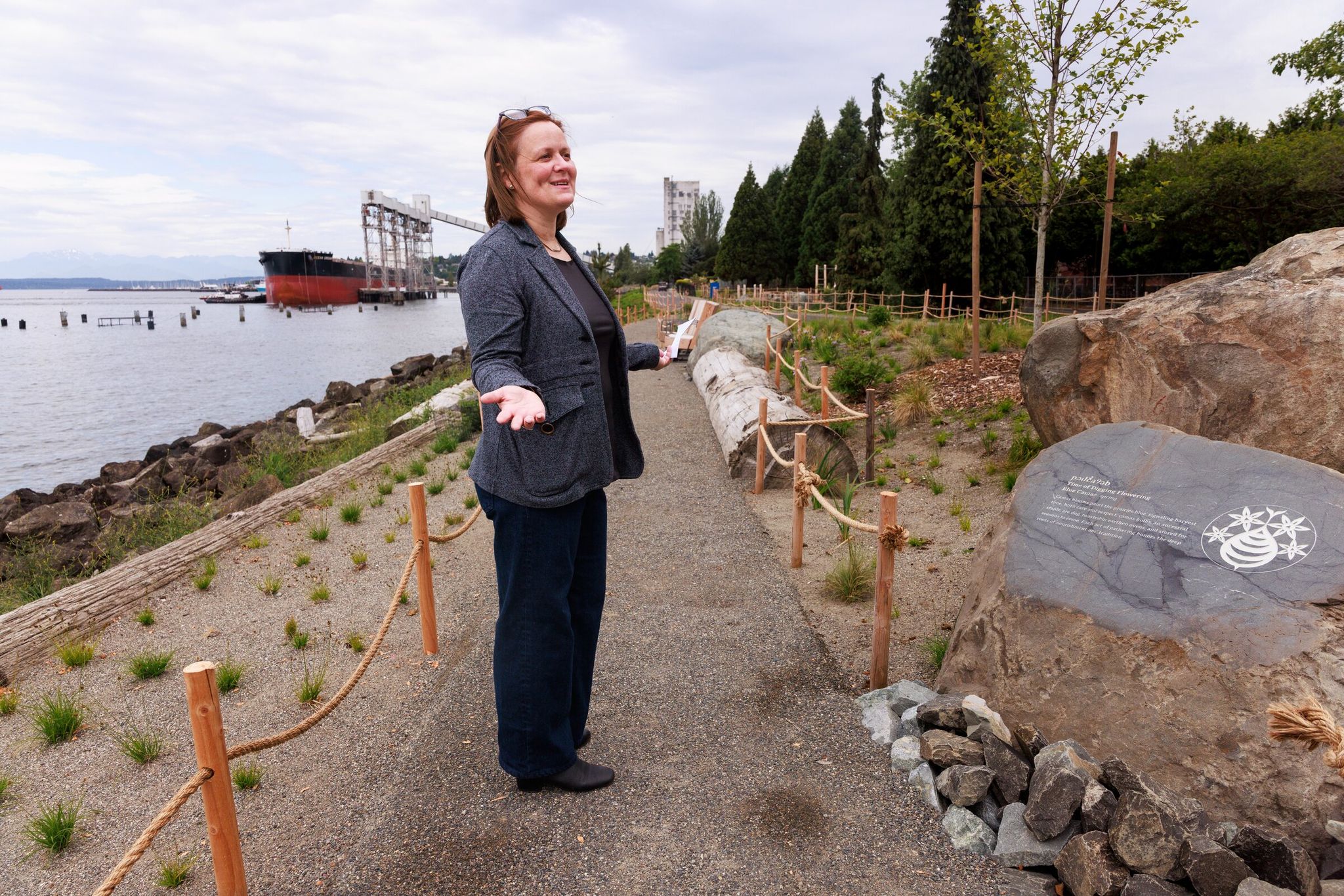
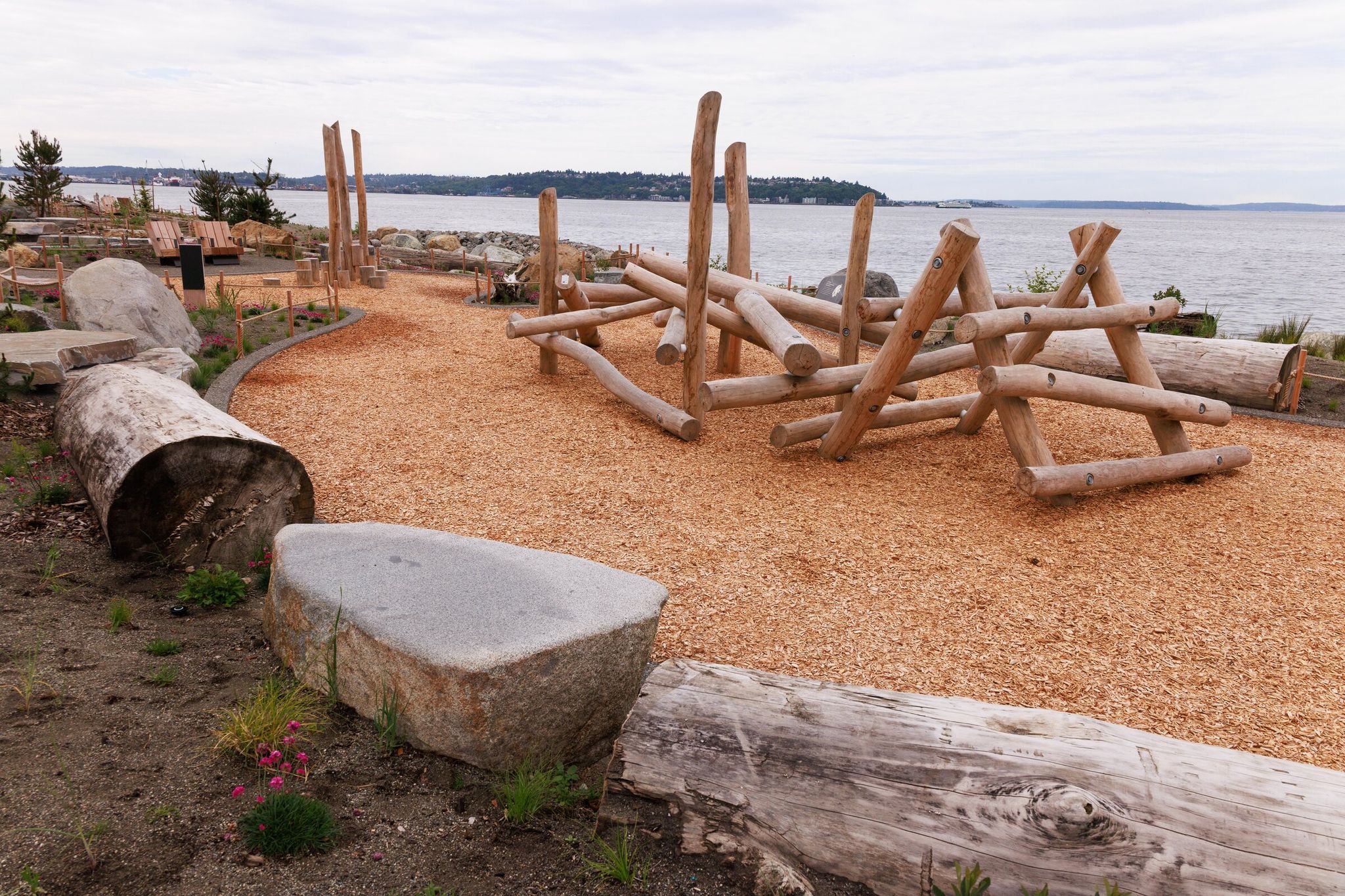
The most noticeable changes happened along the shoreline. Two cluttered beaches were cleared of debris, trash and invasive blackberry thickets and converted into broad, gentle slopes down to the water. Previously residents had to clamber over rocks to reach the bay — now it is a natural extension of a walk. Organizers emphasize that despite the city’s location on Puget Sound, it was long disconnected from its own shores, and the new beaches are meant to restore that connection.
The pace of delivery is striking for public spaces: construction began in March 2025 and finished in 14 months, though plans were announced in 2023. The rapid schedule was made possible by French Gates’s leadership and the private investments. For her philanthropic work this project was a new experience: she does not plan to regularly invest in public spaces, but she was drawn to the broader waterfront reconstruction.
French Gates’s interest in these parks was sparked in 2019 when she noticed the new promenade and overlook forming to the south while Myrtle Edwards and Centennial remained underappreciated. “I saw that over time these places were kind of hiding in plain sight,” she recalled. “They open up incredible views of the Olympic Mountains and Puget Sound, but they could be much better.” That observation launched the Elliott Bay Connections project, which extends far beyond the parks themselves.
The new bike‑pedestrian route begins just north of the Overlook Walk viewing platform at Pike Place Market. The central element of the project is a new pedestrian bridge and viewing platform that will link the historic core with the restored shoreline parks, crossing over the railroad tracks. Old streetcar tracks on the east side of Alaskan Way were removed to make room for a path that now leads almost directly to the Olympic Sculpture Park at the south entrance to Myrtle Edwards. Together with the adjacent Expedia parcel, the parks now stretch roughly one and a half kilometers along the waterfront.
Built in the 1970s on the remnants of construction for the I‑5 interstate, the parks long served more as a corridor than a destination. Railroad tracks cut them off from much of the city, leaving access only from the north and south and via a pedestrian bridge. Lara Rose, a partner at landscape architecture firm Walker Macy, noted that before the redesign these places looked “very plain, almost forgotten.” “It felt like these parks didn’t quite belong to Seattle,” Rose said. “They didn’t offer what people today expect from modern parks.” The design team adopted a philosophy of “What do these parks want to be,” focusing on ecological restoration, improved circulation and creating more meaningful gathering places.
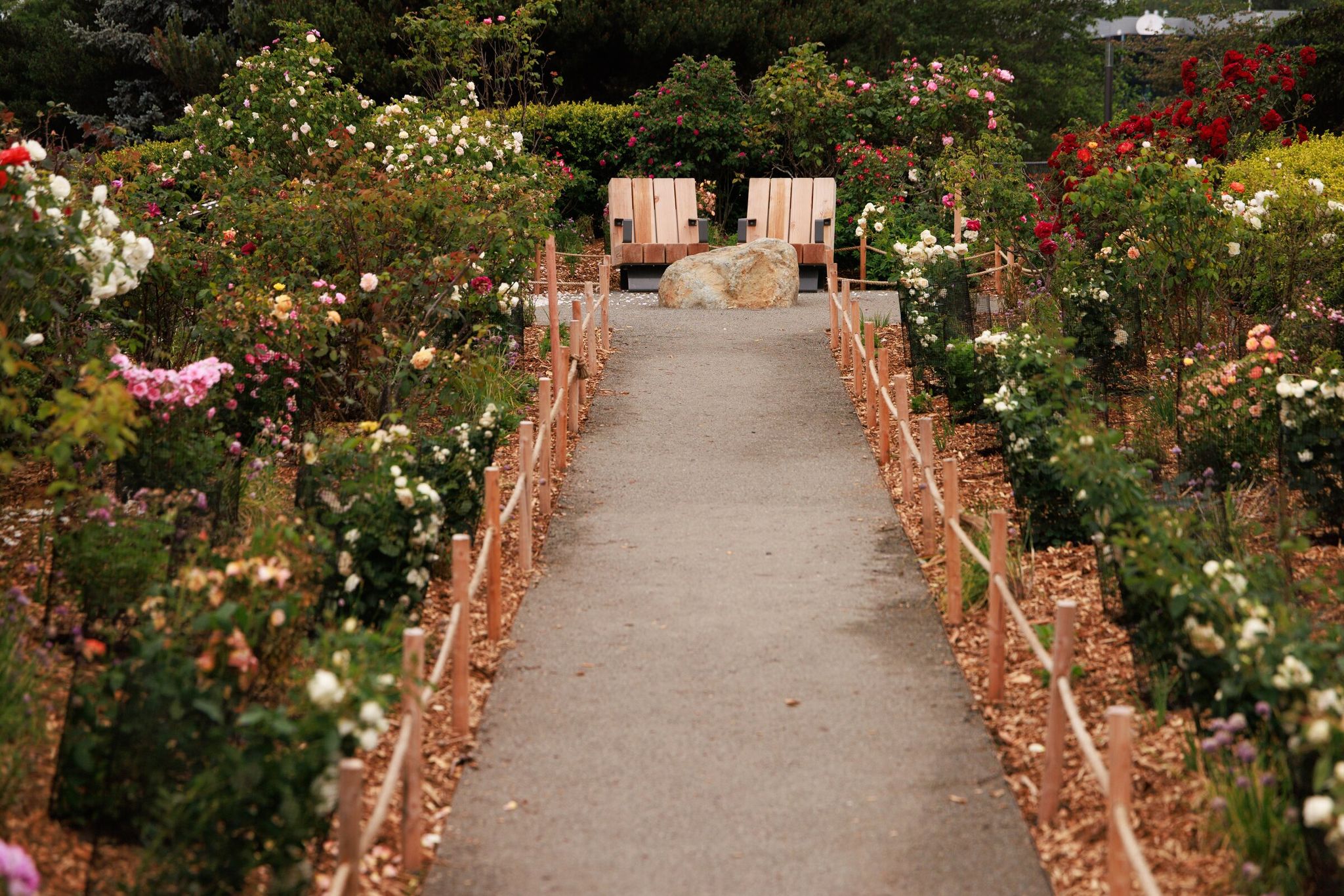
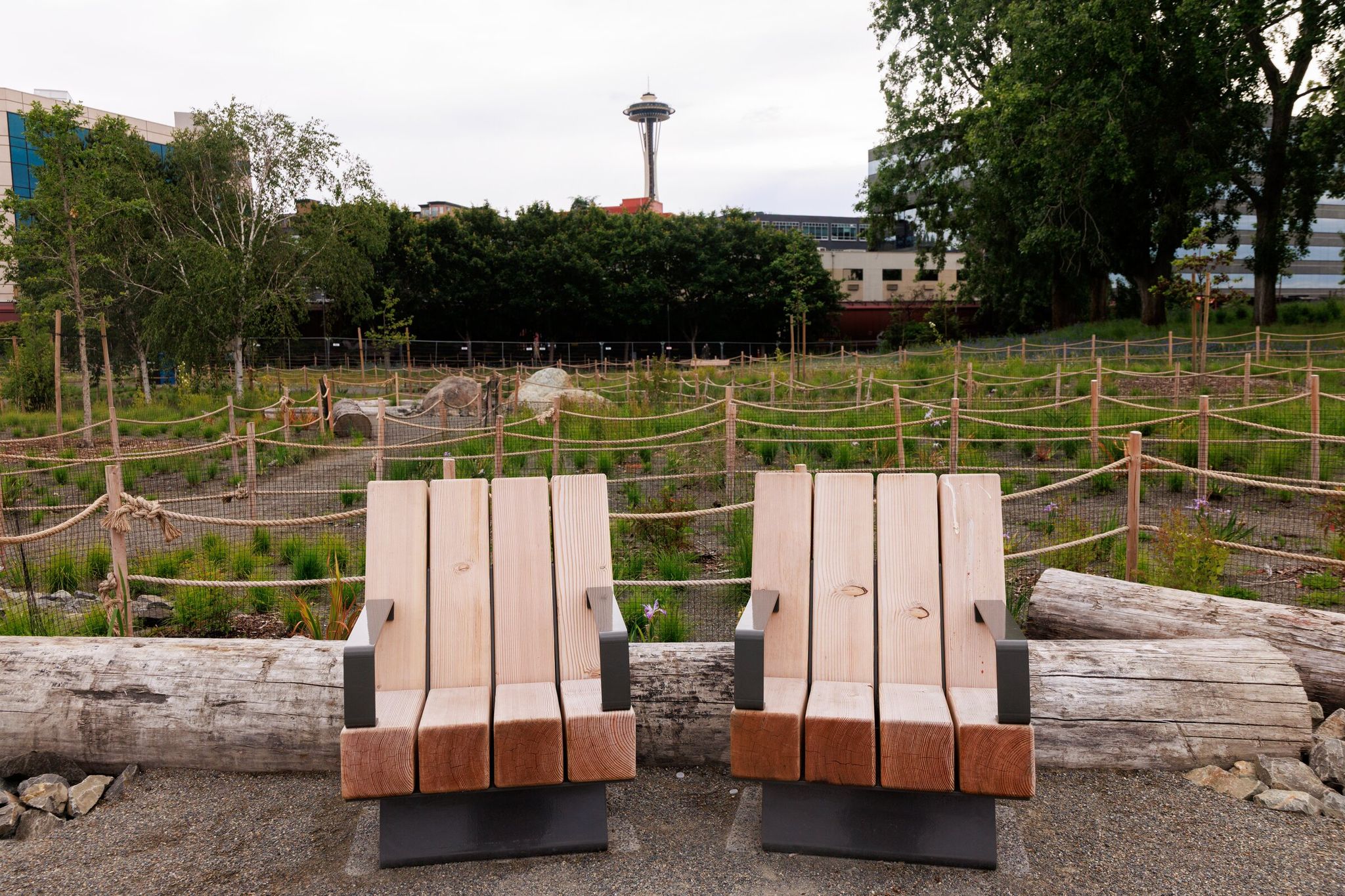
Extensive lawns have been replaced with more than 74,000 plants, the vast majority of them native species intended to support pollinators and ecosystems. Replacing lawns with native meadows serves several goals: water savings (native plants are adapted to the climate and don’t require irrigation), supporting bees and butterflies that monoculture grass does not sustain, reducing soil erosion and naturally filtering stormwater — all critical to protecting the bay. Special attention was paid to beach access: main entry points to the water are now larger, clearer and much more inviting. A rose garden on the north side of the parks, previously hidden behind a hedge, was dug up and replanted to open views to the mountains.
Based on: Waterfront parks reopen, paid for with help from Melinda French Gates