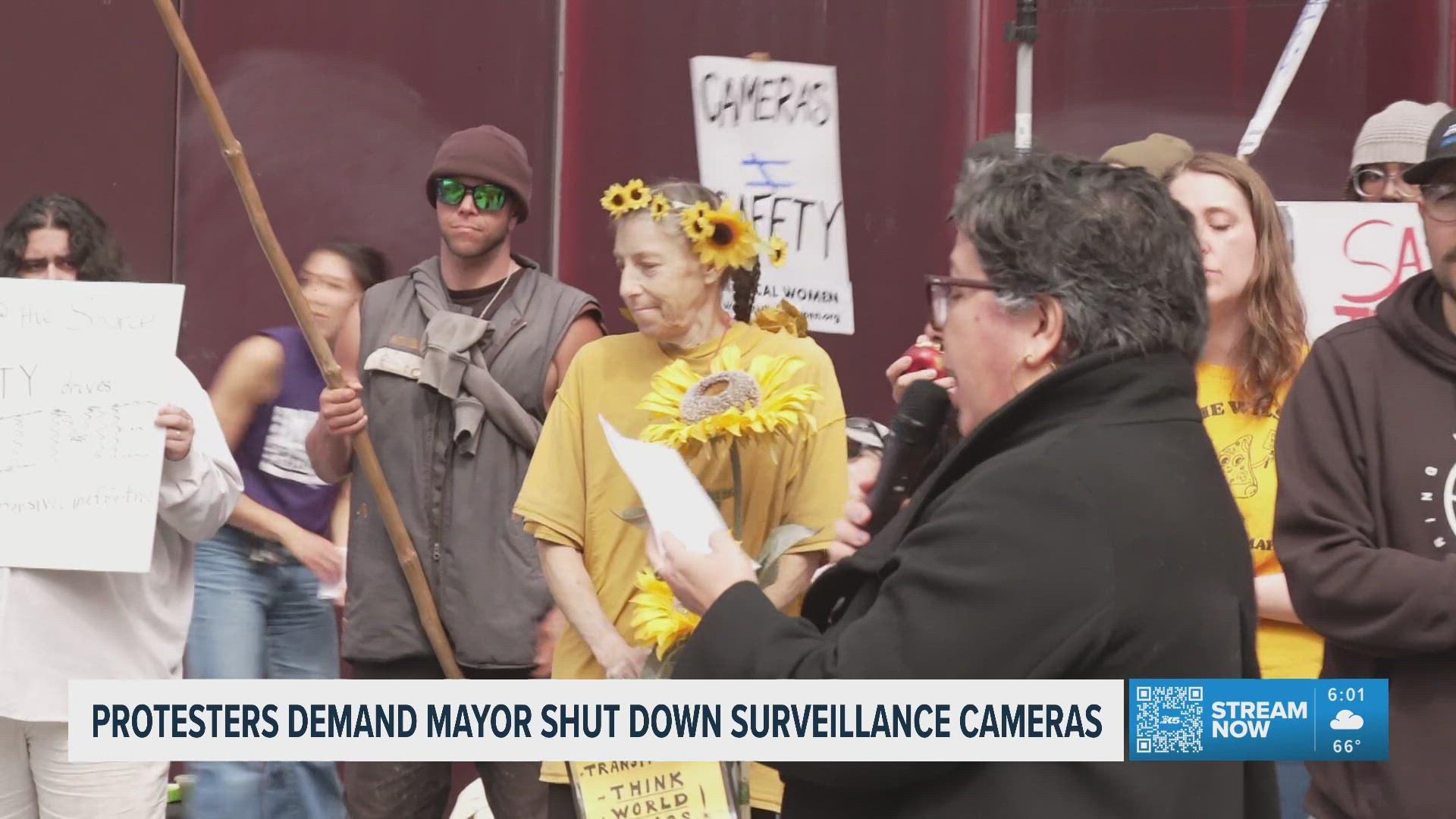
Seattle in the spotlight: the baseball team secured a dramatic win, while city protesters continue to demand the dismantling of the police surveillance camera network, seeking a balance between safety and privacy.
Incredible Crawford: Walk-off Secures Shortstop a Place in Mariners History
Baseball produces moments that become legendary, and one such moment happened Saturday at T-Mobile Park. Seattle Mariners shortstop J.P. Crawford once again proved he is a clutch performer. His walk-off single with the bases loaded in the ninth inning not only delivered a dramatic 8–7 victory over the Houston Astros but also tied him with Mitch Haniger for the franchise record for walk-off hits. It was his eighth such hit in his Mariners career.
The game, detailed in a report on Seattle Sports, was a roller coaster. The Astros seized control early, leading 7–2 by the fourth inning and knocking Seattle’s starter Luis Castillo out of the game. But the Mariners showed grit. The turning point came in the fifth inning, when Seattle scored five runs. Crawford played a key role with a two-run single with the bases loaded. Cal Raleigh then added a run-scoring sacrifice fly, and Julio Rodríguez tied the game with his first home run of the season — a two-run shot to center.
Drama peaked in the ninth. After Astros pitcher Bryan Abreu issued three walks (i.e., four balls that allow a batter to take first base without a hit), the Mariners had the bases loaded. Facing Crawford, the count quickly went to 0–2, but he stayed composed and drove the ball to left-center, allowing Cole Young to cross home plate with the winning run. That hit capped off Crawford’s outstanding performance with the bases loaded: before this game he was hitting .373 with an OPS of 1.142 in such situations. OPS is a composite measure combining on-base percentage and slugging, and a value above 1.000 is considered exceptional.
The contribution of reliever Andrés Muñoz was also crucial. Early in the ninth, with the bases loaded, he induced a shallow flyout from the dangerous Yordan Álvarez, preserving the inning and the Mariners’ chances. This outing gave Muñoz his second win of the season.
The victory was an important morale boost for the Mariners (6–9) in a difficult start to the season and in a key divisional matchup. It showed that despite struggles the team can mount dramatic comebacks and has leaders willing to take responsibility in decisive moments. On Sunday the Mariners will continue the series against the Astros, with Logan Gilbert scheduled to take the mound.
Protesters Demand Seattle Mayor Shut Down Camera Network
On Friday, activists gathered at Seattle’s City Hall to mark what they called the mayor’s first 100 days in office — and to demand the full removal of the city’s video surveillance network. Protesters insist on the immediate shutdown of all cameras that are part of the Seattle Police Department’s Real Time Crime Center and want any plans to expand the system abandoned. As KING5 reports, protesters’ central concern is the possibility that federal authorities could gain access to the collected surveillance data.
The protest was timed to the symbolic 100-day mark of the mayor’s tenure. Rally participants say Mayor Bruce Harrell (incorrectly named “Wilson” in some coverage) is not fulfilling campaign promises they say won their support. “She’s been in office 100 days. This was one of her campaign promises. It’s time to make it happen,” said protester Matt Payne. Another participant, Gina Petri, summarized the main demand succinctly: “The main thing is turn the cameras off. That’s really the core message.”
The system protesters oppose is operating as part of a two-year pilot authorized in May 2025. Although the mayor has taken some steps — freezing further expansion and initiating an audit focused on privacy protections — activists say these measures are insufficient and insist on a complete and unconditional termination of the program. Harrell has previously acknowledged the complexity and ambiguity of the issue. At a city meeting two weeks ago he said: “This is a contentious issue. There are very, very different opinions about the usefulness of the cameras, the risks associated with them, and whether city leadership in public safety should move in this direction.”
The conflict over surveillance cameras in Seattle reflects national debates about balancing public safety and the right to privacy. Protesters view expanded camera networks as a threat to civil liberties and a potential tool for discrimination, fearing the data could be used not only by local authorities but by federal agencies as well. Supporters of the system, including police, argue that technologies like the Real Time Crime Center are critical tools for preventing and investigating crimes in a modern metropolis. Mayor Harrell’s next moves will show whether his administration can find a compromise acceptable to both sides, or whether protests will escalate and increase pressure on city officials.
Protest Against Surveillance Cameras in Seattle: The Debate Over Safety and Privacy
A heated debate is unfolding in downtown Seattle over the balance between public safety and individual liberty. Amid city plans to expand its camera network, dozens of residents rallied at City Hall to call a halt to what they describe as a dangerous intrusion into privacy and a potential instrument of repression.
On Friday, dozens protested outside Seattle City Hall against the police surveillance camera system. The protest highlighted a deep societal split over how modern technologies should be used to fight crime. The system — including more than 60 cameras, both private and public — is managed through the city’s Real-Time Crime Center and is concentrated in high-crime neighborhoods. Authorities, including the police, insist on its effectiveness: they say cameras helped solve more than half of the city’s homicides last year and triple the odds of arrests from 911 calls, according to KOMO News. But protesters reject those figures as justification. They see the technology as a threat to privacy and a potential source of abuse. “I still hope the mayor will keep her promises, but on surveillance it seems she has backed away from what she said during the campaign,” said Melissa Howard, a protest participant and former campaign staffer for Mayor Katie Wilson. Howard voiced a deeper fear: “The core issue is we should not be building infrastructure for a Trump administration to track our neighbors and potentially arrest them unlawfully.” Her words reflect concern that collected data could be used against marginalized communities, especially amid national political battles.
Protesters also call for reallocating resources. They argue that funding for the camera system should be redirected to community violence prevention programs that address root causes of crime. “I think it puts marginalized communities at undue risk,” said Castill Hightower. “All of this is happening while we try to push the mayor to create permanent resources for victims of police violence and their families.” This argument challenges the prevailing approach to safety: instead of reactive surveillance, activists propose investing in social programs.
Mayor Katie Wilson, at the center of the dispute, is trying to find a compromise. In March she announced a pause on program expansion until an independent audit reviews data storage, protection, and sharing practices. At a forum on March 27, also covered by KOMO News, Wilson said that the pause aligns with her campaign promises. However, the pause is not a full stop. City officials acknowledge the audit is unlikely to be completed before the upcoming FIFA World Cup and plan to continue installing cameras in the SoDo area, though they promise not to activate them without a credible threat. This decision shows the city trying to balance security needs for a major event with public pressure.
Not all Seattle residents share the protesters’ position. Peter Orr, who has lived near Aurora Avenue for 16 years, offers a counterargument based on his experience living in a troubled area. He describes shootings between pimps that sent bullets into neighbors’ homes. For him and other locals, cameras are not a threat but an added layer of protection and a sense that “there’s some visibility. Somebody’s watching.” Many on Aurora have already installed private cameras. Orr challenges surveillance opponents: “I invite anyone who protests cameras to come to the intersection of 100th Street and Aurora any night after 10 p.m. and see if their opinion about cameras changes.” His view underscores that for people who face daily violence, abstract privacy rights may be outweighed by immediate physical danger.
This conflict in Seattle is a microcosm of a global dilemma in the digital age. On one hand, video surveillance can be a powerful tool for law enforcement, helping solve serious crimes and potentially preventing them. On the other, it risks creating a surveillance society, enabling discrimination (for example, if facial recognition algorithms misidentify certain ethnic groups) and political misuse of data. The term “Real-Time Crime Center” describes a high-tech hub where camera feeds, sensors, and other sources are combined for real-time analysis. “Credible threat” is a security standard meaning a concrete, reasonable threat—not mere suspicion.
The outcome of this story will be the audit and the mayor’s subsequent decisions. But it is already clear that Seattle, like many cities, faces a difficult search for a middle ground. The city must demonstrate that its surveillance system is transparent, accountable, protected from breaches and abuse, and that its use is tightly regulated. At the same time, serious investment is needed in the social programs protesters call for to address the root causes of crime rather than only its symptoms. Without that, trust between authorities and communities—especially vulnerable ones—will continue to erode, undermining any potential benefits of even the most advanced surveillance technologies.