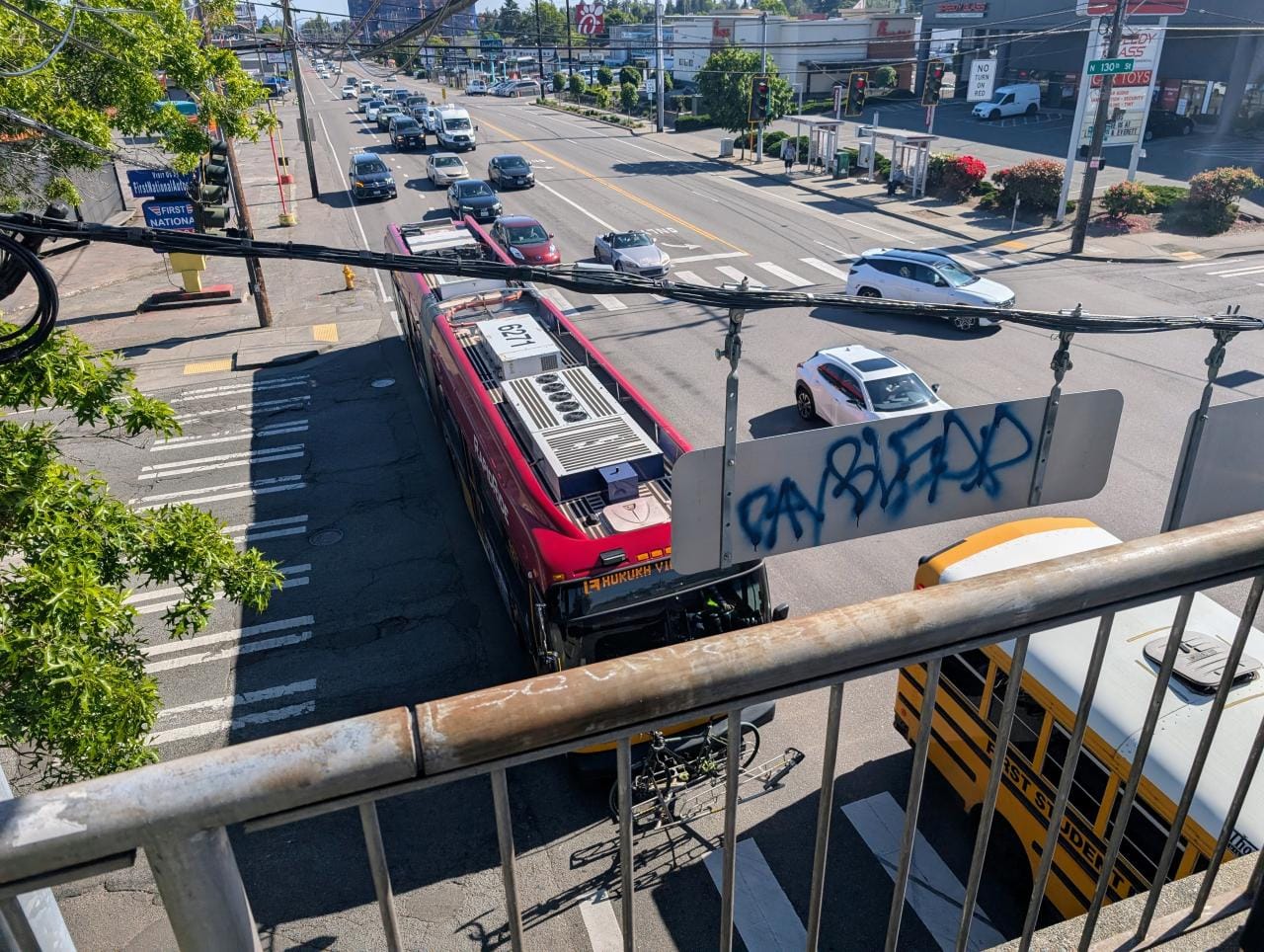
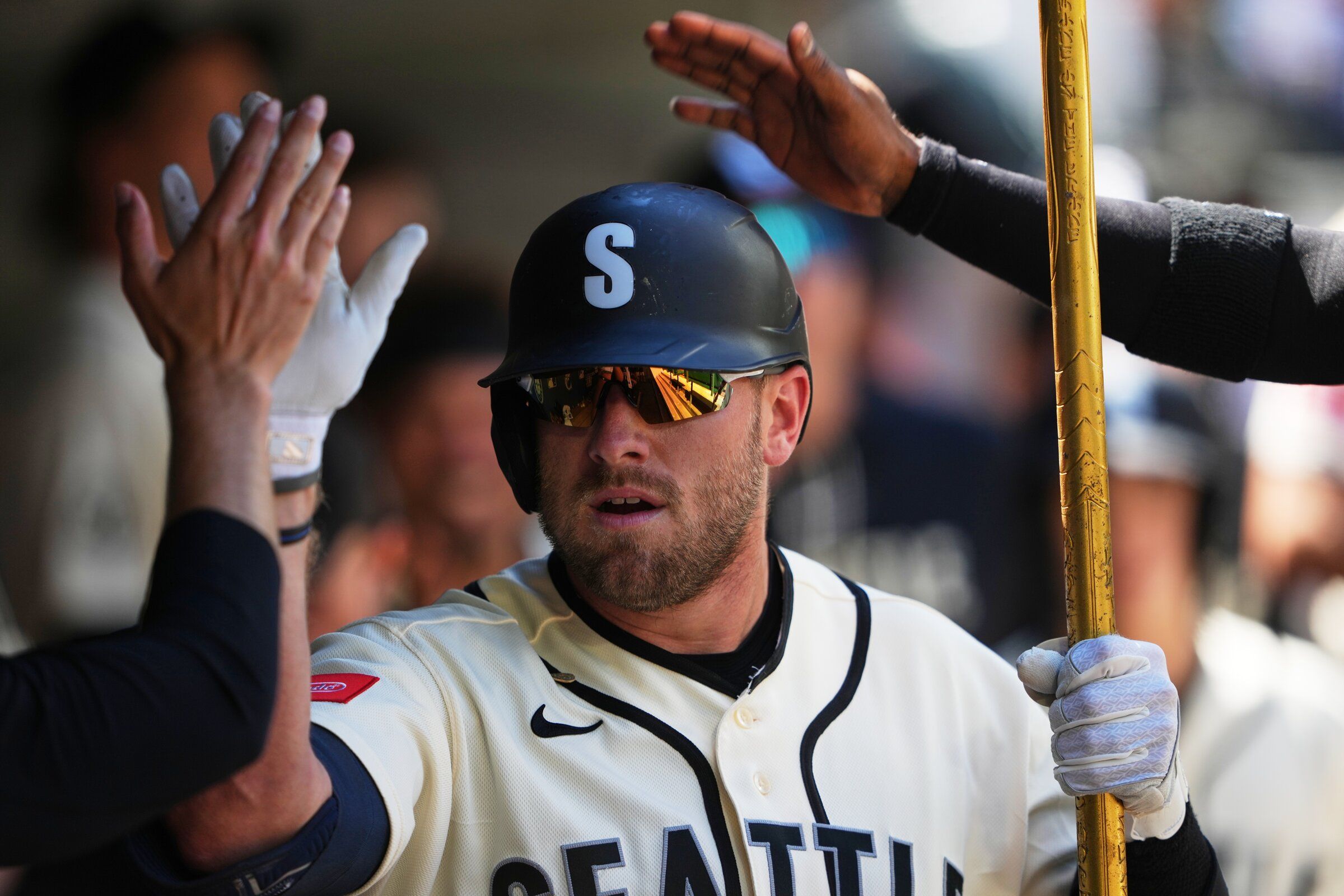
In Seattle’s District 5, candidates Jenks and Kang put forward sharply different visions for the city’s future; baseball player Luke Raley launched a walk-off home run for the Mariners; and at Lake Union, a unique concert took place with the stage aboard a houseboat—while the audience listened to live music right from stand-up paddleboards and kayaks.
Elections in Seattle’s District 5: Jenks and Kang Offer Different Views of the City’s Future
At a recent forum in Lake City, four candidates running for a seat on the Seattle City Council from District 5 laid out their platforms, but the main debate quickly centered on two front-runners: Nilene Jenks and Julie Kang. Both raised roughly the same amounts for their campaigns—about $107,000 each—and drew high-profile endorsements.
Jenks, the progressive candidate supported by The Stranger and the King County Democratic Party, is pushing for climate action, affordable housing, and expanding alternative responses to calls for service. Kang, who currently takes a more moderate stance, is backed by the editorial board of The Seattle Times and received a recommendation from the King County Republican Party (though she had not sought it). Her priorities are safety, affordability, and support for small business.
Kang’s shift on public safety drew particular attention. Previously, she opposed police body cameras and so-called SOAP warrants—zones where prostitution is prohibited. But after meetings with former councilmember Kathy Moore and Bob Kettle, chair of the public safety committee, she changed her position, citing a review of data on how the policies are being implemented. Now Kang supports both cameras and SOAP warrants, even though Seattle City Prosecutor Erica Evans continues to call them ineffective.
Research does shows that cameras do not prevent violent crimes, and the police cultural competency work that Kang also promotes does not reduce racial disparities in enforcement. Jenks, by contrast, remains consistently opposed to both cameras and SOAP warrants, emphasizing community-based violence prevention programs and expanding CARE—an organization focused on crisis response.
Housing and transportation concerns also split the candidates. All four backed Mayor Wilson’s “Taller Denser Faster” plan aimed at speeding up housing construction. However, Kang voiced concerns about execution, insisting that infrastructure should be developed in sync—sidewalks, parks, and schools. Jenks came out more strongly in favor of dense development around light-rail stations, stressing that “we built the transit—now it’s time to let people live next to it.”
Both acknowledged being frustrated by the pause in a proposal for a temporary reduction in the mandatory housing fees associated with Minimum Housing Affordability (MHA), which was intended to spur construction. Jenks said the slowdown is hurting the city’s budget and worsening the homelessness crisis.
On transportation, Kang supports bus frequency and east-west routes but worries about rising taxes. Jenks wants better connections to Lake Forest Park and to install public restrooms at light-rail stations. Notably, socialist candidate Silas James proposed pedestrian zones, while businessman Dimitriy Georgakopoulos argued for prioritizing sidewalks over bike lanes, saying, “I don’t see a lot of cyclists in the city.”
This is a special election because former councilmember Kathy Moore has stepped down. The winner will hold the seat for only the final year of her term, after which the seat will be up for reelection in 2027. The outcome matters not only for the district but as a barometer for the city’s mood: after last year’s progressive wins in three districts, the result in D5 will show whether the progressive wave is still holding. Kang and Jenks are offering diametrically opposed approaches to key issues, and voters’ choice will determine the balance of power in the council ahead of the 2026 municipal election. As analysts note, this district could become a measure for all of Seattle. A full rundown of the debate is available in an article by The Urbanist.
Title
Luke Raley Sends the Mariners Ahead With a Game-Winning Home Run in Saturday’s Match vs. the Giants
In baseball, just like in life, not everything goes according to plan—especially when it comes to getting power going at the plate. Luke Raley, who began the season with an impressive stretch of home runs, then hit a prolonged slump lasting more than a month. It seemed as if his luck had run dry, but it was he who delivered the decisive blow in a game against the San Francisco Giants at T-Mobile Park. It was a rare flash of life amid an extended skid—and maybe that moment will be the turning point for the entire group hovering precariously around .500.
A piece in The Seattle Times details how Raley, coming in as a substitute in the sixth inning, launched a solo home run that broke a 3–3 tie and lifted the Mariners to a 6–3 victory. Up to that point, since the start of June he had given fans just one home run—after 13 such hits through the end of May. Over nearly 100 at-bats in that stretch, Raley’s numbers were grim: a .141 batting average, .217 slugging, and a .401 OPS. His success against Giants pitcher Adrian Houser came after a change to the game plan. After facing an onslaught of changeups from Logan Webb the day before, Raley had specifically worked on responding to that type of pitch with hitting coach Kevin Seitzer. The result: the ball sailed 386 feet to right field.
That moment became the springboard for further advantage. In the seventh inning, Cole Young—unexpectedly slotted in third in the lineup—added a two-run home run, his second in as many days. Raley and Young were the main stars of the Mariners’ offense, though other hitters such as Josh Naylor and Weston Wilson also delivered RBI singles. Special attention goes to pitcher Logan Gilbert: despite giving up a home run in the first inning, he turned in a dominant outing, striking out 10 and setting a personal season high (matching his best). He managed to send a dangerous hitter like Luis Arraez back to the dugout twice—Arraez, over the prior two years, had never been struck out twice in a single game. That fact clearly amused Gilbert as well.
Manager Dan Wilson—whose decisions are often criticized—got this one right by sending Raley out as a pinch hitter. He noted that the team understands where it stands: after 100 games, Seattle sits exactly at .500 (50 wins, 50 losses), reflecting both shortcomings and still-real chances to win the division. The second half is just beginning, and victories like this—built on will and tactical adjustments—can provide the foundation for a surge. Eduardo Bazardo and Gabe Speier delivered a steady finish, and Andrés Muñoz closed the ninth inning with confidence, giving the opponent no opening: nine pitches, nine strikeouts, and two strikeouts.
A Swim to Music: How Seattle Held a Concert on the Water With a Houseboat as the Stage
Summer in Seattle is more than just rain and coffee—it also brings unique water-based performances. One of them is “Dock Rock,” the city’s first live concert staged directly from a signature floating home on Lake Union. The event attracted dozens of stand-up paddleboarders and kayakers who paddled over to listen to music, literally standing on their boards. The organizers are the same team that previously launched “water raves” on the same lake, where DJs play from boats and the crowd dances on paddleboards. This time, they went a step further, turning a houseboat into a stage for a full concert.
The concept is simple and brilliant: attendees aren’t sitting in a hall—they’re out on the water, on whatever they’ve brought, from inflatable boats to paddleboards. It’s not just entertainment, but a kind of symbiosis of Seattle’s lifestyle—its love of water and live music. In a Seattle Refined article, the event is called “the perfect soundtrack for Hot Jimothy Summer”—a meme phrase that points to an internet joke about a fictional character embodying carefree, millennial-style summer vibes. For Seattle, where summer is short, events like this are almost required programming: they bring the community together, offer an active way to spend time, and let people enjoy nature without going far from the city.
The key is accessibility. Renting paddleboards and kayaks on the lake doesn’t require any special training, and the concert is free (or “pay what you want”). Organizers emphasize that what matters is the atmosphere—not commerce. “Dock Rock” shows how the city landscape can be turned into a stage by using what’s already there: water, houseboats, and residents’ love of getting out and being active. Formats like this are likely to grow as well. After the pandemic, people increasingly value fresh air and unusual locations. In Seattle, where tech culture rubs shoulders with a hipster vibe, water concerts offer a new way to rethink what a “concert venue” can be. The insight is that the community is willing to pay not for a front-row seat, but for a unique experience—in this case, the chance to listen to music while rocking with the waves.