
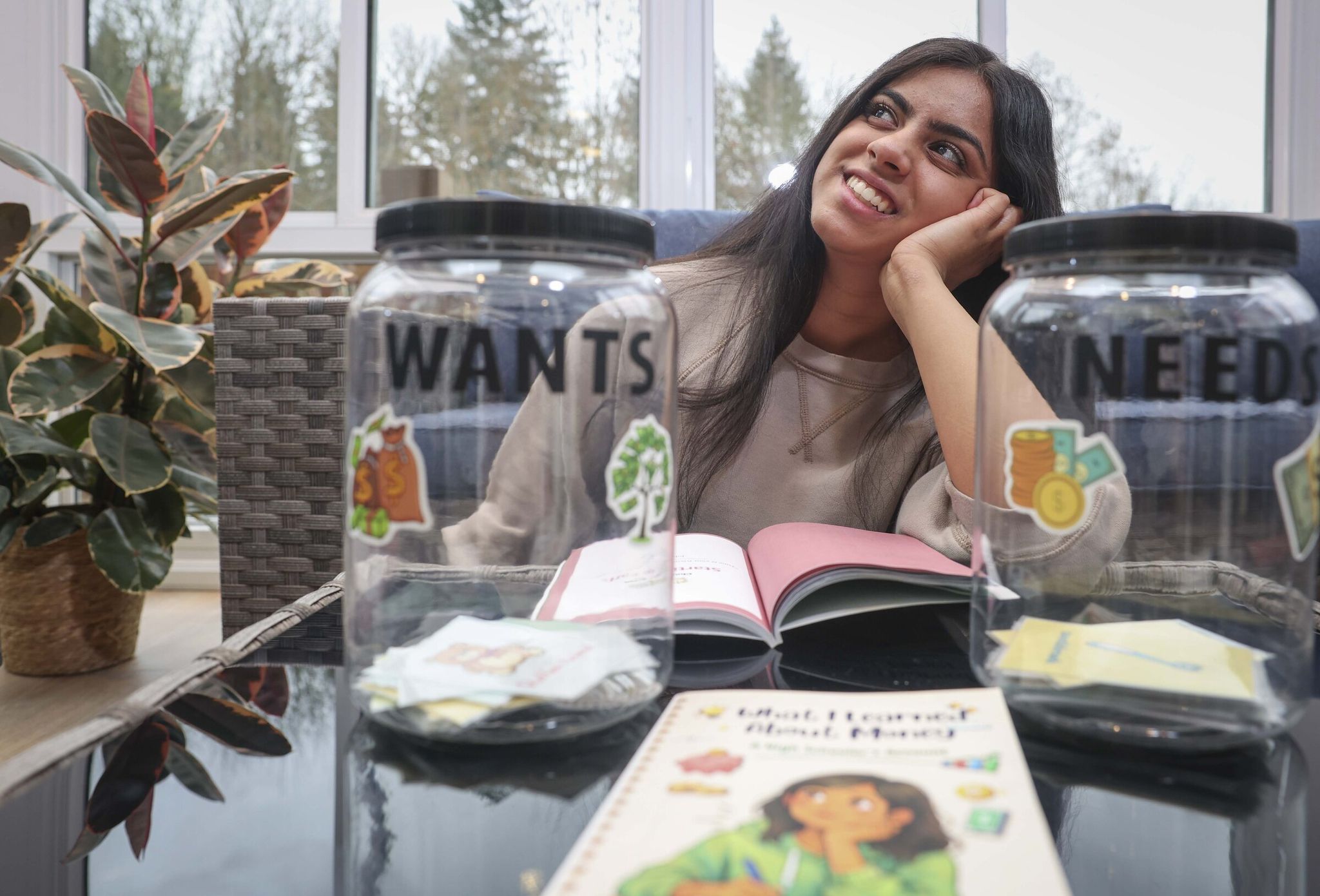
Siddhi Tandon, a 17-year-old student at the private Lakeside School in Seattle, founded an educational organization for young financiers. Lakeside is known as one of the most prestigious schools on the West Coast, with high academic standards and ties to the tech industry, giving its students access to elite universities and career opportunities. It all began three years ago when she received her first paycheck of $500 for a summer camp job, went to the bank and realized how little she knew about managing money. That realization prompted her to dive into learning about finance on her own and then to share that knowledge with others.
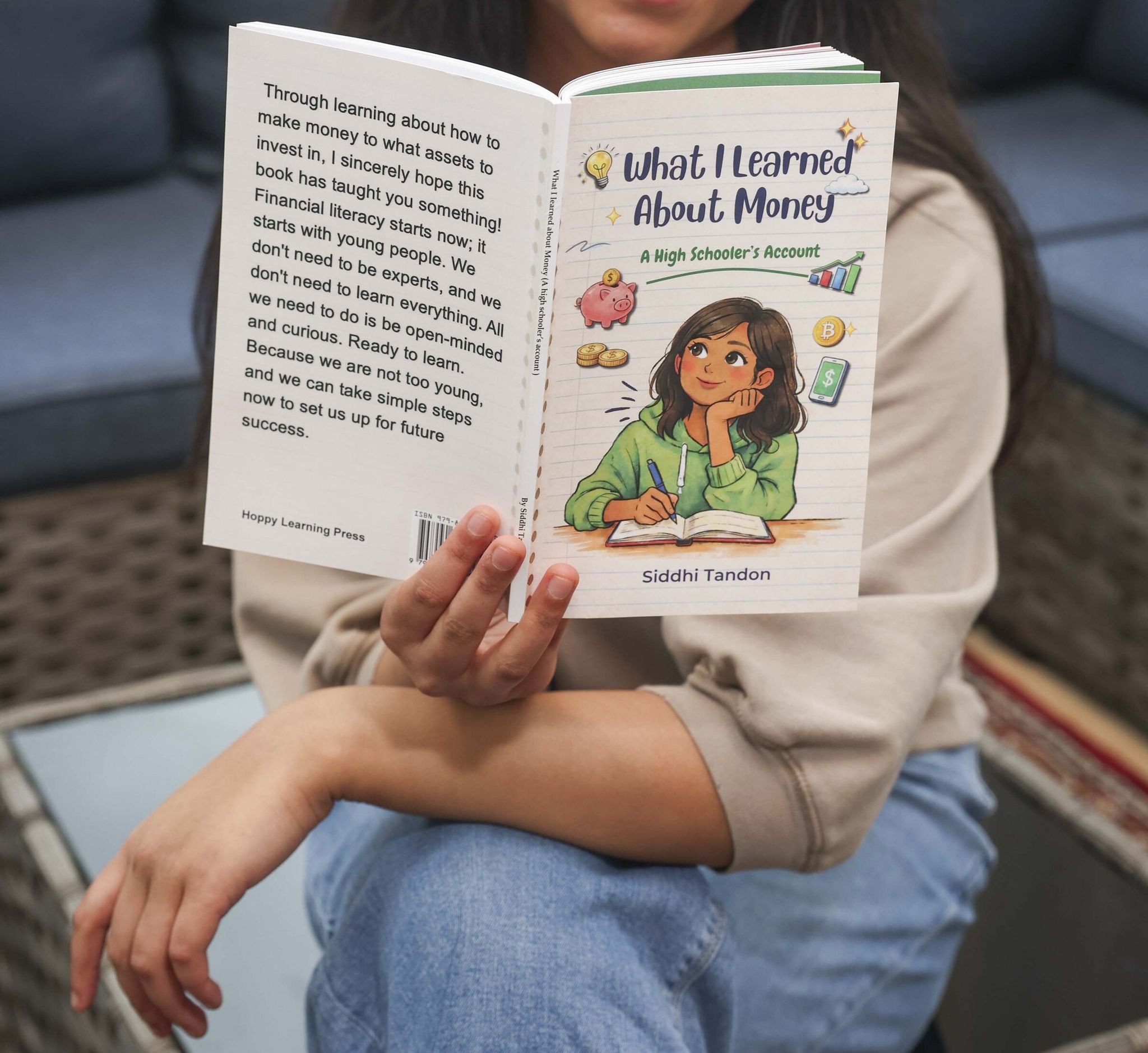
Now Siddhi runs free financial literacy workshops in libraries and schools across Washington state, reaching more than 4,500 students. Public libraries in the state serve as key educational hubs, offering not just books but digital literacy programs, computer classes and community meeting space. In February she also published a book, What I Learned About Money. Her efforts highlight a systemic problem: state lawmakers have for three years running failed to pass a law requiring schools to teach financial literacy. Major obstacles include disagreements over funding, integrating it into an already packed curriculum, and political debates about course content. Meanwhile, such requirements are already in place in more than 25 states nationwide.
In her classes Siddhi adapts material for students at different levels — from complete beginners to those already familiar with investing. Lessons start with the basics — how money is earned and what a budget is — then move on to more complex topics. To make concepts understandable, she uses relatable examples, such as comparing investing to collectible Pokémon cards that increase in value over time, and she explains the 50-30-20 rule for allocating income.
Siddhi says a key factor in the success of her sessions is that they’re led by someone close in age to the audience. Teens find it easier to engage, ask questions and relate to the material. Questions from students range from discussions of specific stocks to explanations of what a bank account is, clearly demonstrating unequal access to financial knowledge among youth.
Siddhi openly shares her own mistakes on the path to literacy, for example the story of how she panicked and sold stocks during a market drop only to see them rebound the next day. That taught her a lesson about market volatility and the importance of long-term planning. In class she gives students practical advice: how to open an account, deal with taxes on a first paycheck, or start saving even small amounts.
The student believes the education system plays a critical role but so far is failing to teach children how to manage the money they earn. “School prepares us to get a job,” she said in her TEDx talk. “But it doesn’t prepare us for how to handle the money we’ll earn from that job.” Until that gap is filled systemically, Siddhi Tandon continues to do it herself, finding support in community spaces such as libraries.

Based on: This Seattle student teaches kids about how to manage their money