Summer digest: a new bus route to Golden Gardens Beach, school pitcher Eli Herst draws MLB attention, and the Mariners beat the Red Sox 3-1, avoiding a sweep in the series.
A new bus to “Golden Gardens”: a summer experiment for people without cars
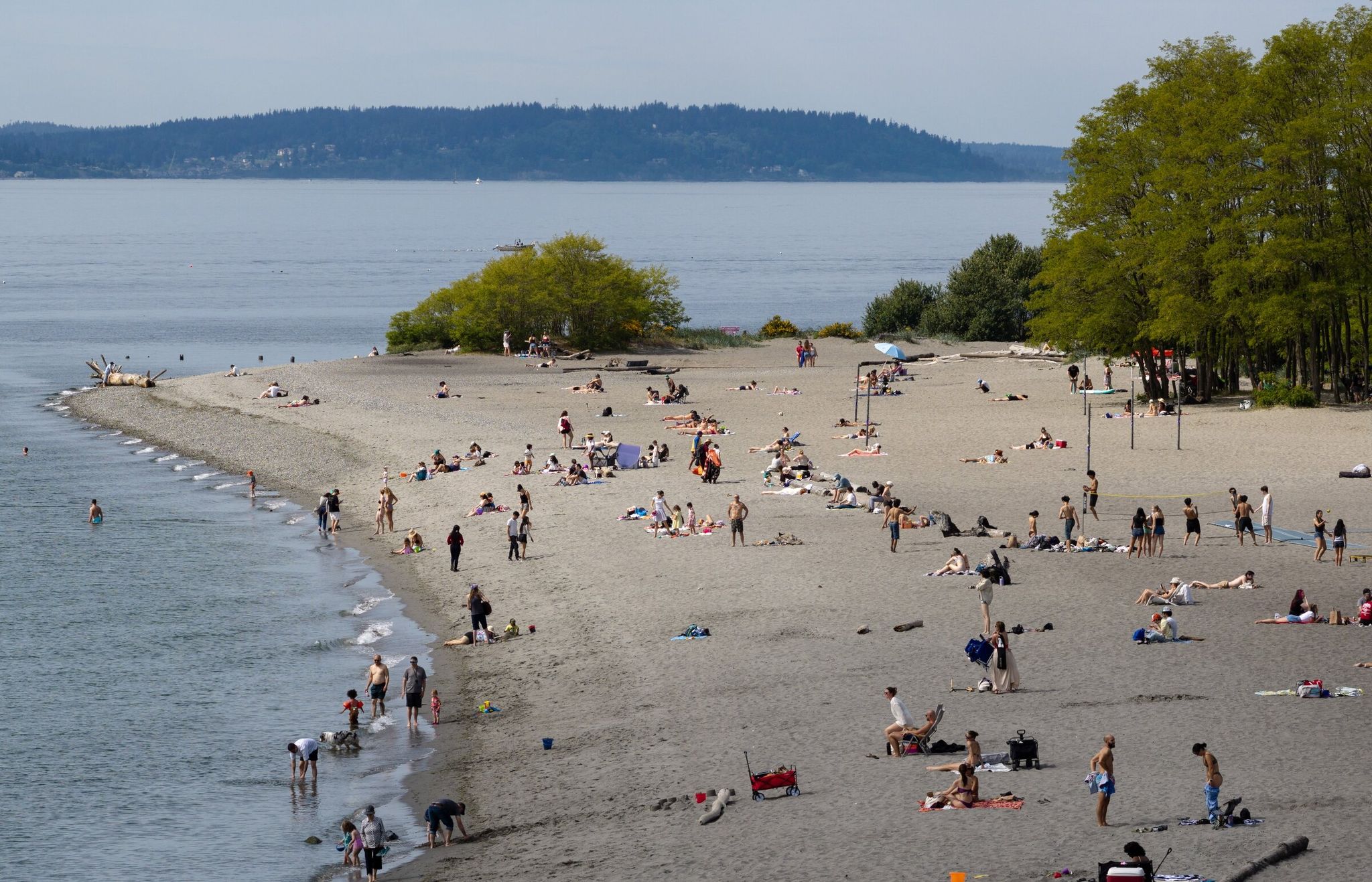
Seattle residents dreaming of a beach day but without a car can now get to one of the city’s most popular—yet hardest-to-reach—parks: Golden Gardens. From mid-June through the end of August, a special seasonal route called Golden Gardens Direct will run, linking the beach with the Ballard area. As The Seattle Times reports, the bus will run daily every half hour from 11 a.m. to 9 p.m., with a $3 fare, and passengers under 18 ride free. The project is being launched as a pilot: city officials and King County Metro want to find out whether such a move could ease crowded parking lots and reduce the traffic that turns a trip to the bay into a real scavenger hunt every summer.
Golden Gardens is a favorite for its sandy beach and views of Puget Sound, but getting there has always been difficult. Existing buses on routes 40 and 45 drop riders far from the water, forcing them to walk over hilly terrain. Drivers, meanwhile, circle for hours trying to find a parking spot. The new direct line—from Market Street in Ballard—is intended to fix that, making the beach more accessible for everyone, especially people who don’t want to or can’t use a personal vehicle.
This is not the first attempt at “buses to parks” in the region. For several years, Trailhead Direct has been operating on weekends and holidays, taking tourists to the eastside trails—up to Mount Si and into the Issaquah Alps. A similar setup exists in Discovery Park: a free shuttle connects parking areas to the beach, while regular city routes bring riders to the park gates. The new route to Golden Gardens builds on this logic—to reduce the pressure on cars and give residents an alternative.
However, behind the accessibility is also a more concerning history. Earlier this year, the city hired private security guards to patrol the area at night—from 10 p.m. to 4 a.m., Thursday through Sunday, through the end of September. The reason was a spike in unwanted activity: last summer, there was a shooting in the park in which a 35-year-old man was seriously injured. Residents have complained for several years about noisy parties and disorder, and city officials have responded in part by moving the park closing time from 11:30 p.m. to 10:30 p.m. Now, a summer bus has been added, which organizers hope will address both the transportation problem and make the park more orderly.
The project will run until August 30—if the experiment proves successful, the route could become permanent. For now, Seattle residents and visitors have a unique chance to test how convenient it is to get to the ocean coastline without a car, and to help reduce traffic congestion. Officials urge people to remember the existing fare structure, and to note that a $3 ticket is also a contribution to more sustainable urban mobility.
Eli Herst: a towering talent from the school ranks, preparing to conquer MLB
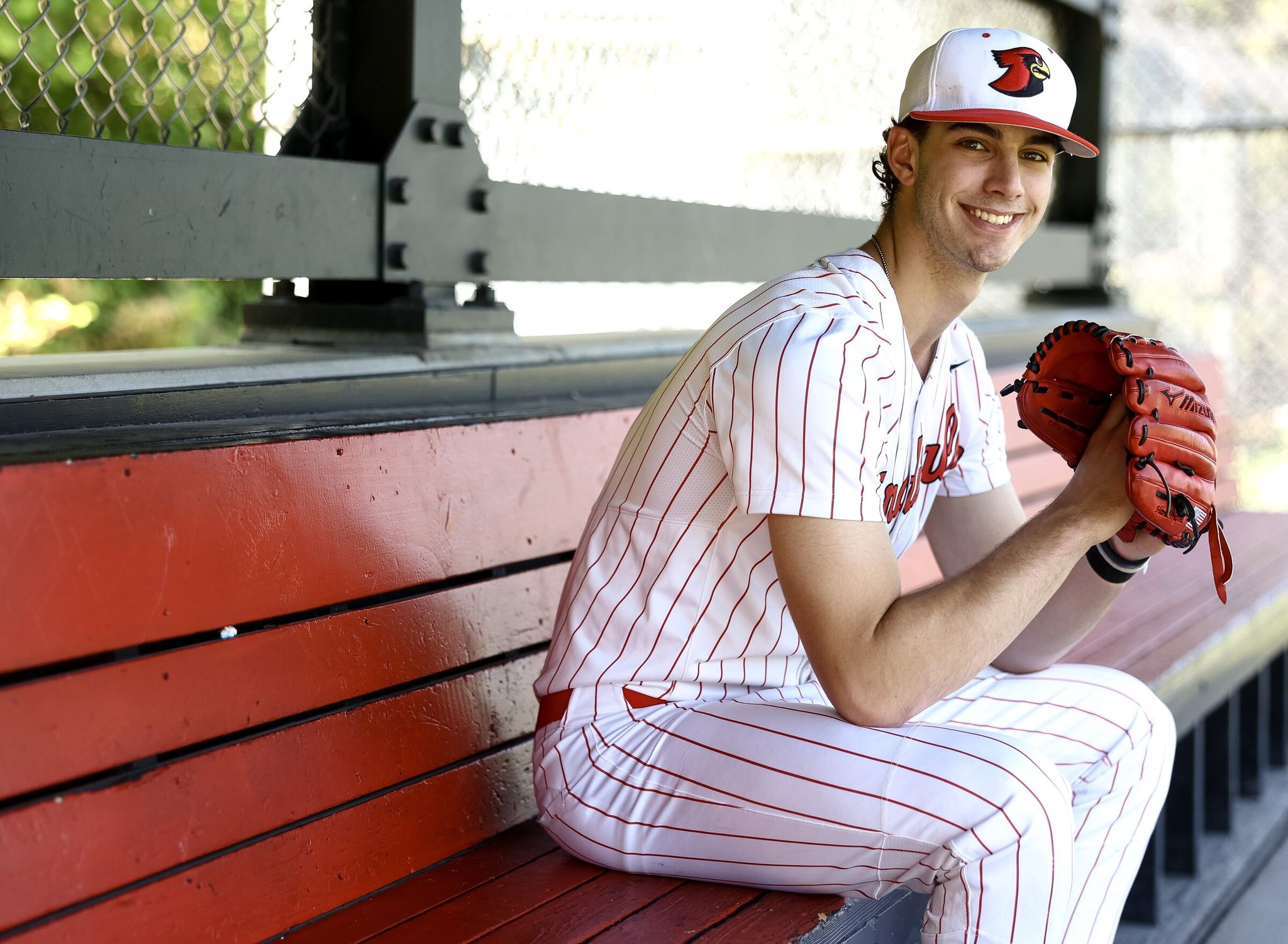
In the world of baseball, it’s rare to find a high school student who has scouts from the major leagues talking about him—but Eli Herst is exactly that kind of case. This 6-foot-4 right-hander from Seattle Academy doesn’t just dominate at the high school level—he’s already made history as Washington state’s top pitcher and as the winner of the prestigious Gatorade award. His path from his earliest steps on the Garfield team to becoming one of the most intriguing prospects in next year’s MLB draft is a story of how a combination of natural gifts, hard work, and leadership turns a teenager into someone pro scouts are watching closely. Herst doesn’t hide that he dreams of being the first Eli Herst, not just another copy of a star—an attitude that scouts may value as much as his 93-mph fastball.
In his senior season, Herst logged 55 ⅓ innings on the mound, posting 98 strikeouts (an average of 1.8 per inning) with just 16 walks and eight earned runs. His ERA was an astonishing 0.89. He also hit .477 at the plate, with three home runs and 10 stolen bases—showing he’s a true all-around player, though he acknowledges his future is on the mound. Seattle Academy head coach Max Beyer compares the youngster to the legendary Jacob deGrom, noting that with the right professional coaching, Herst could bring his fastball into the upper 90s. For now, the high schooler’s arsenal includes five pitches: besides the fastball, a tight slider, a cutter, a sinker, and a changeup. Scouts have already drawn parallels to Mariners pitcher Bryan Woo due to the similar lower-throwing angle and the pitch mix, but Herst insists on his individuality. Though he grew up rooting for Seattle and considers Woo one of his heroes, his goal isn’t to copy—it’s to create his own style.
In Baseball America’s rankings, he is No. 127 among all draft prospects and No. 46 among high school players. Experts expect him to be selected in the first five rounds. Herst keeps calm about those figures, emphasizing that nothing has been proven yet and that there’s a long road ahead. For now, he is firmly intent on playing college ball—he’s headed to Vanderbilt University, a pipeline for pro stars, which has produced players such as David Price, Walker Buehler, and Jack Leiter. This summer, Herst will also play in the collegiate summer league “Dew Se Fish Sticks” and will take part in the MLB draft combine at Chase Field in Phoenix. His move to the next level is only a matter of time, and a The Seattle Times piece lays out in detail how a high school champion is turning into a serious candidate for a major-league spot.
Interestingly, Herst isn’t just a talented athlete—he has also shown leadership, helping build a baseball program at Seattle Academy, where he transferred after two years at Garfield. According to the coach, the player essentially lived in the office between classes, discussing field play and strategy. That work ethic—beyond his physical tools—is what draws professionals: the combination of height, pitching power, and a mature approach to the game makes him one of the most promising young pitchers in the country.
Mariners avoid a blowout, beating the Boston Red Sox 3-1
In Sunday’s game, the Seattle Mariners defeated the Boston Red Sox 3-1, helping them avoid a “sweep”—a complete series loss across multiple games. As Yahoo Sports reports in a story, this win was an important step in the team’s push for the lead in the American League West. In baseball, a “sweep” means one team wins every game in a series, and for the Mariners, it was critical to prevent that in order to keep their chances of improving in the standings. By winning 3-1, Seattle not only snapped a skid, but also closed the gap on the division leaders. The key moment was the team’s ability to stay focused in the deciding game and avoid mistakes that could have led to a loss. While the article doesn’t provide details about specific players or statistics, it’s clear that this victory could serve as a psychological turning point for the Mariners for the rest of the season. In a tight American League race, every win is huge, and Seattle found a way to take it at exactly the right time.
For Boston, the result is a missed opportunity to finish the series early, but the Red Sox remain a strong opponent going forward. Overall, the game highlighted how important it is to maintain focus until the last out, and the final result is a reminder that in baseball even a losing streak can be fixed with one timely win.