
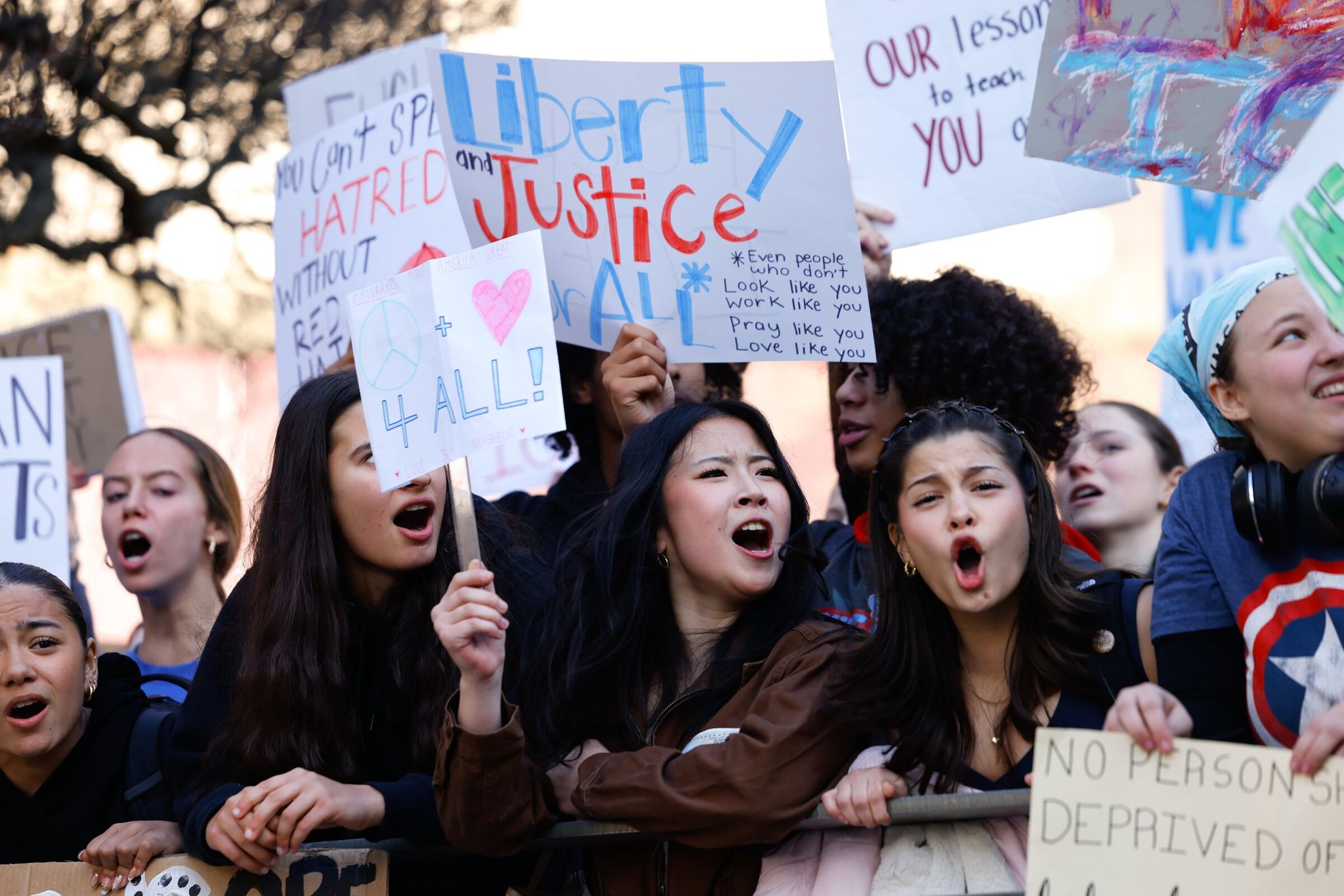
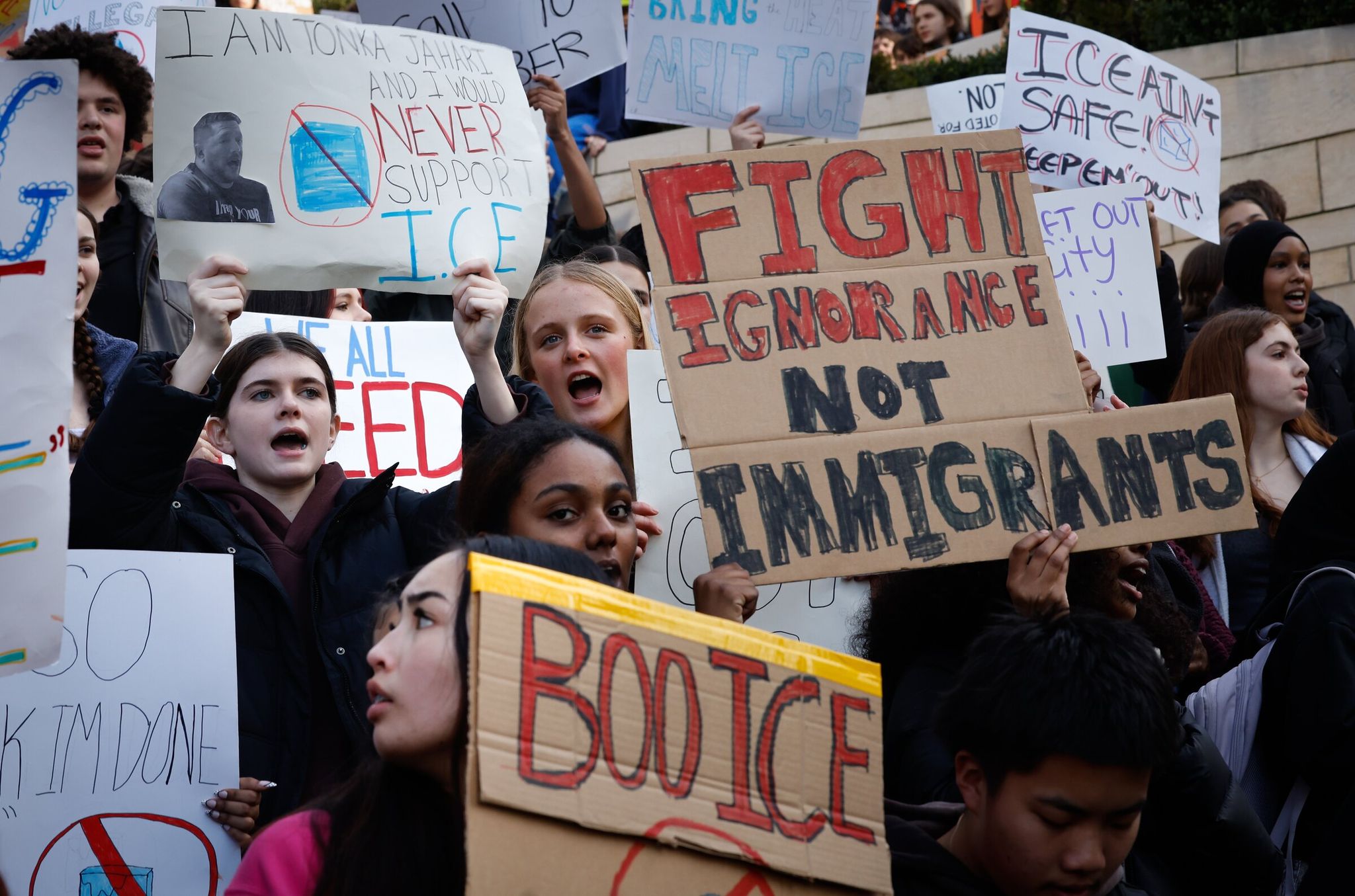
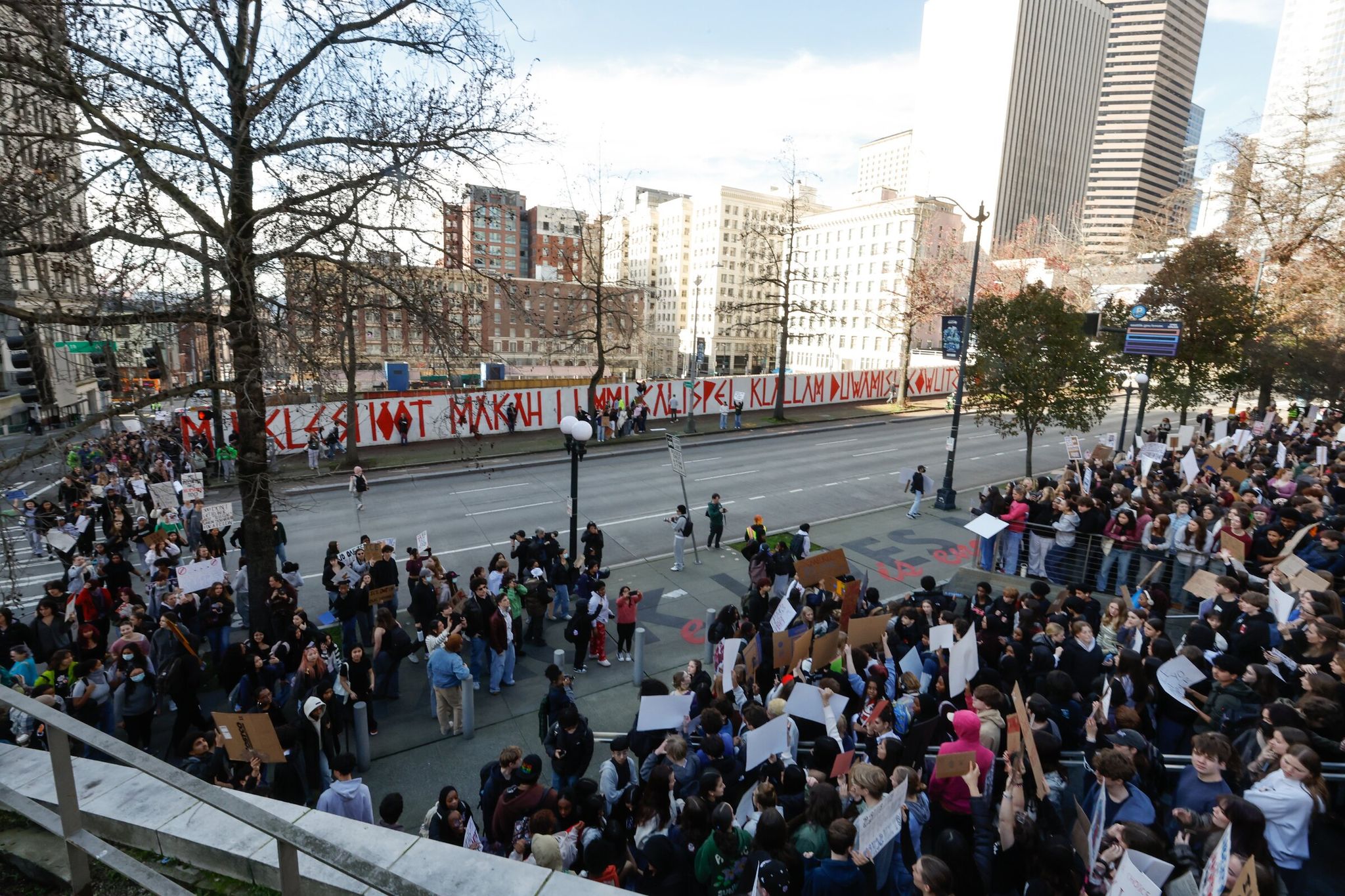
On Thursday, hundreds of students from 17 Seattle high schools left classes and gathered at City Hall to protest actions by the federal immigration agency ICE. The demonstration, organized by the student coalition ICE Out Seattle Schools, was part of a long-running confrontation between local politics and federal authorities. Seattle, which adopted "sanctuary city" status in the 1970s to protect refugees, limits cooperation with ICE, but actions by the federal agency—especially those that have intensified in recent years—have met growing resistance.
Protesters chanted slogans, demanded an end to funding for ICE and urged local leaders to take concrete protective measures. In response, Seattle Mayor Jenny Durkan issued an executive order prohibiting federal immigration authorities from using city property to conduct operations. But activists mobilized by ICE Out Seattle Schools insist on more decisive action, not just words of support. The student coalition plays a significant role in the local activist scene, organizing demonstrations, lobbying for resolutions in school districts and pushing for policies that restrict any interaction with immigration authorities.
The atmosphere at the event felt more like a celebratory rally than a somber protest. Despite angry chants, many teenagers smiled and fed off the energy of mass support. Some students, wrapped in Mexican flags, even performed the traditional group dance "el rodeo del payaso," underscoring solidarity with the Latino community.
The protest in Seattle was part of a nationwide movement. Last week, similar actions took place in the independent school districts of Highline and Renton, as well as in West Seattle and Auburn. These areas are often mentioned together because they have sizable immigrant populations and active local communities. School districts there, which have their own administrations, can make political decisions—such as declaring themselves "sanctuary" for immigrant students—making them key targets for activists. Meanwhile, in the city of Marysville, about 100 protesting students were forced to disperse after threats from an unidentified man, illustrating the mixed public reaction to such actions.
Personal stories of participants reflected deep emotional involvement. Sixteen-year-old Mariana Garnica, a student at Chief Sealth International High School, said it was the first time she felt her voice as a Latina was truly heard. Other participants, like Brian Hernandez, held signs reading "We are people, not aliens," protesting the dehumanization of migrants.
ICE immigration operations have already directly affected the educational process—at least six schools in South Seattle and the Beacon Hill area enacted shelter-in-place protocols this year in response to unconfirmed reports of agency activity. During such operations, or even rumors of them, school attendance drops sharply. The protest ended with a spontaneous march by about half the participants to the iconic Space Needle, where they blocked traffic on Third Avenue and received honks of support from drivers and attention from passersby.
Based on: Seattle students walk out, hit the streets to protest ICE