In Seattle, the mayor revised her appointment for the head of the city’s electric utility under pressure from the city council and unions. A court also handed down a harsh sentence to a man for attacks on transgender women that were ruled hate crimes.
Seattle mayor changes Seattle City Light leadership pick after protests
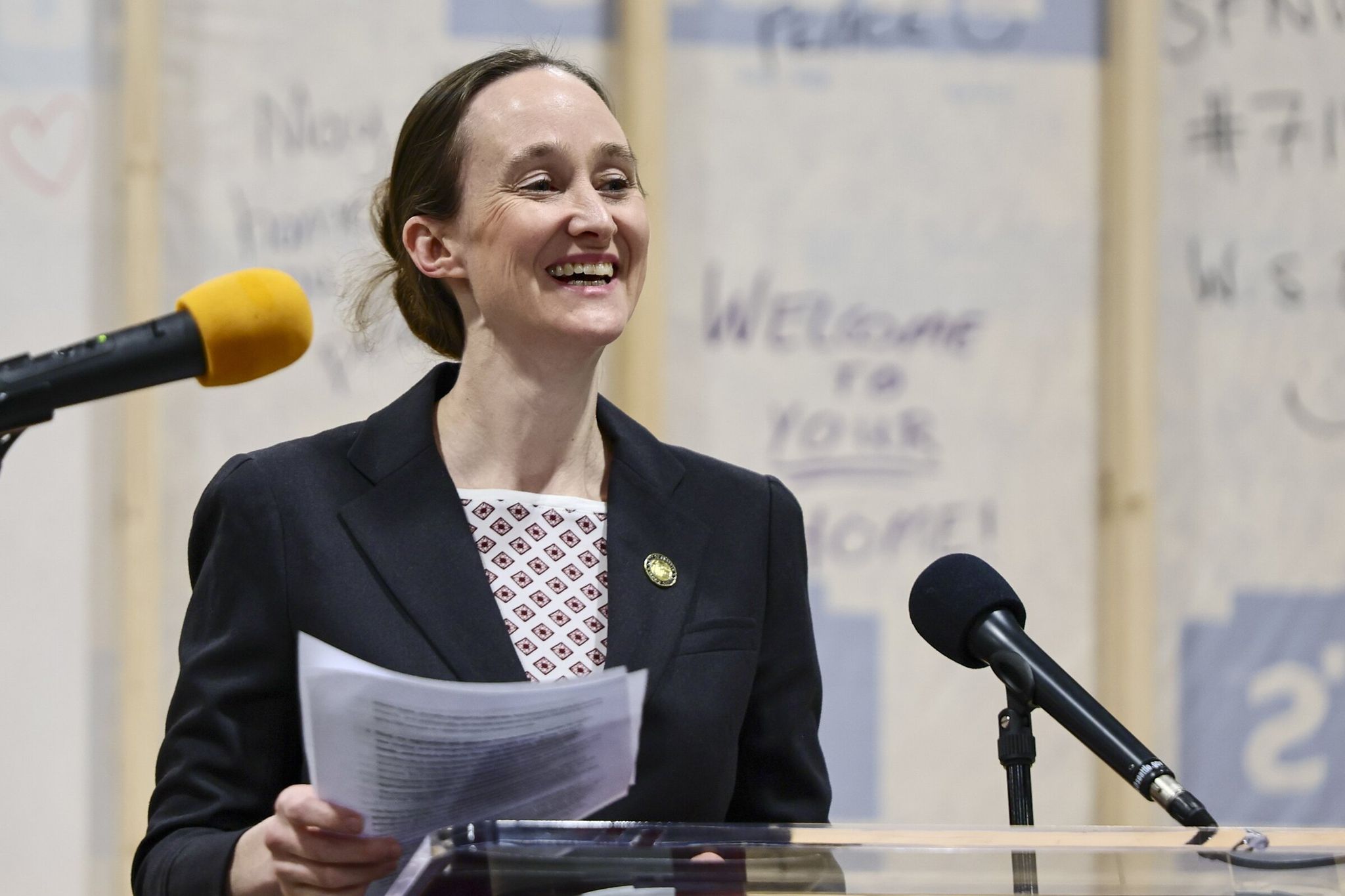
A small political drama unfolded in Seattle over leadership appointments at a key municipal agency — the public electric utility Seattle City Light. Mayor Katie Wilson, who took office relatively recently, was forced to step back and reconsider her initial pick under pressure from the city council and labor unions, highlighting the delicate balance of power in city governance and the priority placed on hands-on experience in a specialized field like energy.
Mayor Katie Wilson initially named Dennis McLerran, an experienced environmental lawyer and former administrator at the Environmental Protection Agency (EPA), as acting general manager and CEO of Seattle City Light. As reported by The Seattle Times, Wilson personally courted him to take the post, planning for him to serve for up to two years. That decision immediately drew criticism. City council members and union representatives voiced serious concerns, the main one being McLerran’s lack of direct experience in the energy industry. The electricians’ union IBEW Local 77 gathered thousands of signatures on a petition calling for the appointment to be rescinded, and City Light employees spoke at council hearings.
The resistance from the city council proved particularly consequential. Although interim department heads do not go through the full confirmation process required for permanent appointees, they still need a council member’s signature on the paperwork to begin work. Council President Joy Hollingsworth and Budget Committee Chair Dan Strauss sent a letter to the mayor indicating their signatures would depend on the candidate’s energy-sector experience. Their letter cited a pointed example: a prior CEO without utility experience, they argued, had overseen a 58% rate increase and added $500 million to the utility’s debt. Facing the prospect of a protracted political fight, Mayor Wilson chose to change course. “For me, it’s more important to find a way forward that addresses these concerns, even if I don’t agree with them, than to fight to the bitter end,” she said.
As a result, Dennis McLerran will now serve as deputy general manager, and Rob Santoff, the current chief operating officer of City Light who has worked at the utility since 2020, will become acting CEO in April. Wilson explained she hopes this arrangement will combine Santoff’s industry experience with McLerran’s strategic expertise in environmental and regulatory matters. Santoff will lead the utility at a pivotal moment. Seattle City Light, a rare municipal utility founded in 1902, has historically relied on the clean power of its hydroelectric plants. But its future has become less predictable due to rising competition for clean energy on the West Coast, volatility in market power prices, and droughts and extreme weather events that affect generation. The utility has begun developing new sources, such as solar, but as Santoff noted, the primary task in the coming years will be to develop a reliable energy-supply strategy to avoid sharp rate hikes or rolling brownouts.
Mayor Wilson announced that a search for a permanent general manager will begin in the fall, with a nominee expected to be presented to the council in February–March 2027. Notably, Santoff will be the eighth City Light CEO since 2015, and he said he is not interested in the permanent role “at this stage.” That means the next permanent appointee will be the ninth leader in less than a decade, underscoring the instability in leadership at a key municipal enterprise. The episode highlights how the political will of a new mayor met the professional community’s demands and institutional checks from the city council, forcing her to seek a compromise in the interest of stable operation of a vital public utility.
Sentence without remorse: how Seattle convicted a man for attacks on transgender women
On Friday, a Seattle court sentenced a man convicted of attacks on two transgender women. The trial was marked by the defendant’s overt defiance and complete lack of remorse, emphasizing the hate-motivated nature of the crimes the court found.
Andre Karlow was sentenced to seven years in prison for a 2025 case in which a jury found him guilty of second-degree assault and a hate crime. The incident occurred in Seattle’s University District, where prosecutors say Karlow led a group of men who beat a transgender woman, striking her and shouting anti-trans slurs. The victim was hospitalized with a black eye, broken teeth, and a brain bleed. Later the same day, a separate 2024 case related to an attack on a Sound Transit employee, also a transgender woman who had asked him to show proof of fare payment at a light-rail station, resulted in a 180-day jail sentence to be served consecutively with the seven-year term by the judge’s decision.
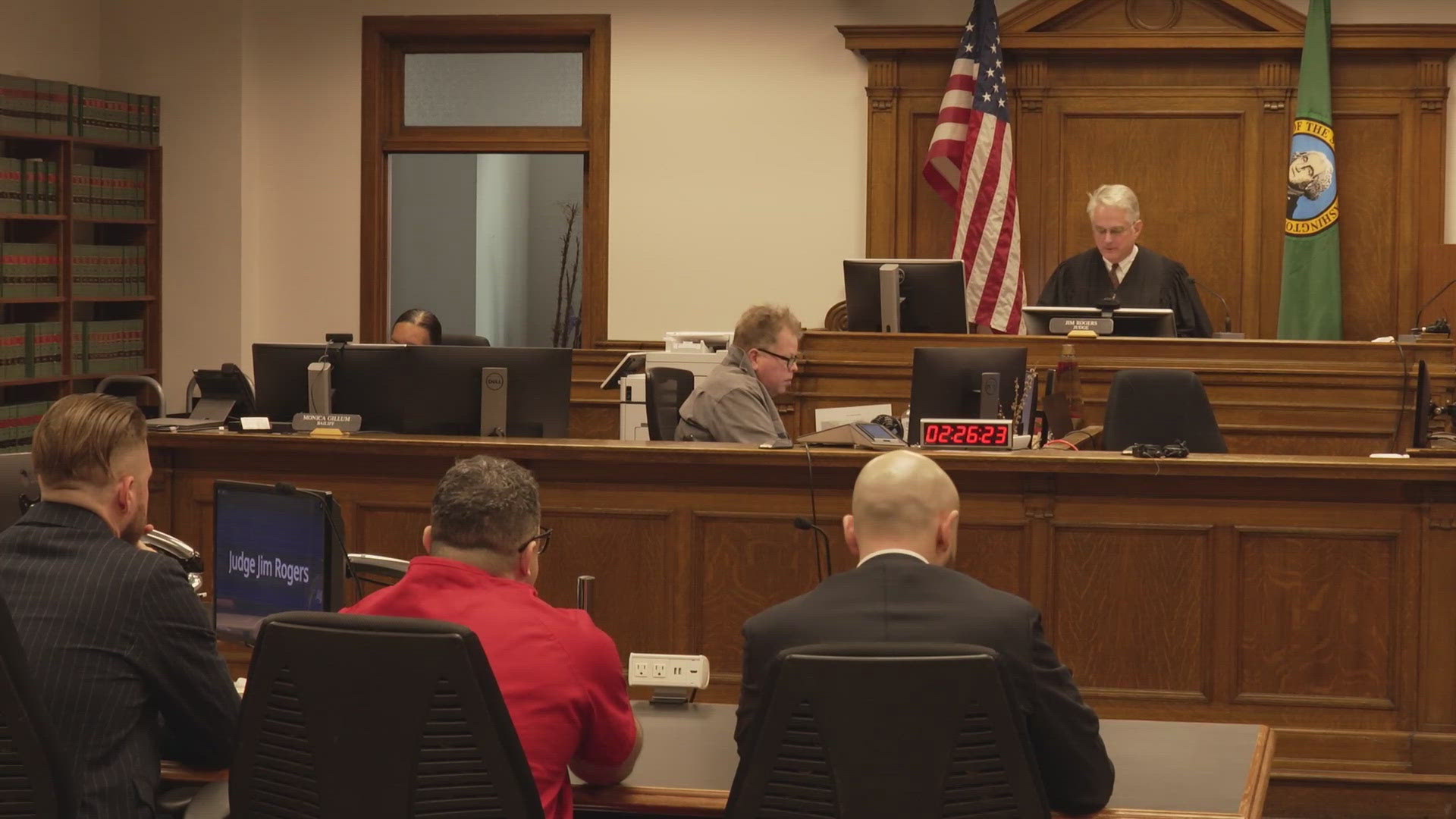
During sentencing in the first case, Karlow conspicuously refused to sign court documents, for which Judge Jim Rogers immediately held him in contempt and sentenced him to 30 days in custody. Only after being warned that this would add time to his overall sentence did Karlow relent and sign. Deputy Prosecutor Essenia Manzo emphasized that Karlow’s actions went beyond harm to individual victims: “He confirmed the fear that many members of the transgender community feel — the fear of being attacked simply for existing in public space.” She also noted the defendant not only lacked remorse but tended to blame others for what happened.
Evidence of hate motivation received particular attention during the trial. The prosecution presented a recorded jail call in which Karlow said, “If I didn’t hate transgender people before, I sure do now... I think Trump should kill them all. Get them out of here. They’re weird.” In the separate Sound Transit incident, prosecutors said he hurled insults, called the victim a “boy,” and then struck her. Judge Andrea Robertson, sentencing in the second case, characterized his conduct as part of a troubling pattern: “There is a clear and indisputable pattern here not only of creating danger and harming people in the community, but of targeted, prejudiced intent to harm a particular group of people who are simply trying to live authentic lives.”
An important legal aspect was the decision to have the sentences run consecutively. Karlow’s attorneys asked the court to allow the sentences for the two cases to run concurrently, but prosecutors opposed that, arguing that a concurrent sentence would encourage escalation of violence. Judge Robertson agreed with the prosecution, ordering that the 180-day term for the misdemeanor case be served first, followed by the seven-year prison term. Karlow, exercising his right to speak last, said he had been advised to remain silent and stopped there. However, as he left the courtroom he muttered that he was a victim of persecution and told a news photographer that he has video proving his innocence in “assault #2 and the hate crime.”
This case, extensively covered by KOMO News, highlighted several key issues. First, it demonstrates the real consequences of transphobic violence for individual victims and a community living in fear. Second, it shows the perpetrator’s behavior—remaining unrepentant even in court—suggests deeply rooted hatred. Third, the court’s decision to impose consecutive sentences sends a clear message that such crimes are unacceptable and that the justice system can consider the broader pattern of targeted violence rather than treating incidents in isolation. While the sentence does not undo the trauma experienced by the victims, it represents a step toward accountability and, perhaps, deterrence of similar acts in the future.
Hate-crime sentence
Seattle has handed down a harsh sentence in a case that shook the local community and again raised urgent questions about the safety of transgender people. Andre Karlow, a Seattle man convicted of a brutal attack on a transgender woman, was sentenced to seven years behind bars. The case, covered in detail by KING5.com, exposed the ugly face of hate-motivated crimes.
Judge Jim Rogers, delivering the sentence, called Karlow’s crime “reprehensible” and said it was “truly beyond imagination.” The incident in the University District in March 2025 involved a transgender woman named Andy Holzepl. According to the prosecution, Karlow was part of a group of four men who first showered Holzepl with abusive slurs and then beat her. She sustained broken teeth and multiple bruises. In court, Holzepl bravely testified, describing how after the initial wave of violence the attackers chased her and the beating continued: “He hit me a few more times. Then I ran across the street.” Prosecutors argued the attack was an unprovoked act fueled by hatred and preceded by deliberate insults. In February, a jury found Karlow guilty of a hate crime and second-degree assault. It is important to understand that a “hate crime” is a criminal offense motivated by bias against a particular group of people — in this case, a transgender person — and is an aggravating factor that increases the severity of the penalty.
This is not the first such conviction against Karlow. In September 2024 he was convicted of fourth-degree assault (a lesser offense) on a Sound Transit worker, who is also transgender. In that case, the jury was unable to reach a unanimous verdict on the hate-crime charge, resulting in a hung jury. For the 2024 assault, Karlow received 180 days in jail. Given his criminal history, Karlow’s offender score reached 9+, which set the sentencing range for the March 2025 attack at 63 to 84 months. Prosecutors sought the top of the range — 84 months (7 years) — and the judge agreed. The seven-year term for the hate crime and the five-year term for assault will be served concurrently, and Karlow will spend a year on community supervision after release. Defense attorneys, despite the jury’s verdict, continue to assert their client’s innocence of the hate-crime charge, stating at the start of the trial, “He did not commit a hate crime.”
The sentence carries significant implications. It sends a clear message that bias-motivated violence will be punished severely. For the transgender community, which faces disproportionately high levels of violence, such rulings are not only about justice but also about safety. Andy Holzepl’s story is a painful reminder of the human suffering behind dry crime statistics. At the same time, the differing outcomes in two similar cases against the same defendant underscore the complexities of legally proving hate motivation, which remains a serious challenge for the justice system.